
Hot Off The Press – New Titles This Week
Published on 24 February 2026 by Rose Staveley-Wadham
Wow, what a week it’s been, as we’ve reached over 100 million pages, and now, this week, we’re going to take you on a walk through 1850s London. It won’t quite top that 100 million pages feeling, but we’ve added another 259,715 brand new pages to The Archive from across the UK and Ireland, as we continue to add more historical newspapers to our collection.
In all, this week, we’ve added four brand new titles from England and Ireland, as well as updating 22 of our existing titles. And as for that walk through 1850s London – that will be through the eyes of a temperance campaigner, as detailed through one of our new titles, the British Temperance Advocate. Read on to find out more.
Register now and explore The Archive
The British Cinema Chronicle and the British Temperance Advocate
We like sometimes at The Archive to throw you a little curve ball – and the British Cinema Chronicle is definitely one of those. First published on 15 March 1918, the British Cinema Chronicle‘s three pages are surprisingly filled with articles on tobacco, oil, the British-Belgian Corporation’s activities in Sierra Leone, and oh, a map of Tasmania. Can you unravel the riddle of the British Cinema Chronicle?
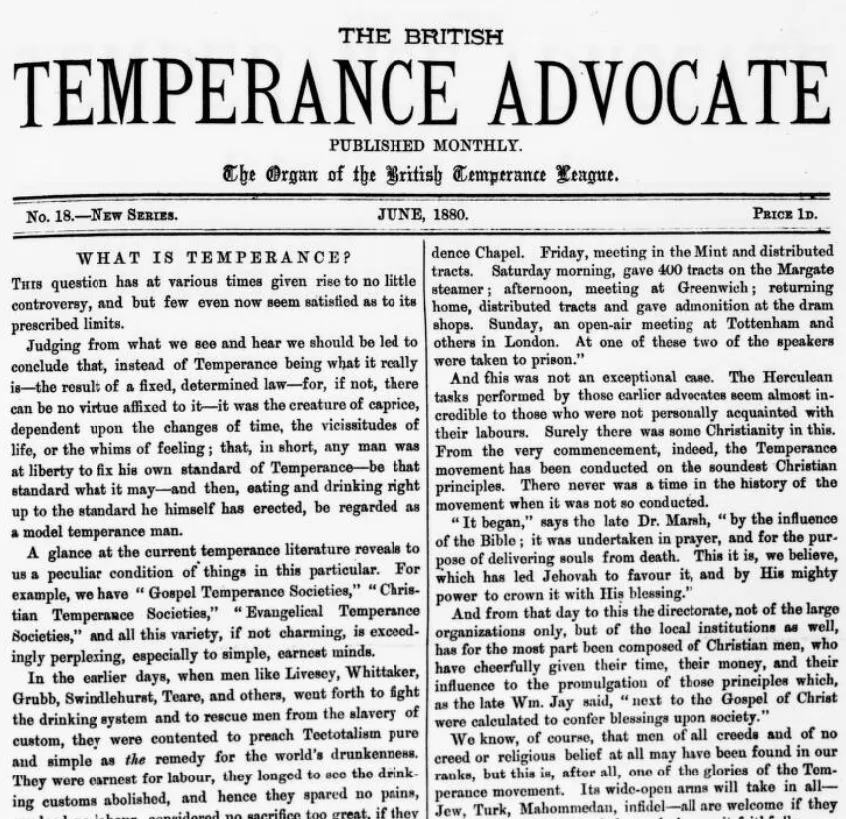
Doing more of what it says on the tin is the British Temperance Advocate. Founded in 1839 as the organ of the British Temperance League, the British Temperance Advocate grew out of England’s very first temperance publication, the Moral Reformer. Founded by temperance campaigner, writer and publisher John Livesey (1794-1884) in 1831, the Moral Reformer later became known as the Preston Temperance Advocate. Later, Livesey transferred the publication to the British Temperance League.
A monthly publication costing only 1 d. by the 1880s, the British Temperance Advocate filled sixteen pages. Printed in Bolton, it listed the officers of the British Temperance Association. A particularly powerful part of its temperance propaganda was the title’s ‘Deaths by Drink’ feature. These columns listed the disturbing incidents, murders, suicides and accidents, which were all allegedly brought about by the evils of drink.
Furthermore, the British Temperance Advocate printed temperance news from across the country, alongside poetry, and lists of temperance tracts. The publication also featured regular original contributions, such as ‘Walks in London,’ which we shall shortly explore in further detail.
The Doncaster Free Press
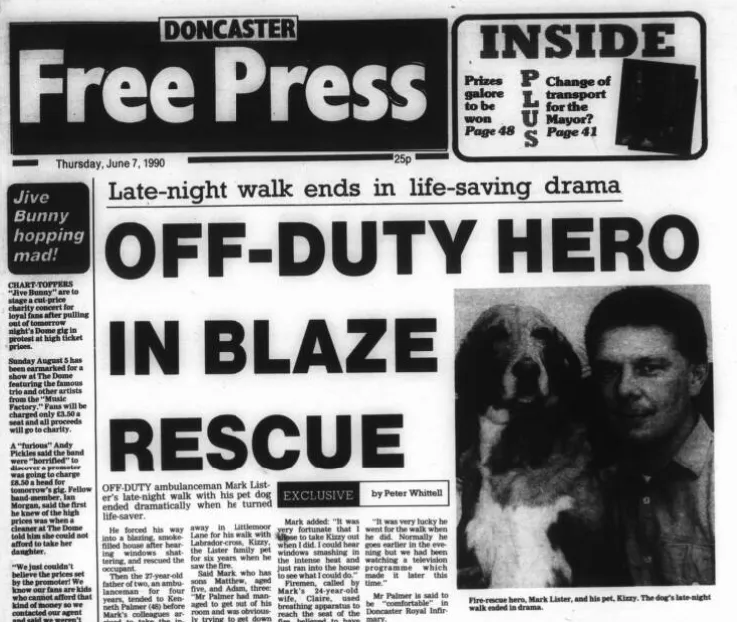
Our next new title of the week is the Doncaster Free Press, which first appeared in the South Yorkshire town of Doncaster, now a city, on 18 June 1925. A Doncaster favourite, the paper is known by the nicknames of the Free Press and the DFP.
By the 1980s, the Doncaster Free Press had a circulation of over 34,000 copies, with a price tag of 18 p. Still running to this day, sections of this publication include local news, sport, crime, court reporting, business, education, puzzles and entertainment.
The Leinster Express
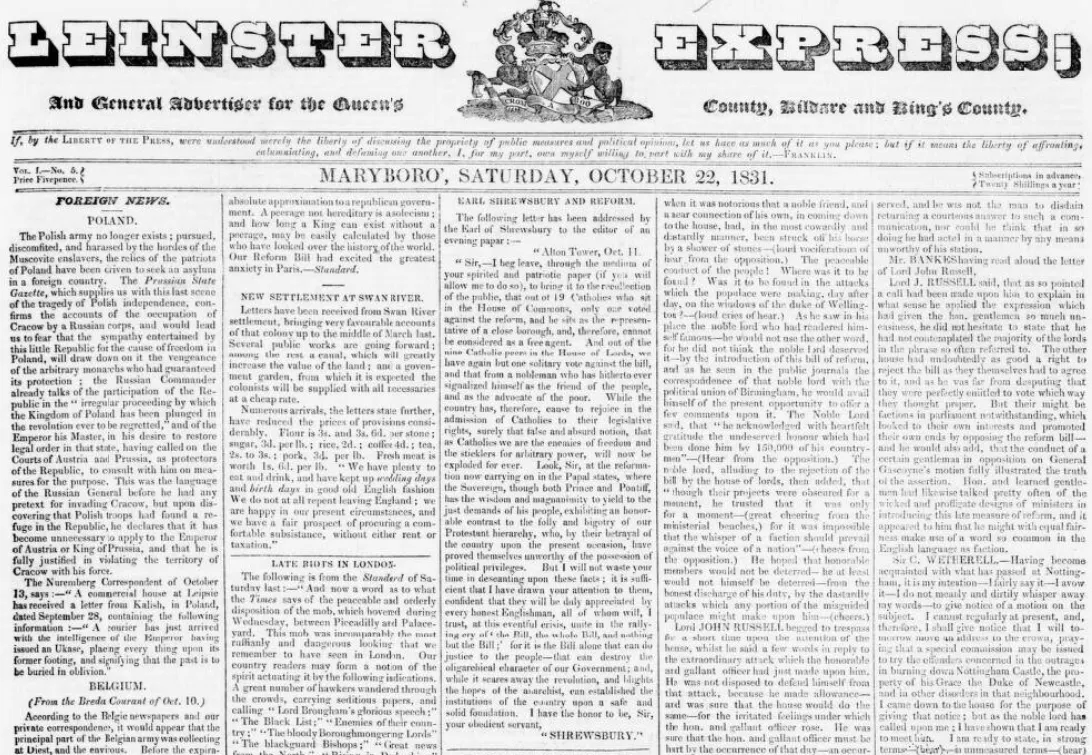
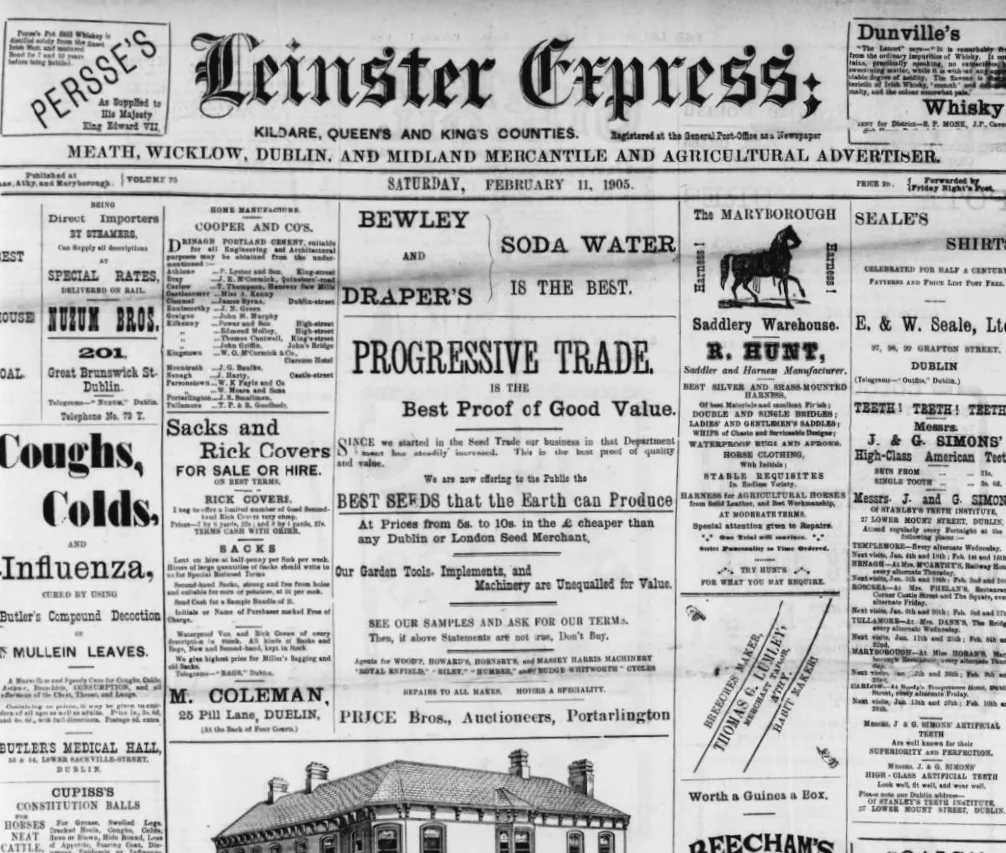
Our final new title of the week, before we take a walk in 1850s London, is the Leinster Express. This regional county newspaper was first published on 24 September 1831 with the full name of the Leinster Express and General Advertiser for the Queen’s County, Kildare and King’s County. Independent in its politics, it ran with the following striking Benjamin Franklin motto:
If, by the Liberty of the Press, were understood merely the liberty of discussing the propriety of public measures and political opinions, let us have as much of it as you please; but if it means the liberty of affronting, calumniating, and defaming one another, I, for my part, own myself willing to part with my share of it.
Indeed, the Leinster Express’s debut editorial doubled down on its claims to political independence, stating:
Bound to no party, the partizans of no faction, we pledge ourselves to perform the arduous duties of a public Journalist fearlessly and impartially, neither aspiring to the patronage of the great and powerful, or courting the smiles of an ephemeral popularity.
Published in Maryborough (now Portlaoise) in what is now known as County Laois, every Saturday at the cost of 4 d., the Leinster Express published news from across Ireland and further afield, alongside poetry and notices of births, marriages and deaths. Circulating ‘through the provinces of Leinster and Munster,’ the Leinster Express is published to this day.
Our updated titles
Alongside our new titles this week, we’ve been busy updating our existing ones. Leading the charge with over 23,000 brand new pages added this week is the Mansfield & North Nottinghamshire Chronicle-Advertiser, whilst over 13,000 brand new pages have joined the Bognor Regis Observer.
There’s also a trio of updated Scottish titles for you to enjoy, namely the Paisley Herald & Renfrewshire Advertiser, Inverness’ Highland News, and the Buteman. Finally, if you’re interested in the history of sport, the Football Mail (Portsmouth) might be a good fit for you, or, you might want to snuggle down during these grey February days with the story-filled Fireside Companion, both of which titles we have added to this week.
A walk through 1850s London
In January 1853 the British Temperance Advocate published an article entitled ‘Walks in London – No. 1,’ which gives a fascinating description of 1850s London street life, through the lens of a temperance advocate. Heavily atmospheric, sometimes lurid, it makes Dickens’s London seem like a pleasant place.
So where was this 1850s London walk taken? The writer, we are told, walks from Bank to Shoreditch Church, and back. It’s night time, and the streets are ‘laden with mud.’ The first person the writer encounters is a young man cooking potatoes on a stove, ‘which he sells at a halfpenny each.’ His ‘coat is, old, greasy, and torn, and his limbs tremble with the cold.’
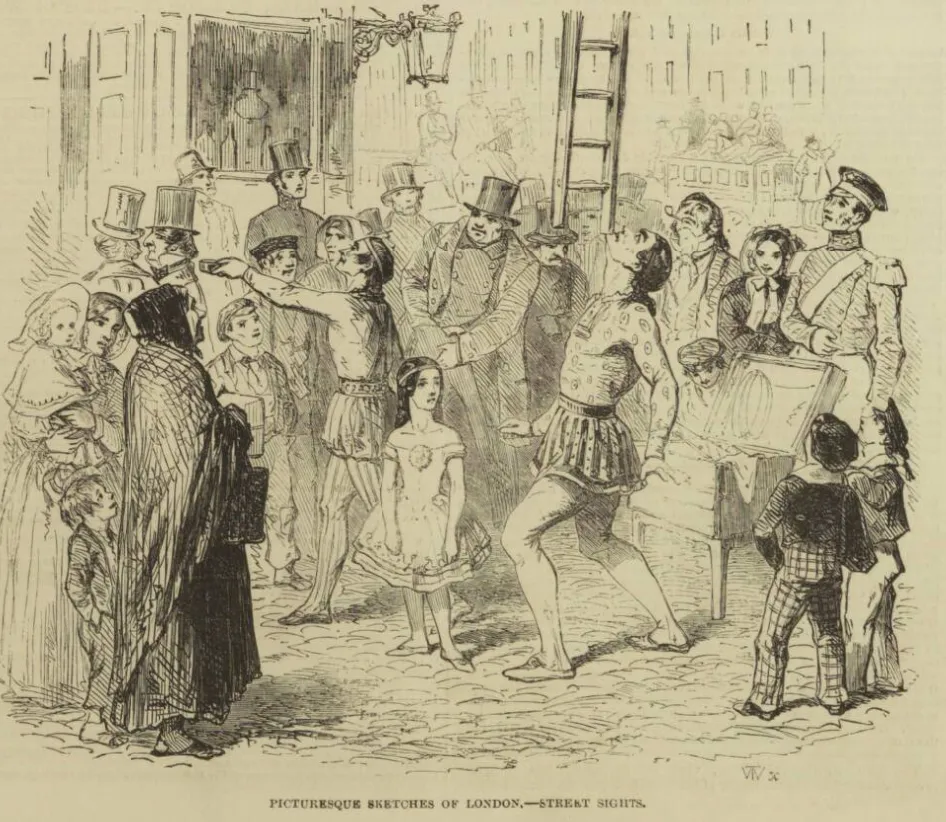
The writer moves on, past the Wesleyan Mission House, and then, ‘a few more steps and we are in the midst of crowds who rush along the streets – every face that passes bearing on its front the indelible impress of London life.’ And London life during this 1850s walk consists of ‘poor clerks,’ butchers, merchants, ‘gaily dressed girls,’ and of course ‘a drunken man.’
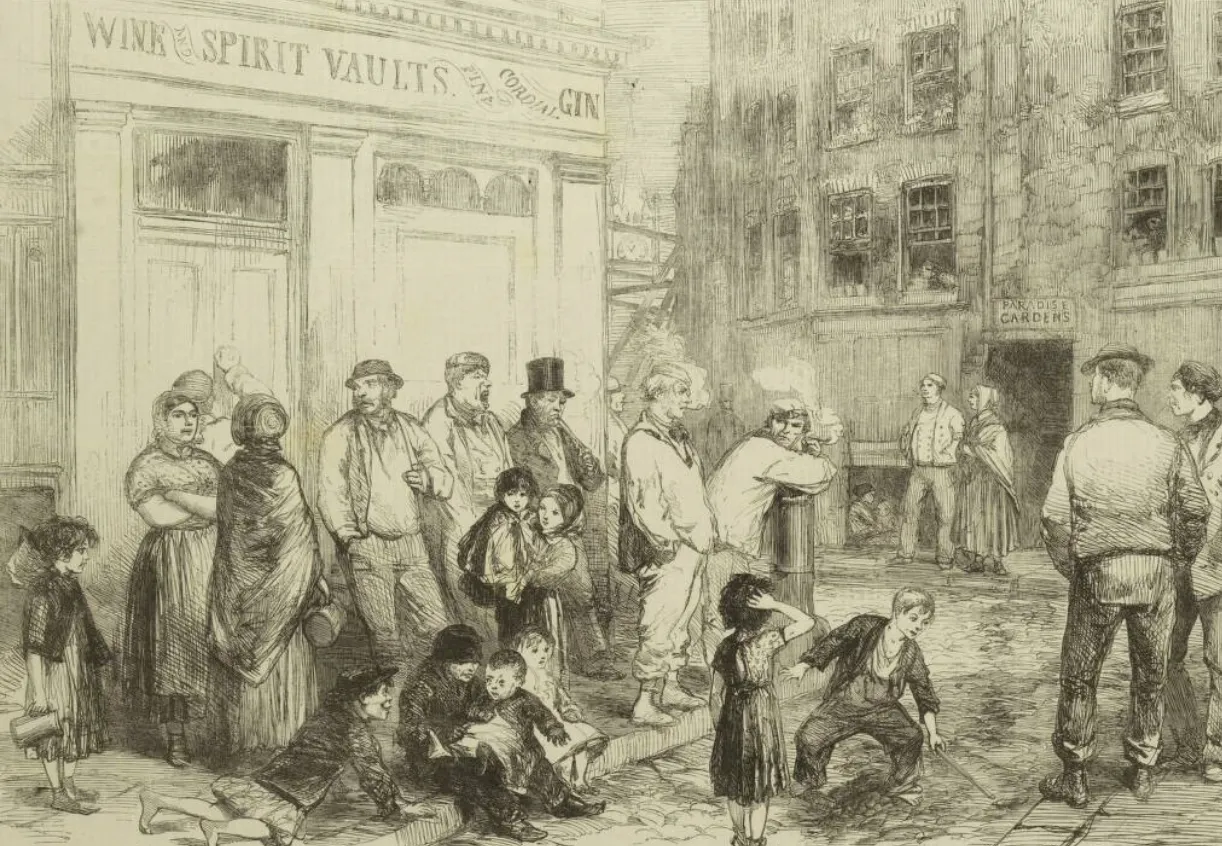
This 1850s London walk is designed to take in those lurid scenes of drink. Now the writer reaches a ‘large gin-shop,’ describing how:
There is a scene! Fathers are getting drunk. Mothers are pouring gin down their children’s throats. Young men are smoking and larking with painted women. Drivelling old wretches are sitting on the seats. Irishmen are swearing. A pugilist is relating how he got the head of an opponent into ‘chancery,’ and gave him his ‘gruel’ – that is, how he beat him into a state of insensibility.
Leaving the gin shop, the writer arrives in Shoreditch, ‘the focus of popular amusements,’ including two theatres and a disappointing ‘Cosmorama,’ a series of ‘engravings daubed with bright colours.’ The writer then chooses to visit a ‘penny-gaff,’ where dancing, singing and acting were all available to view. Needless to say, our writer remains unimpressed.
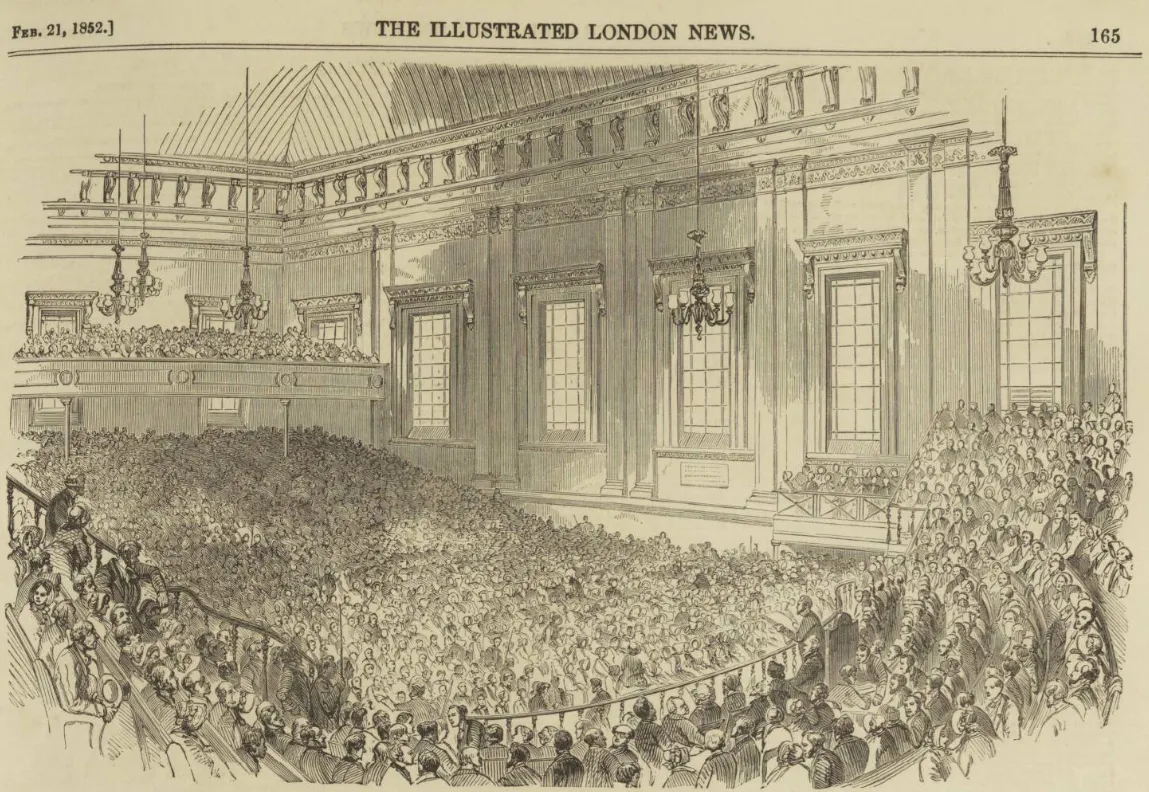
By way of contrast, on the way home, the writer and his companion visit a Temperance Hall, for which they ‘were charged a penny for admission.’ Here, the ‘audience was small, decorous and – tired.’ Juxtaposed with the scenes of ribaldry in Shoreditch, were the various temperance meetings being held across the area.
Indeed, our writer ends his piece by declaring:
We hope christian men will consider the facts embodied in this article. Sin abounds. Misery is rampant. Souls are perishing. Strong drink is slaying them with a sword. But many may be saved…drunkards may be redeemed – led to the sanctuary, and we hope to the Saviour of men.
Although heavily influenced by temperance rhetoric, this glimpse of 1850s London is a fascinating one. From the mixed crowds to a working class scene in a gin house, we can peel behind the curtain of Victorian genteelness to imagine the lives of London’s ordinary population. Coping with poverty, and finding an outlet in the city’s amusements, perhaps finding solace within the temperance movement, this account shows the different strands to London’s social fabric.
Discover more about 1850s London, the temperance movement, and much more besides, in the pages of our Archive today.
New Titles
Title | Years Added |
1918 | |
1853, 1875, 1878, 1880, 1884 | |
1986-2004 | |
1831-1857, 1872-1896, 1905-1919 |
Updated Titles
This week we have updated 22 of our existing titles.
You can learn more about each of the titles we add to every week by clicking on their names. On each paper’s title page, you can read a free sample issue, learn more about our current holdings, and our plans for digitisation.
Title | Years Added |
1896-1899 | |
1986-2004 | |
1987-1990, 1992-1993 | |
1888-1899 | |
1939 | |
1885-1894 | |
1878-1891, 1911-1913, 1919 | |
1993 | |
1862, 1872-1881 | |
1873, 1877, 1889 | |
1989, 1996-1998 | |
1858, 1866-1872, 1874-1880, 1895-1896, 1898-1910, 1912-1913 | |
1972 | |
1879, 1881-1882 | |
1908, 1910 | |
1877, 1888 | |
1951, 1953-1957, 1959-1960 | |
1996 | |
1895 | |
1889 | |
1928 | |
1867-1869, 1874-1876, 1878 |
You can keep up to date with all the latest additions by visiting the recently added page. You can even look ahead to see what we’re going to add tomorrow.
More on this topic:
Share this article
About the author

Rose Staveley-Wadham
Newspaper Licensing Manager
Published on Tue, 24 February 2026.