
The Young Soldier joins our ranks – new from The Salvation Army
Published on 30 June 2026 by Rose Staveley-Wadham
We’re delighted as we march on with The Salvation Army to welcome another of the worldwide Christian church and registered charity’s titles to our ranks, namely the Young Soldier. The longest running continuously published children’s periodical in the world, alongside this fascinating publication we’ve also added five other new titles, and updated 22 of our existing titles from across the UK and Ireland. In all, we’ve added 207,356 brand new pages to The Archive over the last seven days.
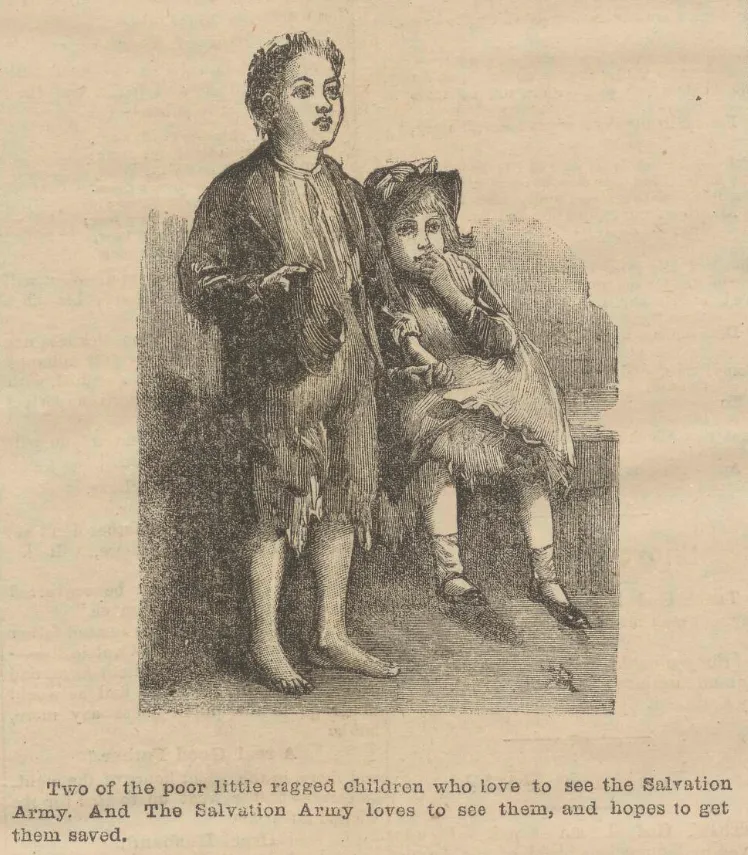
And this week, using the pages of the Young Soldier, we’ll shine a light on children’s voices from the Victorian era, as the newspaper was a place for young members of The Salvation Army to share their thoughts, opinions, and experiences.
Register now and explore The Archive
The birth of the Young Soldier
The Salvation Army traces its roots back to East London in 1865, when it was founded by William and Catherine Booth. The organisation, some years later in 1879 established its main periodical, the War Cry. In April, we added the years 1879 to 1985 of this title to our collection, and now, we’re delighted to bring you the junior version of the evangelical newspaper, the Young Soldier.
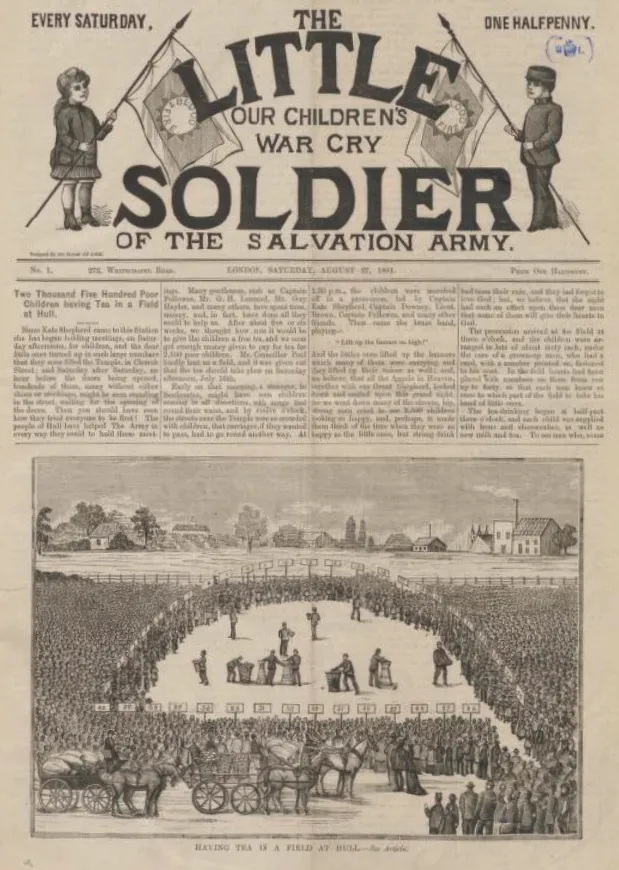
First published on 27 August 1881, priced at one halfpenny, as the Little Soldier, the debut edition featured a depiction of ‘two thousand five hundred poor children having tea in a field in Hull.’ With the subtitle of ‘Our Children’s War Cry,’ the paper was designed to appeal to young readers, and its original masthead was even designed by a 12-year-old child.
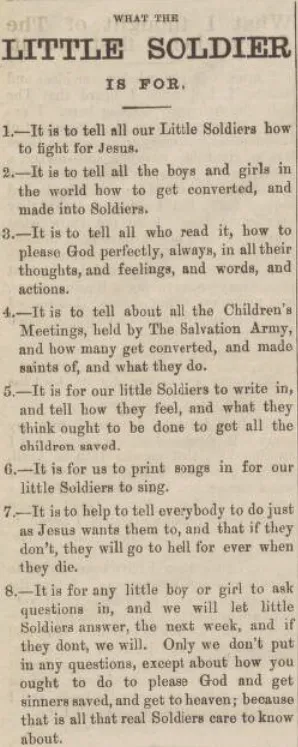
Meanwhile, the debut edition of the Young Soldier listed out the eight reasons as to why it was published, the penultimate point being particularly fear inducing:
- It is to tell our Little Soldiers how to fight for Jesus.
- It is tell all the boys and girls in the world how to get converted, and made into Soldiers.
- It is to tell all who read it, how to please God perfectly, always, in all their thoughts, and feelings, and words, and actions.
- It is to tell about all the Children’s Meetings, held by The Salvation Army, and how many get converted, and made saints of, and what they do.
- It is for our little Soldiers to write in, and tell how they feel, and what think ought to be done to get all the children saved.
- It is for us to print songs in for our little Soldiers to sing.
- It is to help to tell everybody to do just as Jesus wants them to, and that if they don’t, they will go to hell for ever when they die.
- It is for any little boy or girl to ask questions in, and we will let little Soldiers answer, the next week, and if they don’t, we will. Only we don’t put in any questions, except about how you ought to do to please God and get sinners saved, and get to heaven; because that is all that real Soldiers care to know about.
As we shall explore, the Young Soldier became a fascinating mouthpiece for young children. And alongside letters and pieces penned by young members of The Salvation Army, the paper printed religious advice pieces, reports of Salvation Army work with children all over the country, and songs for children to sing.
The Young Soldier grows
Edited initially by George Scott Railton, who was the first editor of the War Cry, the Young Soldier was then edited by pioneer of Salvation Army children’s work, John Roberts. Following John Roberts in the post from 1885 was the first of many female editors of the Young Soldier, Staff-Captain Vitty Ward.
Filling eight pages, on 7 January 1888 the title changed its name to the Young Soldier. By the early 1890s, the publication was selling some 110,000 copies a week. And then, from 5 January 1895 onward, the size of the Young Soldier was doubled to sixteen pages, although the reasonable halfpenny price tag remained put.
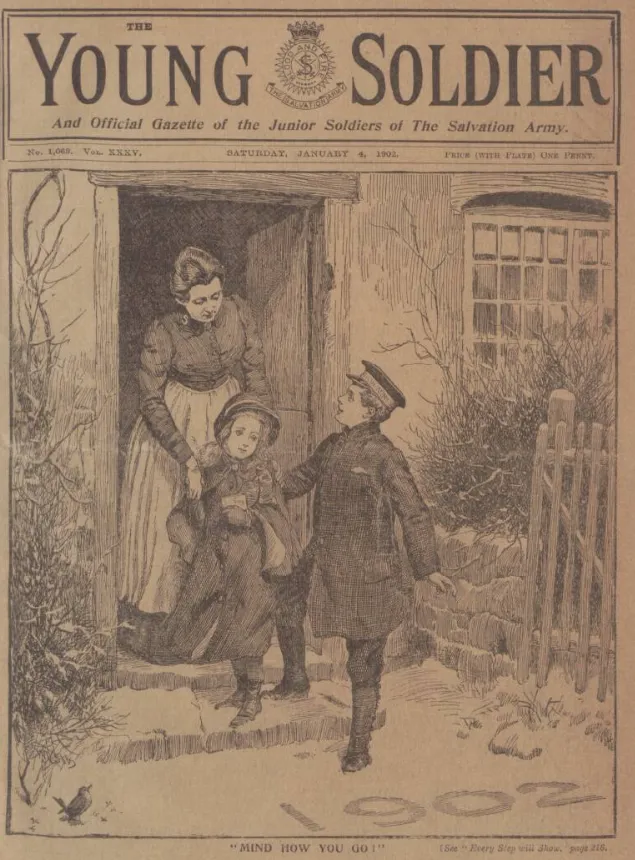
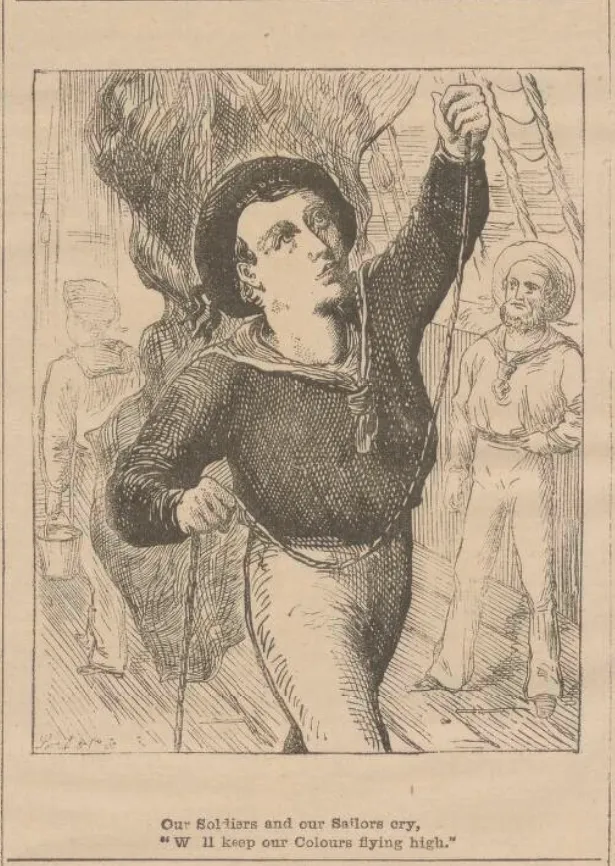
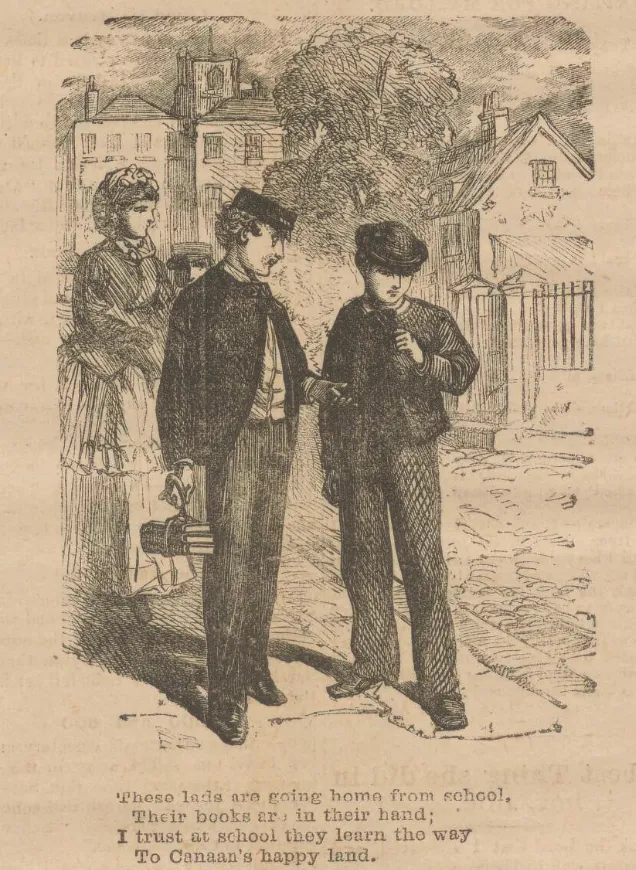
By the turn of the century, the Young Solder was richly illustrated, providing Bible stories, news and notes for Corps Cadets, and the Young Soldier ‘Roll of Honour.’ The ‘Roll of Honour’ published the names and locations of those young Salvation Army members selling copies of the Young Soldier, alongside how many copies they had managed to sell.
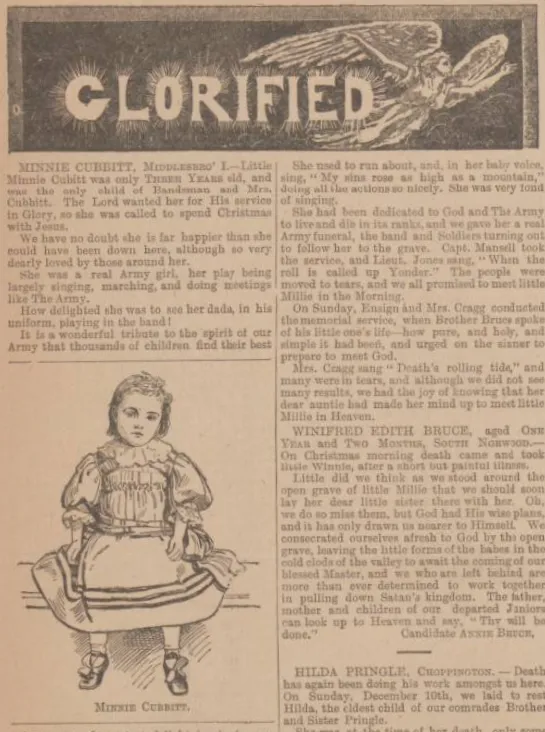
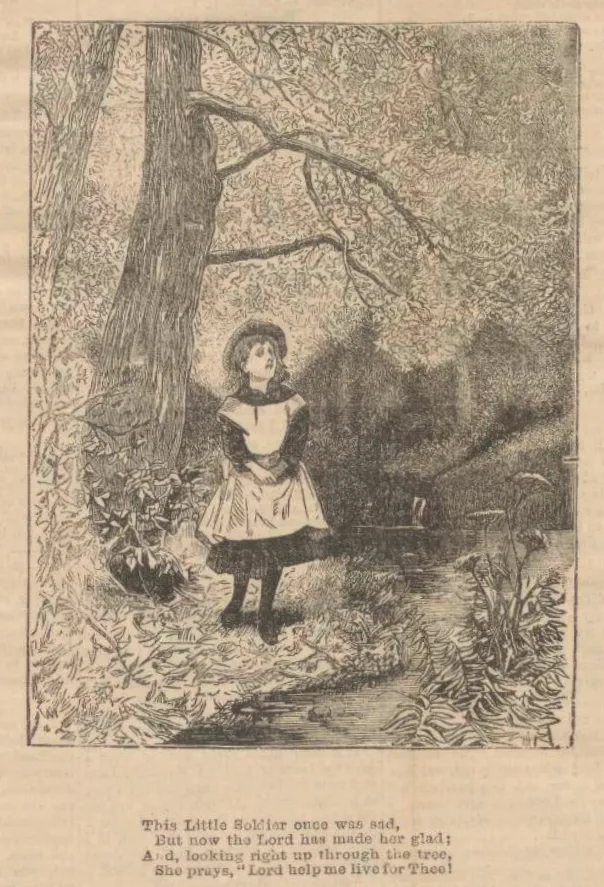
Alongside puzzles and competitions sat something that was rather more poignant. Under the ‘Glorified’ section of the Young Soldier, accounts were provided of junior Salvationists (known as ‘Little Soldiers’), who had died. Complete sometimes with illustrations, this section provides a moving glimpse into the grief of decades ago, a testament to young lives preserved forever through the pages of the Young Soldier.
The Young Soldier in the 20th century
By the 1920s, the Young Soldier continued to publish religious educational pieces, as well as printing articles about the history of The Salvation Army. It took a look at the work of The Salvation Army, for example printing pictures of ‘bonny babies’ from the Mothers’ Hospital, whilst featuring more general interest pieces such as ‘Dogs in Stories and Real Life,’ the ‘Amateur Gardener’ and ‘the Band of Love Sewing Lessons.’
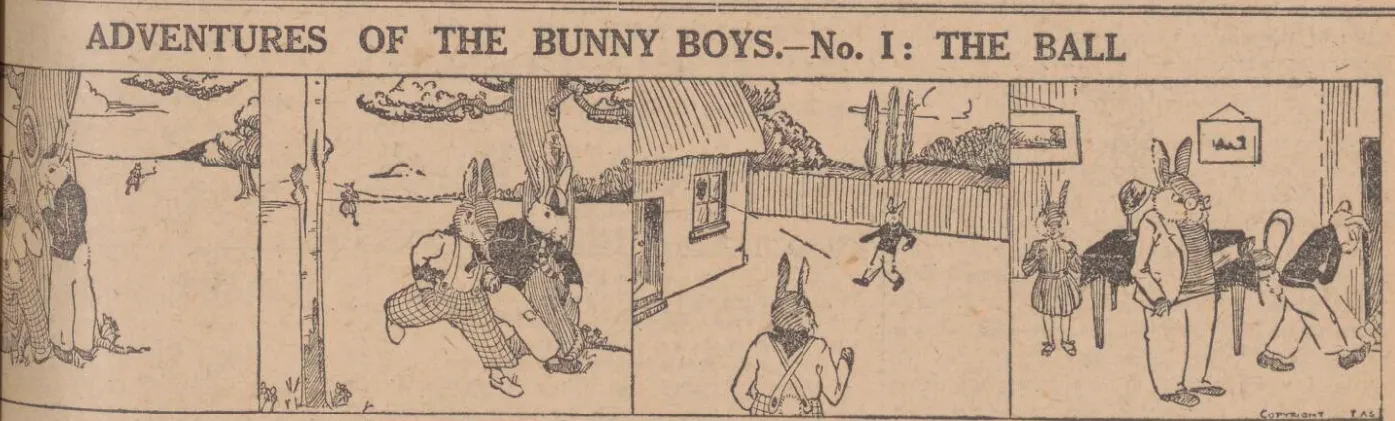
Now costing 1 d., in 1928 the Young Soldier began to publish its first comic strip, the ‘Bunny Boys,’ going on to develop more strip cartoons like ‘Peter of the Primary,’ ‘Alice at the Army,’ and finally, the long-running ‘Bram.’
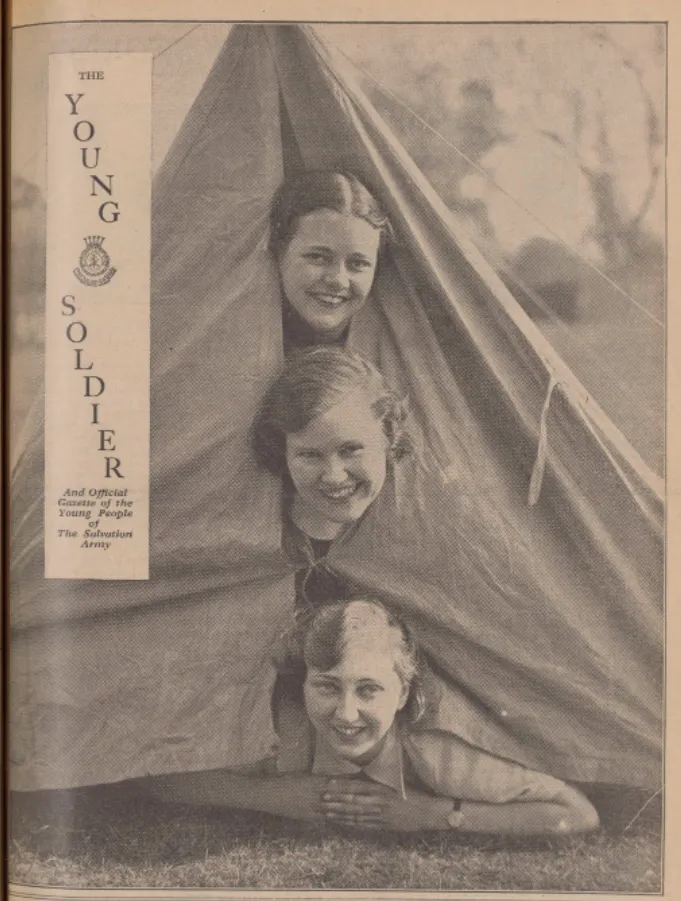
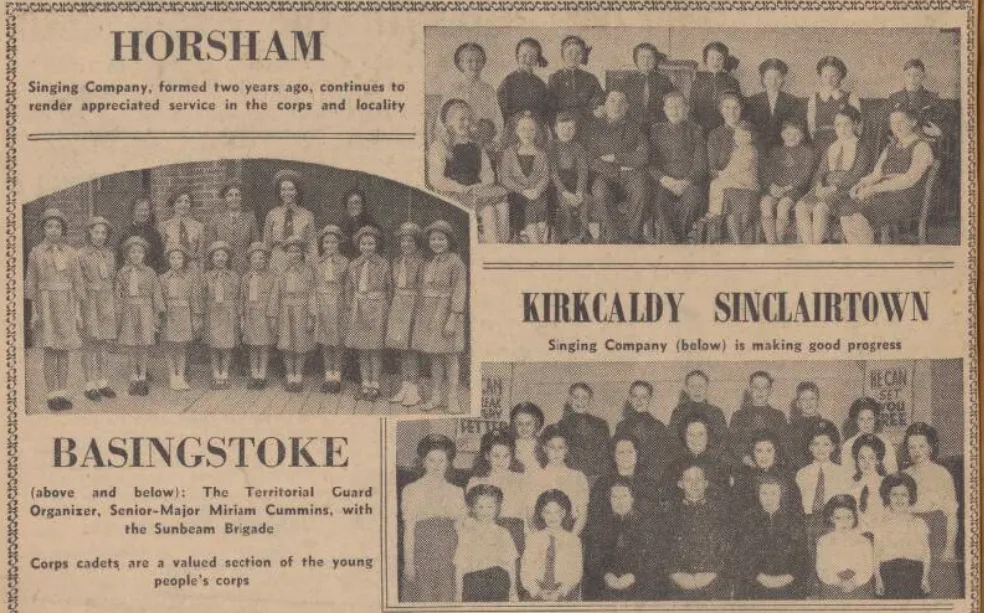
By 1950 the Young Soldier had reduced back down to eight pages, and now began regularly featuring photographs, alongside serialised fiction, such as the adventures of rabbit Angela Applecorn. The paper also featured glimpses of Salvationists’ work outside of the organisation, with Bandsman S.G. Walker, of Gorse Hill in Swindon, describing his work as a railway passenger guard. Meanwhile, the Young Soldier printed photographs of different corps from across the country.
By 1985 the Young Soldier was filling twelve pages, costing 11p. Bright and colourful, the publication featured comic strips, letters from readers, explanations of Bible stories, daily Bible readings, a notice board, as well as jokes and crosswords.
The Young Soldier is now known as Kids Alive!, and retails for 50p, with a circulation of more than 13,000 copies.
The Labour League Examiner
Our next new title was first published in 1874 as the Organ of the Amalgamated Labour League of Lincoln, Norfolk, Suffolk, Leicester, Derby, Notts, York, Salop, Hereford, Brecon &c. This organisation was originally founded in 1872 as the Lincolnshire Amalgamated Emigration and Migration Labour League, which was more succinctly known as the Lincolnshire Labour League.
However, as local unions of agricultural labourers were formed across Lincolnshire and then across the rest of the country, the Lincolnshire Labour League expanded its remit to represent agricultural labourers across Eastern England and beyond. With the founding of the National Agricultural Labourers’ Union (NALU) in Warwickshire in 1873, the Amalgamated Labour League was an alternative organisation, which by 1874 had over 15,500 members spread across 25 districts. It was in 1874 that the Labour League Examiner was founded.
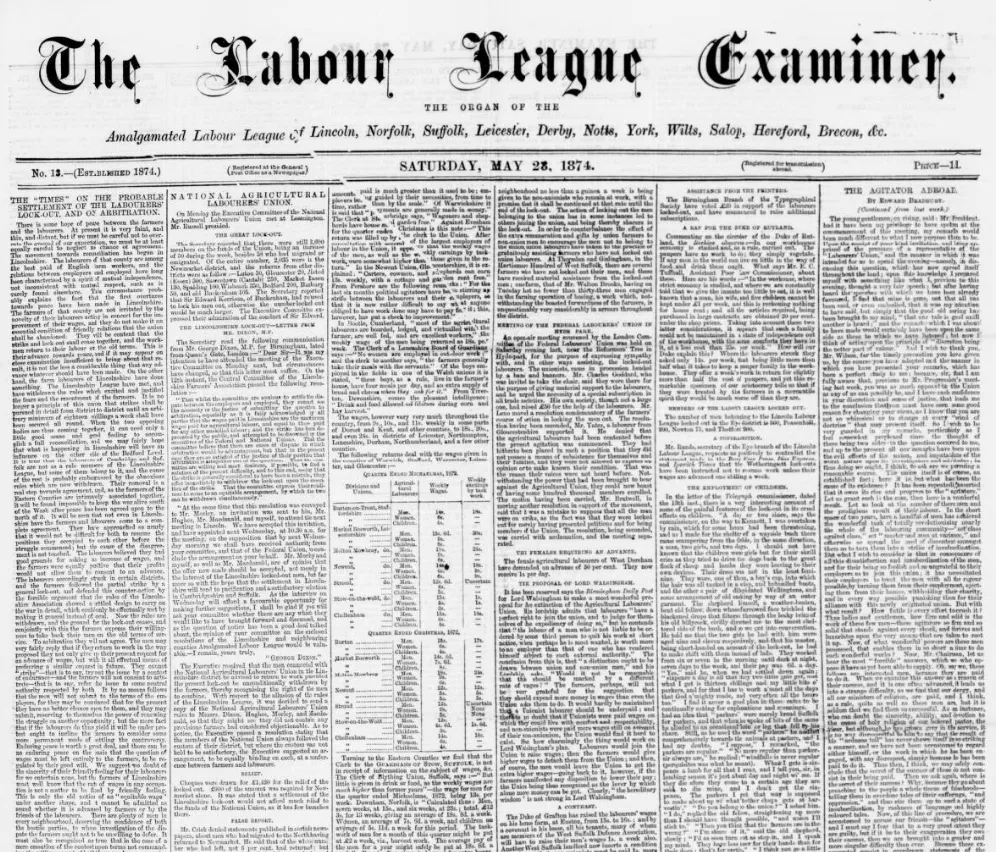
The Labour League Examiner was then the organ of the Amalgamated Labour League, and it was published in Boston, Lincolnshire, the heart of the movement. Filling four pages, and appearing every Saturday, the paper featured news on disputes in the agricultural industry, publishing articles with titles like ‘Facts, Fancies and Figures Relating to the Agricultural Labourers’ Lockout’ and ‘The Labourers are Not To Be Cajoled by the Farmers.’
Alongside such articles the Labour League Examiner printed notes by the General Secretary of the Labour League, with updates from the likes of Lincolnshire, Suffolk, Nottinghamshire, Yorkshire and Norfolk. The paper also published news from the London and country markets, alongside more general news.
On 9 July 1987, the Lincolnshire Standard and Boston Guardian noted how the Labour League Examiner ‘lasted for about 30 issues in 1874.’
The Nationalist (Clonmel)
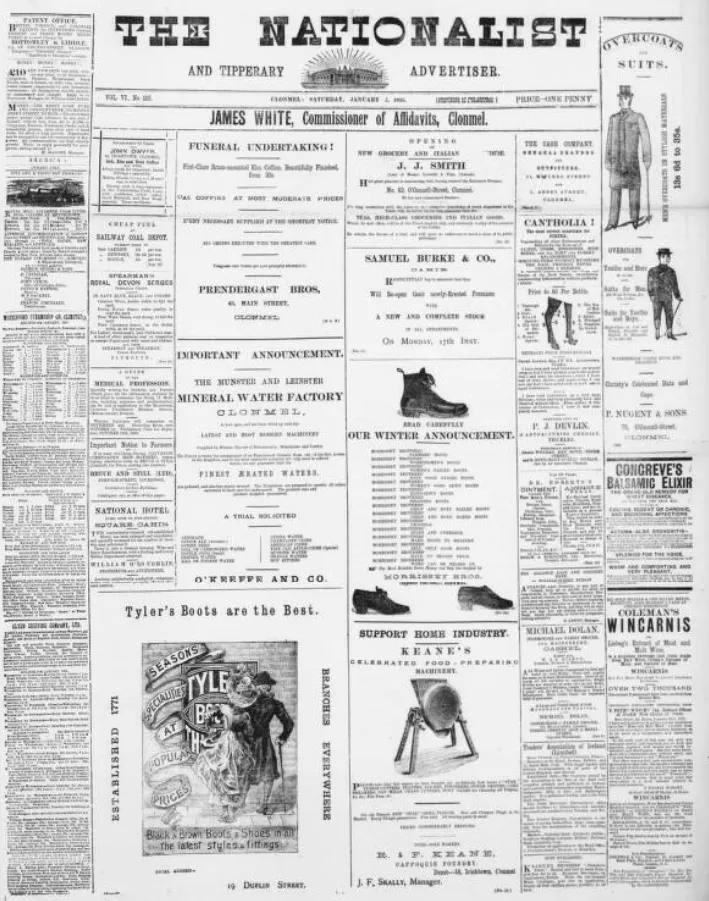
We travel to Ireland now for our next new title of the week, the Nationalist (Clonmel). Published in Clonmel, the county town of County Tipperary, the Nationalist was founded to represent the Irish nationalist community in the area.
Indeed, the paper’s first editor was jailed under a Coercian Act, on charges that he had intimidated a cattle dealer, after the dealer had taken a farm from which tenants had been evicted.
Published on Wednesdays and Saturdays, and costing 1 d., the Nationalist by 1898 had a circulation of some 7,000 copies. Filling four pages, you can find within its pages local news from Tipperary, including from the General Quarter Sessions of the Peace, as well as news of Tipperary natives from further afield, such as the tidings of the death of a Tipperary priest, the Rev. Richard O’Brien, in Augusta, Georgia.
With regards to the Nationalist movement, the paper printed a list of names of those who subscribed to the Clonmel Branch of the Irish National Federation.
During the Irish Civil War, the Nationalist supported the Anglo-Irish Treaty, which led to the paper being shut down by Séumus Robinson and the printing presses being badly damaged. The Nationalist is still in publication to this day.
The North Lonsdale Herald and Dalton Advertiser
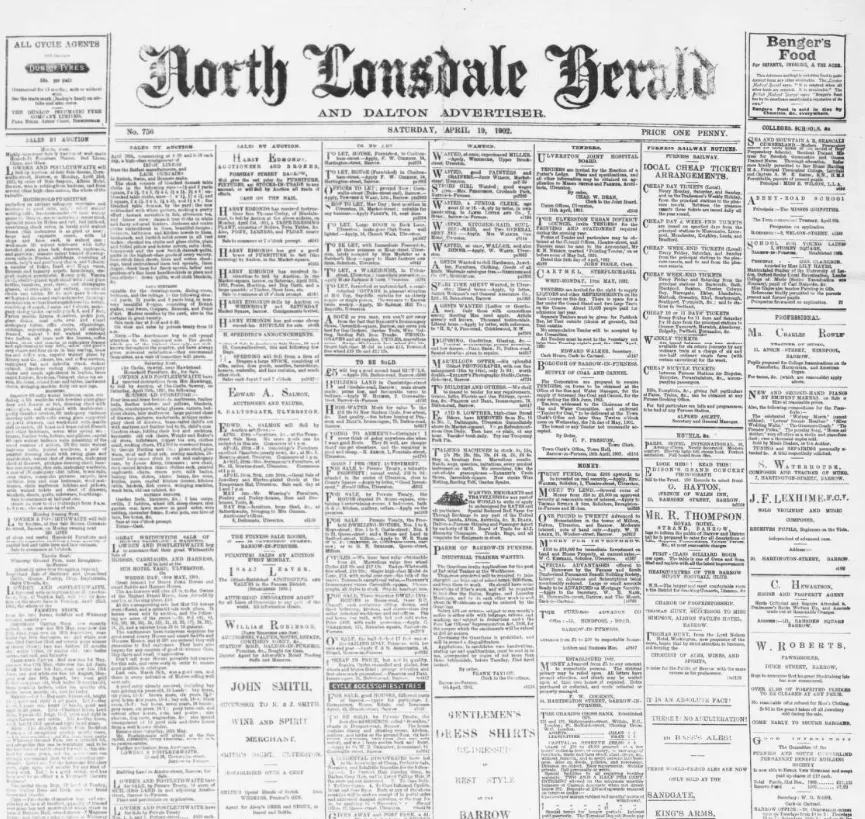
Our next new paper is the North Lonsdale Herald and Dalton Advertiser. This publication traces its origins back to sister paper the Barrow Herald, which was founded in 1863. Unionist in its politics, the North Lonsdale Herald and Dalton Advertiser was published in the market town of Ulverston, historically a part of Lancashire, which lies a few miles south of the Lake District National Park.
Appearing every Tuesday priced at one halfpenny, filling four pages, and again every Saturday, this time priced at one penny and filling eight pages, the North Lonsdale Herald and Dalton Advertiser was a lively mix of local news and special interest pieces. Browsing this title, you can discover the latest from the Dalton Urban Council, the Ulverston Urban Council, the Ulverston Board of Guardians, the Ulverston Police Court, and even from the Barrow Chess Club. The paper featured updates from the likes of Askam, Seascale, Broughton, Holker and Sawrey, whilst space was devoted to football notes, as well as news on other sports and pastimes.
Meanwhile, the North Lonsdale Herald and Dalton Advertiser printed serialised fiction, a ladies’ letter, poetry, correspondence, hints for housewives, and general news from home and abroad.
The People’s Conservative
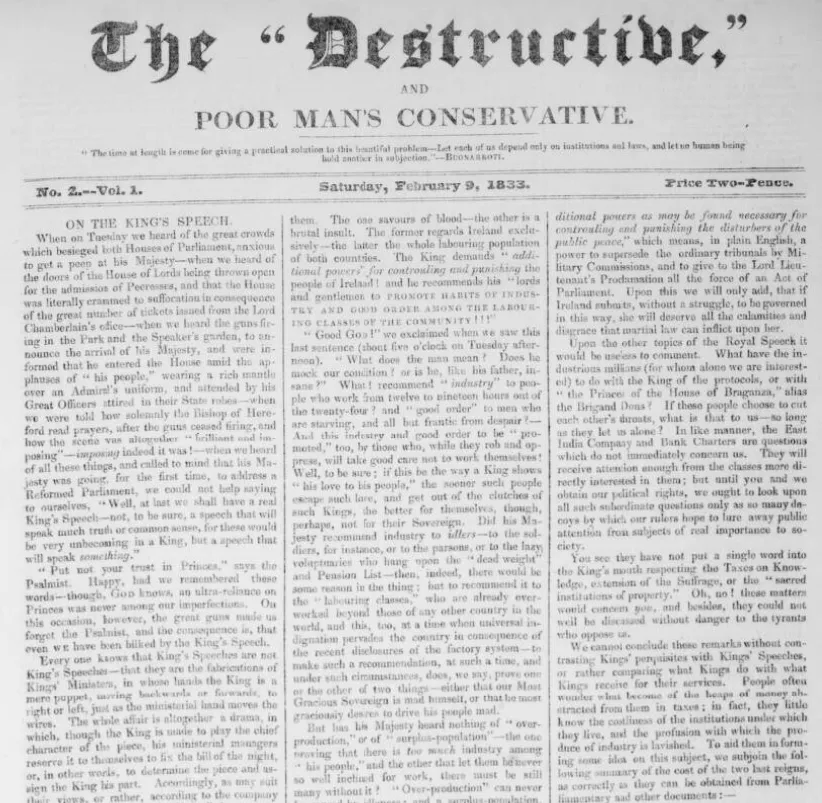
Our penultimate new title of the week is the People’s Conservative, which was a radical unstamped paper published by Henry Hetherington, who was also responsible for the publishing of the Poor Man’s Guardian. The People’s Conservative first appeared on 2 February 1833 in London with the title of the Destructive and Poor Man’s Conservative, the debut editorial explaining the reason behind the unusual moniker:
As to our title, suffice to say, that while we desire to be destructive of evil, we are still more zealous to be conservative of good…
A journal in defence of trade unions, the People’s Conservative was published with a quote by Italian revolutionary and social theorist Filippo Buonarroti (1761-1837), which would have left readers in no doubt as to its politics:
The time at length is come for giving a practical solution to this beautiful problem – let each of us depend only on institutions and laws, and let no human being hold another in subjection.
To these ends, the People’s Conservative published articles with strident titles like ‘Barbarous Treatment of Slaves’ and ‘Disgusting Hypocrisy of the Saturday Magazine, the Organ of the ‘Religious’ Tract-mongers,’ alongside more general news.
Because the title was unstamped, that is to say, a tax was not paid upon it, newsagents could find themselves in hot water for selling it. On 29 June 1834 Bell’s Weekly Messenger reported how James Watson was summoned to the Stamp Office, ‘charged…with selling an unstamped publication called the People’s Conservative.’ Watson was found guilty, and fined the full penalty of twenty shillings, about £13 in today’s money.
The Walthamstow Chronicle and Leyton Intelligencer
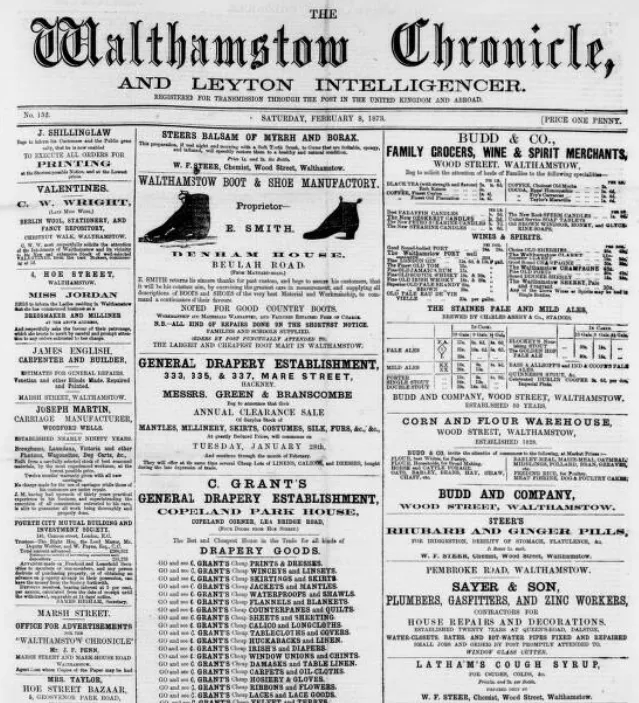
Our final new title of the week is the Walthamstow Chronicle and Leyton Intelligencer, which was established in Walthamstow, historically a part of Essex and now part of East London, in 1870. Appearing every Saturday at the cost of 1 d., this title filled eight pages, and reported mainly on general news, or what it dubbed ‘Miscellaneous Intelligence – Home, Foreign, and Colonial.’
Neutral in its politics, the Walthamstow Chronicle and Leyton Intelligencer did publish news from the area, including updates from the West Ham Board of Guardians, alongside general interest pieces like ‘Gardening Operations for the Week.’
This title was later incorporated into the Walthamstown & Leyton Guardian, which went on to become the Waltham Forest Guardian. The Waltham Forest Guardian ceased publication in 2018.
Our updated titles
As ever, we have a feast of new pages added to our existing titles this week for you to enjoy. Leading the way are the over 35,000 brand new pages we’ve added to the Chester Chronicle, whilst over 27,000 brand new pages join the Llanelli Star. That’s not it for Wales either, with new pages being added to the Port Talbot Guardian.
Checking in with our Scottish newspapers, new pages have joined the Buteman, whilst over in the Republic of Ireland, new pages join the Cork Constitution and Dublin’s Commercial Journal. For those of you with an interest in the history of crime and policing, we’ve added new pages to the Police Chronicle, whilst if you’re interested in labour history and the iron trade in Birmingham, you’ll enjoy the new pages added to the Iron Trade Circular (Rylands’) and Hardware Weekly Messenger.
The voices of the Little Soldiers
What is very special about the Young Soldier is the platform it provides to children’s voices in a period of history where examples of such representation are limited.
The debut edition of the Young Soldier features examples of children writing in, but in the early days of the publication, correspondents were often anonymised, the paper explaining:
We shall not put anybody’s name into The Little Soldier, except Jesus Christ and the General’s, because we fear some little Soldiers might be proud when they saw their name in print, and we don’t want any of our Little Soldiers proud.
But still, the Young Soldier printed the words of their Little Soldiers, as they unburdened their thoughts and their feelings. Harry was one such correspondent to feature, and he had the priviledge of his first name being printed, although his last name was omitted. He wrote at his delight of having his own version of the War Cry, but being ‘only five years old,’ he couldn’t ‘read much yet.’ His note continued:
I do try hard to be a good boy, and I pray to God to help me, it is very hard to be quite good sometimes, and I get cross, and then I am sorry, but must go to Jesus oftener next week. I am at the sea-side now; and I hope there will be some pictures in the ‘Little Soldier’ that I can show them to the little children on the sands.
Of course, we must question the authenticity of such epistles, for although juvenile in language, Harry’s letter is impressive in its grammar.
Meanwhile, these letters had an instructive purpose, illuminating The Salvation Army’s work at bringing people to God. Take this one from thirteen-and-a-half-years-old Tom:
I belong to The Salvation Army at Whitechapel, and I mean to take in the Little Soldier. My father was a drunkard, and I took him to a Salvation meeting. He felt he was a sinner, and came to the penitent-form for Salvation. He went home nearly mad with joy, saying: ‘Jesus has licked the devil!’
Tom continues:
I go to school, and in our class there are two little boys who love Jesus, and the other boys are so bad we daren’t do much, but we have got them to stop swearing and listen to our asking God to forgive them and help us. We hope to get them to come with us to our meeting, and get them saved through Christ’s blood.
From its outset the Young Soldier also gave space to children writing about meetings, whether Children’s Meetings or Salvation Meetings. Under the heading ‘Our Little Soldiers’ War,’ the paper explained:
… we will print reports of Children’s Meetings, giving space always most to accounts written by children, or in language which they understand. And we are more pleased to hear of the Little Soldiers taking part in the ordinary meetings even than in special ones of their own, because we want Little Soldiers to be treated as in every way the brethren of the Big Ones.
These reports came from across the country, such as this one from an eight-year-old from Long Eaton:
I thank God I am saved, and I like the Salvation Army; I am glad it has come to Long Eaton. I do praise God that He sent His children out into the country to try to win souls for Jesus. I am a happy Little Soldier. There is a very nice Captain at Long Eaton. I like the Children’s Meetings very much, and I have spent some happy hours at the old Skating Rink. I am ready for Heaven that beautiful city above, to see Christ sitting upon His throne there.
These few poignant missives are just a sample of what can be discovered from the pages of the Young Soldier. They represent a fascinating intersection of religion and youth culture, at a time when the publishing and newspaper industries were identifying children as a viable market, with compulsory education leading to enhanced literacy rates.
Browse the pages of the Young Soldier to discover more voices from the Little Soldiers of the Victorian era and beyond.
New titles
Title | Years added |
1874 | |
1895-1896, 1899, 1902, 1906 | |
1895-1897, 1900-1910 | |
1833-1834 | |
1872-1876 | |
1881-1985 |
Updated titles
This week we have updated 22 of our existing titles.
You can learn more about each of the titles we add to every week by clicking on their names. On each paper’s title page, you can read a free sample issue, learn more about our current holdings, and our plans for digitisation.
Title | Years added |
1959-1966 | |
1926 | |
1894-1895, 1986, 1994 | |
2000, 2003-2005 | |
1848-1853, 1873-1874 | |
1921 | |
1877, 1886 | |
1888-1889 | |
1889 | |
2003-2004 | |
1874-1879 | |
Iron Trade Circular (Rylands’) and Hardware Weekly Messenger | 1887 |
1877 | |
2001-2005 | |
1902-1903, 1905-1911, 1913-1919 | |
1886-1888, 1890-1894, 1926-1928, 1931-1937, 1939-1941, 1946-1949 | |
1862-1864, 1868-1869 | |
1879, 1961-1966 | |
1878 | |
2000-2002 | |
1874-1888 | |
1874, 1892, 1899-1900 |
You can keep up to date with all the latest additions by visiting the recently added page. You can even look ahead to see what we’re going to add tomorrow.
More on this topic:
Share this article
About the author

Rose Staveley-Wadham
Newspaper Licensing Manager
Published on Tue, 30 June 2026.