Skip to content

Search the blog

Tag: recipesTag: otdTag: medical-history
This week at The Archive we are delighted to be joined by five fantastic new titles from across Britain and Ireland, as we turn the clock back 165 years to remember a devastating outbreak of yellow fever that swept through HMS Firebrand. That’s not all, as we’ve added a grand total of 100,308 brand new pages to our collection, with 29 of our existing titles being updated over the last seven days.So read on to discover more about our new and updated
We have a healthy dose of new titles for you at The Archive this week, as we welcome popular medical paper the Family Doctor and People’s Medical Adviser to our collection, alongside six other brand new titles. From a pictorial record of Birmingham in the 1880s, to an early 20th century motorcycle journal, from a Baptist newspaper to a title advocating housing reform, our new titles this week cater to an extraordinary range of interests.Meanwhile, overall, we’ve added 336,654 brand
This week at The Archive we are delving into the history of nursing with the addition of brand new title the Nursing Times, as we mark both the anniversary of Florence Nightgale’s birth on 12 May 1820, and the anniversary of Mary Seacole’s death on 14 May 1881. We’re also exploring an important part of the UK’s religious history this week, with the addition of what is thought to be the country’s first Muslim newspaper. In what is a bumper week, we’ve added a
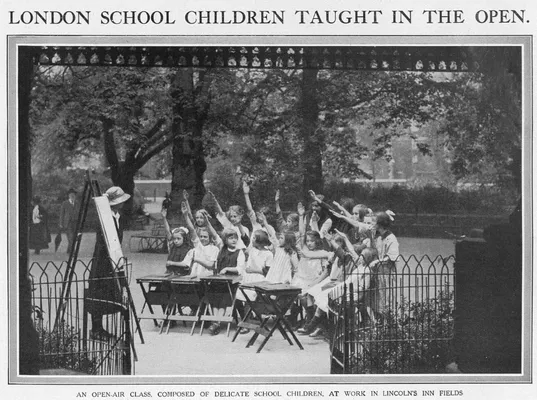
In the early 1900s British authorities took a new approach to education: open air schools. Inspired by methods of teaching in Germany, these open air schools were intended to provide disadvantaged city children with fresh air, alleviating their poor health and preventing the spread of tuberculosis.In this special blog, using newspapers taken from our Archive, we will investigate the open air schools of the 1900s, from their early inception, to how they continued to play a role in education
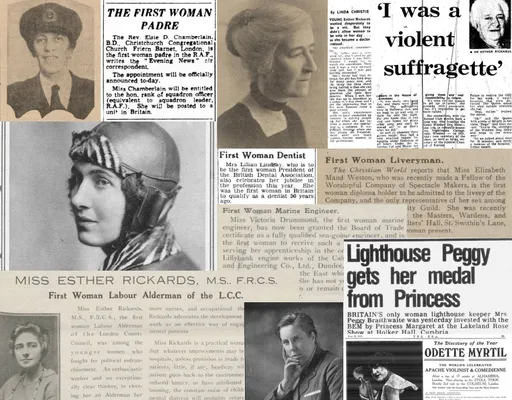
This March at The Archive we are celebrating inspiring women from history, who broke boundaries across different fields, whether they be medical, sporting, political and much more besides. We will be highlighting those inspiring women who broke the mould, and we will be showcasing the achievements of some lesser known women along the way, who deserve recognition for their trailblazing lives and careers.And in this special blog, we will be looking at ten inspiring women from history who you
This week at The Archive we have added 46,718 brand new pages to our collection, with three brand new newspaper titles joining us in all. Two of our new titles illuminate the pan-Africanism movement of the early twentieth century, telling the story of the struggle against British colonial rule. Meanwhile, our new title of the week hails from London’s East End.So read on to discover more about our new and updated titles of the week, as well as to find
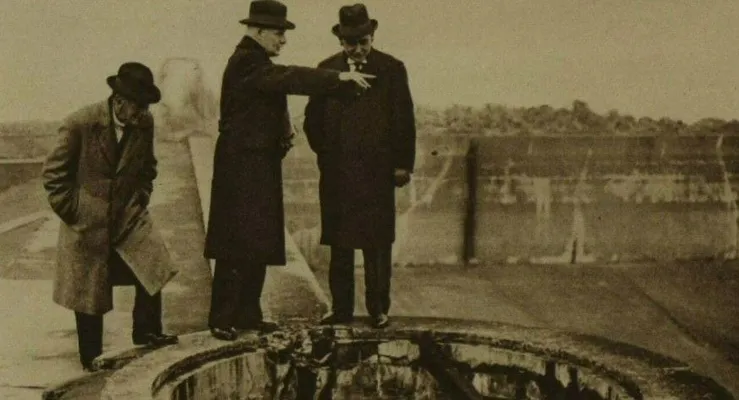
In late 1937 in the borough of Croydon, South London, people began to fall ill with typhoid. Typhoid is a disease that is associated with contaminated water and outbreaks of the illness, at least in the United Kingdom, is something that we might associate today with the nineteenth century, before an age of improved sanitation and safe supplies of drinking water.And so, in this special blog, we will take a look at how the Croydon typhoid epidemic gradually unfolded, as
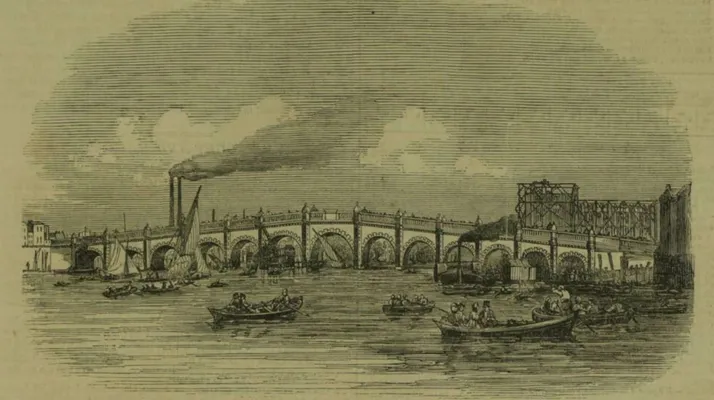
‘The foulest nuisance that ever disgraced the annals of a nation,’ the condition of the Thames in the summer of 1858 had reached a crisis point. Bloated with sewage and other effluence from the world’s second largest city, the Thames had become a ‘pestilential stream,’ emitting a putrid odour that was dubbed the ‘Great Stink.’Westminster Bridge | Illustrated London News | 21 October 1843In this special blog, we shall uncover the true state of the Thames, as it was in the June and
‘Plastic surgery, born in one war and perfected in another,’ had been practiced before the First World War, but it took this global conflict, and a second one, to develop plastic surgery as we know it today.The Sphere | 20 May 1933In this special blog, using newspapers taken from The Archive, we will trace the development of plastic surgery, from the work of Harold Gillies in the First World War, to its move into the cosmetic mainstream in the 1920s and
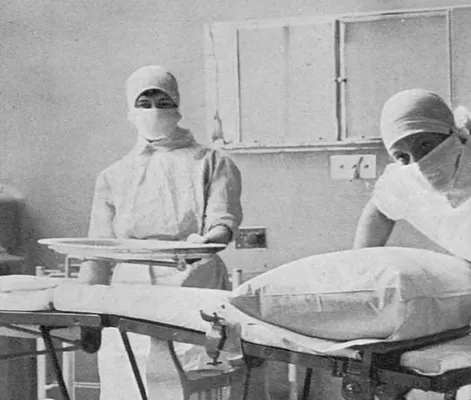
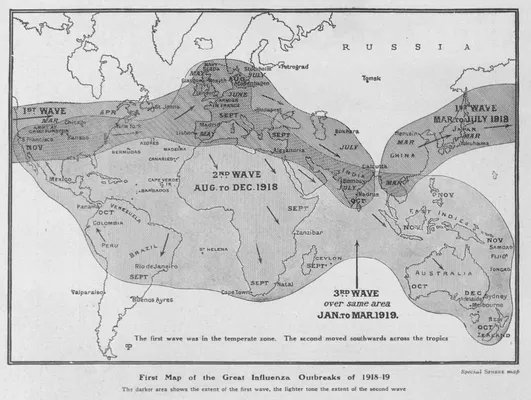
What began as rumours from Spain was soon to become a nightmarish reality, as the Spanish flu pandemic began to take hold in the United Kingdom, where it would go on to kill approximately 250,000 people, and 50,000,000 globally.Staff from the Michie Hospital | Graphic | 26 July 1919In this special blog, as part of medicine month on The Archive, we will take a look at how newspapers from the time reported on the deadly disease, from those first rumours, to the devastation it