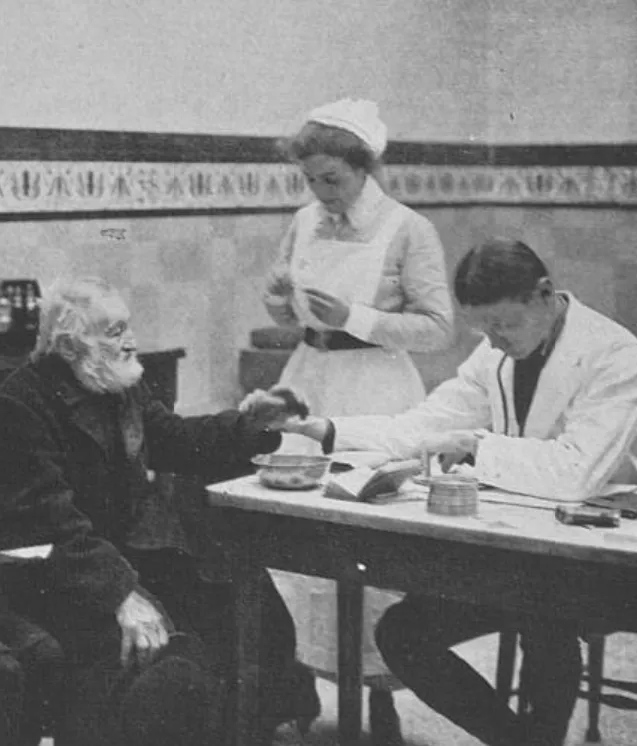

A healthy dose of new titles joins The Archive
Published on 8 June 2026 by Rose Staveley-Wadham
We have a healthy dose of new titles for you at The Archive this week, as we welcome popular medical paper the Family Doctor and People’s Medical Adviser to our collection, alongside six other brand new titles. From a pictorial record of Birmingham in the 1880s, to an early 20th century motorcycle journal, from a Baptist newspaper to a title advocating housing reform, our new titles this week cater to an extraordinary range of interests.
Meanwhile, overall, we’ve added 336,654 brand new pages to The Archive in all, as we also welcome updates to 31 of our existing titles from across the UK and Ireland. So read on to discover more about our new and updated titles of the week, and also to read replies to medical queries published in the Family Doctor and People’s Medical Adviser.
The Autocycle
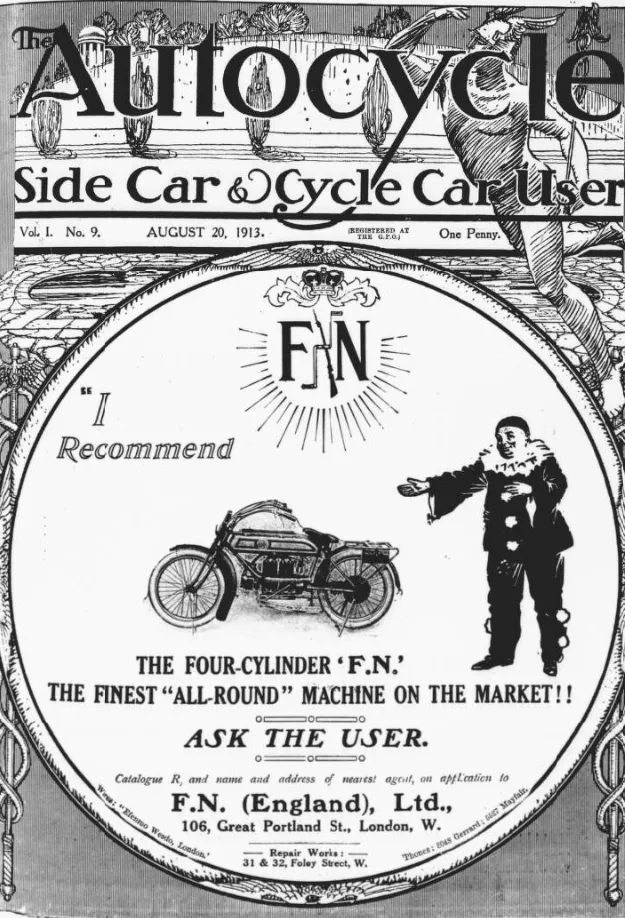
It’s appropriate we start our journey then with the Autocycle, as we imagine the motorcycle as our form of transport this week through our new titles. With an early inception of the title published on 19 March 1903, Autocycle began life properly on 25 June 1913, in a bold and bright fashion:
…the keynote of The Autocycle will be brightness. It is our view that there is room and to spare for a paper that will condescend to deal with motor cycling matters in a manner a little more human than that to which the motor cyclist has hitherto been accustomed. Our technical matter, our reports, our news, and our comment will be just as sound, just as authoritative, and just as accurate as if they were written in the heavy and unimaginative style we are wont to expect.
As the Morning Post noted a few months later on 8 August 1913, Autocycle was ‘launched under the editorship of Mr. E. St. Clair Duncan.’ The paper praised the new venture, describing how it was ‘carefully written and well produced,’ whilst anticipating it should be ‘of appreciable service to those who use either of the classes of machines embraced in its somewhat cumbrous title.’
Indeed, the full title of the new motorcycling publication was the The Autocycle, Side Car, and Cycle Car User. Appearing every week at the modest cost of one penny, Autocycle typically filled an impressive 36 pages. The title is a treasure trove of motorcycling history from the early 20th century, with a particular focus on motorcycle clubs across the country.
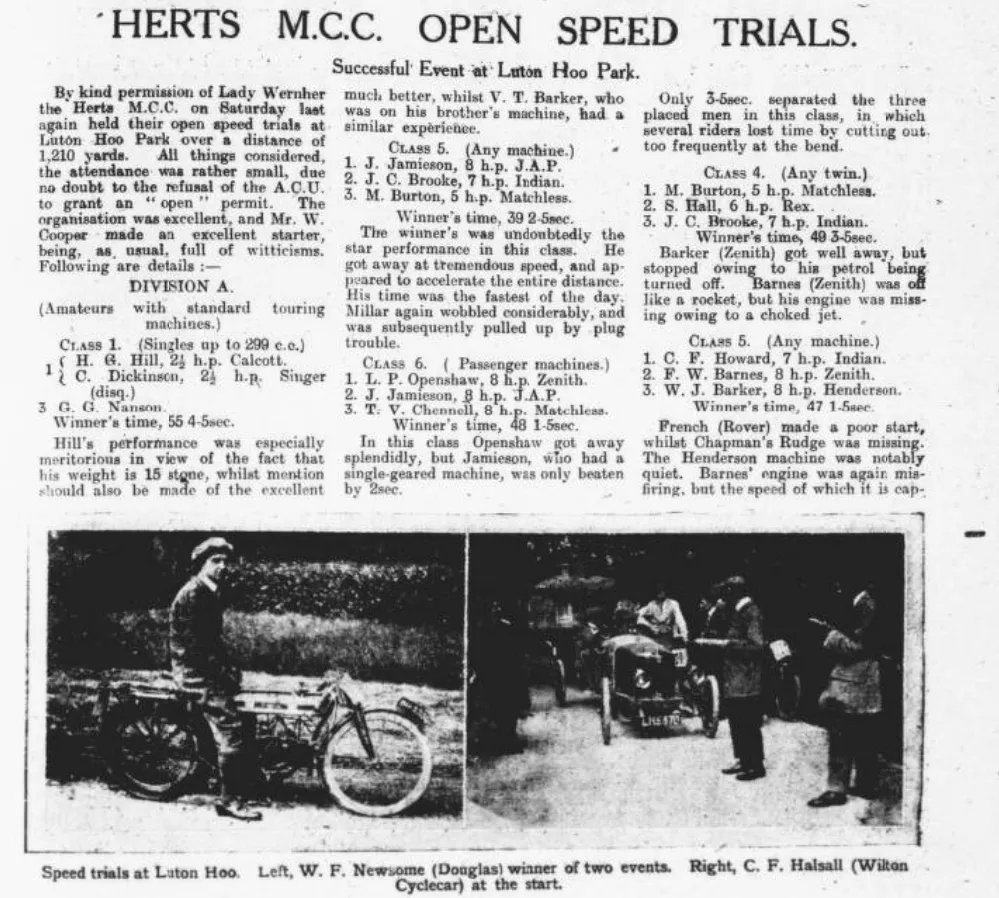
For example, the paper printed a section entitled ‘A Symposium by Motor-Cycle Club Secretaries,’ where ‘ways and means for improving and brightening club life’ were discussed, alongside photographs of the secretaries themselves. Autocycle also rigorously covered the meetings of motorcycle clubs, reporting on the likes of the Herts M.C.C. open speed trial and a meeting of Oxford M.C.C. with Mid-Bucks M.C.C.
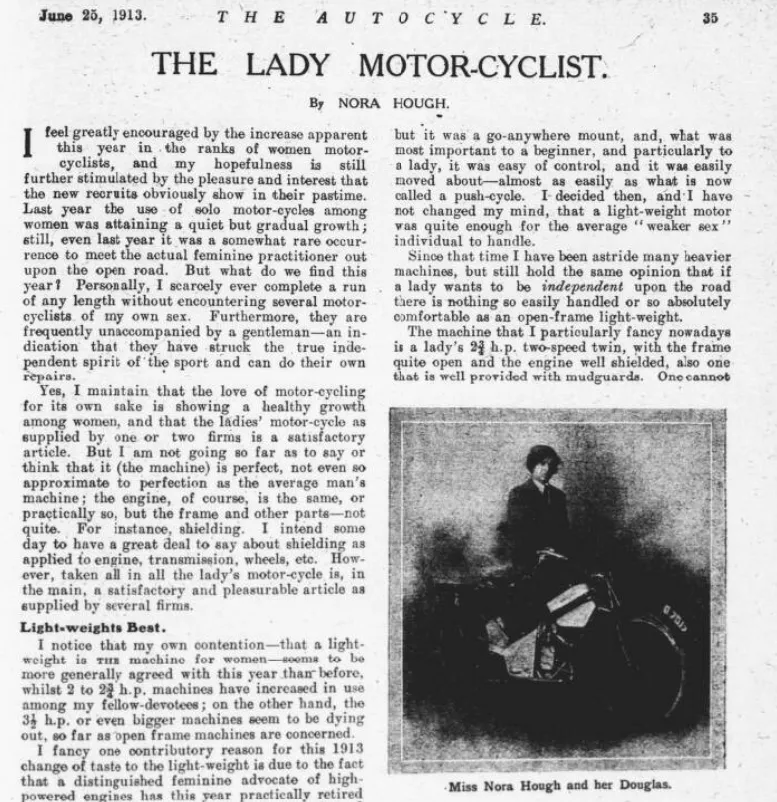
Furthermore, Autocycle featured a range of articles on the sport and hobby of motorcycling, with columns like ‘The Broad Highway,’ which centred on motorcyclists travelling in ‘open country.’ Within its richly illustrated pages, there were more technical articles to discover, alongside descriptions of racetracks, a woman’s column entitled ‘The Lady Motor-Cyclist,’ which was penned by Nora Hough.
A love letter to motorcycling in its early days, Autocycle, which was produced in London, features extensive advertisements for motorcycling accouterments, alongside ads for motorcycles that were for sale.
The Birmingham Graphic
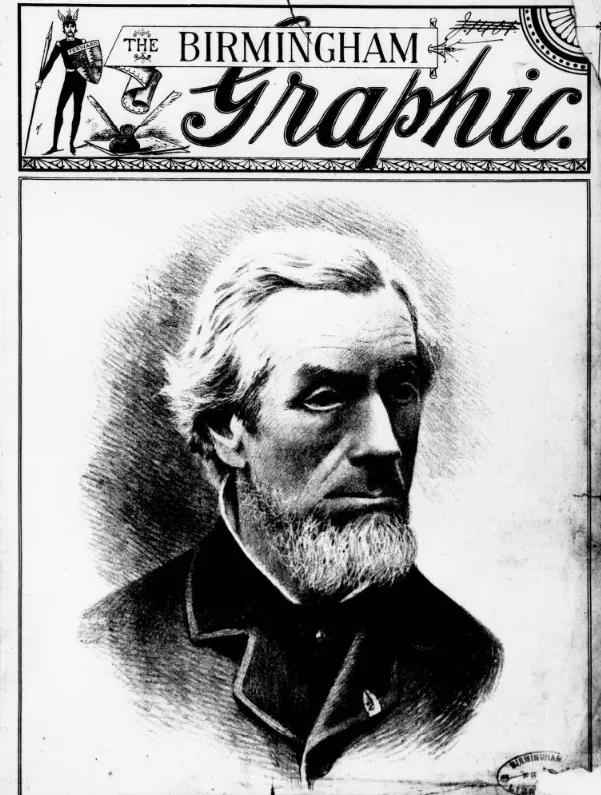
Travelling now to Birmingham, and we’re delighted to introduce ‘penny illustrated paper’ the Birmingham Graphic to our collection. Established in early 1883, the Birmingham Graphic appeared every Wednesday, filling eight pages.
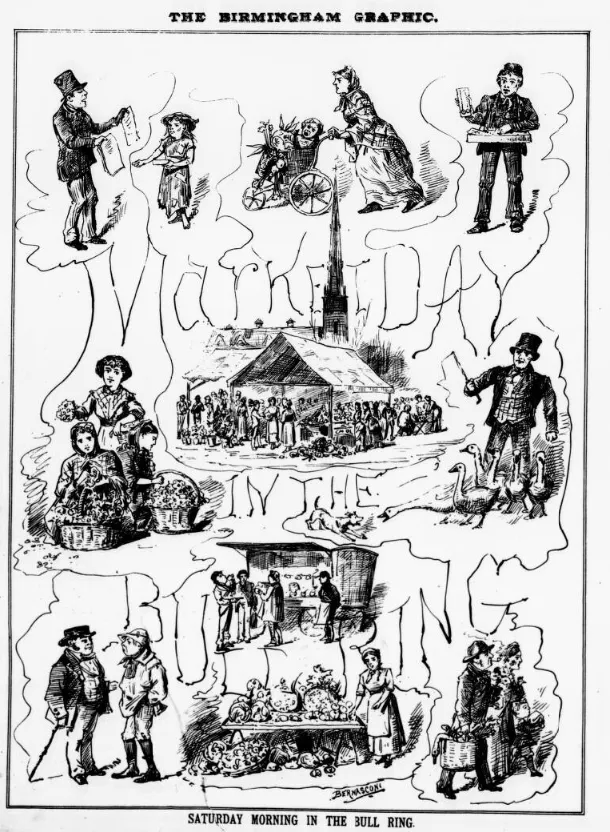
Illustrated throughout, the Birmingham Graphic featured a series of ‘Present Day Portraits’ on its front page, which depicted notable Birmingham personalities, like the Mayor of Birmingham. Other illustrations in the Birmingham Graphic depicted scenes from Birmingham life, like the below drawing of market day at the Bull Ring, which was accompanied by a lengthy description. The publication also printed pictures of notable athletes, scenes from Birmingham theatre productions, and caricatures of contemporary celebrities.
Aside from illustrations, the Birmingham Graphic published a prize competition, serialised fiction, and poetry. However, by September 1883 it seemed all was not well in the world of the Birmingham Graphic, the Bookseller reporting on the dissolution of the partnership between Gilbert and Summers, the ‘Proprietors and Publishers of the Birmingham Graphic.’
The Dalry & Kilbirnie Herald and Vale of Garnock News
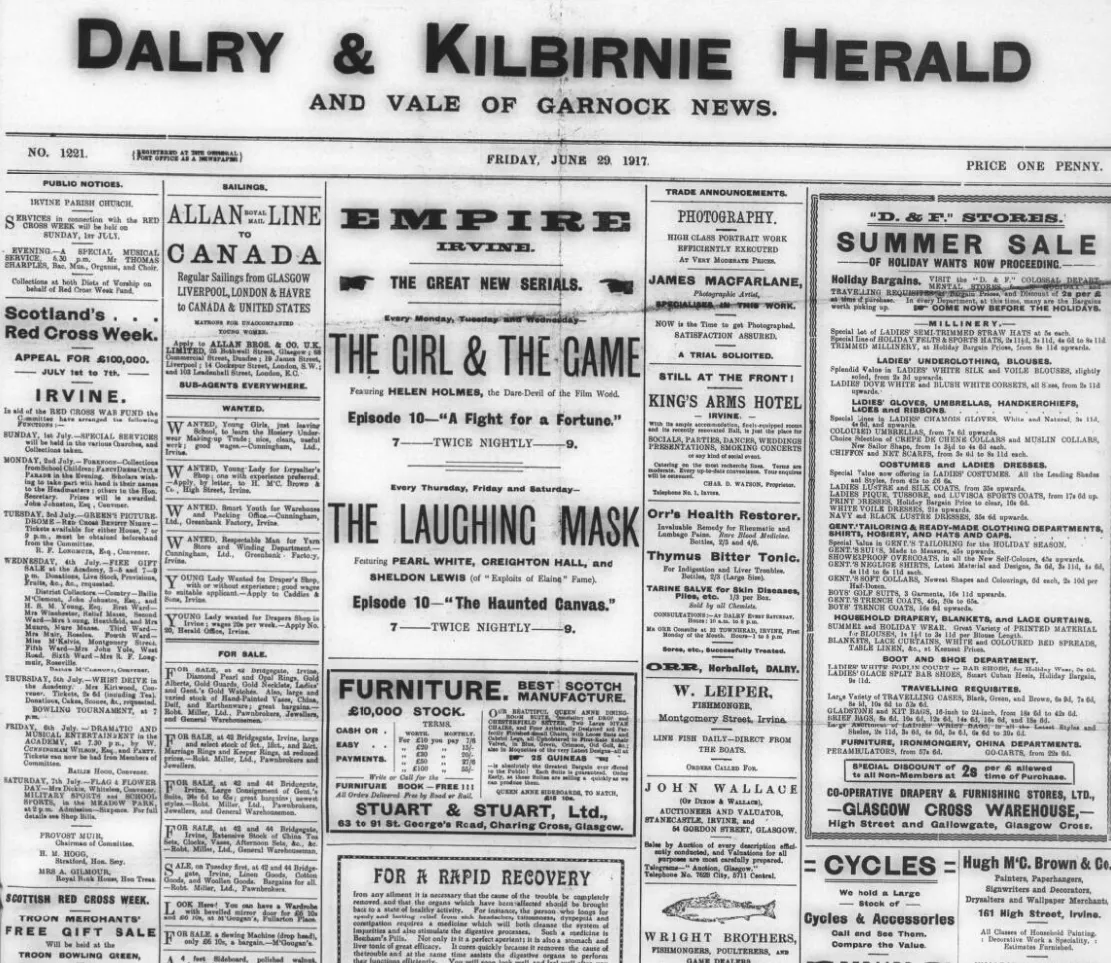
We’re off to Scotland now with the introduction of North Ayrshire title the Dalry & Kilbirnie Herald and Vale of Garnock News, which was published in the town of Dalry. First appearing on 1 June 1894, this Scottish paper, which was part of the Irvine Herald series of newspapers, was strident in its politics, its debut editorial announcing how:
Having been convinced for some time past that Unionist Part in North Ayrshire has suffered to some considerable extent from the want of a recognised organ in which to advocate its principles, and having been assured of the support and countenance of influential adherents of the party in the neighbourhood we were encouraged to seriously consider the availability of instituting a newspaper which would fittingly fulfil this end we had in view.
Unsurprisingly Unionist therefore, which reflected the combining of Conservative and Liberal Unionists in Scotland, in a bid to deny Irish Home Rule, the Dalry & Kilbirnie Herald and Vale of Garnock News appeared every Friday, priced at 1 d. As well as being ‘a consistent advocate of the Cause of Unionism,’ this paper promised to feature ‘from week to week items of literary and general interest; up-to-date and faithful recitals of all public meetings and district news, while several columns will be devoted to a serial story and sketches of an interesting and instructive character.’
The paper was true to its promise, as it published a lively mix of poetry, serialised fiction, a section for ‘Young Folks,’ and a ‘Ladies’ Column,’ alongside specialist reporting on football, health issues and agriculture. Meanwhile, the Dalry & Kilbirnie Herald and Vale of Garnock News printed news from the local area, from the likes of Dalry, Irvine, Kilbirnie, Troon, Kilwinning, Kilmarnock, and Ayr, whilst including the latest from the Irvine Burgh Police Court.
The Family Doctor and People’s Medical Adviser
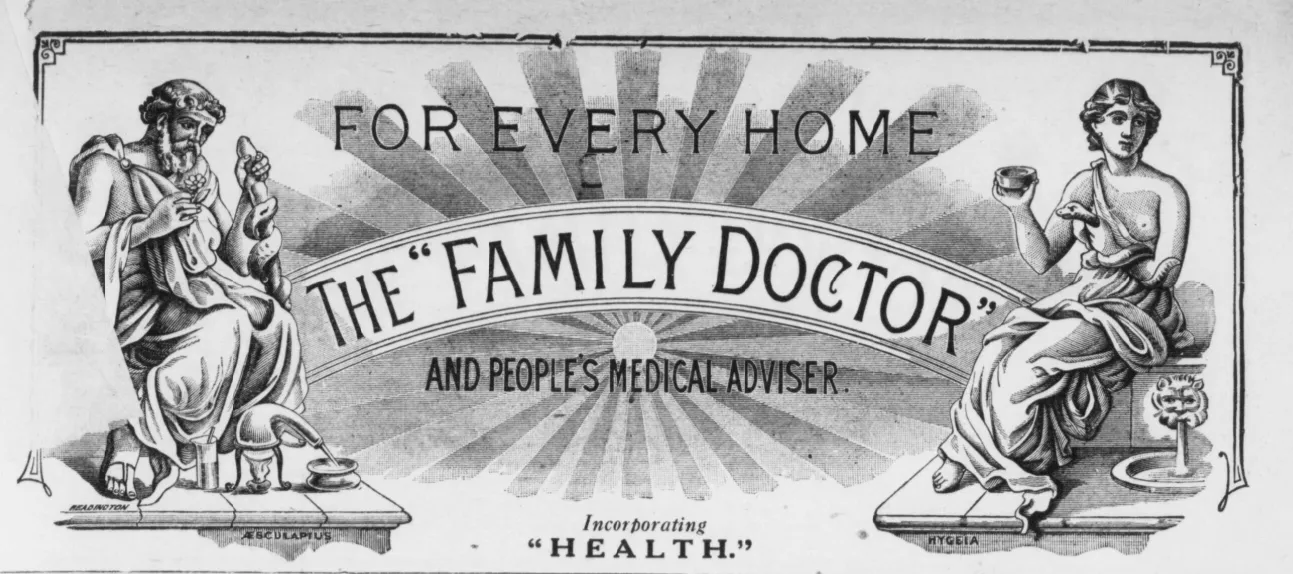
We return to London now as the Family Doctor and People’s Medical Adviser makes its entrance. First published on 7 March 1885 by George Purkess, this title was intended to provide medical advice ‘for every home.’ Indeed, as one Victorian advertisement read:
There is no paper so indispensable to the Homes of the People as The Family Doctor and People’s Medical Adviser. Those who once read this feel that home is not complete without it. Everyone looks forward to its weekly visits, and if they are disappointed a void is felt. For Sunday readers it forms alike a most readable, interesting, and withal a most valuable companion for the Household.
Just like the impossible claims of medical remedies of the time, the Family Doctor and People’s Medical Adviser promised to treat ‘every ailment affecting the home.’ Appearing every Saturday, priced at one penny, the title featured ‘special articles bearing upon the health of the household,’ which were ‘written by authorities of the highest standing in a language all might understand.’
As special perk for buyers of the Family Doctor and People’s Medical Adviser, its purchasers were ‘entitled to free advice upon any and every subject concerning personal health by fully qualified medical practitioners.’ Thus saving ‘medical expenses,’ readers of the paper could also enjoy a range of recipes and a column devoted ‘to the Mother and Child.’
Having apparently ‘the largest circulation of any medical paper in the world,’ Paul R. King and Franz Manni in their paper ‘Cultural Transition in the West: The Case of the Resurrection of Body Piercing in the Twentieth Century,’ describe how the Family Doctor and People’s Medical Adviser:
…offered free medical advice, published editorials on then cutting-edge-sciences, such as phrenology, and the physiological problems of corsetry, and had a robust correspondence section where readers could write in with questions or to share their expertise on the most popular, often salacious subjects, such as high stiletto heels, tight-lacing, cross dressing, and on occasion, body piercing.
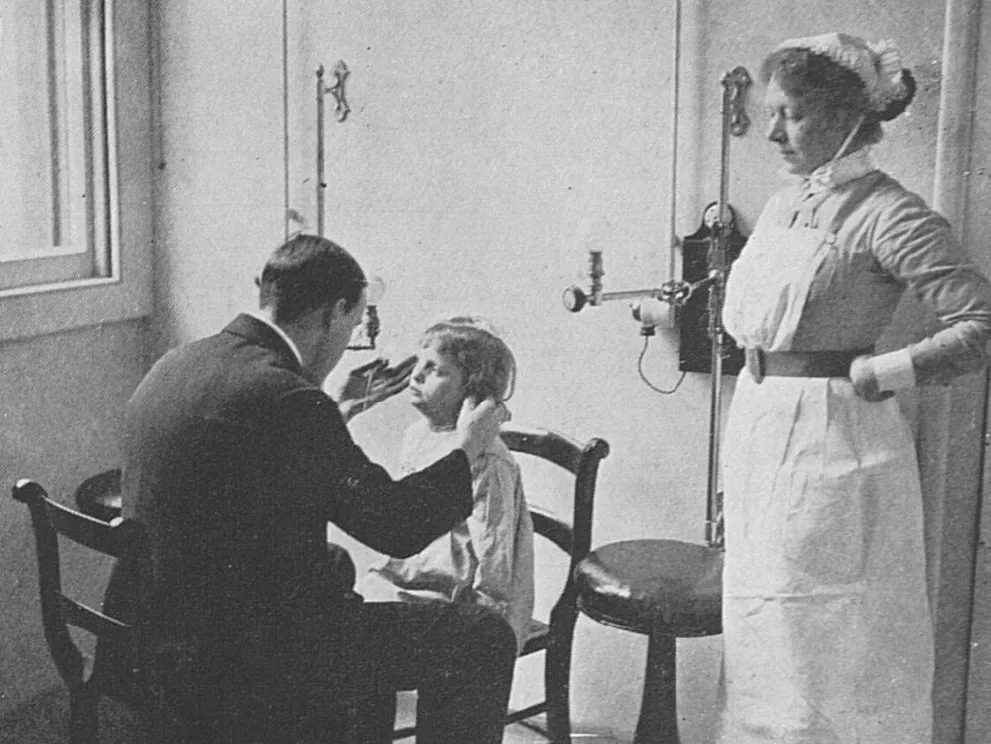
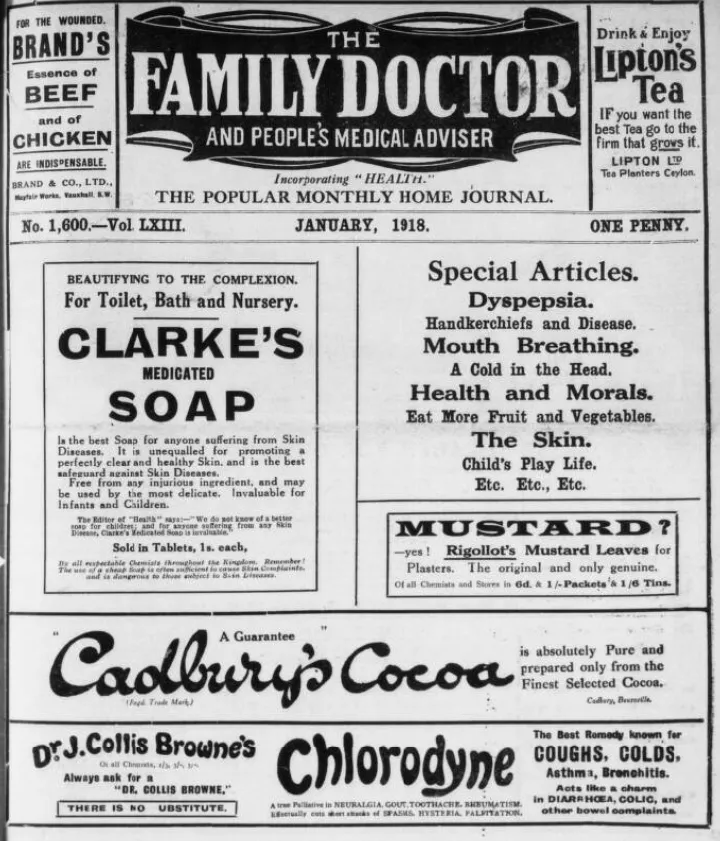
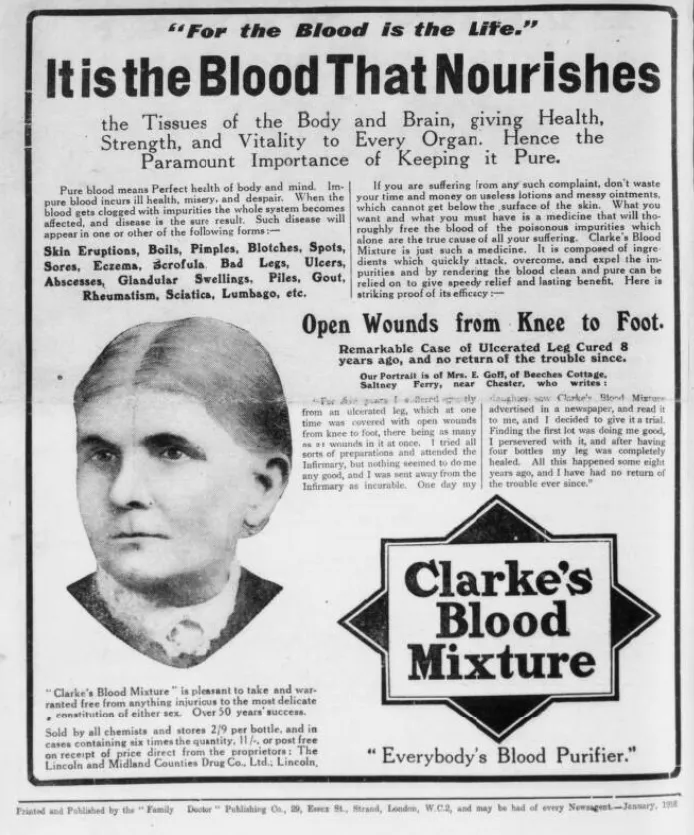
By 1918 the paper had become monthly, and it incorporated Health – ‘the popular monthly home journal.’ Still costing just one penny, the Family Doctor and People’s Medical Adviser filled twelve pages. Its editorial addressed issues such as ‘mouth-breathing,’ which was published alongside such articles as ‘The Significance and Treatment of Winter Coughs.’ Recipes remained a mainstay of the title, whilst a mother’s section still remained. Meanwhile, the Family Doctor and People’s Medical Adviser printed a column devoted to ‘interesting and scientific facts,’ and a page of replies to correspondents, which we shall dig into later, alongside a range of adverts for medical cures and products.
The Housing Journal
From health to housing now as we remain in London to welcome the Housing Journal, which was the organ of the Workmen’s National Housing Council. The Workmen’s National Housing Council was founded in 1898, and it was an advocacy group consisting of trade councils, trade unions and socialist societies, formed with the aim of campaigning for state-funded municipal housing.
Its organ, the Housing Journal, wasn’t itself founded until 1908. The new publication was reported on by London’s Daily News on 17 August 1908, the article describing how:
Latest on the lengthening list of periodicals which deal with various departments of social reform is ‘The Housing Journal,’ published monthly ‘to interest and instruct the public in all matters relating to the better housing of the people.’ No. 1 shows that the paper is essentially popular in style, and does not intend to make any bid for the patronage of the expert. Such well-worn themes as Letchworth Garden City and the Ealing Tenants Estate are developed at some length with the help of excellent illustrations, and there is an article on town planning reprinted from Mr. Nettlefold’s ‘Practical Housing.’
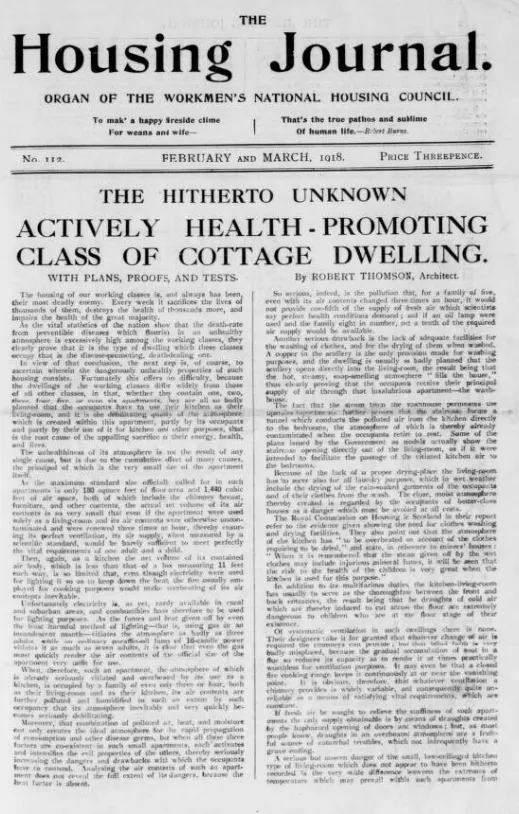
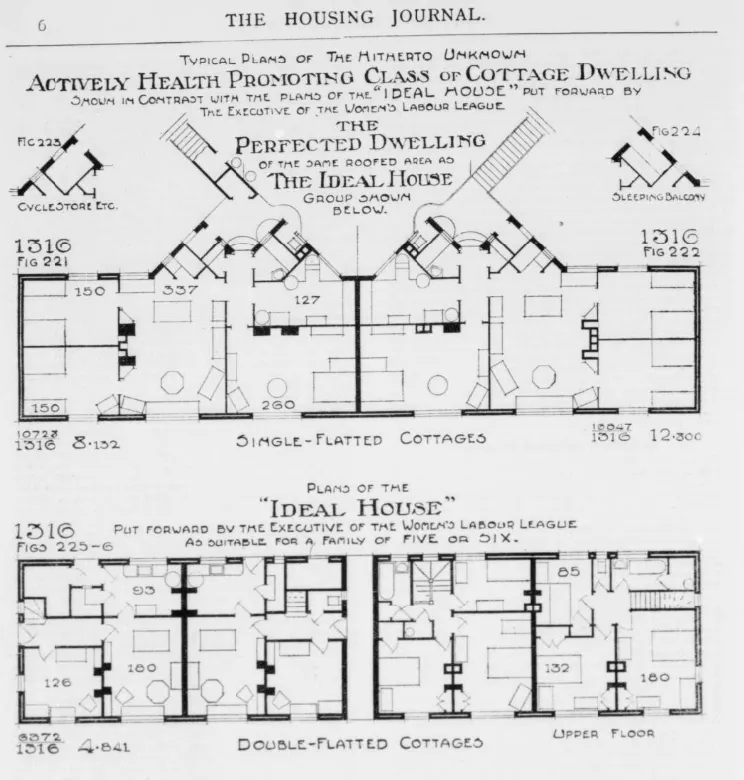
Costing some three pence, by 1918 publishing of the Housing Journal was somewhat sporadic, with the title appearing every few months. Filling eight pages, the title printed thorough investigations such as ‘The Hitherto Unknown Actively Health-Promoting Class of Cottage Dwelling’ by architect Robert Thomson (1864-1937). Indeed, Thomson’s report, which featured floor plans and illustrations, filled most of the Housing Journal, with the article running into the next issue. Meanwhile, the paper also printed notes from meetings of the Workmen’s National Housing Council.
The Pontefract Telegraph
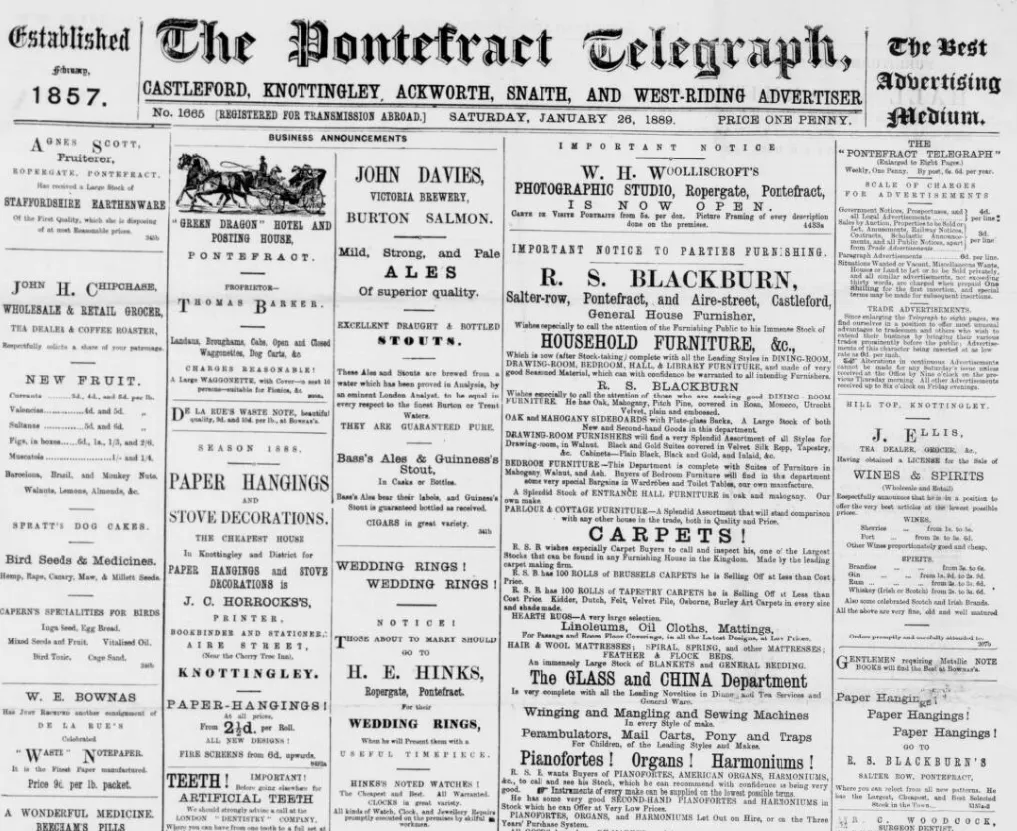
Our penultimate new title of the week is the Pontefract Telegraph. Published in the historic West Yorkshire town of Pontefract from 1857 onward, the Pontefract Telegraph was Liberal in its politics. Dubbing itself a ‘family newspaper,’ it filled some four pages, appearing every Saturday at the price of 1 d.
A mix of international, national and local news, the Pontefract Telegraph printed ‘Local Intelligence’ and ‘District Intelligence’ from the likes of Methley, Ackworth, Norton, Halifax, Knottingley, and South Elmsall, whilst its ‘Latest News’ and ‘Epitome of News’ sections were devoted to updates from further afield.
The paper, meanwhile, kept a key eye on the markets, reporting on the corn and cattle markets at Wakefield, and potato and provisions markets at Leeds. Furthermore, the Pontefract Telegraph printed ‘clippings from American papers,’ a review of ‘foreign affairs,’ and a local railway timetable.
The Baptist
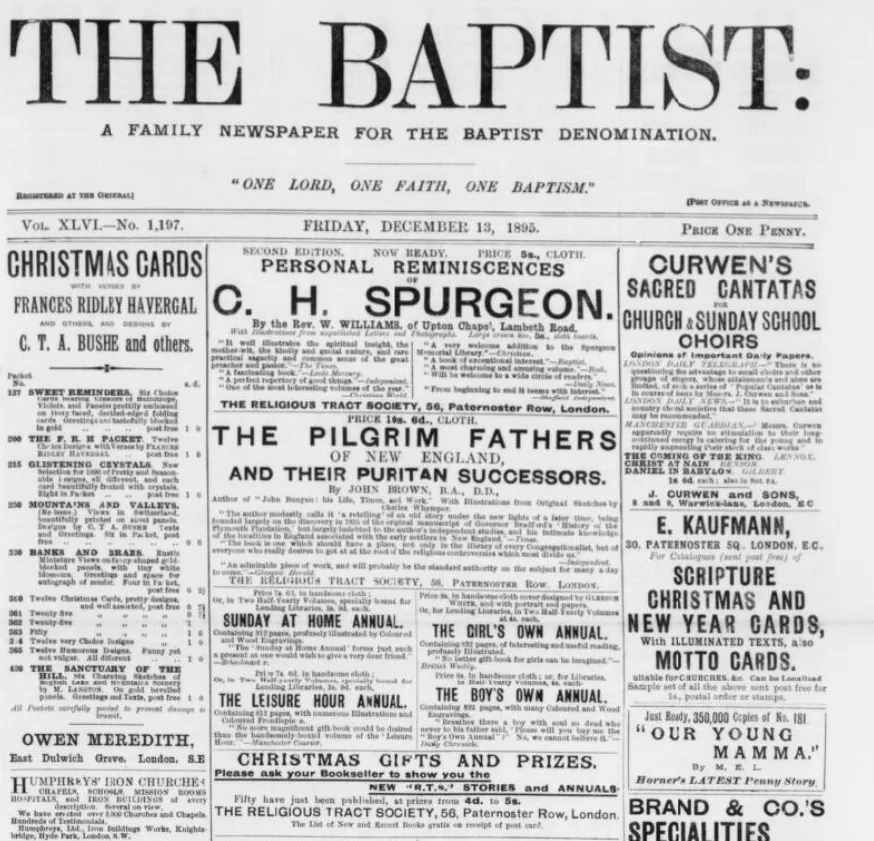
Our final new title of the week is The Baptist, which was established in 1873. ‘A Family Newspaper for the Baptist Denomination,’ The Baptist was printed with the motto ‘One Lord, one faith, one baptism.’
Appearing every Friday and filling sixteen pages, The Baptist aimed to be a ‘representative and helpful’ publication, showcasing complete and accurate reports and denominational intelligence. Indeed, The Baptist claimed to be the ‘only popular and widely-circulated newspaper for the Baptist denomination published in England.’
Costing just 1 d., the thorough religious paper printed articles by different Baptist ministers, including pieces by writer and minister the Reverend George Hawker (1856-1932). Fundamentally, The Baptist is characterised by its devotion to denominational items, with news from the Baptist church taking precedence over any general news reporting, which is conspicuously absent from its pages.
Meanwhile, The Baptist printed poetry, serialised fiction, news from Baptist churches across the country, and indeed, world, a column for ‘Young Men and Women,’ and news from Baptist Sunday Schools. In 1910, The Baptist was merged into contemporary rival the Baptist Times, which was one of the world’s longest running Free Church weekly newspapers.
Our updated titles
That may be it from our magnificent seven new titles, but there’s still plenty to celebrate with the updates to 30 of our existing titles. As we ramp up to the World Cup, and Scotland’s historic participation in the tournament, we’re delighted to update nine of our Scottish newspapers, with over 41,000 brand new pages added to the Aberdeen Press and Journal and over 19,000 brand new pages added to Wick’s Northern Ensign and Weekly Gazette.
Another substantial update this week is to the Lancashire Evening Post, to which we have added over 36,000 brand new pages, and we have an update to intriguing illustrated title the Penny Illustrated Paper. Meanwhile, representing Wales are the updates to Bangor’s North Wales Chronicle, and we’ve added more pages to Irish religious title the Achill Missionary Herald and Western Witness.
The Family Doctor and People’s Medical Adviser: replies to correspondents
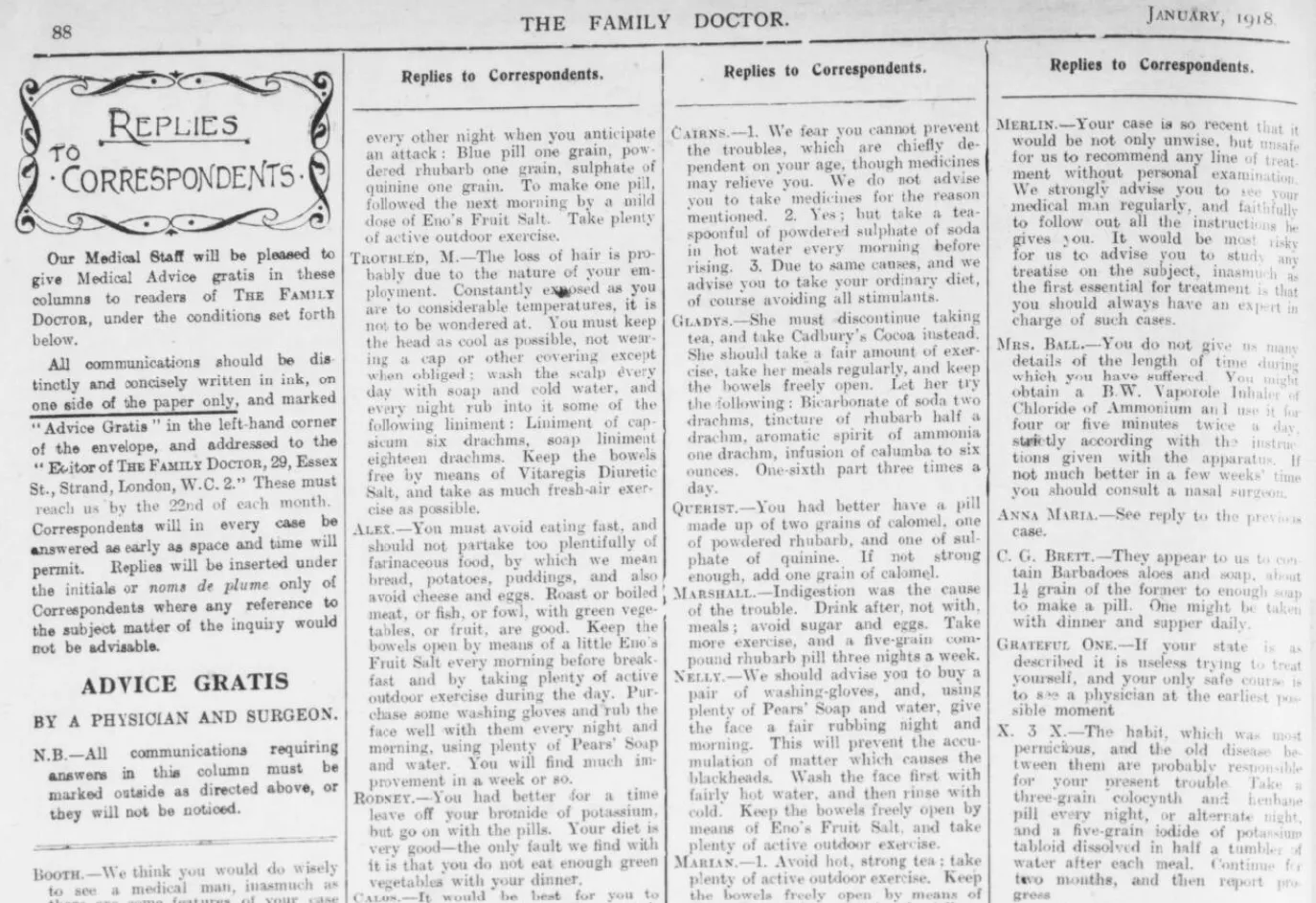
An integral part of the Family Doctor and People’s Medical Adviser was providing medical advice to its readers, and its January 1918 edition provided its usual ‘Replies to Correspondents‘ page. This was part of the free medical service offered to readers, who were instructed to make their submissions as follows:
All communications should be distinctly and concisely written in ink, on one side of the paper only, and marked ‘Advice Gratis’ in the left-hand corner of the envelope, and addressed to ‘Editor of the Family Doctor, 29, Essex St., Strand, W.C.2.’ These must reach us by the 22nd of every month.
And who replied to these communications? Well, according to the Family Doctor and People’s Medical Adviser, it was a physician and a surgeon who had this responsibility. So what were these replies like?
As the original letter isn’t included, the reader is left to piece together what the advice may be about. For example, take this reply to ‘Troubled, M.,’ which raises some interesting questions:
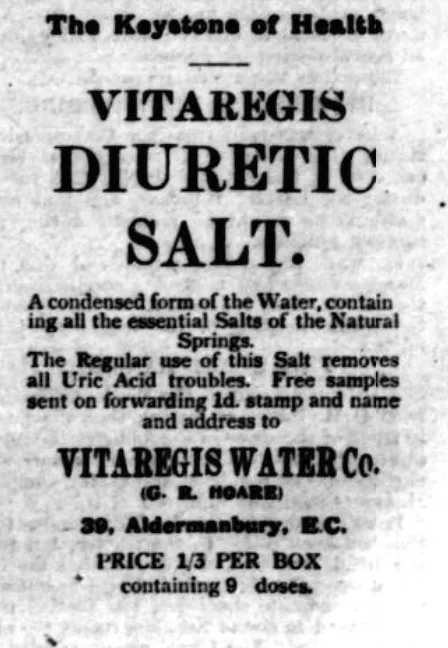
The loss of hair is probably due to the nature of your employment. Constantly exposed as you are to considerable temperatures, it is not to be wondered at. You must keep the head as cool as possible, not wearing a cap or other covering except when obliged; wash the scalp every day with soap and cold water, and every night rub into some of the following liniment: liniment of capsicum six drachms, soap liniment eighteen drachms. Keep the bowels free by means of a Vitaregis Diuretic Salt, and take as much fresh-air exercise as possible.
What was poor Troubled, M’s, occupation? Could they reasonably expect to keep their head cold? What had their bowels to do with their baldness?
Some replies, meanwhile, seemed absurdly certain, like this one to Marshall:
Indigestion was the cause of the trouble. Drink after, not with meals; avoid sugar and eggs. Take more exercise, and a five-grain compound rhubarb pill three nights a week.
Whilst others cautioned further medical help, like this reply to Sanis:
We cannot tell you what this is without an examination. It would be advisable for you to go to the Throat Hospital and have your throat properly examined.
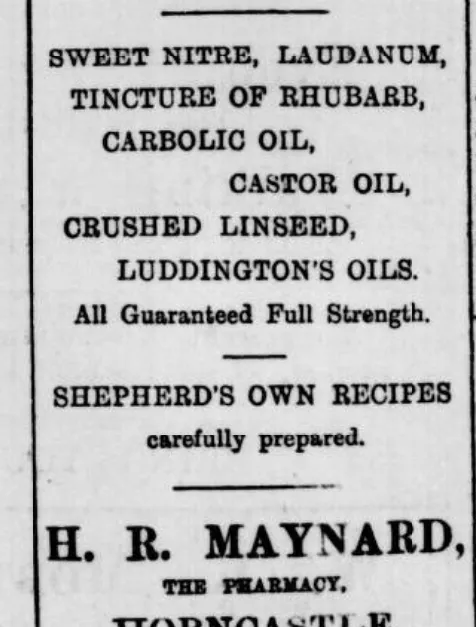
What is also remarkable are the range of remedies advised, like this one to help poor Gladys:
She must discontinue taking tea, and take Cadbury’s Cocoa instead. She should take a fair amount of exercise, take her meals regularly, and keep the bowels freely open. Let her try the following: Bicarbonate of soda two drachms, tincture of rhubarb half a drachm, infusion of calumba to six ounces. One-sixth part three times a day.
It would be helpful to know from what malady Gladys was suffering, but therein lies the expert business plan of the Family Doctor and People’s Medical Adviser. If readers saw which issues sufferers were writing in about, they might consider their own problem solved, and not need to write in to get their own answer. Keeping the correspondence anonymous meant you had to buy the next copy of the Family Doctor, to read your tailored response.
However, the writers for the Family Doctor and People’s Medical Adviser did not pull any punches whilst replying to readers, calling out potentially problematic letter writers:
Cyclops – we have read your very long letter carefully, and considering the good results of the present treatment, we think you are very impatient. Our advice to you is to continue the present dietary, with reasonable fresh air and exercise, and we do not doubt that you will ultimately do well.
These replies, although without their original questions, are a fascinating microcosm of health history, illuminating historical cures and advice, giving us tantalizing glimpses of what ailments ordinary people were suffering from. Discover more health advice, absurd historical cures, and much more besides, in the pages of our Archive today.
New titles
Title | Years added |
1903, 1913-1920 | |
1883-1884 | |
1894-1919 | |
1918 | |
1918 | |
1859, 1863-1864, 1866-1867, 1879, 1889 | |
1895, 1899 |
Updated titles
This week we have updated 30 of our existing titles.
You can learn more about each of the titles we add to every week by clicking on their names. On each paper’s title page, you can read a free sample issue, learn more about our current holdings, and our plans for digitisation.
Title | Years added |
1871-1873 | |
2006-2008 | |
1851-1855, 1857-1866, 1869 | |
2000-2005 | |
1877 | |
2000-2005 | |
1912, 1921-1924 | |
1896-1897, 1911, 2005 | |
2000-2002 | |
1864-1869 | |
1995-2005 | |
1987, 1989, 1994 | |
1885-1894 | |
2000 | |
2001-2002 | |
2000, 2003-2004 | |
1805-1806, 1841, 1884 | |
1950, 1987, 1991, 1995 | |
2002, 2004 | |
1913 | |
1870, 1898 | |
1901-1902 | |
1850-1853, 1855-1863, 1865, 1867-1869, 1872-1875, 1877-1878, 1886, 1888, 1893-1894, 1897-1900, 1902-1921 | |
1888, 1910, 1912 | |
1908-1910, 1912-1913 | |
1863-1874, 1878, 1892-1900, 1902, 1904-1909, 1911, 1913 | |
1896-1900, 1965-1966 | |
1904-1910, 1912-1913 | |
1896, 1898, 1909-1913, 1919 | |
1989 |
You can keep up to date with all the latest additions by visiting the recently added page. You can even look ahead to see what we’re going to add tomorrow.
More on this topic:
Share this article
About the author

Rose Staveley-Wadham
Newspaper Licensing Manager
Published on Mon, 8 June 2026.