
Hot Off The Press – New Titles This Week
Published on 23 June 2025 by Rose Staveley-Wadham
This week we are celebrating our Scottish newspapers, as we welcome six brand new newspapers from Scotland and 182,850 brand new pages in all to our collection. That’s not all, out of our fourteen updated titles, ten are Scottish, whilst we are delighted to welcome new years to what is believed to be the oldest magazine still in publication, The Scots Magazine.
So read on to discover more about our new and updated Scottish newspapers of the week, and also to learn about the weather one hundred years ago, as England and Wales experienced the driest June during the 20th century.
Register now and explore the Archive
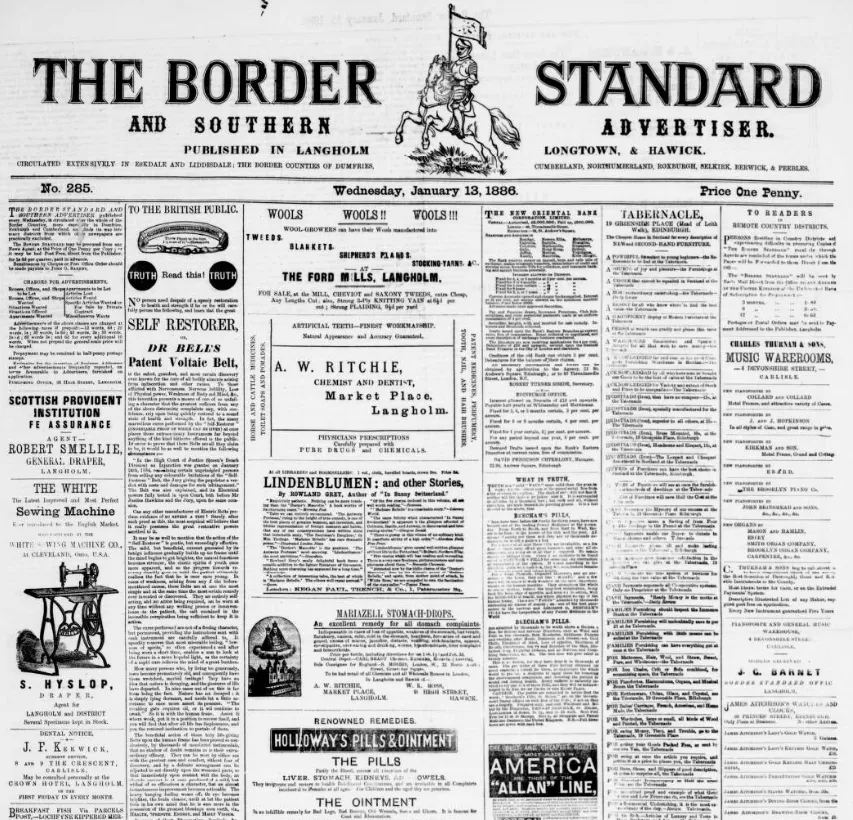
The Border Standard
The first of our new Scottish newspapers is the Border Standard, a Liberal title which was established in the Scottish border town of Hawick, in the historic county of Roxburghshire. With the full name of the Border Standard and Southern Advertiser, this newspaper ‘circulated extensively in Eskdale and Liddesdale: the Border Counties of Dumfries, Cumberland, Northumberland, Roxburgh, Selkirk, Berwick, & Peebles.’
Appearing every Wednesday at the cost one one penny, the Border Standard filled four pages with local news from the police courts and school boards in the area. The newspaper also printed a range of national and international news, alongside original poetry, serialised fiction, and notices of births, marriages and deaths.
The Edinburgh Advertiser
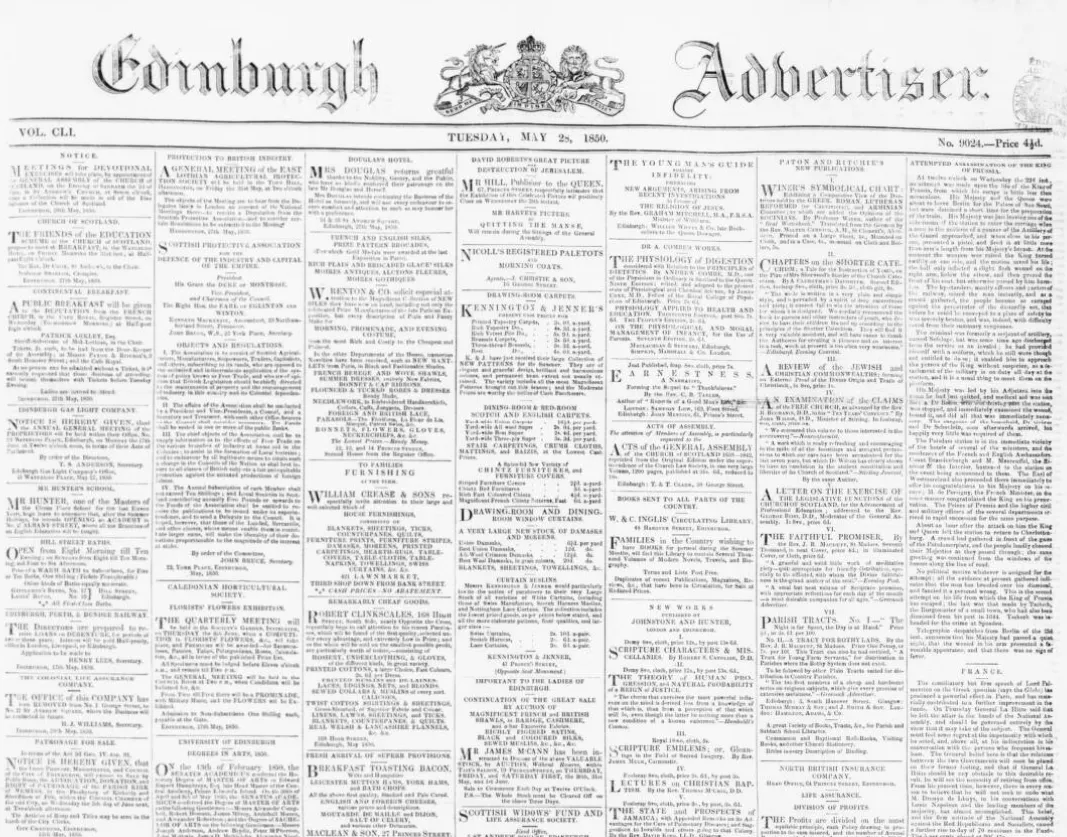
The next of our new Scottish newspapers this week are a duo of titles from Edinburgh, and first up, we’re delighted to welcome the Edinburgh Advertiser to our holdings. The Edinburgh Advertiser has a long history stretching back to 1764, when it was established by Alexander Donaldson.
By the mid-nineteenth century the Edinburgh Advertiser was appearing every Tuesday and Friday at the cost of four and a half pence. It printed news from London, as well as the latest news from the ‘electric telegraph’ and by the paper’s ‘special express.’ The title also featured articles on the army and the navy, the markets, agricultural matters, and literature, as well as publishing notices of births, marriages and deaths.
According to William Norrie in his 1891 book Edinburgh Newspapers, the Edinburgh Advertiser ‘always occupied a good position in the newspaper world, but latterly, in the change which had taken place by the publication of daily newspapers, it may be said to have been run off the road by the railway speed of the dailies.’ Indeed, the title ceased publication in March 1859, after merging with the Edinburgh Evening Courant.
The Reformer
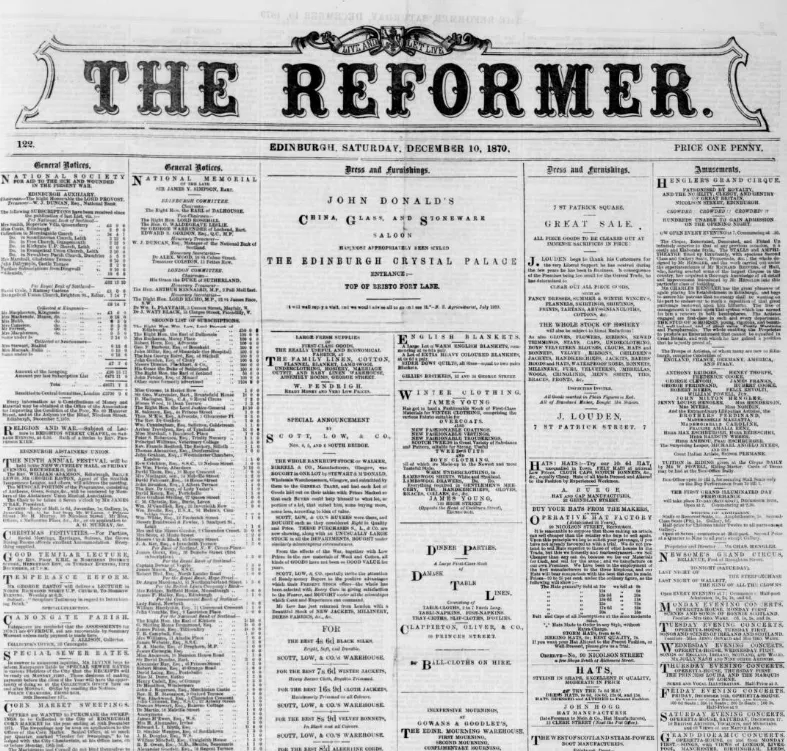
The second of our new Edinburgh newspapers this week is the The Reformer, which was first published on 15 August 1868, spanning eight large page sheets. With the motto of ‘Live and let live,’ according again to William Norrie in Edinburgh Newspapers, The Reformer’s ‘platform was Radical,’ with contributions from the likes of Ernest Jones and George Potter.
Norrie tells of how the newspaper ‘declared strongly in favour of the politics of Mr. Gladstone; supported all questions of decrease of taxation, and social reforms generally; and accorded friendly support to trades unions.’
Costing just one penny, The Reformer printed news from across Scotland, England, and Ireland, with special correspondence from reporters in Aberdeen and Kirkcaldy. The paper featured letters to the editor, as well as printing answers to correspondents’ questions. The Reformer also published original poetry, serialised fiction, notices of births, marriages and deaths, as well as a ‘variety of well selected and general trade news.’
The Fraserburgh Advertiser
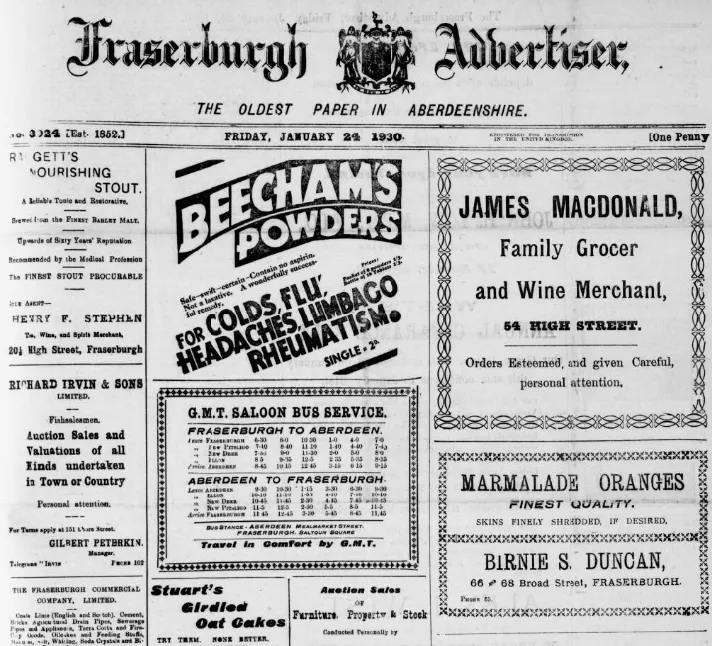
The next of our new Scottish newspapers is the Fraserburgh Advertiser, which was established in 1852 and by the 1880s claimed to be the ‘oldest paper in the shire.’ Published in the town of Fraserburgh, which lies in the north-eastern corner of Aberdeenshire, the Fraserburgh Advertiser was Liberal in its politics, appearing every Friday at the cost of one penny.
‘Circulating throughout north-east Aberdeenshire,’ the Fraserburgh Advertiser filled its four pages with a mix of local intelligence, and the latest news stories from across Scotland and beyond.
The Lerwick Times
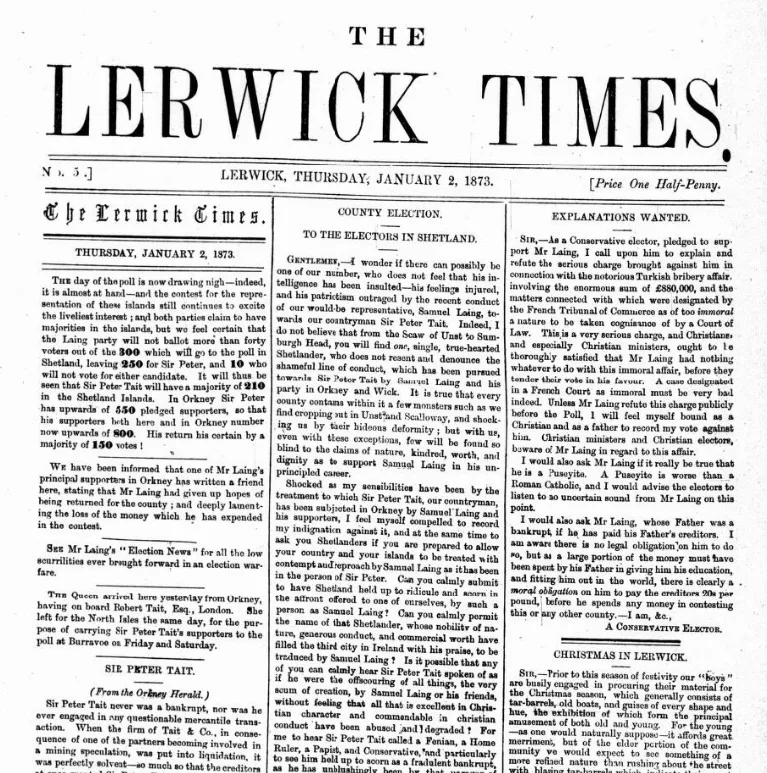
The penultimate of our new Scottish newspapers is the Lerwick Times, which was first published in 1872 in Lerwick, the main town of the Shetland archipelago. Like the Shetland Election News, this title was published ahead of the 1873 Shetland by-election, which followed the death of incumbent M.P. Frederick Dundas.
The Shetland by-election was contested between Liberal candidate Samuel Laing and Tory opponent and former Mayor of Limerick Sir Peter Tait. Whilst the Lerwick Times printed details of the ‘Committee for the Return of Sir Peter Tait as Member of Parliament for the County of Orkney and Shetland,’ the halfpenny newspaper printed letters to voters from both candidates.
The Lerwick Times, which was published on a Thursday, also found some room for poetry, whilst reporting on the 1873 by-election. The by-election was eventually won by Samuel Laing, who was supported by the Shetland Election News.
The St. Andrews Times
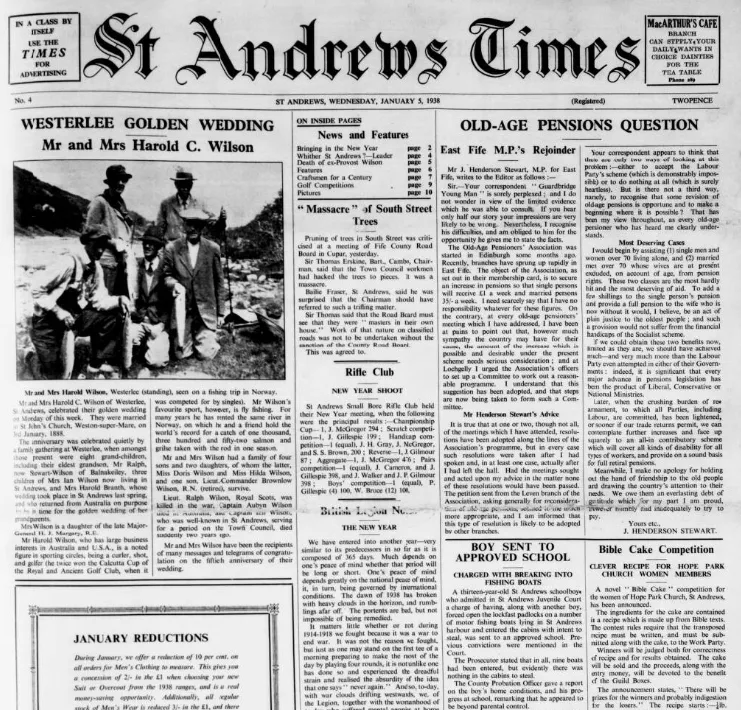
The final of our new Scottish newspapers this week, and definitely last but not least, is the St. Andrews Times. This robust local newspaper was first published in the university town of St. Andrews, Fife, on 15 December 1937 at the price of twopence. Its debut editorial declared how St. Andrews ‘was deserving of a newspaper brought out with the very latest features of modern journalism,’ whilst explaining how the St. Andrews Times was ‘financed locally, edited, printed and published locally.’
Published every Wednesday, the St. Andrews Times spread across twelve pages. It reported from the likes of St. Andrews Post Office and Crail Town Council, publishing the latest news from Leuchars, Guardbridge, Strathkinness, Kingsbarns, and Crail. The newspaper printed ‘Club and Society Notes,’ which featured updates, for example from the Girl Guides and the Boy Scouts.
Reflecting its position as a representative of a university town, the St. Andrews Times published a ‘Town and Gown’ section, which featured notes from the University of St Andrews. The paper also reported extensively on sport, with sections devoted to football, hockey, rugby, billiards and badminton. Meanwhile, the St. Andrews Times printed sections for women and children, a picture page, letters to the editor, and motoring notes.
Our Updated Titles
We’ve updated ten of Scottish newspapers for you this week, with our largest updates being to what is believed to be the oldest magazine still in publication, The Scots Magazine. First published in 1739 as a monthly pamphlet, it was established to cover Scottish affairs and opinions. Still published to this day by D.C. Thomson & Co., who took over the publication in 1927, The Scots Magazine is the world’s best-selling Scottish-interest publication, with articles on a range of subjects like culture, history and nature, accompanied by stunning photography.
Other highlights from our updated titles this week include the over 42,000 brand new pages we have added to Plymouth’s Western Evening Herald, and the over 28,000 brand new pages we’ve added to Aberdeenshire’s Huntly Express.
The Driest June on Record
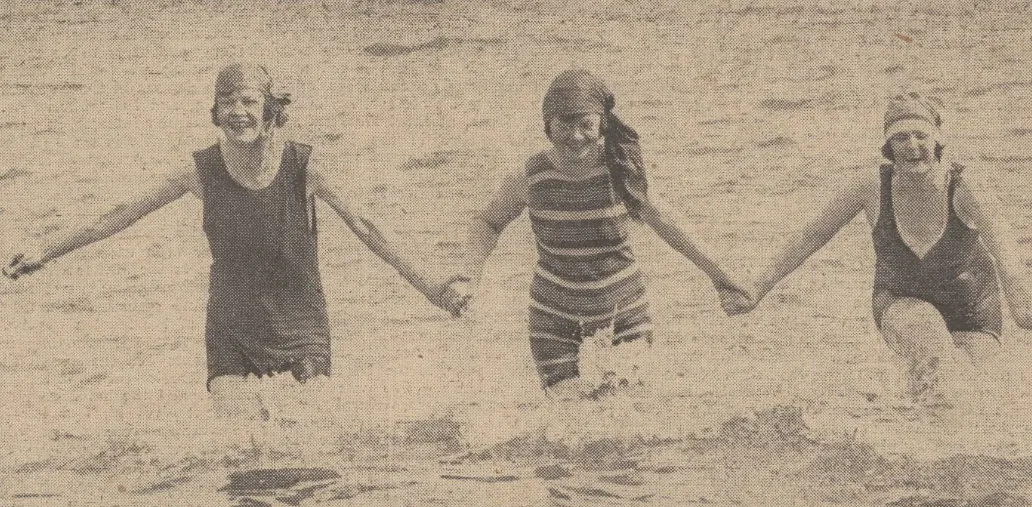
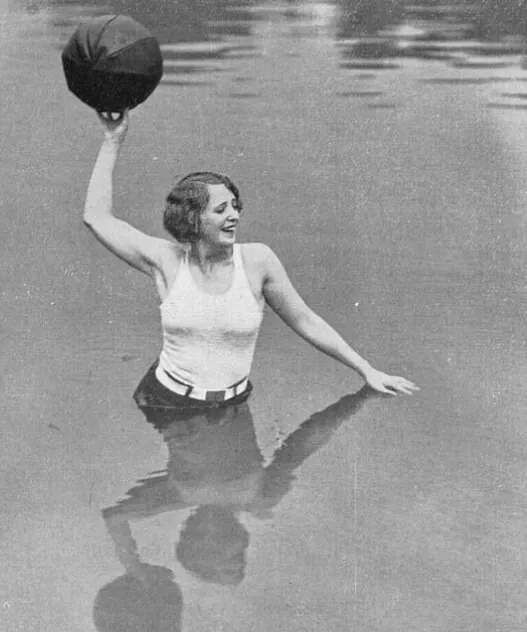
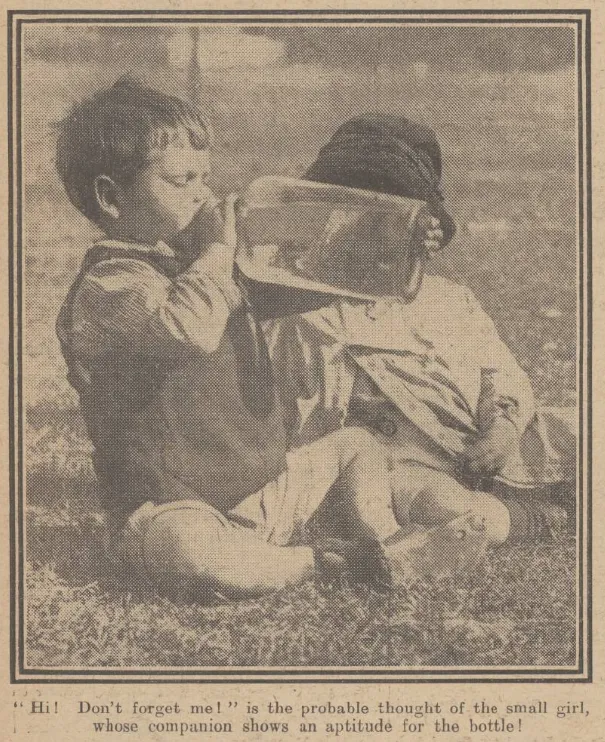
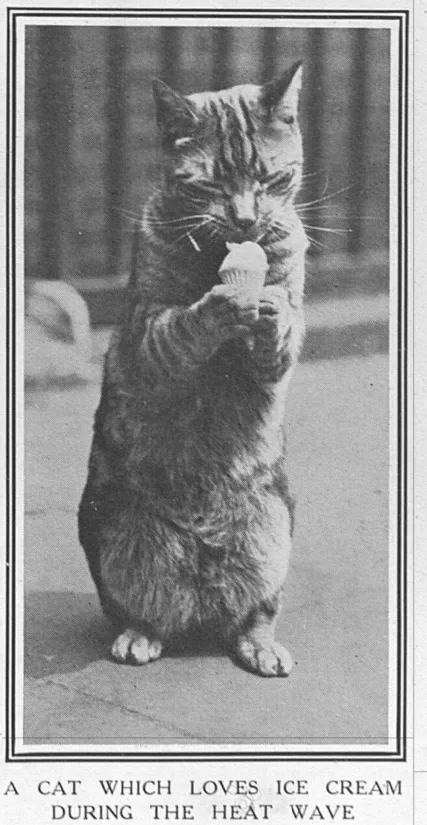
One hundred years ago in June 1925, the British Isles experienced a spell of very hot and dry weather. Indeed, it was the driest June on record in England and Wales during the twentieth century. Meanwhile, we delved into our new Scottish newspapers, as well as our updated ones, to see if we could discover any mention of the hot June weather in 1925.
From new pages added to the Huntly Express, we found an article published on 19 June 1925 which recommended a ‘drink for a hot day.’ This drink, according to the article, is a ‘favourite one in all the Californian golf clubs,’ and the recipe for it is as follows:
Get a large bottle of dry ginger ale, squeeze into it the juice of half a grapefruit. Add two flat dessert-spoons of sugar and a lump of ice.
The Huntly Express piece notes how you ‘can alternately drink these and play a set of tennis all day with the thermometer at 110 in the shade and feel no ill effects.’
Whilst this article suggests Scotland was experiencing warm weather, another article in the 19 June 1925 edition of the Huntly Express confirms the warmth in the area:
Glorious weather attended the second holiday on Monday. Many were tempted to travel. The exodus began on Saturday afternoon and evening, a considerable number going north and south by rail. On Monday morning the station presented an animated appearance. As usual the day-trip to Aberdeen had a large measure of support. The charms of the Moray Firth made strong appeal to not a few, and they went that way for golf and other things.
Meanwhile, for those who stayed in Huntly, they went to the Cooper Parks, the Huntly Express noting how ‘perhaps never in one day were so many townspeople to be seen in these parks, and the privilege of being able to go there was by all appreciated to the full.’
Furthermore, one of our new Scottish newspapers the Fraserburgh Advertiser, also on 19th June, notes the warm weather that attended the march of the 2nd Battalion Gordon Highlanders from Strichen to Fraserburgh, reporting how ‘the weather was ideal and the men were soon refreshing themselves after their hot and dusty march in the sun.’
It does seem, then, that Scotland enjoyed some of the warm weather experienced in the June of 1925.
Discover more about the Scottish weather, the history of weather in general, and much more besides, in the pages of our newspaper Archive today.
New Titles
Title | Years Added |
1886-1887 | |
1850-1851, 1855 | |
1858-1869, 1875, 1884-1941 | |
1872-1873 | |
1937-1940 | |
1870-1875 |
Updated Titles
This week we have updated fourteen of our existing titles.
You can learn more about each of the titles we add to every week by clicking on their names. On each paper’s title page, you can read a free sample issue, learn more about our current holdings, and our plans for digitisation.
Title | Years Added |
1880-1881, 1887 | |
1999 | |
1901-1904, 1934-1936 | |
Glasgow Property Circular and West of Scotland Weekly Advertiser | 1880 |
1845-1859 | |
1997 | |
1921-1985, 1987-1989, 1991-1992 | |
1832-1843, 1873-1881 | |
1988-1989, 1991-1992 | |
1994 | |
1880-1881, 1883 | |
1924-2000 | |
1891-1892 | |
1998-1999 |
You can keep up to date with all the latest additions by visiting the recently added page. You can even look ahead to see what we’re going to add tomorrow.
More on this topic:
Share this article
About the author

Rose Staveley-Wadham
Newspaper Licensing Manager
Published on Mon, 23 June 2025.