
Pioneering new titles on The Archive
Published on 18 May 2026 by Rose Staveley-Wadham
Welcome to this week’s blog, where we’re delighted to welcome six brand new and brilliantly different titles, as we look back 120 years to when the Labour Party got its name. Also new this week are 371,400 pages, whilst we have updated 36 of our existing titles from across the UK and Ireland.
So read on to discover more about our new and updated titles of the week, and to learn about when the Labour Party got its name.
Register now and explore The Archive
Bennett’s Register of Penny Advertisements
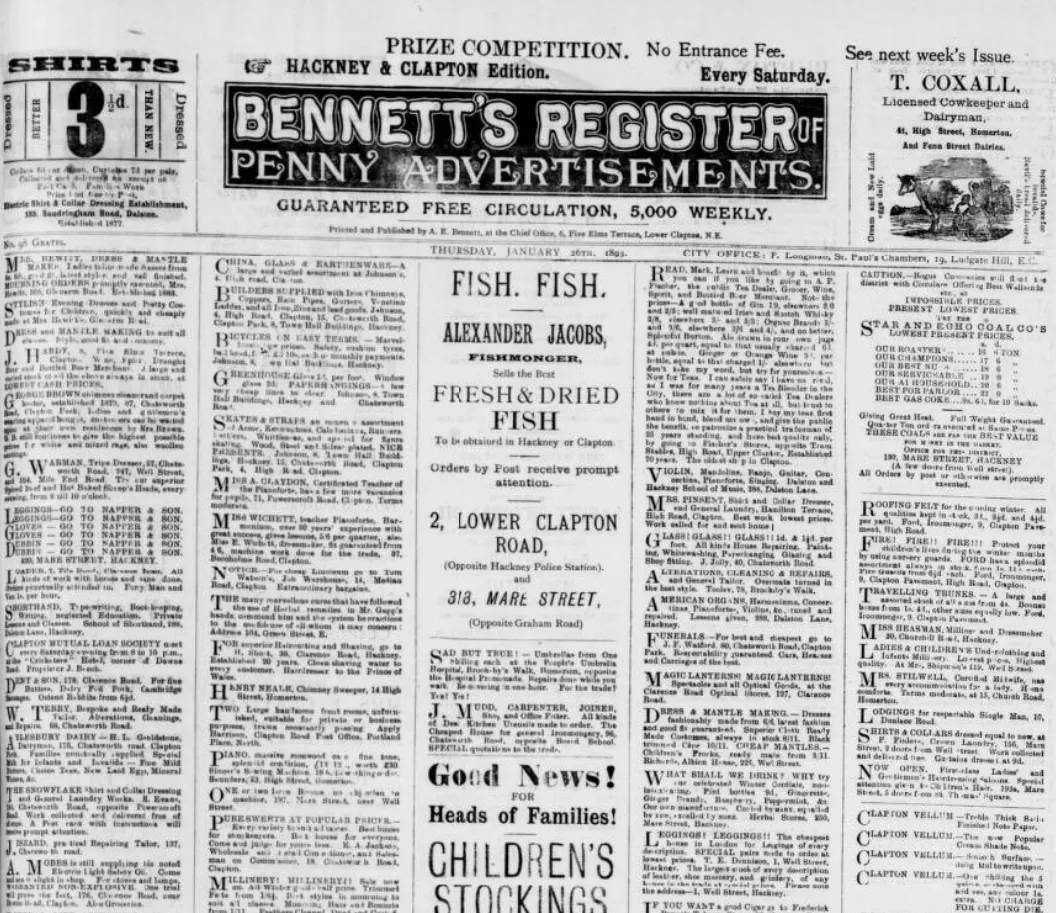
But before we delve into the history of the Labour Party, we need to dive into the pages of our first new title of the week, which is Bennett’s Register of Penny Advertisements. Much like last week’s new title, the Huddersfield Boro’ Advertiser, Bennett’s Register of Penny Advertisements was mainly an advertising medium for the paper’s local area.
First published in the early 1890s, Bennett’s Register of Penny Advertisements was produced by A.E. Bennet from 6 Five Elms Terrace, Lower Clapton, close to Hackney in East London. As such, the title shines an extraordinary light on the businesses in the area, the products and the services that were available in this pocket of capital during the 1890s.
With a ‘guaranteed free circulation’ of 5,000 copies, Bennett’s Register of Penny Advertisements filled eight pages. You can find advertisements for a diverse range of products and services within this publication. For example, you could be tempted by ‘Garwood’s celebrated mock turtle soup,’ which was now back in season and could be bought from 416 Mare Street, Hackney, or, you may want to engage the services of George Brown, the celebrated ‘chimney cleaner and carpet bester,’ from Chatsworth Road, Clapton Park. Brown, who had been in business since 1879, had a wife who could wait upon you at your home to buy ‘ladies and gentleman’s wearing apparel.’
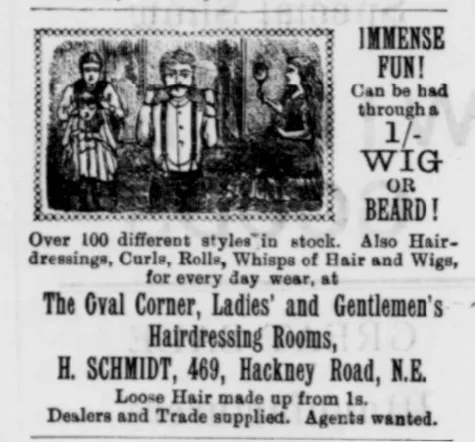
Alternatively, you could have your ‘sewing machine repaired while you wait’ at London’s cheapest repair shop, or you could ‘make your own cushions, beds and pillows’ round the back of St. John’s Church on Urswick Road, with the ‘best purified farmhouse feathers.’ Perhaps you were searching for the ‘immense fun’ offered by the Ladies’ and Gentleman’s Hairdressing Rooms at 469 Hackney Road, where you could search through over ‘100 different styles’ of wigs and beards, or you might instead fancy a trip to the Victoria Bazaar at 377 Mare Street, the ‘oldest Toy & Fancy Warehouse in Hackney.’
By now you’ll have a sense of the fabric of late Victorian Hackney, full of goods and services waiting to be patronised. Meanwhile, Bennett’s Register of Penny Advertisements also featured a list of streets in which the title was distributed, a storyteller’s column, facts and fancies with such articles as ‘What Eyebrows Mean,’ and lists of local births, marriages, and deaths.
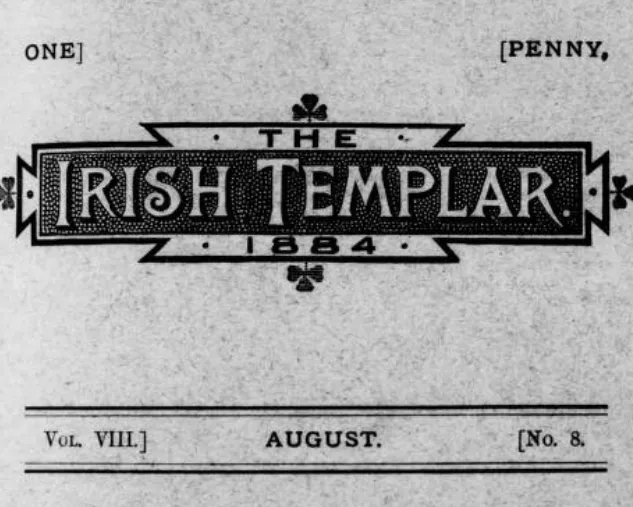
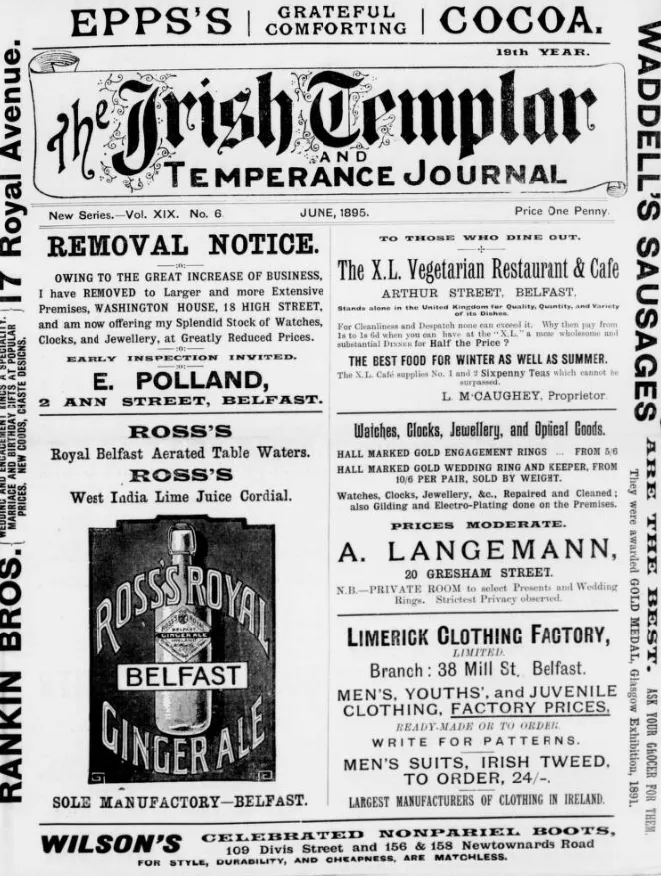
The Irish Templar
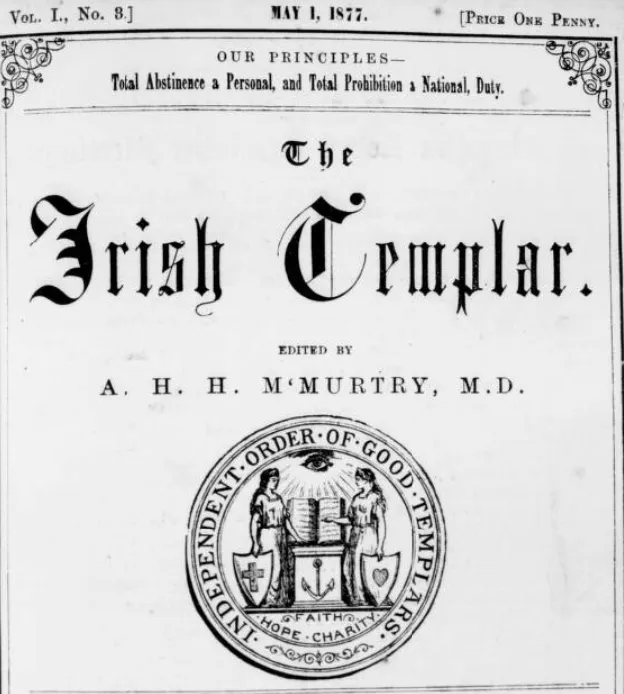
We travel to Belfast for our next new title of the week, which is the Irish Templar. First published in 1877, with the watchwords of ‘Faith, Hope, Charity,’ the Irish Templar was a temperance publication inspired by the Independent Order of Good Templars. The Independent Order of Good Templars, or the IOGT, was founded in 1850 in Utica, New York, as a temperance organisation.
With its rather grandiose name coming from the Knights Templar, and the legend that the knights drank sour milk whilst fighting a crusade against alcoholism, the IOGT was structured like Freemasonry, adopting some similar rituals. Where the IOGT differed, however, was its admission of women and different races. After spreading across North America, the organisation arrived in Europe, including Britain and Ireland. Indeed, another of our titles, the Norfolk Echo and Temperance Advocate was part of the IOGT.
As for the Irish Templar, it adopted part of its name from the legend of the Knights Templar. Appearing every month, costing one penny, it filled twenty pages, and was edited by A.H.H. McMurtry. In an early edition of the publication, in 1877, McMurtry described the difficulties of spearheading the temperance cause:
We who are striving to bring about the general adoption of the principles of total abstinence and prohibition are often told by people who would fain be thought to know, but who really know no better than ourselves, that all our hopes and efforts are in vain. These wiseacres point us to the increasing prevalence of drunkenness, to men’s intense and, as they allege, innate love of drink, to the strength of the drink party, to the practice of the great body of Christians and of Christian Churches, and specially to the (supposed) sanction of God’s Word; and they call us dreamers, enthusiasts, fanatics, fools, and even harder names…
Despite these opinions, McMurtry was positive about the movement:
We have much to encourage us, notwithstanding the chilling criticism of these miserable comforters. The joy of bringing joy even to a few of the wretched suffers from drink is surely reward enough for past, and stimulus enough to new, endeavours… The land is becoming studded with societies bent upon the destruction of the Drink system. Morning, noon and night, these are sowing the seed, with tongue and pen, that shall yield by and by the harvest of national sobriety.
The Irish Templar, therefore, featured news of these societies, with lists of the ‘loyal lodges of Belfast, with their nights and places of meeting,’ alongside news from these groups. Furthermore, the publication printed a range of articles by prominent temperance advocates, with pieces by George Washington Bungay (1816-1892), a British born American lecturer, poet and abolitionist, ‘lodge-room readings’ penned by Elihu Burritt (1810-1879), an American diplomat, social activist and blacksmith, and writing for children by Julia Colman (1828-1909), an American temperance educator, activist and writer.
Perhaps one of the more charming parts of the Irish Templar was its ‘Juveline’s Portion,’ which not only featured writing by Julia Colman, but also included poetry and drawing. The Irish Templar also printed articles about the local situation in Ireland, with titles like ‘Two Sunday-Closing Bugbears’ and ‘The Economic Aspect of Drinking.’
The Knaresborough Times
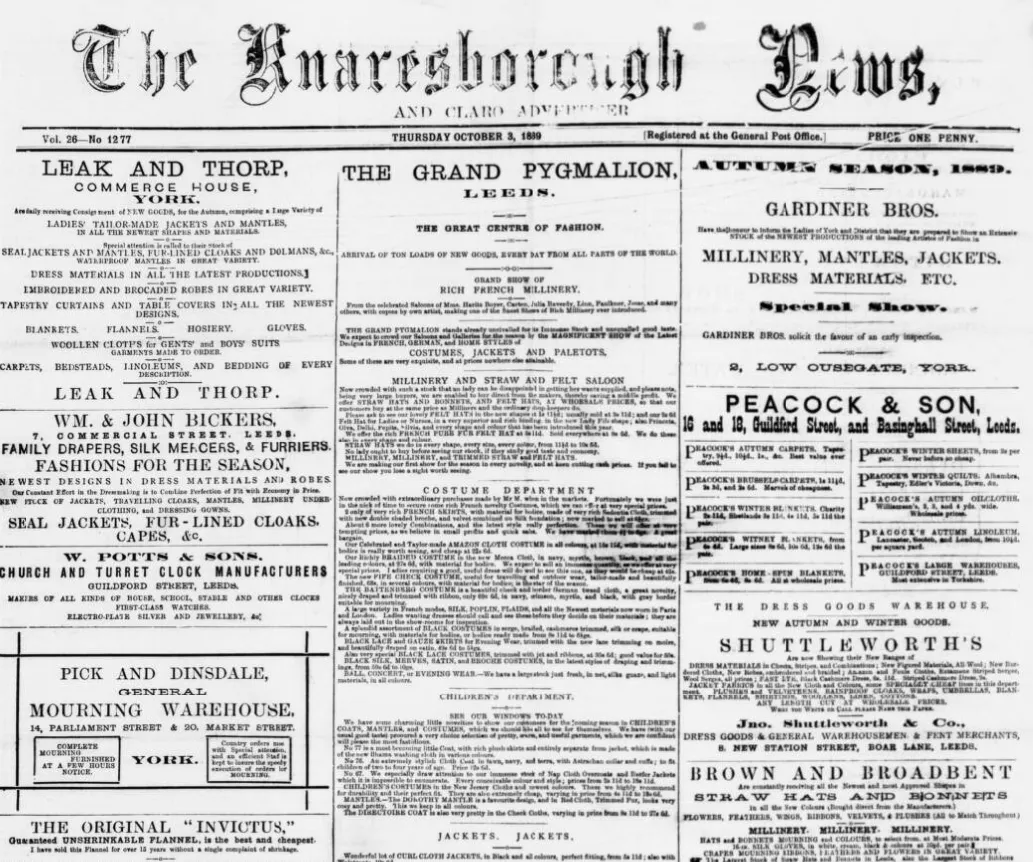
Our next new title of the week hails from North Yorkshire, and it is the Knaresborough Times. First published in the market town of Knaresborough in 1860 with the full name of the Knaresborough Times, and Harrogate, Ripley, Boroughbridge, and Ripon Intelligencer, this newspaper was published every Wednesday.
Costing just one penny, publishers of the title claimed that its circulation ‘in Knaresborough and district is larger than all other papers published in the borough.’ Circulating ‘in the centre of Yorkshire,’ the paper was ‘devoted to the interests of agriculture and commerce,’ with a ‘careful digest of the foreign and domestic news of the week’ and ‘the local news of the district.’ Indeed, the Knaresborough Times reported news from the likes of Knaresborough, Boston Spa, Bramham, Tockwith, Sherburn, and Wetherby, with news of local hunting appointments and births, marriages and deaths also filling its pages.
The Knaresborough Times was published by Henry Crossley (1826-1893). A fascinating figure, according to the Wetherby Civic Society, Crossley began life as the son of a cap maker. With little education, he started work as a postman, before turning his attention to publishing newspapers. In 1856 he established the Wetherby News, before going on to also establish the Tadcaster News, the Boston Spa News, the Harrogate News, and the Otley News.
An ‘excellent family journal,’ the Knaresborough Times also published news of the markets, and updates from a ‘London Correspondent.’ Like Crossley’s other titles, it later became known as the Knaresborough News.
The Leicester Pioneer
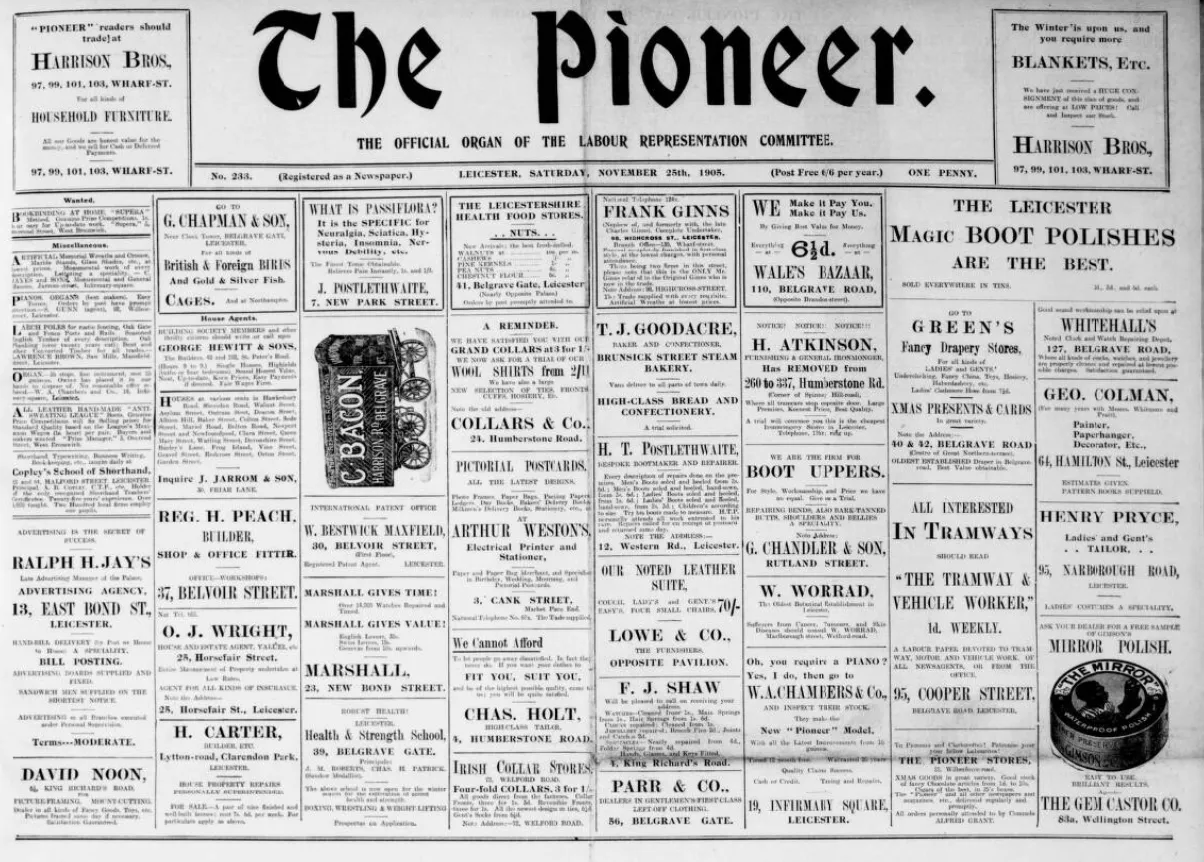
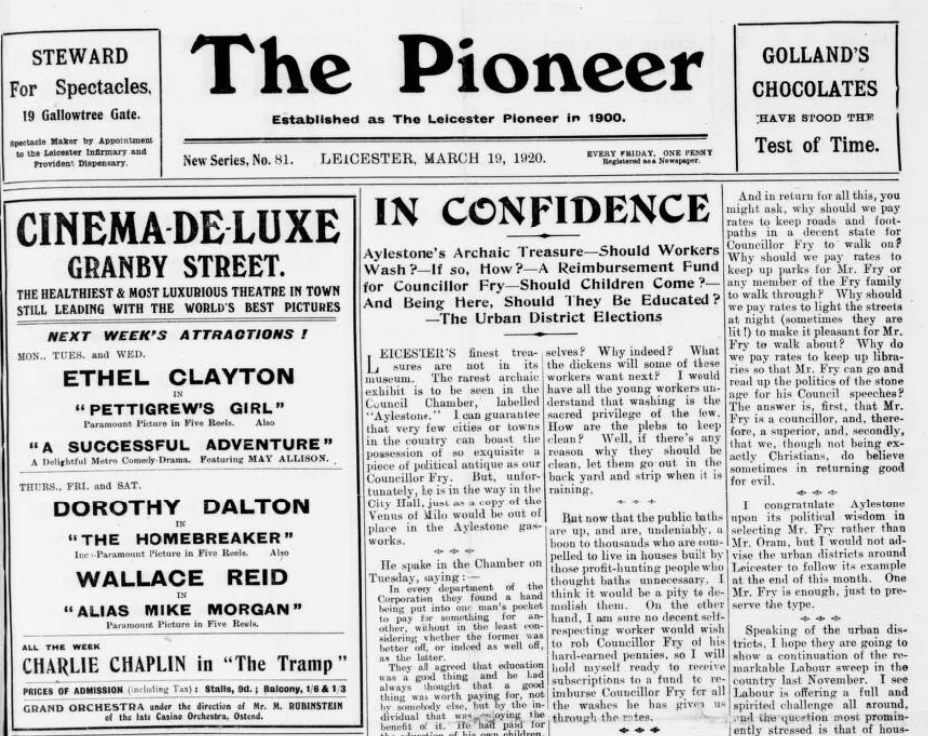
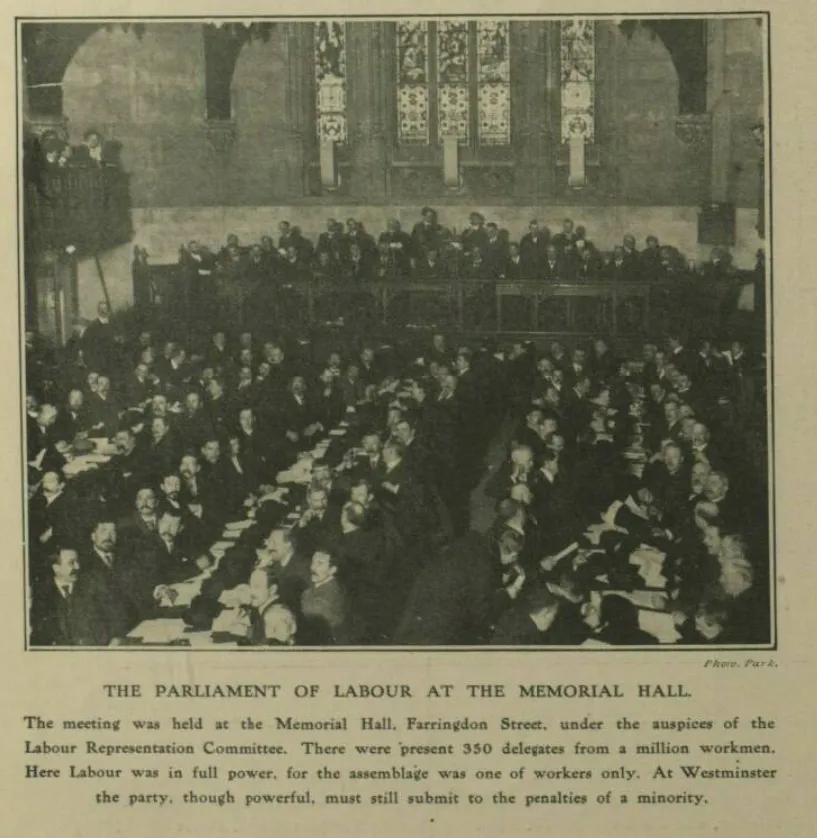
Our next title of the week is a curious one, as it combines local history with the history of the Labour Party. Initially ‘The Official Organ of the Labour Representation Committee,’ the Leicester Pioneer was published every Saturday at the cost of one penny. The Labour Representation Committee (LRC) was founded in 1900 in an attempt to form an alliance of socialist organisations and trade unions to increase the representation of labour interests in government.
As we shall see, the present day Labour Party traces its origins to the LRC, and within the pages of the Leicester Pioneer you can discover articles by prominent members of the party. For example, Philip Snowden (1863-1937), the future first Labour Chancellor of the Exchequer and the future 1st Viscount Snowden, contributed a column entitled ‘From Labour’s Standpoint,’ whilst Ramsay MacDonald (1866-1937), the first ever Labour prime minister, penned articles with titles like ‘Is Labour Representation Class Representation?’
Sitting along such LRC-focussed articles, however, were pieces to be found in your average regional or local newspaper of the time. Within the eight pages of the Leicester Herald you’ll find gardening notes, reports on sports like football, details of entertainment in Leicester, a column on health and the home, a round up of crime reporting for the week and the latest from the local council.
It seems that by the time the LRC became the Labour Party, in February 1906, that the Leicester Pioneer had shed its official tie to the political party, but continued to report news from it. Indeed, the Leicester Pioneer went on to represent ‘all lines of trade,’ with a local circulation through Leicester, Sileby, Syston, Loughborough, Melton Mowbray, Hinckley, and Coalville.
The Phono Trader and Recorder
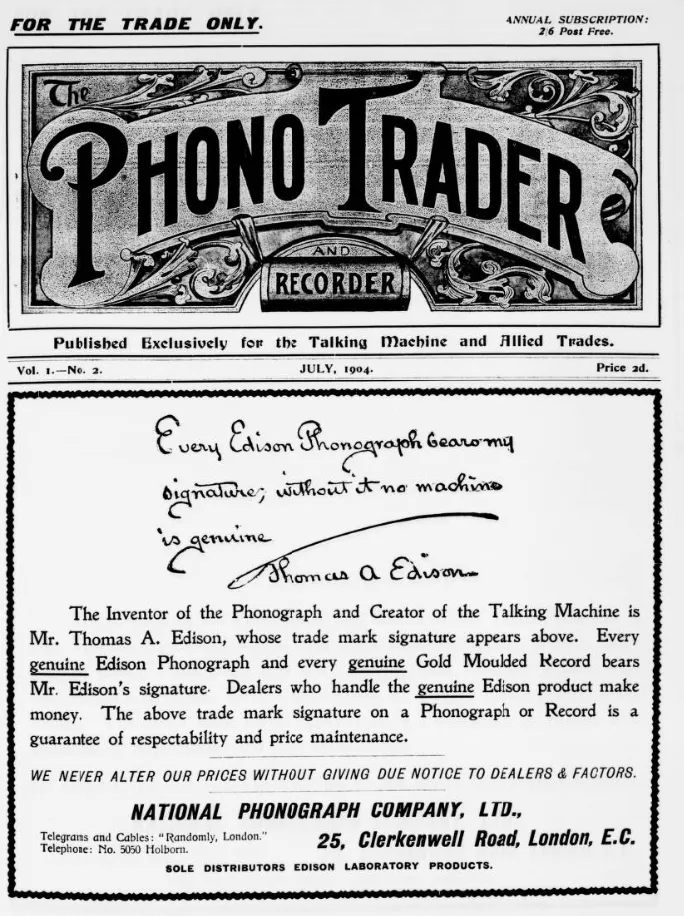
‘Published exclusively for the Talking Machine and Allied Trades,’ our next new title the Phono Trader and Recorder was a journal for the rapidly growing talking machine trade in the early 20th century. First published in June 1904 in London and edited by Thomas F. McDonald and Charles Dunlop, the ‘introductory’ article of the Phono Trader and Recorder described how:
The remarkable – not to say enormous growth and development of the ‘Talking Machine’ and allied Trades during the past few years, and the fact that their ramifications now extend to every part of the civilised globe, may truly be said to constitute a phenomenal ‘record’ in twentieth century industrial enterprise. Equally remarkable is it therefore that this ever expanding and prosperous industry should, until the advent of the ‘Phono Trader,’ have been without its representative trade journal.
Consequently, the Phono Trader and Recorder was ‘a practical response to the opinion often and freely expressed to the promoters, who have enjoyed exceptional opportunities of eliciting the views of the Trade as to the need of such a medium, and it now remains to emphatically impress upon manufacturers, dealers, and agents that it will be in all respects an actual Trade Journal upon Trade lines exclusively.’
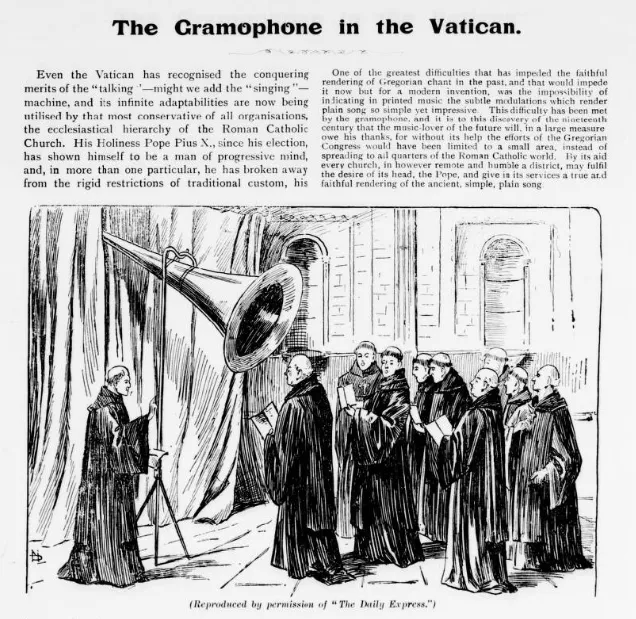
Filling anywhere between 28 and 40 pages, and appearing every month at the cost of 4 d., the title published a large array of trade news and notes from talking machine businesses and traders across the country. It reported from trade shows across the world, the debut edition taking in the 1904 show in Leipzig, complete with photographs, alongside reports of the growing usage of talking machines, like gramophones and phonographs, across the world. For example, the Phono Trader and Recorder reported on the use of the gramophone at The Vatican, complete with a sketch, whilst also reporting how the phonograph was being used to reduce pain in dentistry.
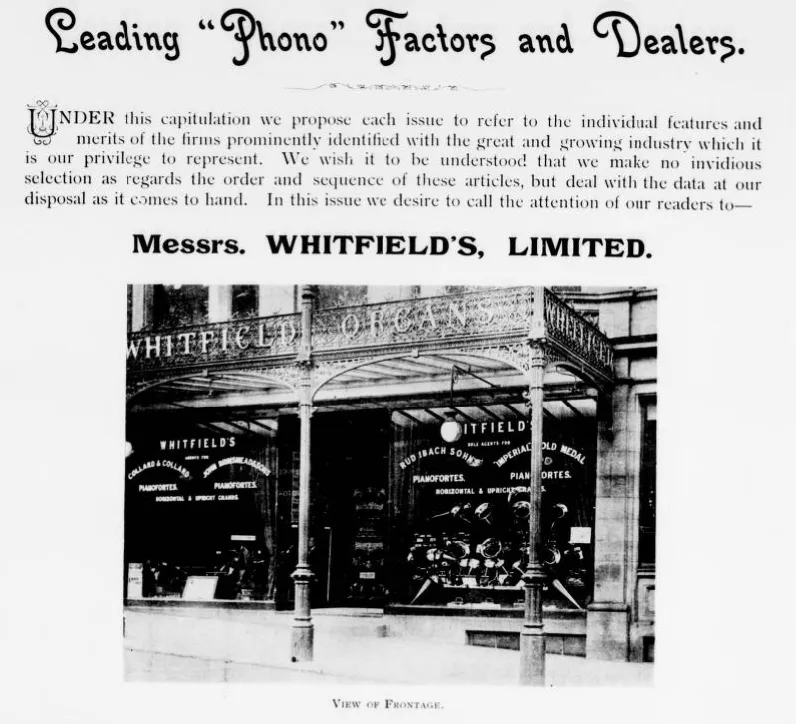
A particularly fascinating part of the Phono Trader and Recorder was its in depth looks at ‘Leading ‘Phono’ Factors and Dealers’ across the country. In its first edition, it covered the business of Messrs. Whitfield’s Limited in Huddersfield, complete again with photographs of the premises.
Meanwhile, the journal also featured news regarding patents, legal issues and new companies, whilst also printing an array of adverts for different talking machines, which were often richly illustrated. Nothing if not thorough, the title also provided a list of advertisers, alongside details of freight costs for talking machines and their accessories.
The Wimbledon Herald
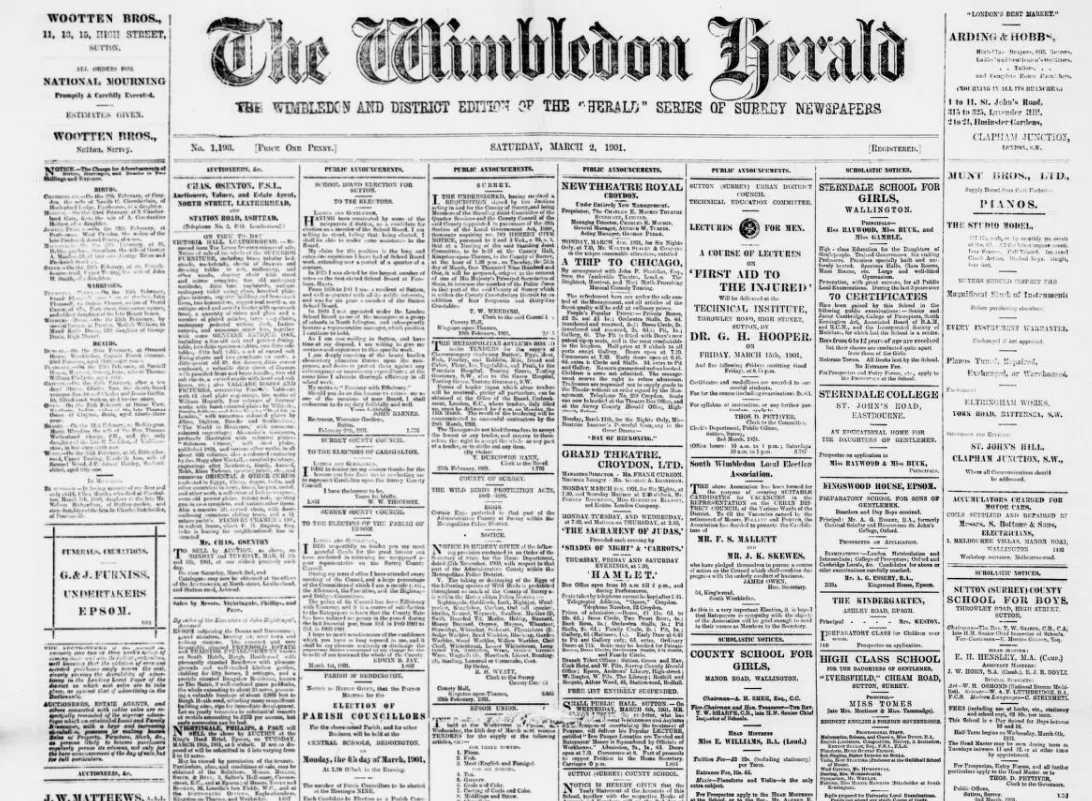
Our final new title of the week is the Wimbledon Herald, which was part of the Surrey Herald series of newspapers, with sister papers including the Sutton Herald, the Epsom Herald, the Tooting & Balham Herald, the Wallington Herald and the Carshalton Herald.
Established in 1886 and appearing every Saturday at the price of one penny, the Wimbledon Herald covered the news from the south west London and Surrey areas. For example, the paper printed the latest from the Wimbledon Police Court, the Leatherhead Urban Council, the Mitcham Parish Council, the Epsom Board of Guardians and the Carshalton Urban Council.
Fillings its eight pages were also ‘sporting musings,’ with reports on football and hockey matches, details of the railway timetable, and a ‘Social & Personal’ column.
Our updated titles
That’s it for from our new titles, but we still have updates to 36 of our existing titles for you to enjoy. We’ve added a phenomenal 139,180 brand new titles to the Lancashire Evening Post, whilst we’ve got updates to some of our specialist titles too, with new pages joining film industry title the Kinematograph Weekly, shipping industry title Lloyd’s List, and marriage brokering title the Matrimonial Post and Fashionable Marriage Advertiser.
Meanwhile, we’ve updated seven of our Scottish titles, with new pages joining the likes of the Glasgow Evening Post, the Reformer (Edinburgh) and the Scottish Banner. New pages also join Irish titles the Kilkenny Journal and Leinster Commercial and Literary Advertiser and the Newry Telegraph, whilst we have updates to one of our Welsh titles, the Silurian.
February 1906 – The Labour Party gets its name
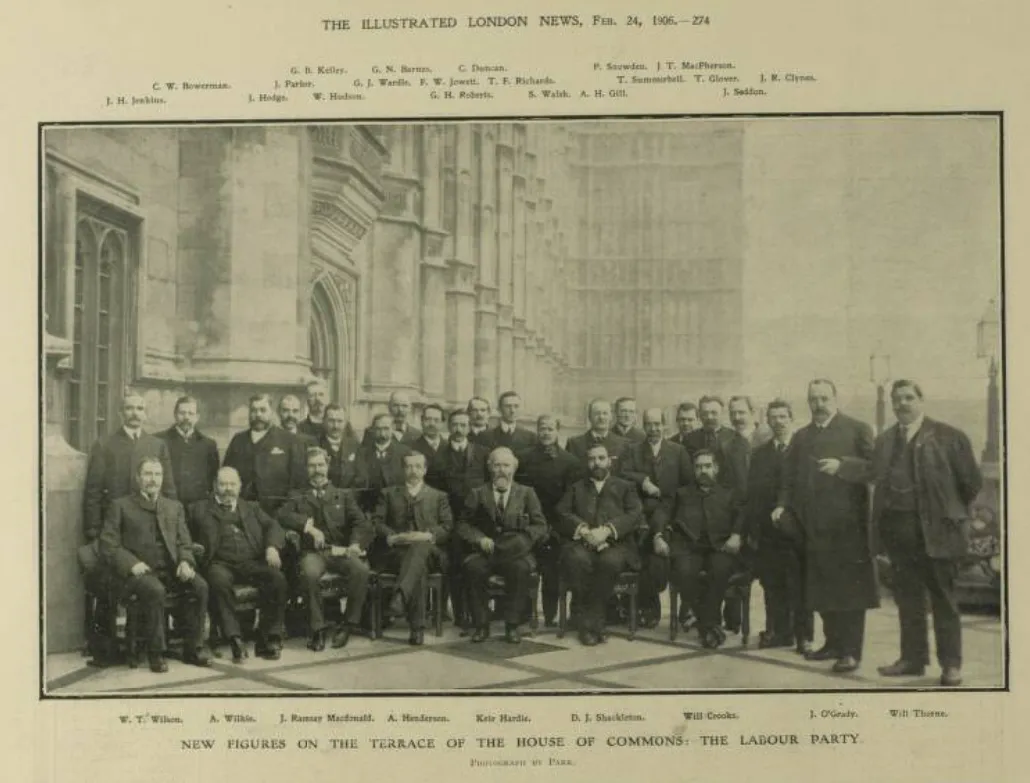
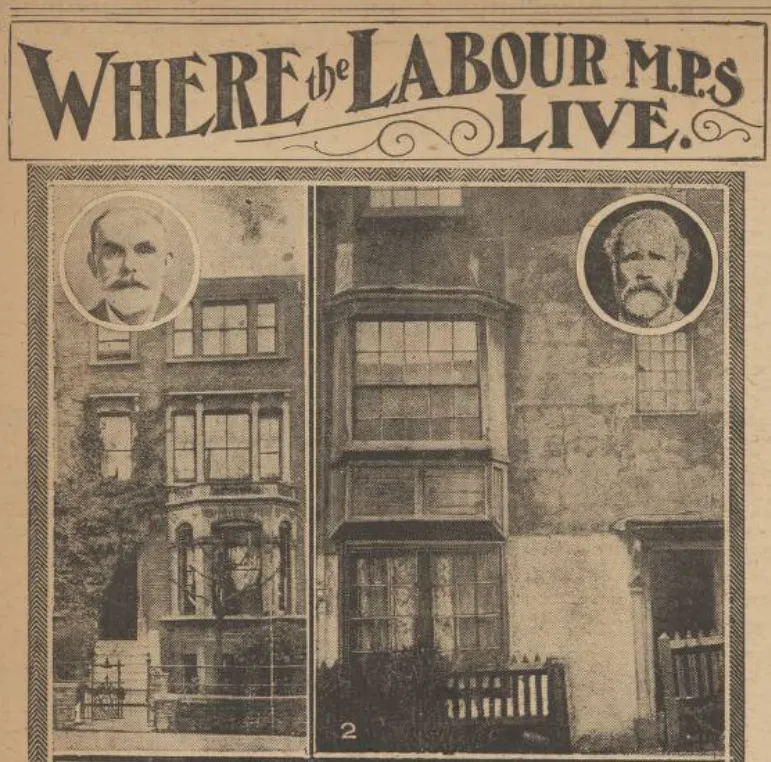
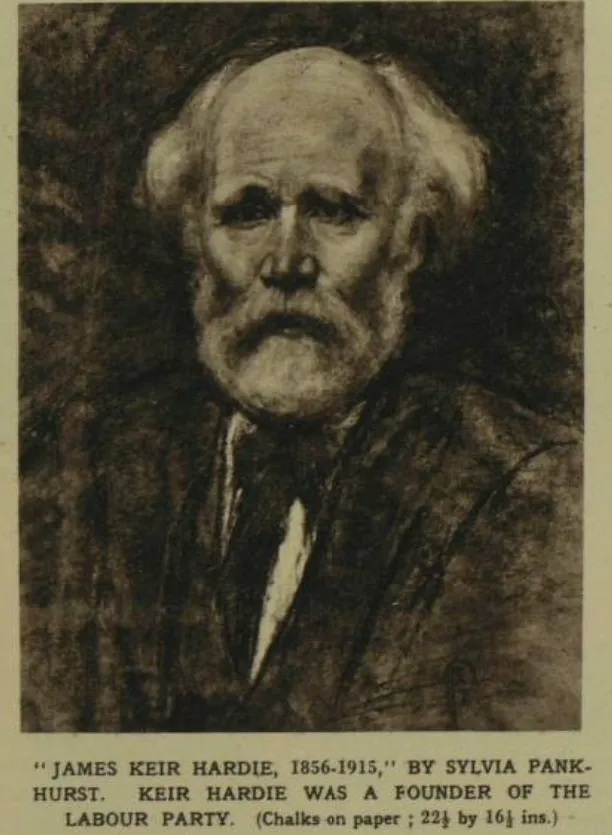
On 17 February 1906 the Labour Representation Committee affiliated paper, the Leicester Pioneer, reported on a meeting of the organisation at the Parliamentary Committee rooms in Westminster. Present were the 29 M.P.s of the LRC, who had just been elected to their positions. After the meeting, which was held in private and lasted ‘about two hours,’ it was revealed that ‘Mr. Keir Hardie had been appointed chairman of the Labour party…with Mr. Shackleton as deputy-chairman, Mr. J. Ramsay MacDonald as secretary, Mr. Henderson and Mr. MacDonald to act as whips.’
This article, printed on page two of the Leicester Pioneer is a curious one. It begins by discussing the LRC, and shifts to then talking about the ‘Labour party.’ Elsewhere on the page, we learn about this change of name, with the paper reporting how ‘the committee also recommended that in the future the name of the party be ‘The Labour Party,’ instead of ‘The Labour Representation Committee.’ A huge moment in the history of the Labour Party, the change was recognised under one column heading, ‘Change of Name,’ and this short sentence.
What was, however, more important, was the momentum of the Labour Party at this time. The Leicester Pioneer discusses the growth of the Labour Party at a local level, and the participation of more Labour candidates in elections. The meeting, meanwhile, also led to the decision that ‘members of the group should sit together on the Opposition side of the House.’ This feels like an important moment in British politics; the Labour Party establishing itself as united in its opposition of government.
The Leicester Pioneer on 17 February 1906, just two days after this momentous meeting, also contained reaction to the appointment of Keir Hardie as party chairman, effectively making him leader of the Labour Party. In the paper’s ‘Labour World‘ column, an anonymous member of the party praises the ‘the long and faithful services which Mr. Hardie has rendered on behalf of the principle of direct and independent Labour representation.’ The anonymous member stated his belief that Hardie would be a ‘sound leader and a capable adviser to the forces behind him.’
Keir Hardie (1856-1915) would last as the parliamentary Labour Party leader until 1908, when he resigned in favour of Arthur Henderson (1863-1935). Hardie would go on to use his platform to campaign for causes like Indian self-rule, women’s suffrage, and opposition to the First World War. The Labour Party, meanwhile, would go from strength to strength, with Ramsay MacDonald become the party’s first prime minister in 1924.
Discover more about the history of the Labour Party through the Leicester Pioneer, and our other early Labour newspaper, the Labour Leader, alongside our raft of other newspaper titles, today.
New Titles
Title | Years Added |
1892-1893 | |
1877-1896 | |
1864, 1879, 1889 | |
1905-1921 | |
1904-1913 | |
1901-1905, 1907-1909, 1911-1921 |
Updated Titles
This week we have updated 36 of our existing titles.
You can learn more about each of the titles we add to every week by clicking on their names. On each paper’s title page, you can read a free sample issue, learn more about our current holdings, and our plans for digitisation.
Title | Years Added |
1912-1919 | |
1870, 1879 | |
1838-1839 | |
2000-2005 | |
2002-2003 | |
1986, 1991, 1993 | |
1806 | |
1869-1870, 1874-1875, 1877-1878, 1881-1882, 1884-1885, 1887-1888, 1891-1892, 1895 | |
1884, 1892-1894 | |
1983 | |
1886 | |
1882 | |
1868 | |
1884 | |
1884-1890 | |
1914 | |
2001-2003 | |
Kilkenny Journal and Leinster Commercial and Literary Advertiser | 1873-1882, 1888-1893, 1895-1900 |
1966 | |
1994, 1996-2001, 2003-2004 | |
1855, 1857, 1894, 1908-1910, 1912-1914, 1919-1920, 1930-1933 | |
1911 | |
1912 | |
1928, 1934, 1966 | |
1883-1888 | |
1913-1914, 1916-1918 | |
1897-1900, 1903-1910, 1912 | |
1903-1904, 1909, 1911 | |
1878, 1911, 1930-1937, 1939, 1986, 2005 | |
1868-1869 | |
1856, 1860-1861 | |
1880, 1887 | |
1862 | |
1868-1869 | |
1849 | |
1990 |
You can keep up to date with all the latest additions by visiting the recently added page. You can even look ahead to see what we’re going to add tomorrow.
More on this topic:
Share this article
About the author

Rose Staveley-Wadham
Newspaper Licensing Manager
Published on Mon, 18 May 2026.