
Check out the Cheadle and Tean Times
Published on 2 June 2026 by Rose Staveley-Wadham
This week at The Archive we are delighted to welcome brand new title the Cheadle and Tean Times to our collection, as well looking back at the town of Cheadle’s remarkable fundraising efforts during the Second World War. And that’s not all, we’ve added a total of six brand new titles this week, covering everything from miners’ issues in Stoke-on-Trent to sport in the 1820s. Meanwhile, from Dundee to Dromore, from Flint to Feltham, from Leamington to Longford, we’ve updated a total of 31 titles from across the UK and Ireland, as we’ve added 312,589 brand new pages in all.
So read on to discover more about our new and updated titles of the week, and also to learn about the Cheadle Spitfire Fund, an impressive local fundraising drive undertaken during the Second World War.
Register now and explore The Archive
The Cheadle and Tean Times
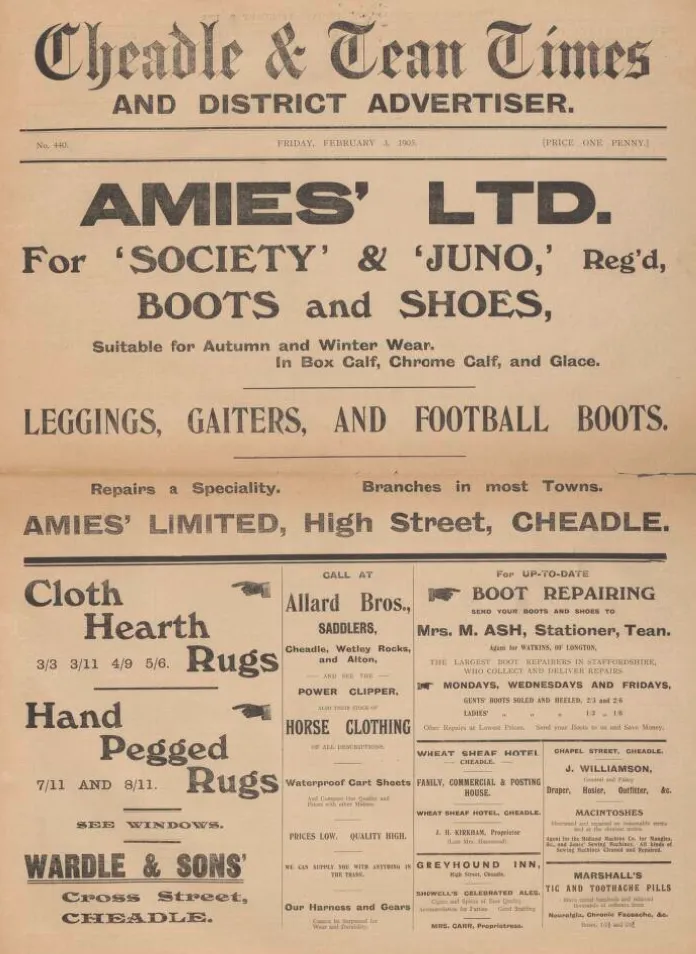
It’s only right, then, that we begin our journey through our new titles this week in Cheadle, a market town in Staffordshire, with the Cheadle and Tean Times. We are delighted to be able to bring this title to you, having worked in partnership with the Cheadle Discovery Group to digitise their holdings of the original publication.
Locally know as The Stunner, the Cheadle and Tean Times was established by Jesse Lowndes in 1896. At the age of only 24, Lowndes printed and published the Cheadle and Tean Times from a converted stable block of the Unicorn Inn on Cheadle’s High Street. At this time, the paper only had two members of staff, but the small team produced an eight-sided broadsheet.
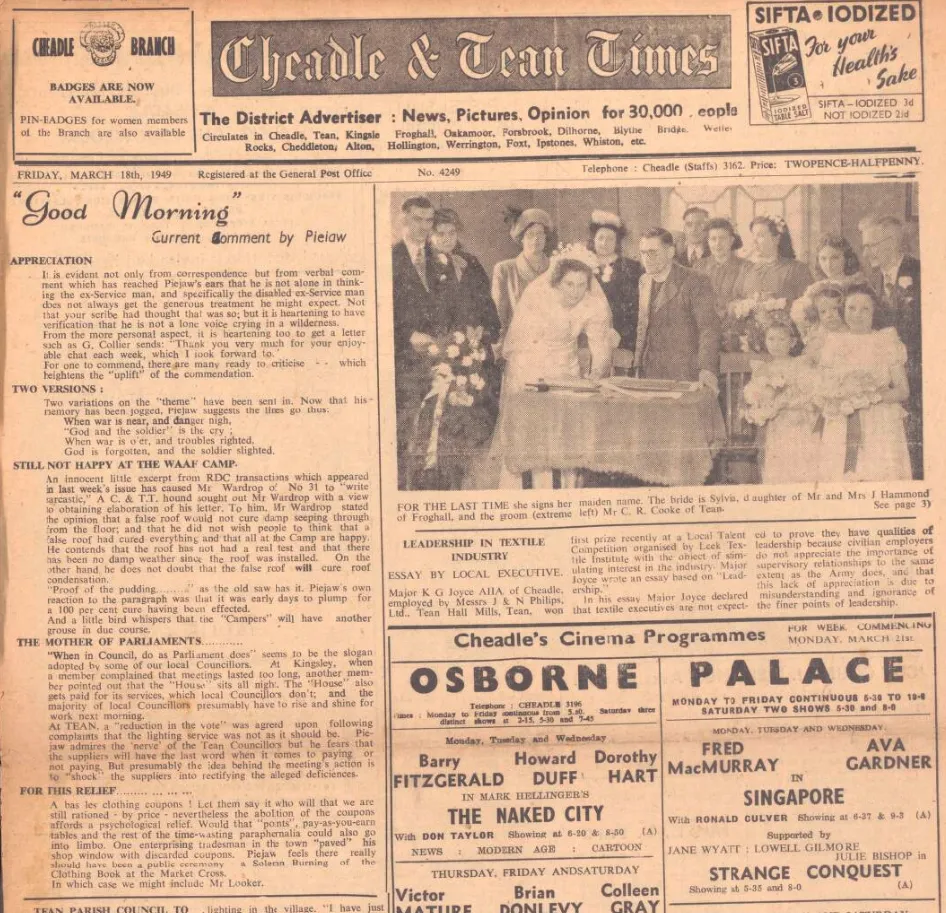
Appearing every Friday at the cost of 1 d., the Cheadle and Tean Times contained a lively mix of local news and special interest topics. For example, the paper published ‘Hints for the Home’ alongside ‘Personal Gossip,’ which detailed all the latest news and rumours regarding members of the nobility and other famous figures. Meanwhile, the paper covered local issues, with reporting from the Cheadle Police Court and the Forsbrook Parish Council, with national and international news also printed in its pages.
Sadly, the Cheadle and Tean Times closed in 1926, but with the encouragement and backing of Miss Evangeline Masefield (later Mrs. Blizzard), Lowndes was able to reopen the paper in 1929. When Lowndes retired in 1937, the publication continued under George Archibald Holmes. Known as Archie, Holmes had worked on the paper since leaving school.
After Archie Holmes passed away in 1953, the Cheadle and Tean Times was purchased by another employee, Percy Campbell. In 1961 the newspaper moved from its High Street premises to an office on Tape Street. Percy Campbell retired in 1980, and was succeeded by his son Paul.
In 1996 the Cheadle and Tean Times celebrated its centenary, later becoming one of the oldest independent newspapers in Staffordshire. In July 2023 the last ever edition of the paper was published.
The Chipping Norton Advertiser
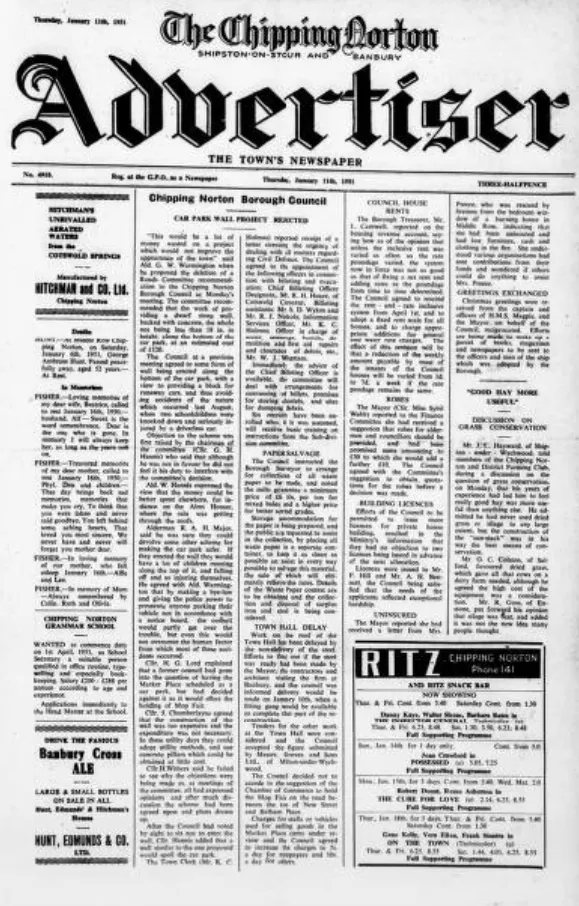
From Cheadle now to Chipping Norton, the Oxfordshire market town in the Cotswolds, and the Chipping Norton Advertiser. The Chipping Norton Advertiser began life in 1930 as the Chipping Norton News, appearing every Friday priced at 1 1/2 d. Independent in its politics, the Chipping Norton News became known as the Chipping Norton Advertiser in 1933.
Much like the Cheadle and Tean Times, the Chipping Norton Advertiser was another lively local paper, which catered to a range of interests. Publishing a ‘Health Notes’ column alongside a children’s corner, as well as news from the capital by way of Jack Londoner’s ‘A Man About Town’ feature, the Chipping Norton Advertiser also published detailed local news, with an especial focus on sport in the area.
Indeed, the Chipping Norton Advertiser had a page devoted to football, with further reporting on hockey, hunting, cricket, and even the local baseball club. With regards to local news, the paper published church notices, updates from the Borough Police, details about accidents in the area, and a fascinating ‘overhead’ in Chipping Norton column. Furthermore, the Chipping Norton Advertiser looked into the history of local landmarks, such as St. John’s Priory in Banbury, as well as providing ‘District Information’ from the likes of Adderbury, Bloxham, Deddington, Hook Norton, Shenington and Tysoe.
The paper, which filled eight pages, also published a helpful ‘forthcoming events’ section, alongside notices of births, marriages, and deaths.
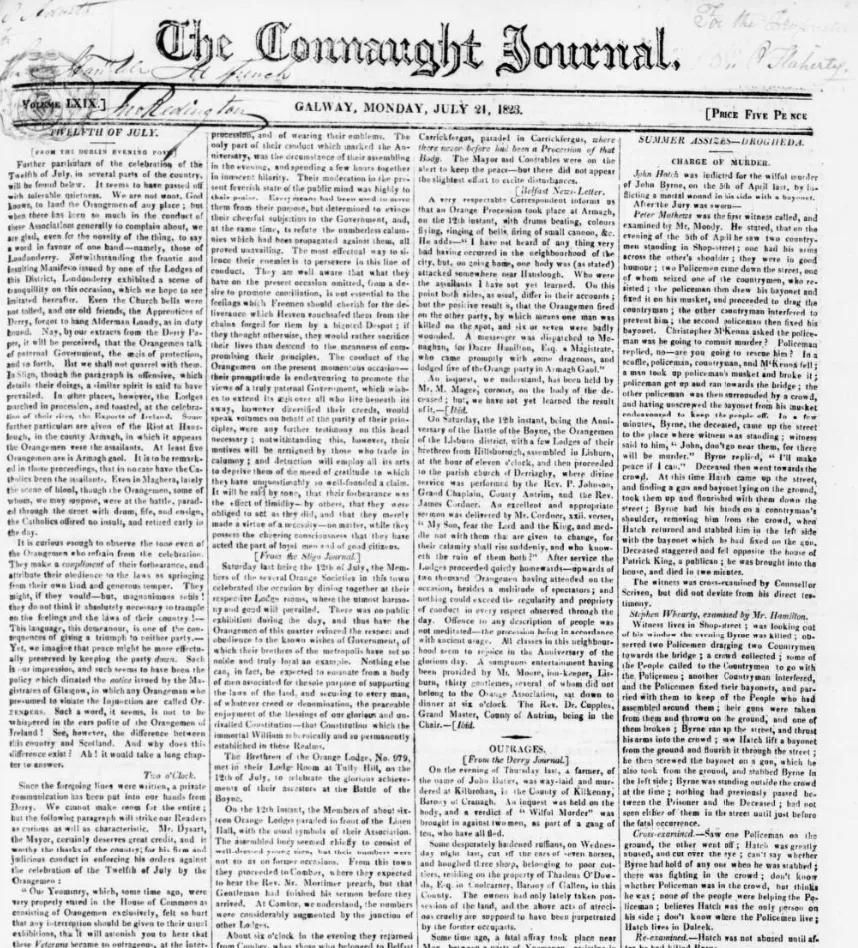
The Connaught Journal
We travel now to Ireland for our next new title of the week, and specifically, to the city of Galway, as we welcome the Connaught Journal to our collection of historical Irish newspapers. Founded in Galway in 1754, and published on Cross Street Lower, the Connaught Journal appeared twice a week, on Mondays and Thursdays.
In the early 19th century, this regional Irish newspaper cost 4 d., with the title’s main focus being news from parliament, summaries from the London press, military news and news from abroad. By 1823, the price of the Connaught Journal had risen to 5 d., with the newspaper now featuring more news from Ireland, with ‘provincial intelligence’ published from the likes of Limerick, Louth, Carlow, and Armagh.
Filling four pages, the Connaught Journal also featured news regarding tithes in Ireland, the Irish militia, and notices of births, marriages, and deaths. The paper ceased publication in 1840.
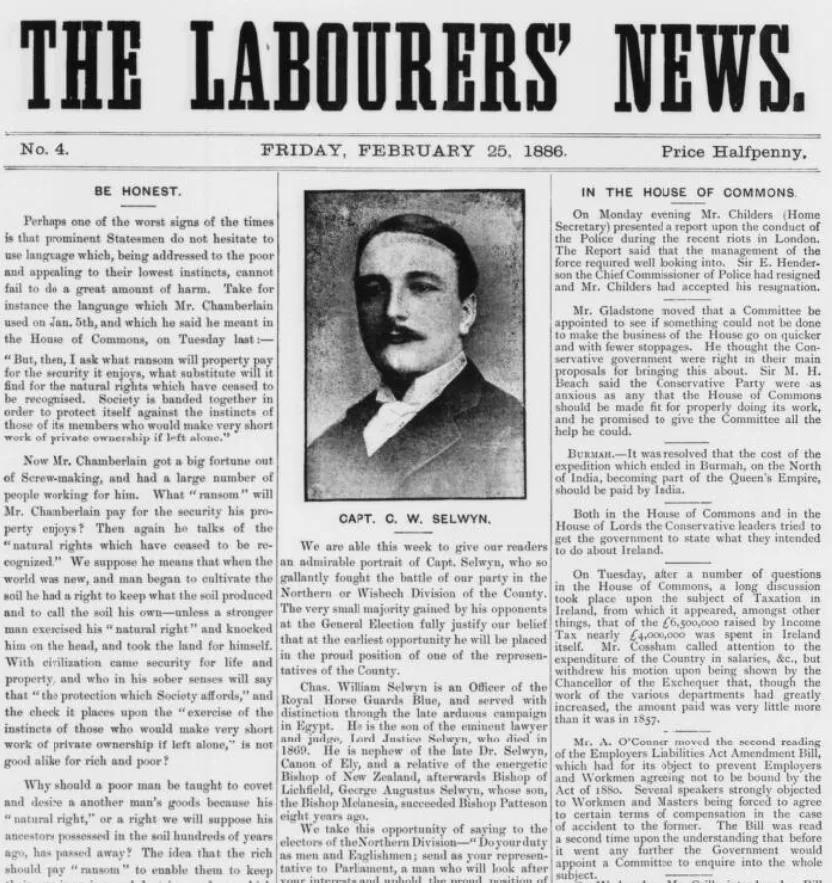
The Labourers’ News
Our next new title this week takes us to Cambridge, with the introduction of the Labourers’ News. ‘A Weekly Paper for the Agricultural Classes,’ the Labourers’ News was first published on 5 February 1886, featuring ‘plain leading articles; a simple summary of what has occured during the week, [and] notes for labourers.’
Although written for labourers in the Cambridgeshire area, the Labourers’ News was not written by labourers. Indeed, the Labourers’ News was produced with a very specific aim, which was wrapped around an outward demonstration of care for the working classes. As the paper’s debut editorial stated:
English Labourers, now that they have got the vote, ought to know something about the work of Parliament, and the opinions of its members upon the great questions of the day; and there are many of these questions which very much concern labourers, as to their health and comfort, their homes, their work, their wages, and the best way of bettering their lives… the Labourers’ News has been started to give the information that is wanted; and we think there could hardly be a better time for its appearance than now, when the Liberals, or Radicals, call them which you please, have come into power hand in hand with Mr. Gladstone.
The Labourers’ News was, then, hugely paternalistic, shepherding its readership to support the Conservative party. Indeed, it was brazen in its mission, describing how ‘we shall try to point out how much better our dear old country gets on with a Conservative government than she does with a Radical one.’
Therefore, the Labourers’ News represented an attempt to mould potential Conversative party voters from a new electorate, which had been created following the Representation of the People Act 1884 (the Third Reform Act), which allowed men who owned or tenanted property with an annual rateable value of £10 to vote. This uniformed the voting franchise across rural and urban areas, with those behind the Labourers’ News recognising the importance of drawing in new voters throught its columns.
Somewhat patronisingly, however, the paper promised to simplify the great matters of politics and global events for its readership of agricultural labourers. Its four pages, which cost only one halfpenny, were filled with summaries of news, alongside profiles of prominent political figures, and updates from the county of Cambridgeshire.
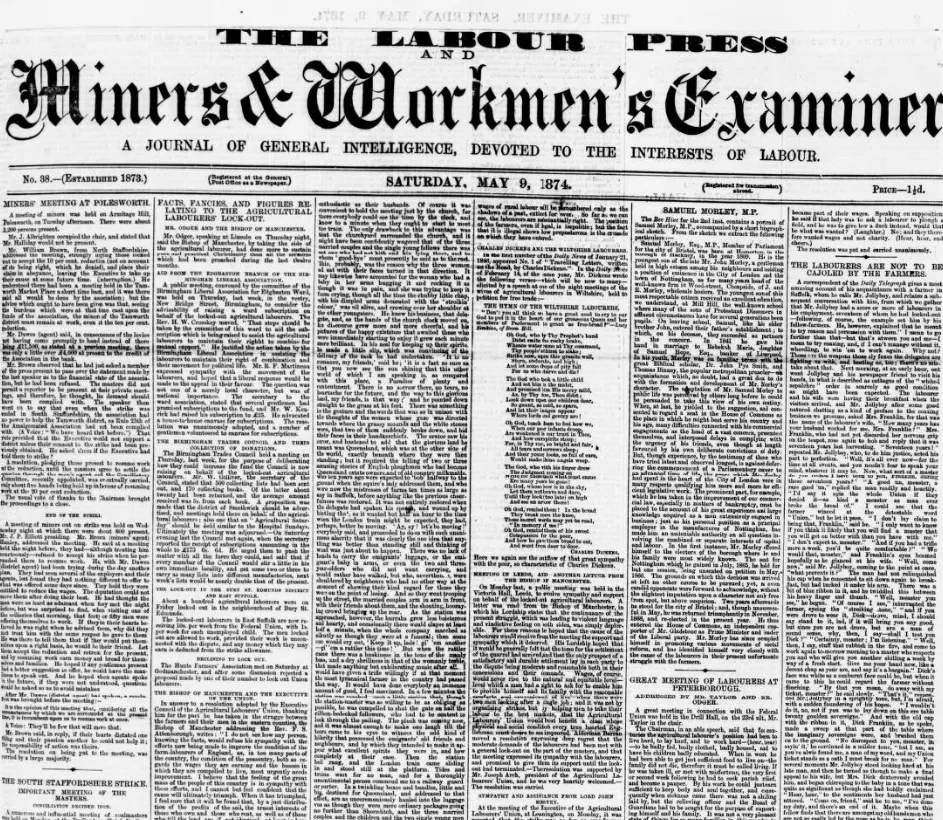
The Miners and Workmen’s Examiner (Stoke-on-Trent)
We get onto a true labourers’ title now with the addition of the Miners and Workmen’s Examiner (Stoke-on-Trent). First published in Stoke-on-Trent, Staffordshire, in 1873, an area famed for its industrial pottery manufacture and its mining industry, the Miners and Workmen’s Examiner was established by trade unionist and potter William Owen (1844-1912).
As per the Dictionary of Nineteenth-century Journalism in Great Britain and Ireland, the Miners and Workmens’ Examiner was ‘intended to be the working-class answer to The Times.’ ‘An organ of underground labour,’ the Stoke paper covered labourers’ issues of all sorts. For example, it reported on strikes of agricultural labourers, labourers’ wages in the north of England, the Working Men’s Parliamentary Association, the Shropshire iron and coal trades, agitation in the Bromsgrove nail trade, and lockouts in the tinplate trade.
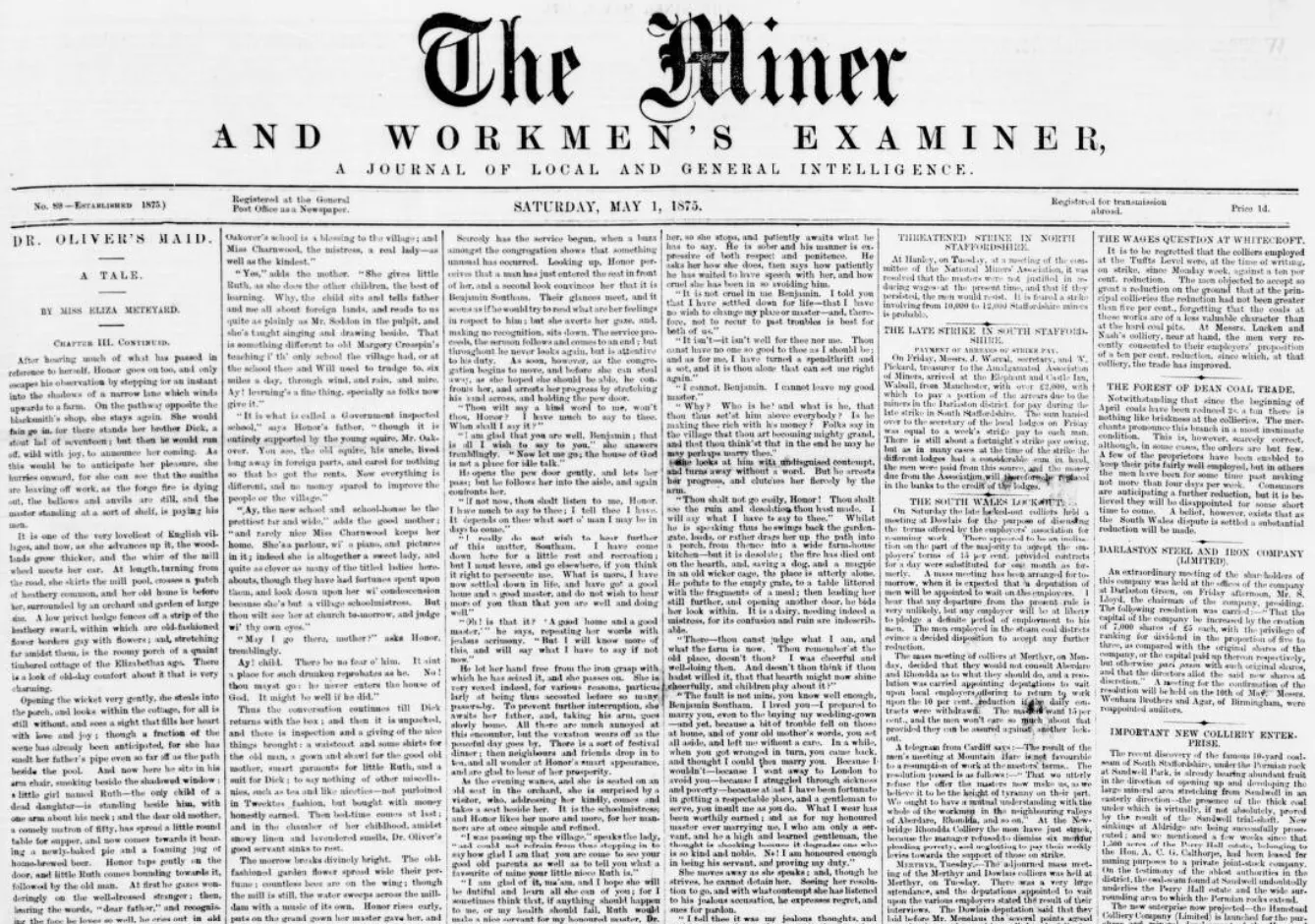
Filling eight pages, this ‘Journal of General Intelligence, Devoted to the Interests of Labour,’ appeared every Saturday at the cost of 1 d. Alongside news from a range of trades, the Miners and Workmen’s Examiner also published local news from the likes of Tamworth, Swadlincote, Ilkeston, and Clay Cross, alongside serialised fiction, poetry, international and national news, and details of local wills and bequests. From 1875 onward the publication changed its name to The Miner, and it was absorbed in 1878 into the Midland Examiner and Wolverhampton Times, which itself folded in 1879.
Nimrod
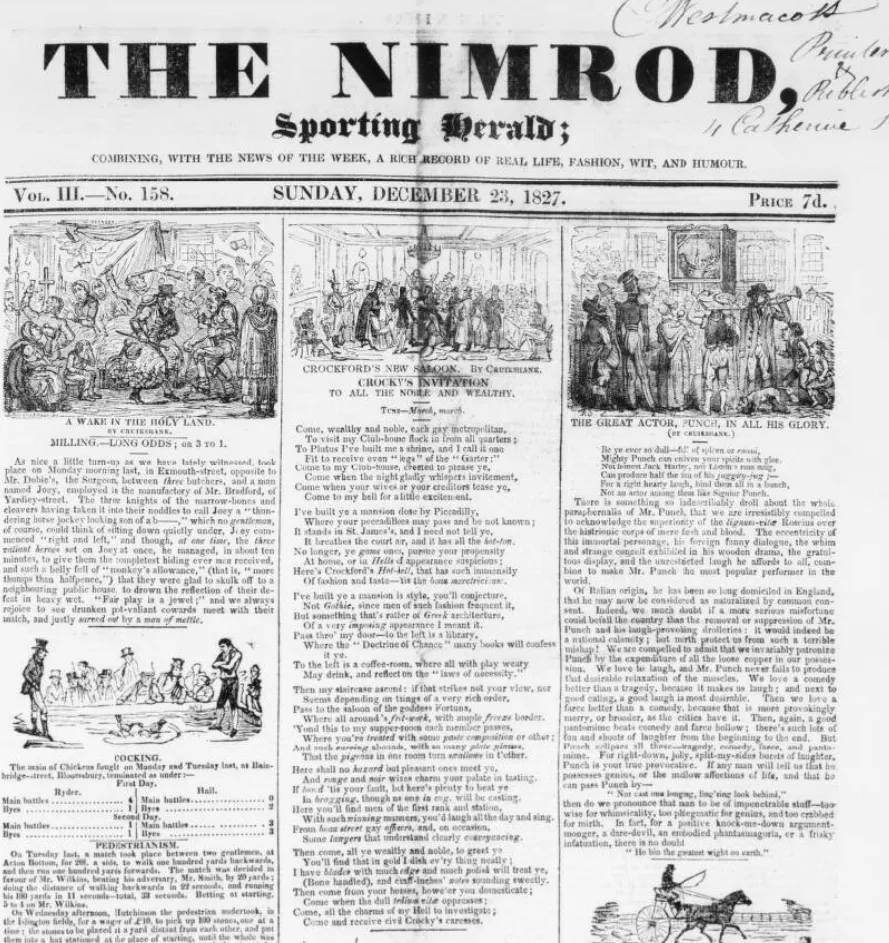
Our final new title of the week is Nimrod, which was published in London in the 1820s. Subtitled the Sporting Herald, Nimrod promised to combine ‘the news of the week’ with a ‘rich record of real life, fashion, wit and humour.’
Indeed, as per its Biblical namesake, Nimrod featured an array of news connecting to hunting, with details of hunting appointments, pigeon shooting matches, and coursing meets. Nimrod, which appeared every Sunday priced at 7 d., also reported on other sporting matters, taking in pedestrianism, wrestling and boxing.
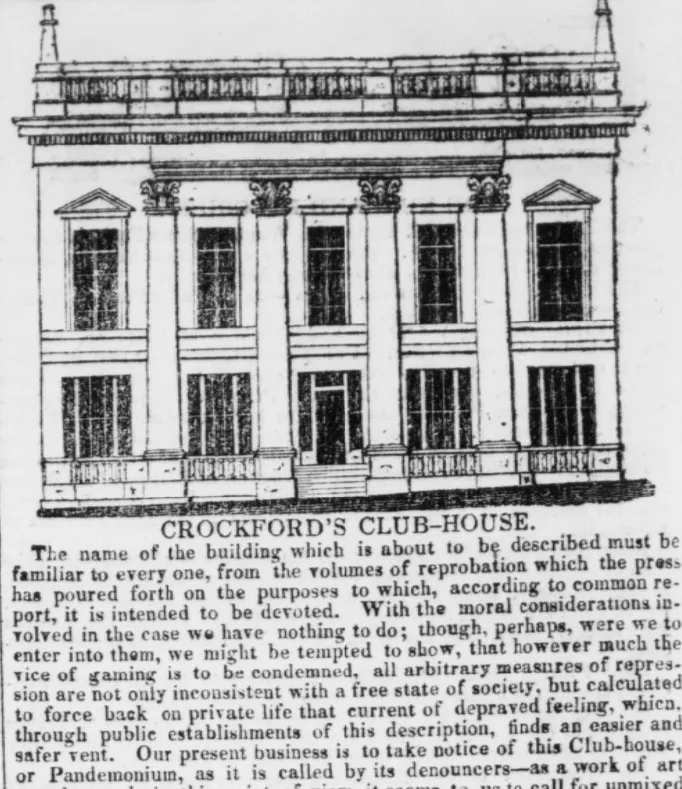
Meanwhile, Nimrod, which filled eight pages, covered court news, the latest London theatre productions, police news and profiles of London establishments like ‘Crockford’s club-house,’ the latter even being accompanied by drawings. The Sunday paper, furthermore, printed lively accounts with titles like ‘Nimrod’s Yorkshire Tour’ and ‘Day and Night Scenes’ by Old Tom Whipcord, alongside items of poetry and notices of births, marriages and deaths.
Our updated titles
That’s it from our new titles of the week but we have an amazing 31 updated titles this week for you to enjoy too. One of our largest updates of the week encompasses one of our Welsh titles, the Flint & Holywell Chronicle, to which we’ve added over 37,000 brand new pages. We’ve also updated a further two of our titles from Wales, namely the Rhyl Record and Advertiser and the Prestatyn Weekly.
Other large updates this week are to the Burton Daily Mail (over 21,000 brand new pages) and the Cambridge Daily News (over 22,000 brand new pages). Meanwhile, we’ve updated a duo of titles each from the Republic of Ireland (the Longford Journal and the Kings County Chronicle) and Northern Ireland (the Dromore Weekly Times and West Down Herald and the Downpatrick Recorder), with updates to six of our Scottish titles.
Finally, for those with an interest in all things military history, we’ve added new pages to the Army and Navy Gazette and the Aldershot Military Gazette.
The Cheadle Spitfire Fund
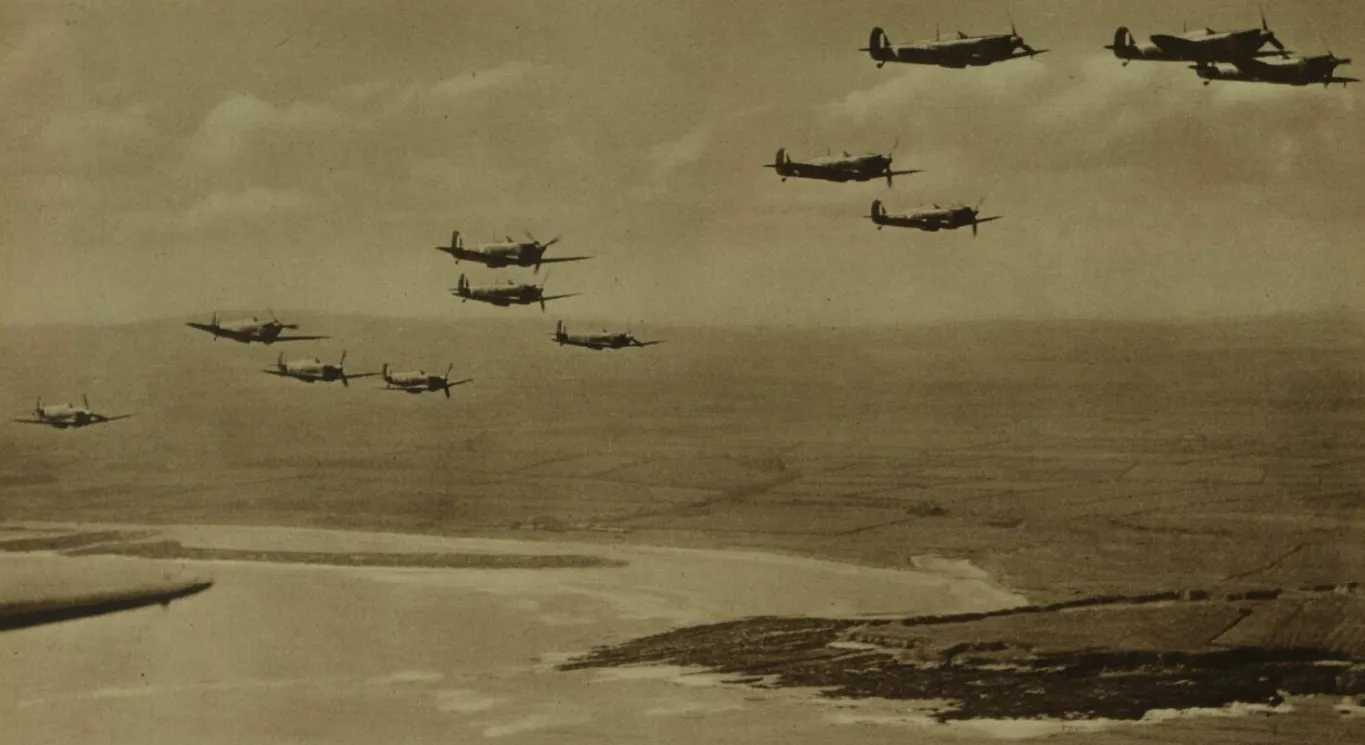
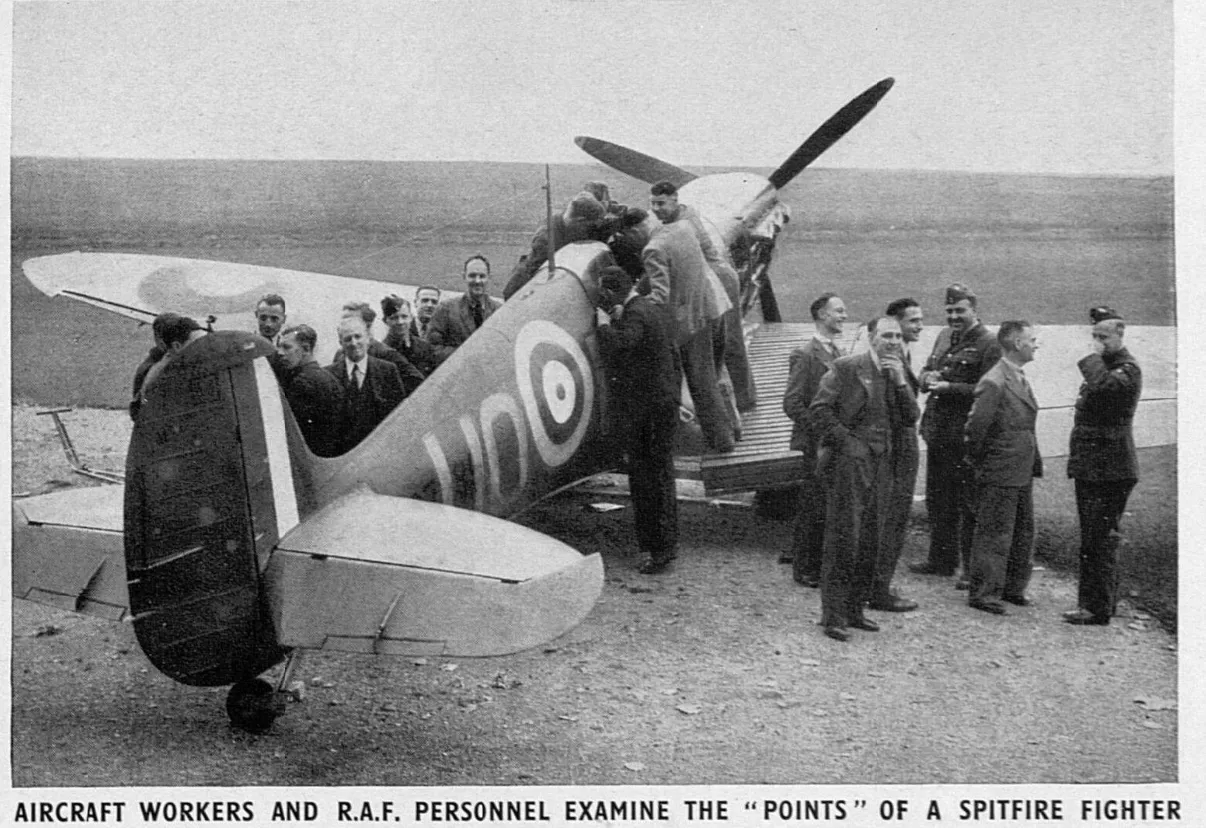
During the Second World War, the town of Cheadle banded together in order to support the purchase of a Spitfire. Our new title the Cheadle and Tean Times chronicles the town’s fundraising efforts, in what was a remarkable gesture of wartime spirit, something that was mirrored by communities across Britain.
The first mention of the Cheadle Spitfire Fund in the Cheadle and Tean Times comes from 30 August 1940, during the height of the Battle of Britain. The paper reports how the Chairman of the Cheadle Rural District Council, Mr. J.W. Steele, had announced that ‘he had received requests to established a Spitfire Fund.’ Mr. Steele explained how:
This means… no less a sum than £5,000, which is a very large sum for an industrial district to raise. Nevertheless, I feel we ought to make a determined effort; I should not like to think that Cheadle has been found wanting.
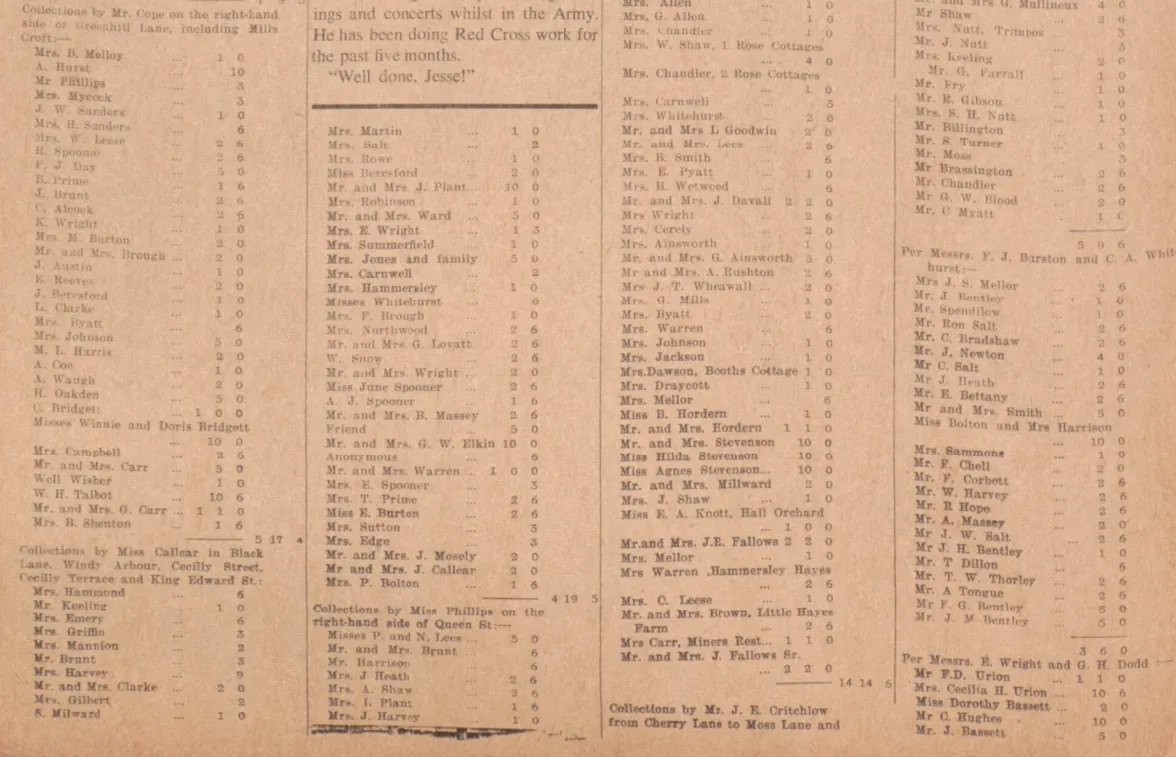
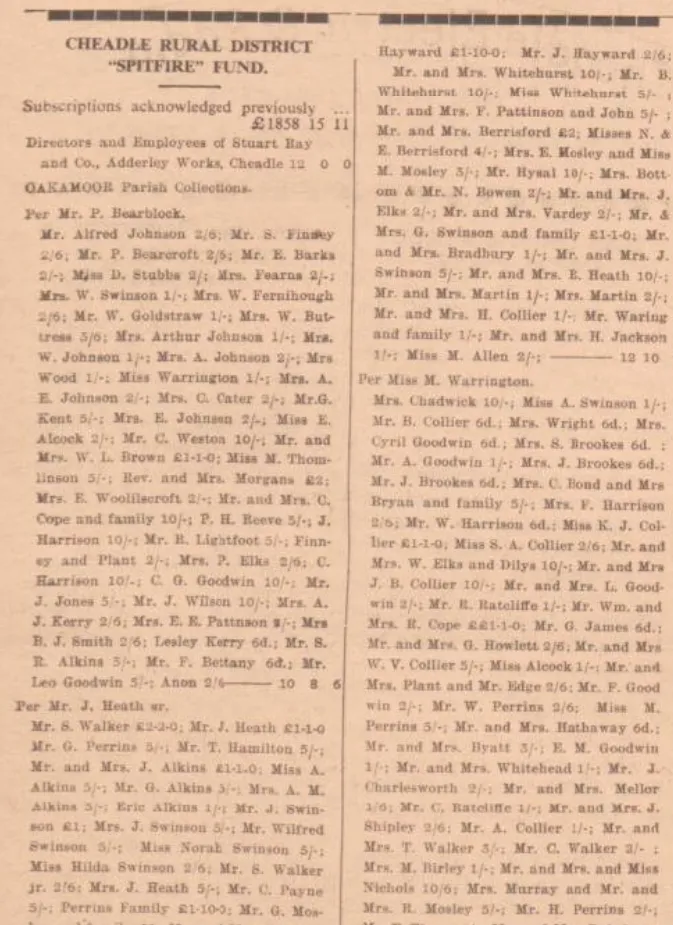
It was indeed a very large sum; £5,000 equates to some £745,000 in today’s money. But the people of Cheadle and the surrounding area responded enthuastically, as evidenced by the Cheadle and Tean Times. The newspaper contains regular updates to the ‘Cheadle R.D.C. ‘Spitfire’ Fund’ Subscription List,’ which gave the names of those who had contributed to the cause. The Cheadle and Tean Times edition from 4 October 1940 features a rather lengthy list; indeed, it fills one page and has to move onto the next.
What’s remarkable about these lists are the details that come with them. For example, we learn of the collections made by Mr. Cope ‘on the right-hand side of Greenhill Lane, including Mills Croft,’ and those made by Miss Callear in Black Lane, Windy Arbour, Cecilly Street, Cecilly Terrace and King Edward Street. In quite an effective marketing campaign, you could tell whether or not your neighbour had donated, and the pressure would have been on to make your own donation.
The Cheadle and Tean Times kept a running total of subscriptions raised, and by 27 December 1940 it had changed the format of the subscription list to optimise space within its pages, as the donations kept rolling in. On 14 March 1941 the newspaper printed the results funded by events like weekly whist drives, the sale of badges, and a Spitfire dance. The Cheadle and Tean Times also promoted fundraising events, like the rummage sale that was held at the Wesley Schoolroom on 23 November 1940.
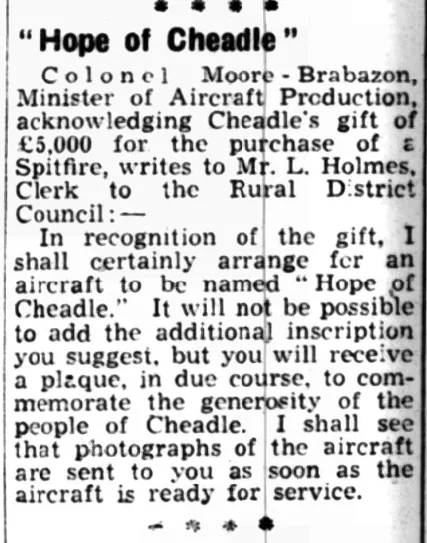
On 28 November 1941 the Cheadle and Tean Times reported how fundraising had now been ‘practically completed,’ and how it remained to be decided what the Spitfire should be named, and how the funds should be handed over. ‘There were several suggestions for the name,’ but it was Mr. Podmore’s choice of ‘The Hope of Cheadle’ that was chosen by unanimous vote, ‘with the addition of ‘Staffs, R.D.’ after the word Cheadle lest Cheadle Hulme get the credit, and the efforts of the villages be overlooked.’
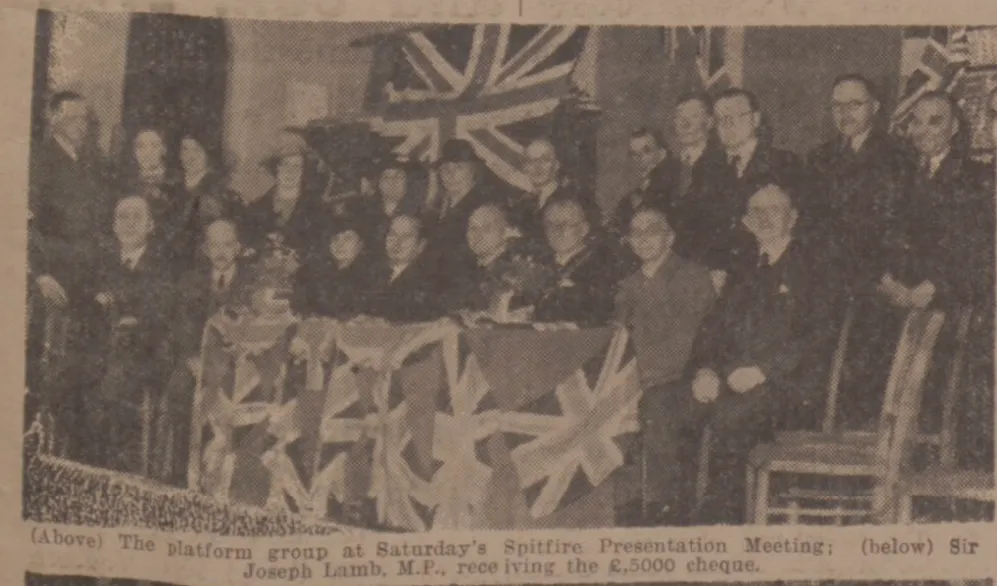
The celebratory moment of handing over the funds to Cheadle’s local M.P., Sir Joseph Lamb, occurred in January 1942, less than two years after the funding drive began. As the Cheadle and Tean Times reported on 23 January 1942, dignitaries gathered at the Wesley Schoolroom, and various speeches of thanks were made. During the event, a satirical telegram was received that read:
‘Greviously disappointed result spitfire effort stop give a chap a chance & signed adolf hitler.’
The Hope of Cheadle Spitfire, also known as the Spirit of Hope, went into service and was sadly lost in June 1942 in fighting over France, near Étretat, Normandy. However, the community of Cheadle are celebrating the legacy of the fundraising efforts this year, with the Cheadle Discovery Group organising a special Cheadle Spitfire Day this Saturday, 6 June.
Discover more about the Cheadle Spitfire fund, other fundraising efforts during the Second World War, and much more besides, through the pages of our newspapers today.
New Titles
Title | Years Added |
1930-1949, 1951-1966 | |
1905-1925, 1929-1949 | |
1813, 1823-1836, 1839-1840 | |
1886-1887, 1889 | |
1874-1878 | |
1827-1828 |
Updated Titles
This week we have updated 31 of our existing titles.
You can learn more about each of the titles we add to every week by clicking on their names. On each paper’s title page, you can read a free sample issue, learn more about our current holdings, and our plans for digitisation.
Title | Years Added |
1921-1932 | |
1873-1883 | |
1884-1887, 1889, 1902, 1904-1905, 1907, 1923-1924, 1935, 1938, 1945, 1947 | |
1870, 1897, 1911, 1921-1929, 1951 | |
2000, 2005 | |
2005 | |
2001-2005 | |
1911, 1921 | |
1911, 1914-1919 | |
2001-2002, 2004-2005 | |
1951, 1964-1966 | |
1894, 1919, 1924-1925, 1931-1932, 1942-1943, 1946 | |
1878-1899, 1901-1914, 1916-1919 | |
1932-1939, 1950-1951 | |
1943-1944 | |
2001, 2004-2005 | |
1914-1915, 1919 | |
2001, 2003 | |
2000-2005 | |
2000-2005 | |
1918-1919, 1936, 1939, 1950 | |
2000 | |
1882-1913, 1921-1925, 1927-1963 | |
1911-1918 | |
1884-1888 | |
1934-1961 | |
1942, 1944, 1947-1948 | |
1903-1911, 1916-1921 | |
1961-1966 | |
1926, 1930-1939, 1948 | |
2003-2005 |
You can keep up to date with all the latest additions by visiting the recently added page. You can even look ahead to see what we’re going to add tomorrow.
More on this topic:
Share this article
About the author

Rose Staveley-Wadham
Newspaper Licensing Manager
Published on Tue, 2 June 2026.