Skip to content

Search the blog

Tag: recipesTag: advanced-searchTag: child-labour
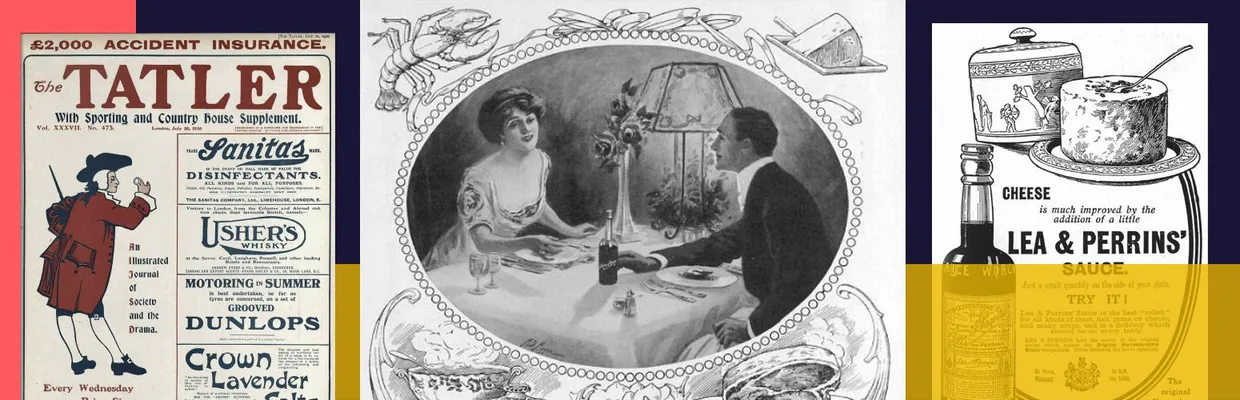
Image showing a montage of newspaper and magazine images
An exciting feature of the new British Newspaper Archive will be the advanced search capabilities that are coming to the site.Searching historic newspapers has always been a balancing actSearching historic newspapers has always been a bit of a tightrope walk. Search too narrowly and you miss the articles you need. Cast the net too wide and you’re wading through pages of irrelevant results. Throw in inconsistent spelling, occasionally damaged print, and the inevitable quirks of Optical Character Recognition
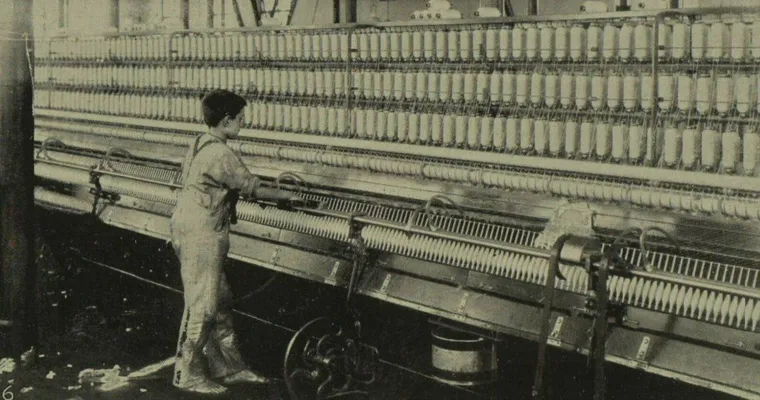
Here at The Archive we are delighted to welcome 204,443 brand new pages this week, as we mark 125 years since the passing of the Mines (Prohibition of Child Labour Underground) Act 1900, which banned children under the age of thirteen from working underground in mines. This act, following the raising of the school leaving age to twelve in 1899, represented an important milestone in the eradication of child labour.Meanwhile, we’ve added eight brand new titles this week, which span the length and
In October 1823, the Public Ledger and Daily Advertiser asserted:The charge and duty of Government are not merely to increase the numbers of men, but to promote and increase their happiness. Industry is the most powerful engine of this happiness, because it is the spring of all their riches. Government, then, should encourage labour, and by due reward, endeavour to avail of, and augment its useful products…The article, entitled ‘Political Economy,’ goes on to recommend how ‘the power of
Register today!It is that time of the year.  The trees have been decorated, the lights strung up around the windows, nativity scenes assembled, and stockings hung (by the chimney with care).  It also means that it is time to start planning your Christmas dinner.  For many of us, that means making travel arrangements, but for the hosts of these pivotal dinners, it means creating an efficient plan, ordering the turkey, picking the best vegetables, and food preparation.  To help
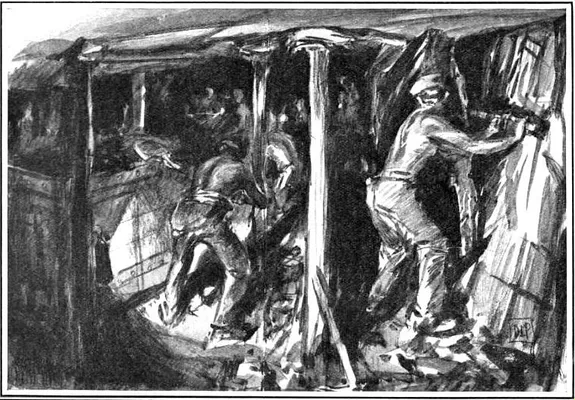
Derbyshire Miners Coal-getting at the Bolsover Face. Drawn by D Macpherson
In the month of August, we have looked at occupations and employment through the newspapers.  To finish our theme this month, we are taking a closer look at coal miners, specifically in the 19th century.  An initial search for miners reveals explosions, accidents, and strikes in the vast amount of mines operating across Great Britain.  We will look at these topics in closer detail.The first coal mine was sunk in Scotland, under the Firth of Forth in 1575.  As the
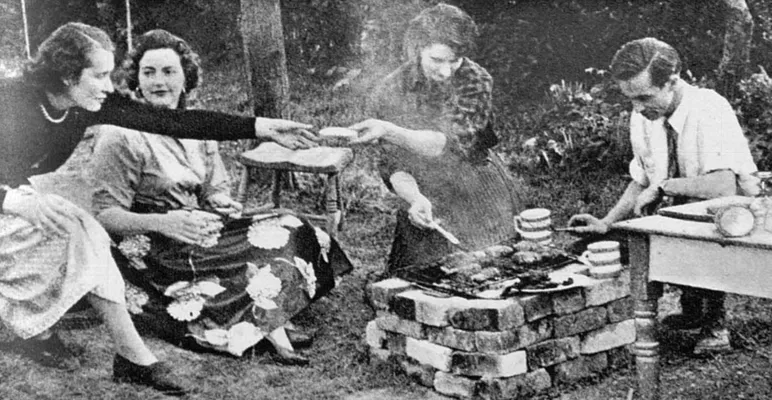
It is that time of year.  The sun is shining and we have been to the DIY store at least three times to buy new patio furniture or get new flowers.  The gardens are set and now we need to get the barbeque prepped and have friends over to enjoy the sun.  This month, in Cookery Corner, explore the British Newspaper Archive for some delicious recipes to have for your barbeque.Barbecue PartiesWe can see from the newspapers, outside
During our first ever webinar, we have over 600 questions from more than 3,500 registered viewers. It was incredible to get so much feedback and interaction from our viewers.  Here we will share a sample of the questions from our webinar event.Didn’t get a chance to see the webinar?  Watch the event now.(The discount offer is no longer valid)QuestionsSometimes I try to find a name in the newspaper archive and it says there are no matches. Why and
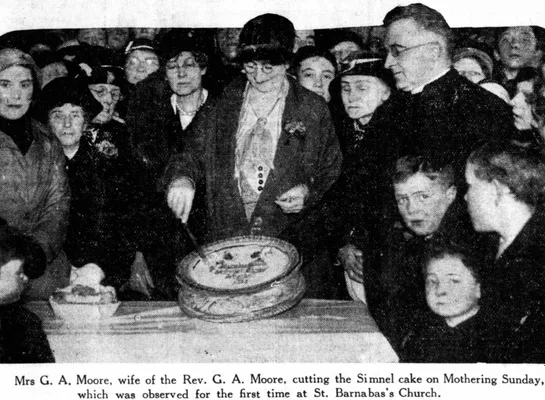
Whilst Mothering Sunday is now commonly combined and celebrated with the secular holiday of Mother’s Day in the United Kingdom and Ireland, its origin is religious in nature and separate from that of the American Mother’s Day.Starting in the 1700s, individuals would attend a special service on Laetare Sunday (the fourth Sunday of Lent) at their mother church (usually the church where an individual was baptised or their local parish church/closest cathedral). This activity was soon coined as going
“I won’t be embarrassed by what I discover, bring it on! Let’s have an adventure.” – Warwick DavisIn last night’s episode of Who Do You Think You Are? we joined Warwick Davis, best known for his acting career, as he uncovered a few family secrets including bigamy and multiple marriages on his mother’s side of the family, as well as tragedy and another successful performer on his father’s side.Searching for a Local PubWarwick wanted to find out about
You can search more than 390,000 newspaper pages from 1914-1918 at The British Newspaper Archive, with more being added all the time. Juliet Greenwood got in touch to explain how she used the collection to research World War One recipes for her novel, We That Are Left.**************When I first began writing a novel set during the First World War, I knew I wanted to focus on the experience of women and civilians.For Elin, the heroine of We That Are Left,