Hot Off The Press – New Titles This Week
Published on 28 July 2025 by Rose Staveley-Wadham
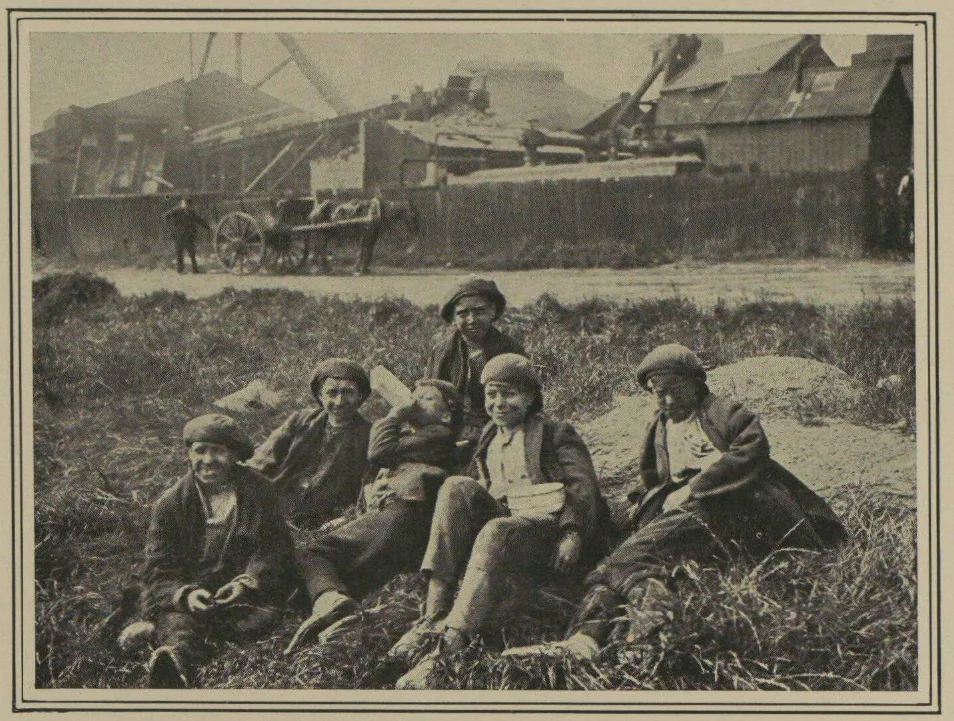
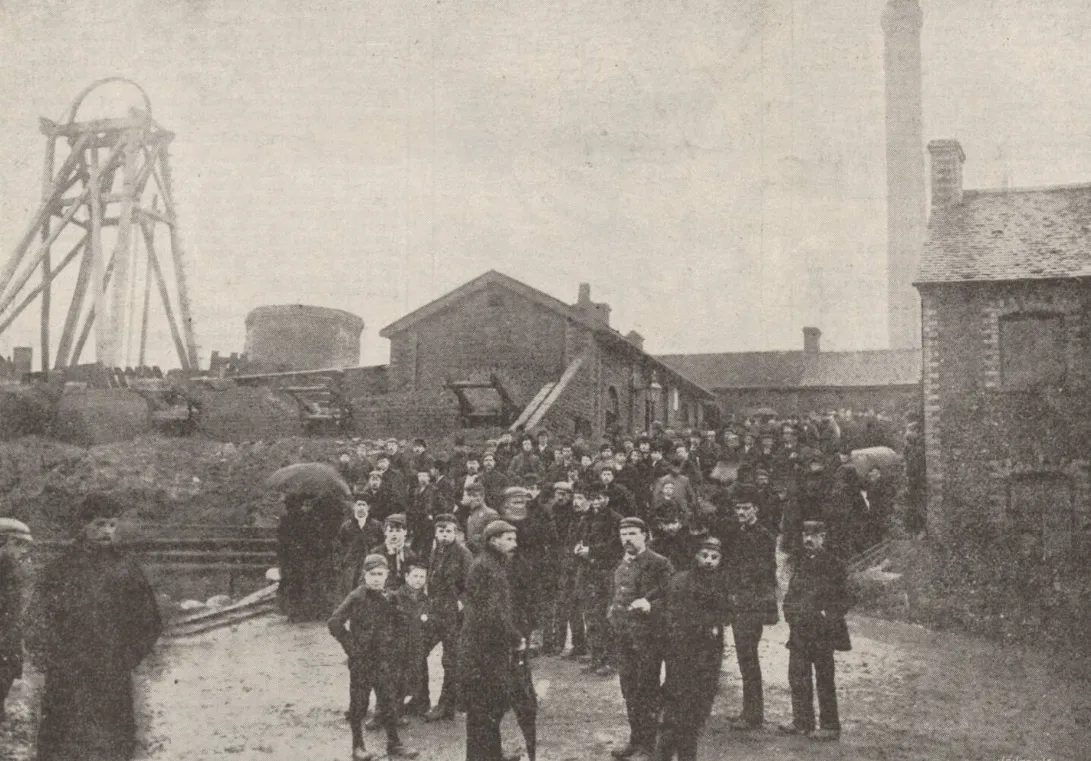
Here at The Archive we are delighted to welcome 204,443 brand new pages this week, as we mark 125 years since the passing of the Mines (Prohibition of Child Labour Underground) Act 1900, which banned children under the age of thirteen from working underground in mines. This act, following the raising of the school leaving age to twelve in 1899, represented an important milestone in the eradication of child labour.
Meanwhile, we’ve added eight brand new titles this week, which span the length and breadth of England, as well as covering the Isle of Man. We’ve also updated twenty of our existing titles from across the United Kingdom, Ireland and beyond. So read on to discover more about our new and updated titles of the week, and also to learn about the Mines (Prohibition of Child Labour Underground) Act 1900.
Register now and explore The Archive
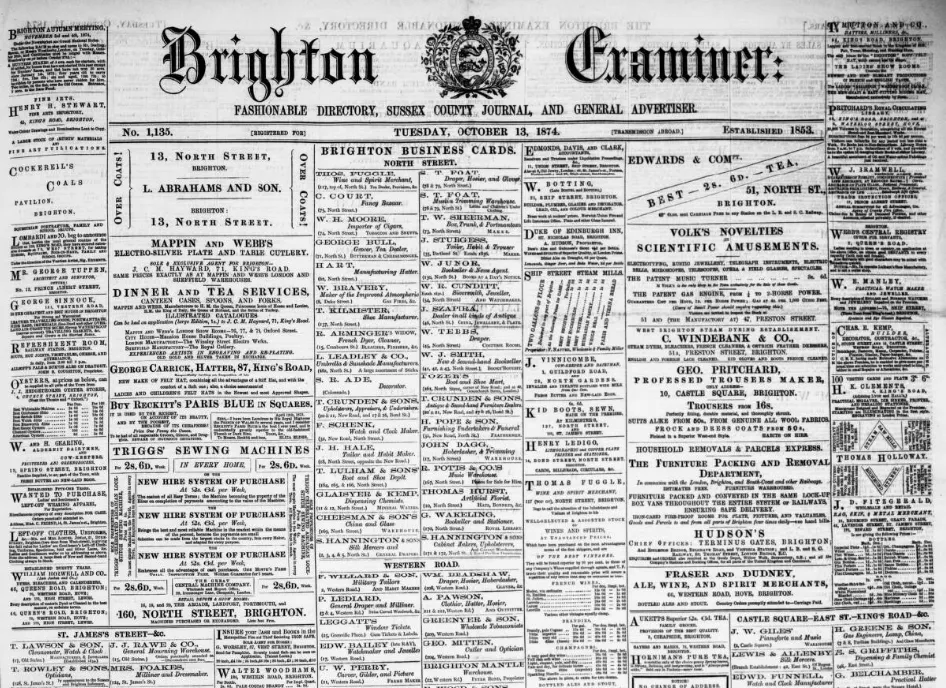
The Brighton Examiner
Established in 1853 with the full name of the Brighton Examiner: Fashionable Directory, Sussex County Journal, and General Advertiser, this weekly title circulated across Sussex, with distribution in the towns and cities of Brighton, Lewes, Worthing, Arundel, Chichester, Hastings, Horsham, Eastbourne, Littlehampton and Bognor.
Advocating ‘Liberal principles and measures generally,’ the Brighton Examiner captured ‘fashionable arrivals’ to the Sussex seaside resort town in the shape of ‘alphabetically arranged’ lists. The newspaper, meanwhile, covered ‘public amusements’ like theatre productions and upcoming balls. The Tuesday title also printed local intelligence, featuring the latest from the Brighton Police Court and the Borough Quarter Sessions, alongside poetry, literary reviews, and notices of births, marriages, and deaths.
By its 34th year, the Brighton Examiner, ‘having a large and national circulation,’ printed two editions a week, which appeared every Tuesday and Friday.
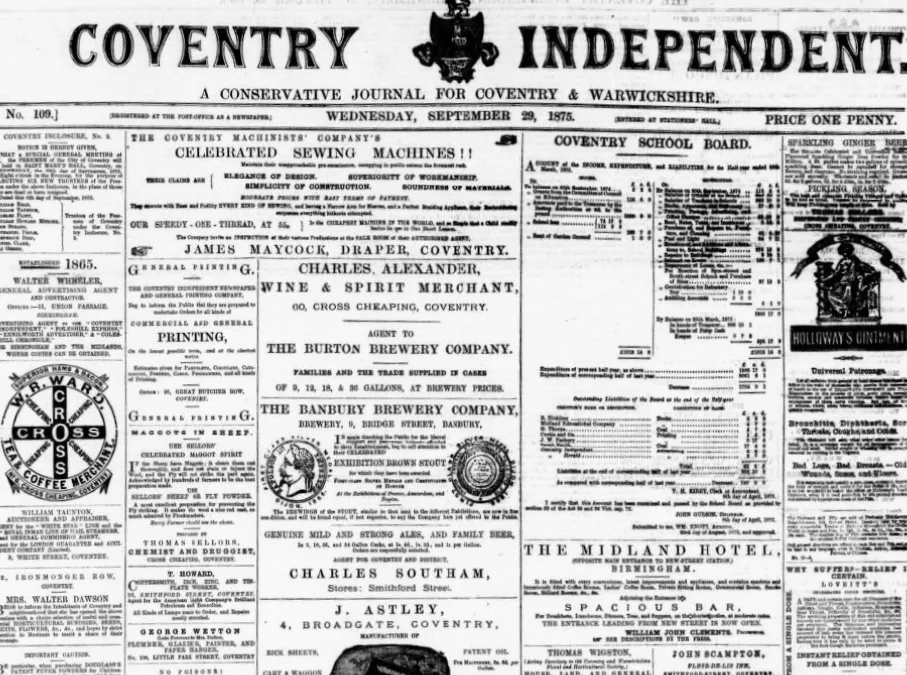
The Coventry Independent
We’re off to Coventry this week with our next new title, which is the Coventry Independent. Established in 1873, the Coventry Independent soon extended its name to the Coventry Independent Journal and Warwickshire Guardian.
Circulating in ‘Coventry, Leamington, Warwick, Rugby, Nuneaton, Bedworth, Atherstone, Coleshill, Southam, Hinckley, and throughout Warwickshire and the Midland Counties,’ the Coventry Independent appeared every Wednesday at the cost of just one penny. Its four pages were filled with news from the district, with updates from the likes of the Coventry City Police, as well as correspondence and notices of births, marriages and deaths.
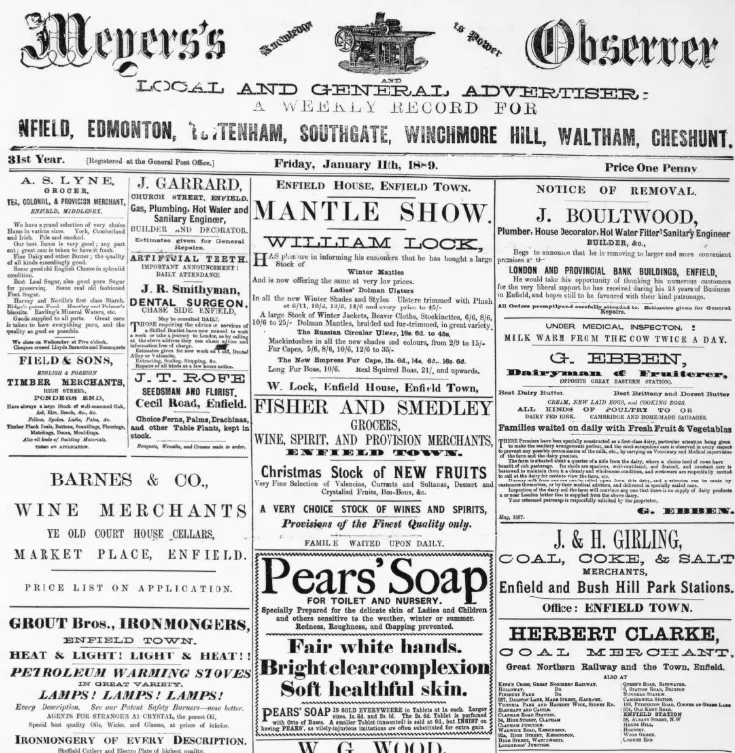
The Enfield Gazette
Our next new title hails from the north of the capital, and it is the Enfield Gazette. Founded by North London publisher J.H. Meyers, in its early years this title went by its founder’s name, as Meyer’s Observer and Local General Advertiser. Subtitled as ‘A Weekly Record for Enfield, Edmonton, Tottenham, Southgate, Winchmore Hill, Waltham, Cheshunt,’ the Enfield Gazette was established in 1859 as a politically neutral title.
Appearing every Friday with the motto ‘Knowledge is Power,’ the Enfield Gazette filled eight pages at the cost of one penny. It covered in detail news of accidents and crimes in the area, with coverage of the Enfield Petty Sessions, the Edmonton Petty Sessions, the Enfield Radical Club and the local county council.
In 1910 the title changed its name to the Enfield Observer, before becoming the Enfield Gazette & Observer in 1913. It continue to ‘circulate in Enfield and surrounding parishes.’
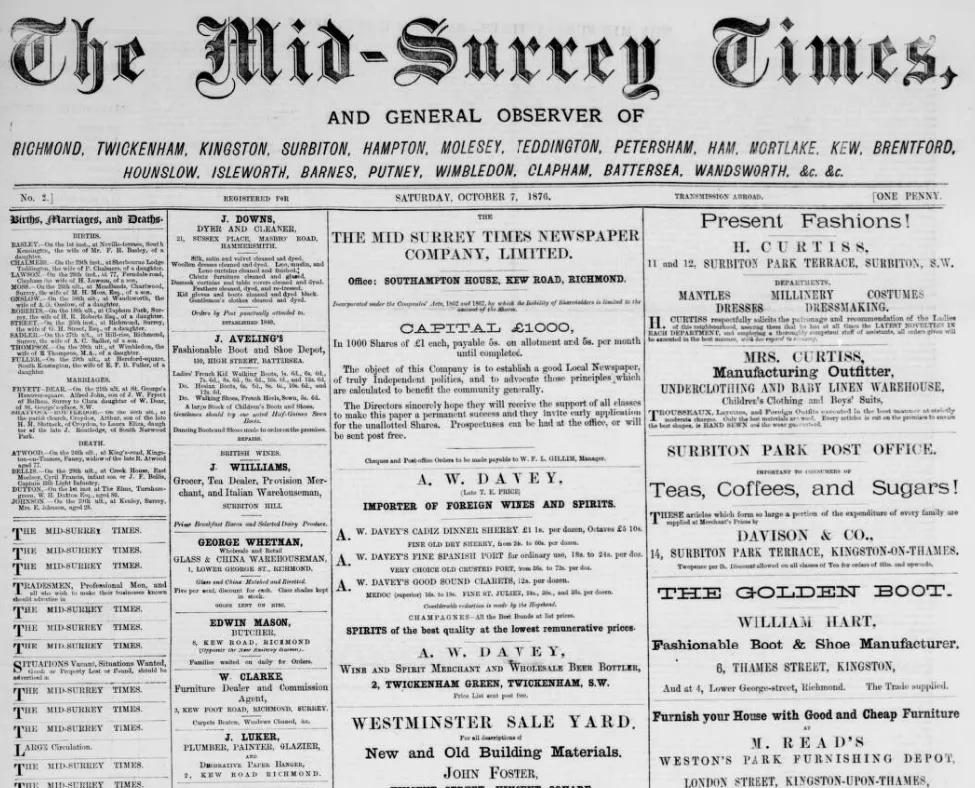
The Mid-Surrey Times
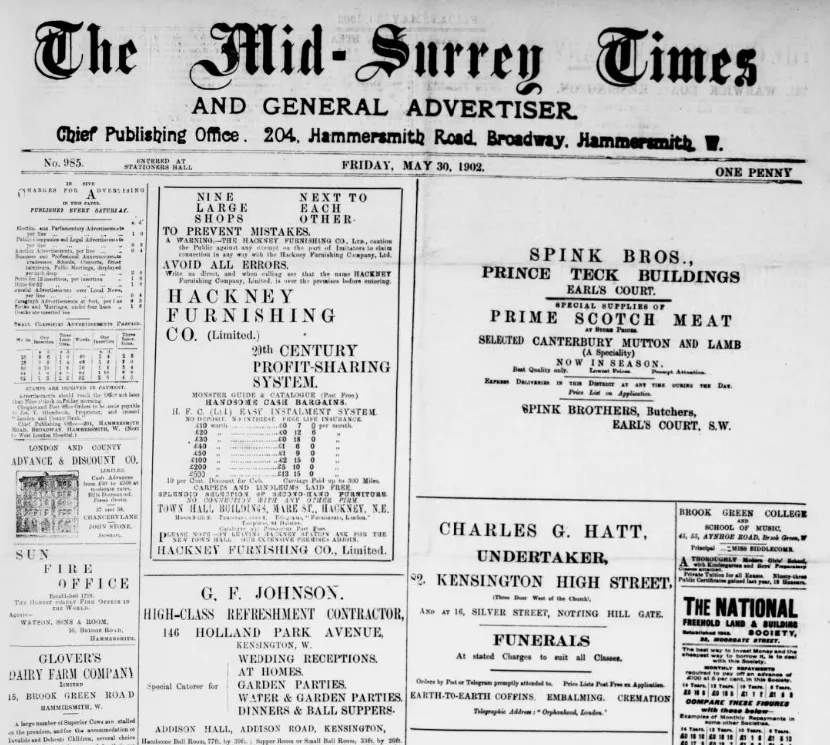
Our next new title of the week also hails from London, although this time it covers the south west of the capital. This newspaper is the Mid-Surrey Times, and it was first published on 30 September 1876 at the cost of just one penny. With the subtitle of the General Observer of Richmond, Twickenham, Kingston, Surbiton, Hampton, Molesey, Teddington, Petersham, Ham, Mortlake, Kew, Brentford, Hounslow, Isleworth, Barnes, Putney, Wimbledon, Clapham, Battersea, Wandsworth, &c. &c., the Mid-Surrey Times appeared every Saturday, filling eight pages.
Meanwhile, the debut edition of the newspaper laid out how:
Our politics will be truly Liberal, and our object is to provide a good local newspaper for this division of the County of Surrey, which will contain impartial reports and fair descriptions of all meetings, entertainments, amusements, etc., etc., and will advocate those principles which are calculated to benefit the community generally.
Indeed, the newspaper was set to cover the news from the county constituency of Mid-Surrey, which was in existence from 1868 to 1885. Furthermore, the title hoped to become ‘a reliable medium for all intelligence,’ with the belief that ‘an honest record and a fearless expositor of social and political evils will meet with the highest approval and hearty support of the inhabitants throughout Mid-Surrey.’
So what did the pages of the Mid-Surrey Times contain? It featured local news from the likes of Richmond and Twickenham, alongside more general pieces on agriculture, gardening, art and literature. The paper printed national and international news too, alongside notices of births, marriages and deaths.
The Isle of Man Courier
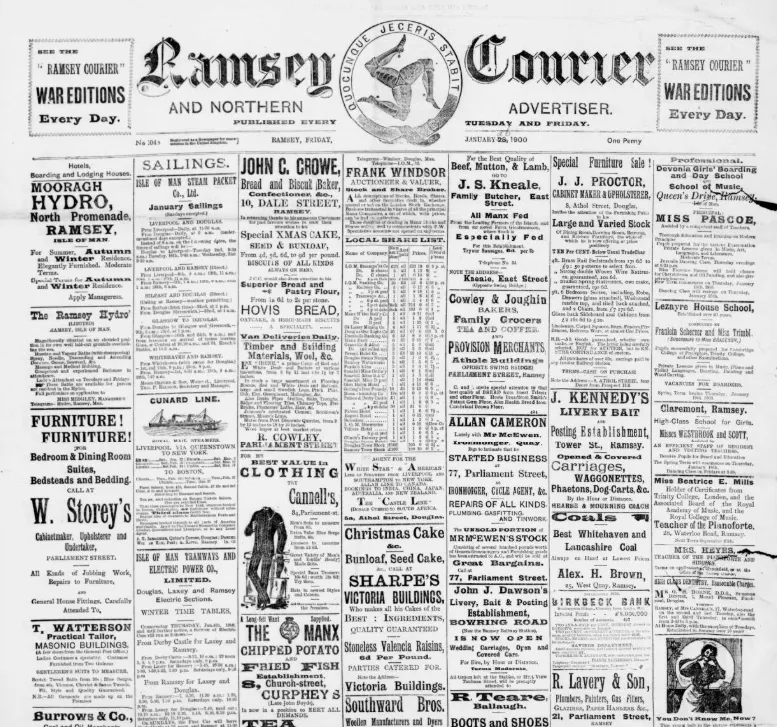
We’re off now to the British Crown Dependency of the Isle of Man now, with our next new title of the week, the Isle of Man Courier. For many years known as the Ramsey Courier and Northern Advertiser, this politically independent title was established in the coastal town of Ramsey in 1884.
Filling ten pages and appearing every Saturday at the cost of one penny, this newspaper covered the news from area, with particularly detailed reporting on local murders. The Isle of Man Courier, meanwhile, printed more general items too, with a ‘Ladies’ Column,’ a hints for the home section, a children’s column, and a ‘Literary Jottings’ feature.
In 1970 the title became known as the Isle of Man Courier, and in 1981 it became free. Ramsey is now the largest town on the Isle of Man, after Douglas was granted city status in 2024.
The Preston Guardian
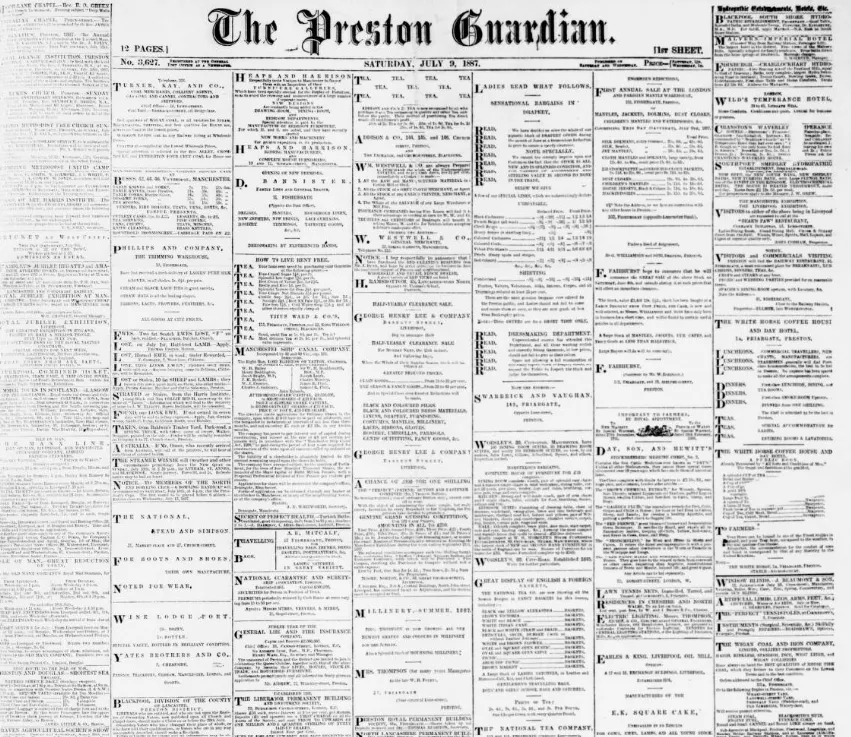
Our penultimate new title of the week is the Preston Guardian, which was established in the Lancashire city of Preston in 1844. Appearing twice a week, the Wednesday edition being shorter at eight pages long and cheaper at one penny, the Saturday edition coming in longer at 12 pages and more expensive at one and a half pence, the Preston Guardian was Liberal in its politics.
Circulating ‘extensively in the following towns and their surrounding villages, viz.: Preston, Bury, Bacup, Burnley, Colne, Darwen, Chorley, Wigan, Ormskirk, Southport, Fleetwood, Barrow, Dalton, Lancaster, Garstang, Kirkham, Blackpool, Poulton and throughout the extensive agricultural district of the Fylde and the cotton districts generally,’ the Preston Guardian covered the news from this area. It printed the latest from the Preston Town Council and the Burnley Board of Guardians, alongside more general news, correspondence, and notices of births, marriages and deaths.
The Ripley Advertiser
Our final new title of the week is Derbyshire’s Ripley Advertiser. Established in the market town of Ripley in 1863, this Liberal newspaper appeared every Saturday at the price of one penny.
Circulating in ‘Ripley and the district,’ the Ripley Advertiser published local and district news from the likes of Ripley and Alfreton, alongside ‘Foreign and Colonial’ updates. The paper also featured serialised fiction, correspondence, and notices of births, marriages and deaths.
Our Updated Titles
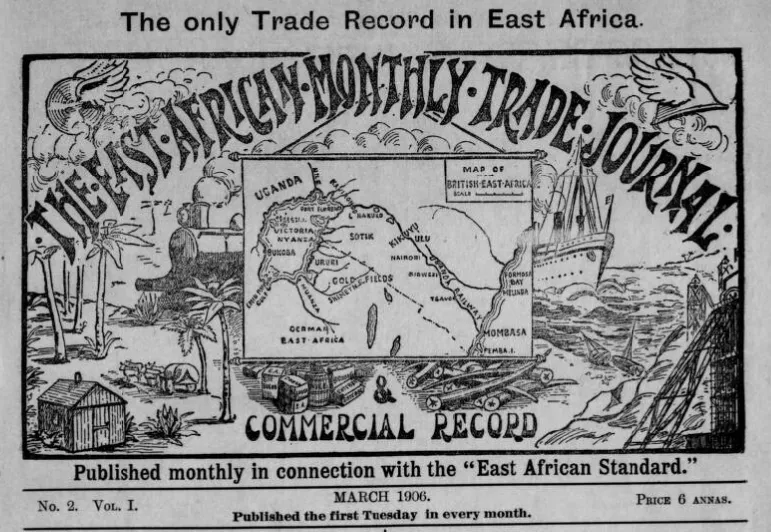
This week we have updated twenty of our existing titles for you. Highlights include the over 35,000 brand new pages we’ve added to the Kentish Independent, and the over 24,000 brand new pages we’ve added to Nairobi’s East African Standard. Meanwhile, we’ve updated four titles from Scotland, including updates to two Glaswegian titles, the Glasgow Evening Citizen and the Glasgow Evening Post, and one of our Welsh titles, the South Wales Daily News.
Meanwhile, hopping across the Irish Sea, we’ve updated six of our titles from the Republic of Ireland, with large updates to the Limerick Chronicle, the Roscommon Herald and the Wexford Chronicle. Finally, we’ve updated one of our titles from Northern Ireland, which is the Belfast Telegraph.
The Mines (Prohibition of Child Labour Underground) Act 1900
125 years ago this week, on 30 July 1900, the Mines (Prohibition of Child Labour Underground) Act was passed, which stopped boys under the age of thirteen from working underground in mines. One of our new titles this week, the Mid-Surrey Times, reported on the important bill, which prevented child labour underground in mines across Britain. The 4 August 1900 piece noted how:
The royal assent has been given in the House of Lords to the Mines (Prohibition of Child Labour Underground) Bill and the Workmen’s Compensation Act Extension Bill.
A piece from the same paper from nearly 20 years prior highlighted the importance of the Mines (Prohibition of Child Labour Underground) Act 1900. The Mid-Surrey Times article, which was headlined ‘Child Labour in Mines’ and was published on 9 July 1881, reported how:
The returns of the inspectors of mines just issued show that there is a very large amount of child labour still employed in and about the mines registered under the Coal Mines Act. In the mines of England and Wales there are 428 children between the ages of 10 and 12 years employed, the great part being in the East and West Ridings of Yorkshire.
Meanwhile, across Britain, there were 4,868 children aged between twelve and thirteen working underground in mines, with ‘1194 out of that number [being] in the Glamorgan district.’ This 1881 report also looked at children working above ground at mines, with 552 boys and 10 girls aged between ten and thirteen being employed in that capacity, mainly in Lancashire and Yorkshire.
Looking at the higher age range of thirteen to sixteen, there were 7,037 boys and 354 girls employed at mines above ground, with South Durham being ‘the largest employer of the male part of juvenile labour at this age.’ For girls, West Lancashire and East Scotland were the largest employers, although there had been a ‘declension in the number of the females employed about mines’ at this time.
By the time the Mines (Prohibition of Child Labour Underground) Act came into force, the Mines and Collieries Bill of 1842 had prevented women, girls and boys under ten working underground in mines. The new act saved approximately 3,000 boys from having to work underground in the mines.
Discover more about the history of child labour, mining history, and much more besides, in the pages of our Archive today.
New Titles
Title | Years Added |
1874, 1876-1880 | |
1875-1876, 1878, 1880-1882 | |
1889, 1913, 1915-1918 | |
1889, 1891-1896, 1899-1909, 1912-1918 | |
1876-1898, 1900-1904 | |
1887, 1889-1891, 1893, 1899, 1901, 1914 | |
1873, 1876-1878, 1882 |
Updated Titles
This week we have updated twenty of our existing titles.
You can learn more about each of the titles we add to every week by clicking on their names. On each paper’s title page, you can read a free sample issue, learn more about our current holdings, and our plans for digitisation.
Title | Years Added |
1882-1883, 1887 | |
1884-1885, 1901 | |
1882-1886 | |
1873-1890 | |
1906-1915, 1918-1924 | |
1891, 1893-1894 | |
1868-1869 | |
1987 | |
1910-1918, 1923-1929, 1932-1965 | |
1869-1870, 1879-1899, 1912-1918 | |
1940, 1946-1947, 1949, 1951-1957, 1960-1962, 1964-1965 | |
1897 | |
1859, 1878-1881 | |
1859-1862, 1864-1870, 1879-1880, 1882, 1884, 1886-1896 | |
1914-1918 | |
1911, 1913-1914, 1916-1918 | |
1964 | |
1862-1870, 1872-1876 | |
1868, 1873-1874, 1876-1882, 1884-1887 | |
1897-1898, 1900, 1910-1911, 1916 |
You can keep up to date with all the latest additions by visiting the recently added page. You can even look ahead to see what we’re going to add tomorrow.
More on this topic:
Share this article
About the author

Rose Staveley-Wadham
Newspaper Licensing Manager
Published on Mon, 28 July 2025.