
Skip to content

Search the blog

Tag: industrial-revolutionTag: blitzTag: dundee-courier
This week at The Archive, we’re bringing you five fabulous new titles from the nineteenth century. We will uncover a period of rapid expansion and industrialisation as we navigate across Britain and Ireland. From Sheffield and Birmingham to Carlow and Clonmel, we’ll reveal how local papers dealt with turbulent political, economic, and religious transformations. With 300,944 new pages added, and updates to thirty-two of our pre-existing titles, we guarantee something will suit your taste this week.Illustrated Police News | 29 June 1867Join
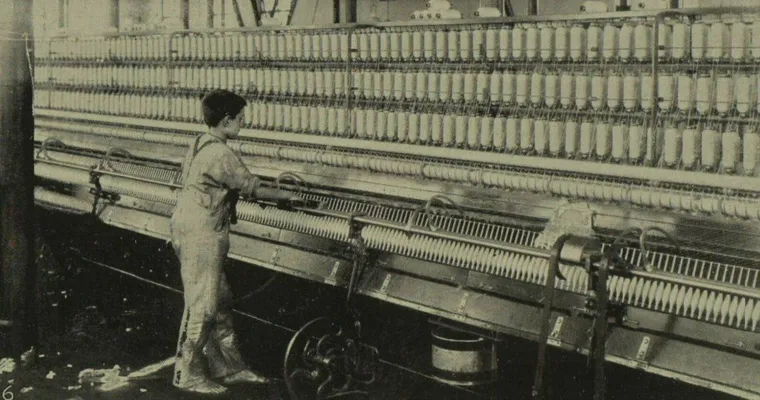
This week at The Archive, we’re rewinding the clocks and stepping into the heart of the Industrial Revolution with our five brand new titles. From the rise and fall of Chartism, to the inception of the modern Co-operative Movement, this week’s pages present a tale told primarily from the worker’s perspective.We’ve added 340,466 brand new pages in total this week, and with updates to a noble twenty-one of our pre-existing titles, there’s plenty to explore. One of these updates pertains
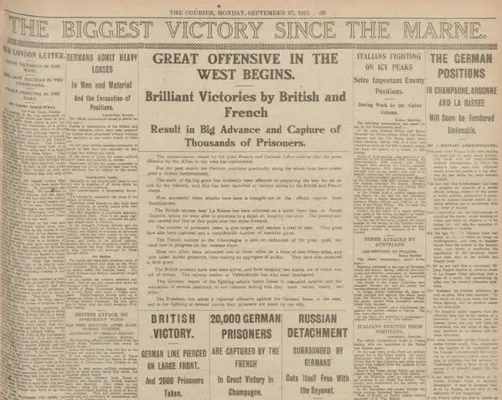
Today is a momentous day in the history of the British Newspaper Archive – we have reached 100 million newspaper pages – all available for you to search at the click of a button. Indeed, to be accurate, we now have over 100 million newspaper pages for you to enjoy, as we tipped over this incredible figure with the addition of 206,718 brand new newspaper pages this week.Our 100 millionth newspaper page comes from none other than the wonderfully historic Dundee Courier. Read on to
This week at The Archive we are delighted to welcome a brand new title from the sunny south coast, the Bournemouth Times and Directory, as we take a moment to remember the devastating Bournemouth Blitz. In all, over the last seven days, we’ve added 366,686 brand new pages to our collection, whilst we’ve updated 25 of our existing titles from across England, Scotland and Northern Ireland.So, from Buckingham to Burnley, from Dingwall to Driffield, from Mid Sussex to Mid Ulster, read
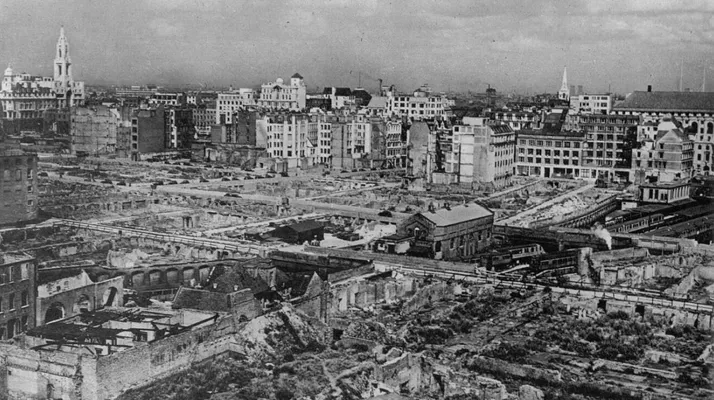
In the decade after the Second World War had come to an end, and indeed beyond, many communities across the United Kingdom were faced with very vivid reminders of the conflict: bomb sites, the country’s ‘war scars.’In this blog, we will examine how people in Britain lived alongside bomb sits in the 1950s, using newspapers taken from The Archive. We will explore how communities adapted to live beside bomb sites, and how they transformed them into gardens and playgrounds.
This week The Archive has added 179,184 pages, including 13 brand new titles and additions to 26 existing titles.  Amongst the additions are thousands of pages that are now available to read for free.  You will find newspapers focused on the mining industry, shipping, potteries and more. Continue reading to explore more of our latest released.Register now and explore the ArchiveOur first new title of the week is the world famous Liverpool Journal of Commerce. This daily newspaper, which was established
In October 1823, the Public Ledger and Daily Advertiser asserted:The charge and duty of Government are not merely to increase the numbers of men, but to promote and increase their happiness. Industry is the most powerful engine of this happiness, because it is the spring of all their riches. Government, then, should encourage labour, and by due reward, endeavour to avail of, and augment its useful products…The article, entitled ‘Political Economy,’ goes on to recommend how ‘the power of
This week we have added a bumper crop of 165,856 brand new pages to The Archive. We are delighted to welcome a brand new Irish title to our collection – the Carlow Sentinel – as well as adding thousands of brand new pages to our existing publications from England, Wales and Ireland.Register now and explore the ArchiveThe Carlow Sentinel was established by Henry Malcomson in Tullow Street, Carlow, appearing every week on a Saturday. Meanwhile, we have published nearly 100 years of
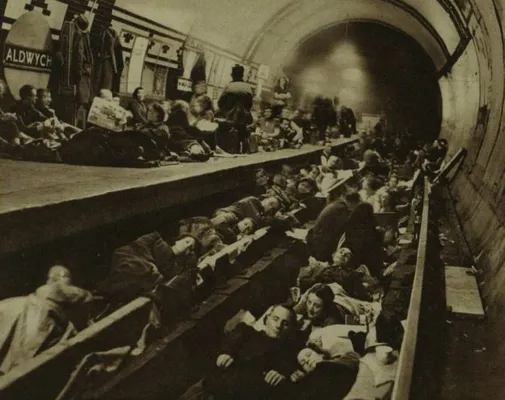
When the Blitz began on 7 September 1940, ‘It was the people of London who took command…Men, women, and children went straight to the safest place they could think of – the Underground stations.’In this special blog, over 80 years after the beginning of the Blitz, we take a look at how London’s main transport system – the Underground –  became a popular place of shelter for those seeking protection from the German bombing campaign, using an assortment of articles and photographs all to be
We are delighted this week to feature a very special blog post from the High School of Dundee, written by Niall Joss, which explores how pupils connected with the First World War through the British Newspaper Archive and a war memorial.How did the British Newspaper Archive and a war memorial inspire primary school children to connect with the First World War?With the centenary of the end of First World War just passed, how can children born in the