
Skip to content

Search the blog

Tag: horoscopesTag: child-labourTag: olympic-games
This week at The Archive we have a smorgasbord of historical Shropshire newspapers for you to enjoy, with the addition of eight brand new titles from the West Midlands county, alongside updates to eight of our existing Shropshire titles. We are delighted to be spoiling you with new pages this week, which number 288,672 in all, as we welcome a total of fifteen brand new titles, alongside updates to 43 of our existing titles.So read on to discover more about our
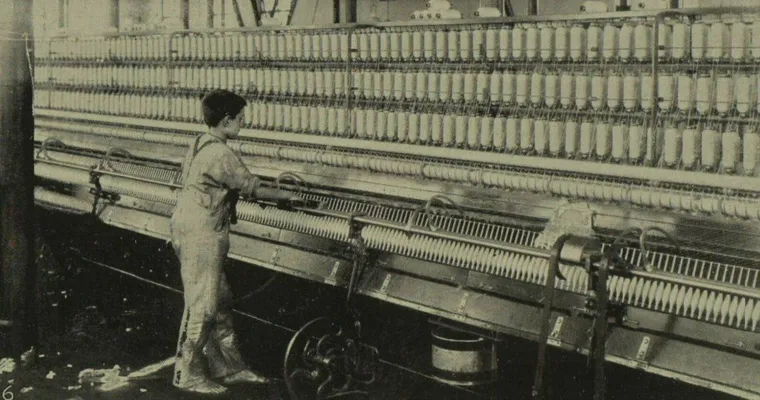
Here at The Archive we are delighted to welcome 204,443 brand new pages this week, as we mark 125 years since the passing of the Mines (Prohibition of Child Labour Underground) Act 1900, which banned children under the age of thirteen from working underground in mines. This act, following the raising of the school leaving age to twelve in 1899, represented an important milestone in the eradication of child labour.Meanwhile, we’ve added eight brand new titles this week, which span the length and
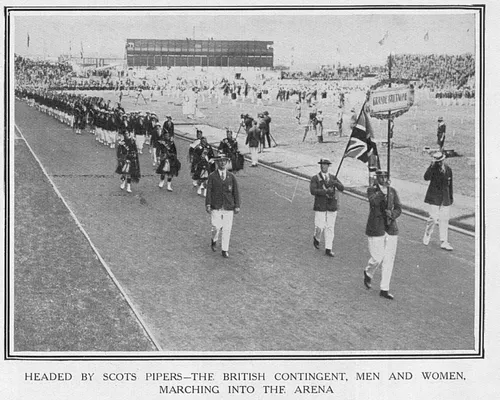
As the 2024 Paris Olympics begin, we at the British Newspaper Archive could not help but look back at the 1924 Paris Olympics, with the same city playing host to the summer Olympic Games exactly one hundred years ago. Paris had also hosted the Olympics in 1900, and so this year will be the third time that the city hosts the iconic sporting tournament.And the 1924 Paris Olympics would prove an iconic one for Britain, with gold medal wins by sprinters Harold
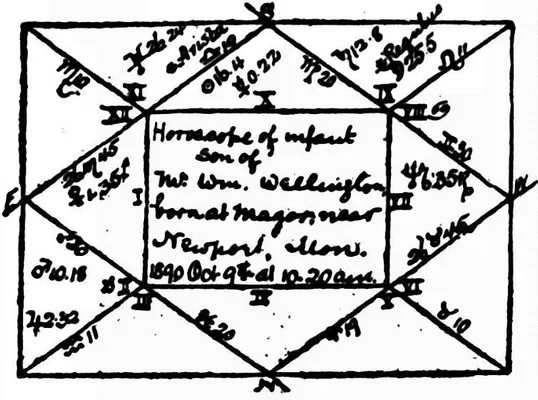
In this very special blog, Jessie O’Hara, from our sister site Findmypast, takes a fascinating look at astrology through the pages of our newspapers. Featuring articles all the way from the eighteenth century to the twentieth century, she traces the development of attitudes towards astrology across three centuries, from scepticism to horoscopes being a mainstay of mainstream media.Register with us today and see what stories you can discoverBeliever or non-believer, agnostic or sceptic, there is no denying that
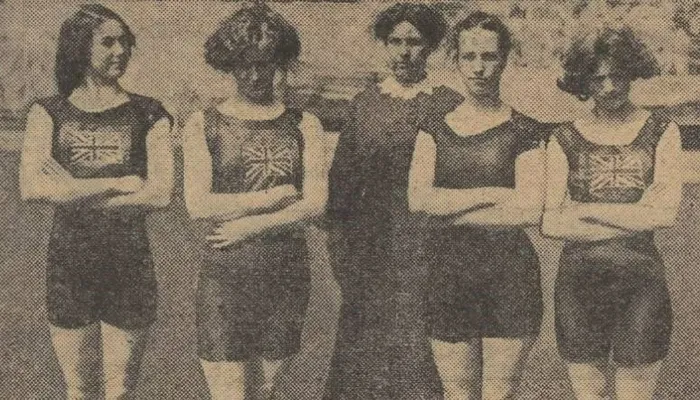
In 1900 women were allowed to compete in the modern summer Olympic Games for the very first time. The first woman to win an individual gold medal at the summer Olympic Games was British tennis player Charlotte Cooper Sterry, winner of five Wimbledon titles, on 11 July 1900 in Paris.Want to learn more? Register now and explore The ArchiveAnd so, in this special blog, we will take a look at the achievements of the likes of Charlotte Cooper Sterry, and the
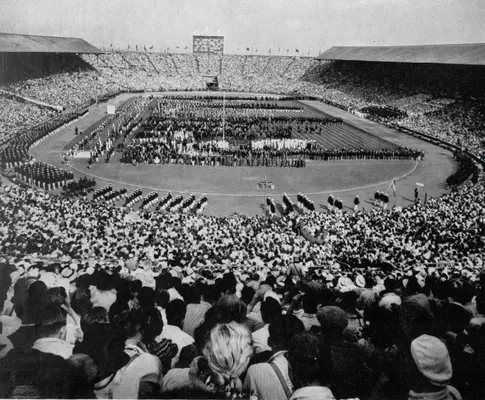
With the scars of the Second World War still visible across Great Britain, in 1948 the eyes of the world turned to the country who were set to host the fourteenth Olympiad. Would Britain be able to manage, just three years after the end of the crippling conflict that still saw rationing in place, and bomb sites across its towns and cities?The 14th Olympiad opens at London | Illustrated Sporting and Dramatic News | 11 August 1948In this special blog, using our newspapers,
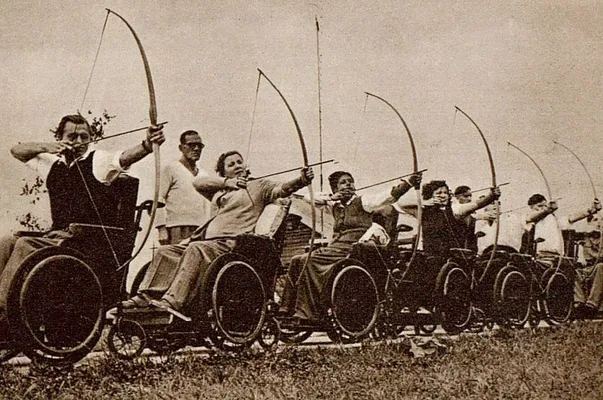
The first Paralympics took place in Rome in 1960. But this was not the beginning of competitive sport for people with disabilities; indeed, the origins of the Paralympics can partly be traced to the aftermath of the Second World War and the work undertaken at Stoke Mandeville Hospital.Archers at Stoke Mandeville Hospital | The Sphere | 21 August 1948And nor was it the culmination of such work; the Paralympics in Rome were only open to those with mobility or physical disabilities, who made
In October 1823, the Public Ledger and Daily Advertiser asserted:The charge and duty of Government are not merely to increase the numbers of men, but to promote and increase their happiness. Industry is the most powerful engine of this happiness, because it is the spring of all their riches. Government, then, should encourage labour, and by due reward, endeavour to avail of, and augment its useful products…The article, entitled ‘Political Economy,’ goes on to recommend how ‘the power of
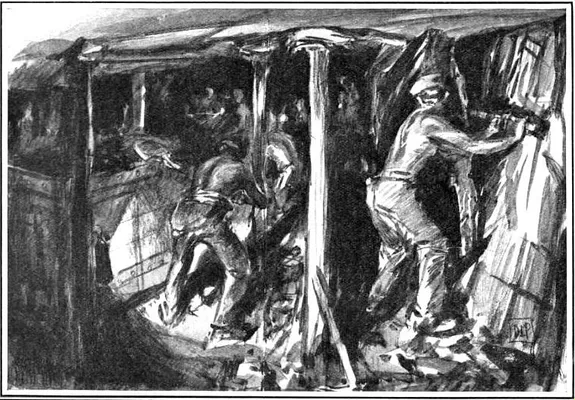
Derbyshire Miners Coal-getting at the Bolsover Face. Drawn by D Macpherson
In the month of August, we have looked at occupations and employment through the newspapers.  To finish our theme this month, we are taking a closer look at coal miners, specifically in the 19th century.  An initial search for miners reveals explosions, accidents, and strikes in the vast amount of mines operating across Great Britain.  We will look at these topics in closer detail.The first coal mine was sunk in Scotland, under the Firth of Forth in 1575.  As the