Skip to content

Search the blog

Tag: historyTag: horoscopesTag: salvation-army
We’re delighted as we march on with The Salvation Army to welcome another of the worldwide Christian church and registered charity’s titles to our ranks, namely the Young Soldier. The longest running continuously published children’s periodical in the world, alongside this fascinating publication we’ve also added five other new titles, and updated 22 of our existing titles from across the UK and Ireland. In all, we’ve added 207,356 brand new pages to The Archive over the last seven days.And this week,
This week at The Archive we are sounding a War Cry, as we welcome the main UK and Irish periodical of The Salvation Army, the worldwide Christian church and a registered charity, to our collection. And that’s not all, as we’re also delighted to host updates to another The Salvation Army title, the Social Gazette. In all, we have 71,299 brand new pages for you to enjoy this week.In this week’s blog, we’ll take you through the fascinating history of
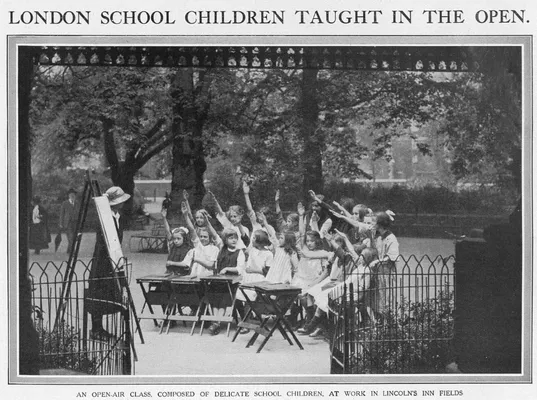
In the early 1900s British authorities took a new approach to education: open air schools. Inspired by methods of teaching in Germany, these open air schools were intended to provide disadvantaged city children with fresh air, alleviating their poor health and preventing the spread of tuberculosis.In this special blog, using newspapers taken from our Archive, we will investigate the open air schools of the 1900s, from their early inception, to how they continued to play a role in education
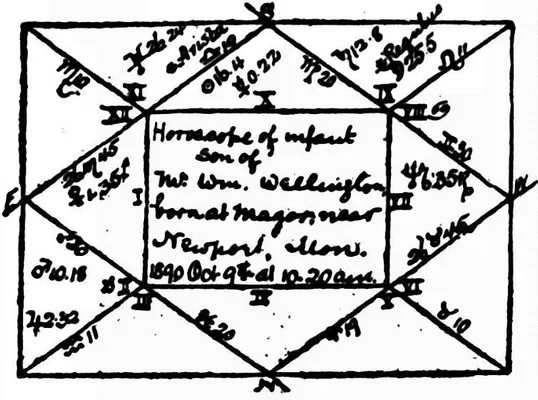
In this very special blog, Jessie O’Hara, from our sister site Findmypast, takes a fascinating look at astrology through the pages of our newspapers. Featuring articles all the way from the eighteenth century to the twentieth century, she traces the development of attitudes towards astrology across three centuries, from scepticism to horoscopes being a mainstay of mainstream media.Register with us today and see what stories you can discoverBeliever or non-believer, agnostic or sceptic, there is no denying that
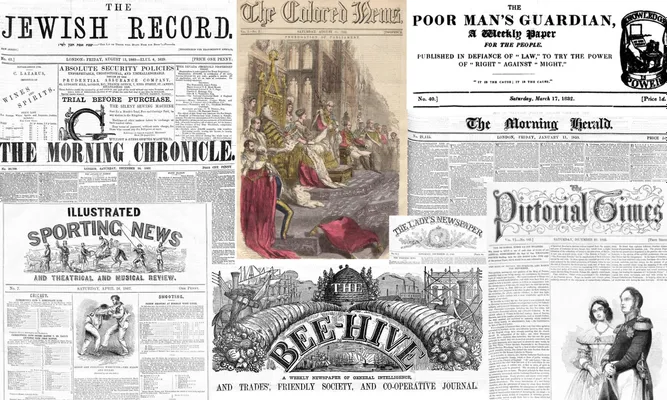
In partnership with the British Library, the British Newspaper Archive features 1 million free to view newspaper pages as part of its collection. A great way to get started with your research, and to begin to explore historic newspapers and their stories, all you need to do is register a free account with us to access the free to view pages.Register now to explore FREE pagesOnce you’ve registered, you can explore 150 different newspaper titles, which span the years 1720 to 1880.
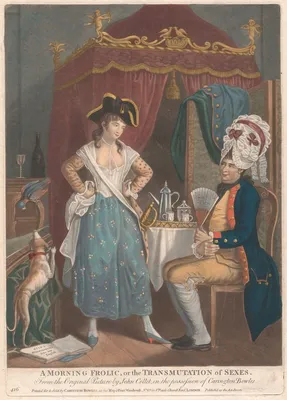
June is Pride Month. At The Archive, we are delving into the newspapers and pulling out the breadth of LGBTQ history available.Register now and explore The Archive18th Century Gay Subculture18th century London was home to a flourishing gay subculture with Molly Houses at the centre of the social scene. ‘Molly’ was a slur used for effeminate, homosexual men and the term was adopted to describe the clubs, taverns, inns, or coffee houses where they met up in
Britain’s favourite horticultural happening is right around the corner once again. The RHS Chelsea Flower Show begins on 23 May and will be held in the grounds of the Royal Hospital, Chelsea, for the 105th time. To celebrate, we’re showing you exactly how to go about unearthing newspaper stories on the Flower Show, and other long-running events, using our ever-growing Archive.Register now and view 3 pages for FREESearching for an event in the Archive is much like searching for a
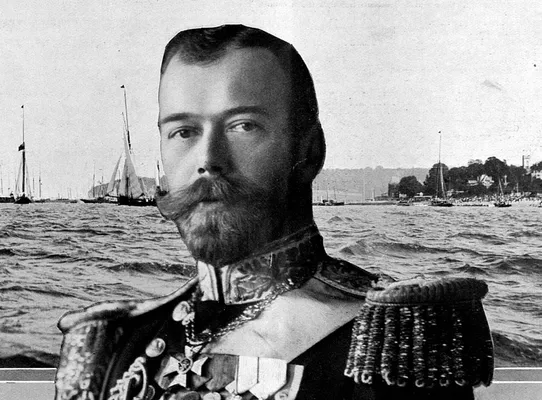
On 15 March 1917, amid the chaos and fury of the Russian Revolution, Tsar Nicholas II, Emperor of all Russia, abdicated from the throne and ended 300 years of Romanov rule.  Russians of all classes were on the streets of Petrograd (formerly known as St Petersburg), and Nicholas’ own military had joined the ranks of protestors.  How did this monarch fall and a dynasty end?  On the anniversary of Tsar Nicholas’ abdication, we will take a look through the British Newspaper Archive at
The British Newspaper Archive brings you news from India, China, and further East during the height of the British Empire.  The Homeward Mail from India, China and the East was first published in 1857 by Messrs. Smith, Elder, & Co. and provided Britain with news from its colonies in the East.  The publishing company also produced the first Dictionary of National Biography and worked with major authors such as Charlotte Brontë, George Eliot, Alfred Tennyson, and Arthur Conan Doyle.  Along with The
After the Battle of Jutland, Admiral Jellicoe sent this message to his Fleet, as recorded in the Cornishman on the 15th June 1916:“I desire to express to the flag officers, captains, officers and men of the Grand Fleet my very high appreciation of the manner in which the ships fought during the action of May 31, 1916.At this stage, when full information is not available, it is not possible to enter into details, but quite sufficient is already known to enable