Skip to content

Search the blog

Tag: evening-despatchTag: child-labourTag: poetry
This week at The Archive we are marking St Patrick’s Day with the addition of five brand new Irish titles, and updates to 29 of our existing Irish titles, as we delve into a potential Oscar Wilde work, where all is not as it seems. Furthermore, in all, we’ve added 215,303 brand new pages to our collection, as The Archive continues to grow.So read on to discover more about our new and updated titles of the week, and also to read
Here at The Archive we are delighted to welcome 204,443 brand new pages this week, as we mark 125 years since the passing of the Mines (Prohibition of Child Labour Underground) Act 1900, which banned children under the age of thirteen from working underground in mines. This act, following the raising of the school leaving age to twelve in 1899, represented an important milestone in the eradication of child labour.Meanwhile, we’ve added eight brand new titles this week, which span the length and
This week at The Archive we’re delighted to welcome one brand new newspaper title to our collection, namely Yorkshire’s Hebden Bridge Times, alongside a total of 245,806 brand new pages. Meanwhile, from Derbyshire to Dunstable, from Eastbourne to Earlestown, from Thame to Todmorden, we have updated 15 of our existing titles from across England and Scotland.So read on to learn more about all of our new and updated titles of the week, as well as to discover more about poet laureate
We’ve reached the extraordinary landmark of 72 million pages all now available to search on The Archive, as we welcome new title the Carrick Times and East Antrim Times to our collection, and celebrate the town of Carrickfergus’s links with poet and playwright Louis MacNeice. That’s not all, we’ve added 152,092 brand new pages to The Archive in all over the last seven days, with new pages joining publications from across Northern Ireland, Scotland and Wales.So read on to discover more
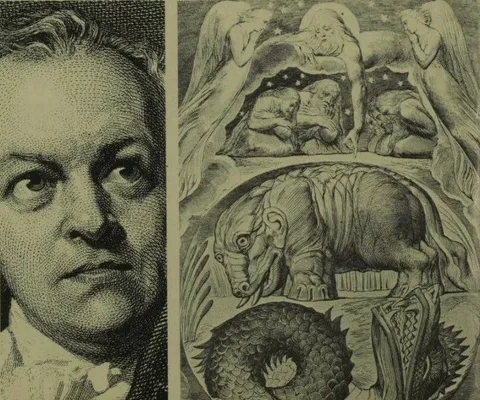
The work of poet, mystic and painter William Blake was largely unrecognised in his lifetime. The son of a dissenting hosier, Blake was born in London’s Soho in 1757, and was apprenticed to an engraver at a young age. Hostile to organised religion, he created an array of paintings and poetry, often inspired by his visions, before he passed away in 1827.In this special blog, we will take a look at the evolving attitudes to the art of William Blake. We
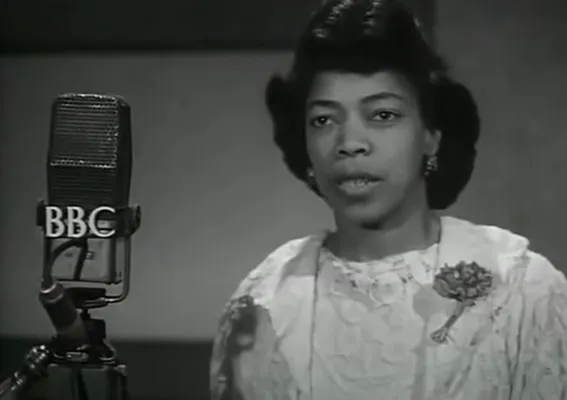
We are taking a deep dive into the work of Una Marson.  Marson was one of Jamaica’s most influential poets, broadcasters, and activists.  She was a feminist pioneer and the first Black woman employed by the BBC.  She was also the first Black woman to have her play performed in the West End and the first Black woman to attend the League of Nations.  One blog post cannot do justice to her incredible career, but we hope to use The
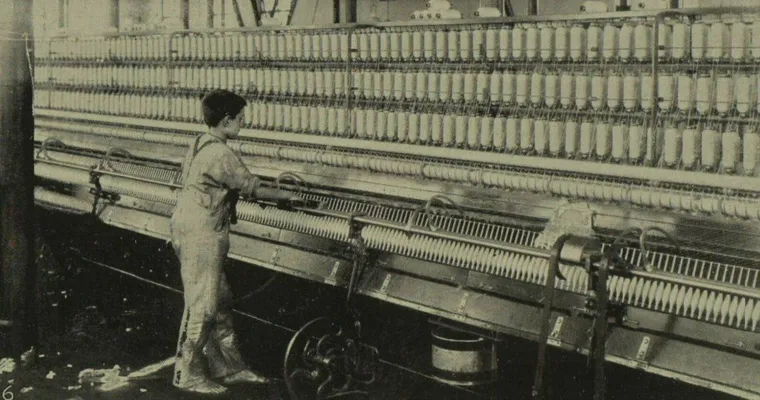
In October 1823, the Public Ledger and Daily Advertiser asserted:The charge and duty of Government are not merely to increase the numbers of men, but to promote and increase their happiness. Industry is the most powerful engine of this happiness, because it is the spring of all their riches. Government, then, should encourage labour, and by due reward, endeavour to avail of, and augment its useful products…The article, entitled ‘Political Economy,’ goes on to recommend how ‘the power of
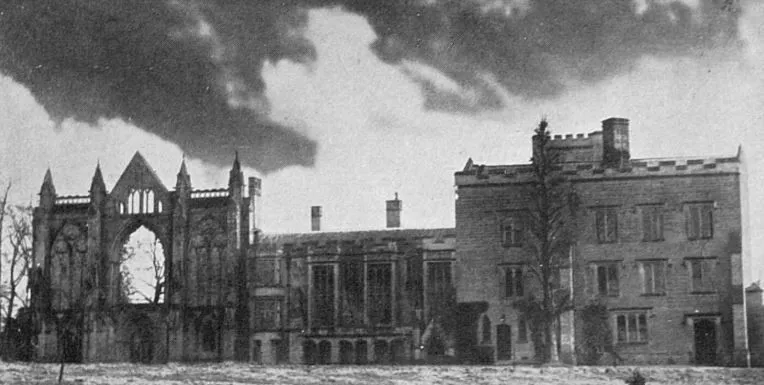
THROUGH thy battlements, Newstead, the hollow winds whistle;Thou, the hall of my fathers, art gone to decay;In thy once smiling garden the hemlock and thistleHave choked up the rose which late bloomed in the way.So wrote the poet Lord Byron, inspired by his ancestral home of Newstead Abbey. Using pages from the British Newspaper Archive, this blog will explore Byron’s affinity with the ancient building, and how Newstead Abbey beat the odds to survive until the
This week we have added 70,450 new pages to The Archive, with two new and very important titles joining us from home and abroad.We have added an extensive run of pages to the Westminster Gazette, which was seen by some as ‘the most powerful paper in Britain.’ Established in 1893 by E.T. Cook, the Westminster Gazette was a liberal newspaper, which found its audience in London’s gentlemen’s clubs and was consequently known as a ‘clubland paper.’ Despite this audience being small,
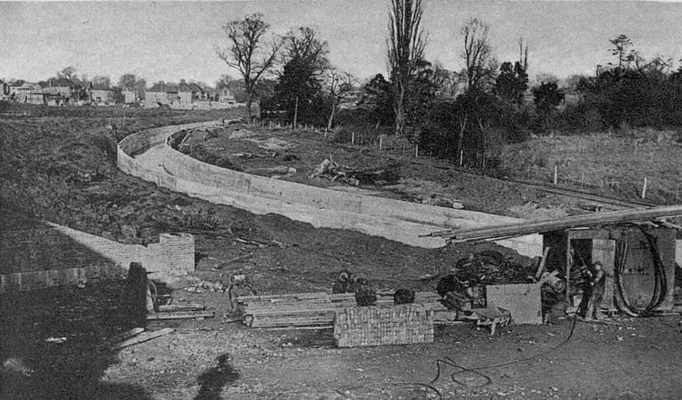
I know a land where the wild flowers grow Near, near at hand if by train you go, Metro-land. Metro-land.The above pre-First World War verse written by George R Sims coined the phrase ‘Metro-land’ – that area of north west of Wembley served by what was then called the Metropolitan Railway, and is now known as the Metropolitan Line.In this blog, using articles found on the British Newspaper Archive, we will explore how the Metropolitan Railway shaped London’s suburbs,