
Skip to content

Search the blog

Tag: child-labourTag: blitzTag: oscar-wilde
This week at The Archive we are marking St Patrick’s Day with the addition of five brand new Irish titles, and updates to 29 of our existing Irish titles, as we delve into a potential Oscar Wilde work, where all is not as it seems. Furthermore, in all, we’ve added 215,303 brand new pages to our collection, as The Archive continues to grow.So read on to discover more about our new and updated titles of the week, and also to read
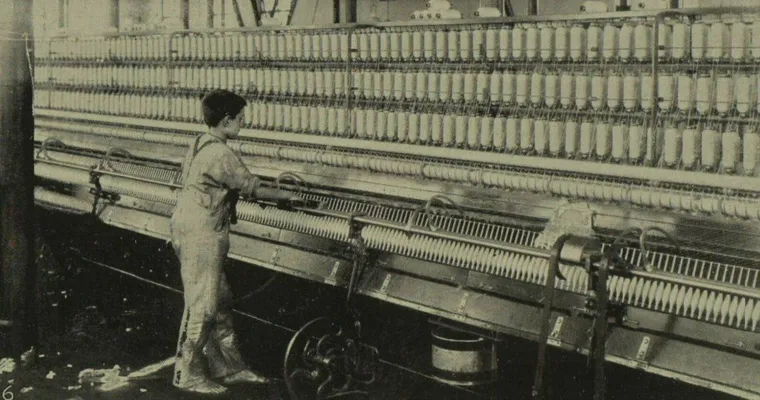
Here at The Archive we are delighted to welcome 204,443 brand new pages this week, as we mark 125 years since the passing of the Mines (Prohibition of Child Labour Underground) Act 1900, which banned children under the age of thirteen from working underground in mines. This act, following the raising of the school leaving age to twelve in 1899, represented an important milestone in the eradication of child labour.Meanwhile, we’ve added eight brand new titles this week, which span the length and
This week at The Archive we are delighted to welcome a brand new title from the sunny south coast, the Bournemouth Times and Directory, as we take a moment to remember the devastating Bournemouth Blitz. In all, over the last seven days, we’ve added 366,686 brand new pages to our collection, whilst we’ve updated 25 of our existing titles from across England, Scotland and Northern Ireland.So, from Buckingham to Burnley, from Dingwall to Driffield, from Mid Sussex to Mid Ulster, read
This week at The Archive we are delighted to welcome the ‘Organ of the Book Trade,’ the landmark publishing magazine The Bookseller to our collection. Spanning 150 years of book-related news, we have released over 400,000 brand new pages for this title, as we have added 403,183 brand new pages in all over the last seven days.So read on to discover all about our wonderful new title The Bookseller, as we start the month of December with a bang. Stay tuned also,
On 1 December 1900 the Sunderland Daily Echo and Shipping Gazette reported on ‘The Death of Mr Oscar Wilde:’The Paris correspondent of the Dublin Evening Mail telegraphs that Mr Oscar Wilde died yesterday at three o’clock in the Latin Quartier. He had been suffering for some time. Two days ago he became unconscious. Six weeks ago he underwent an operation, which appeared to have been successful, but a complication which followed proved fatal.The death of the poet, playwright and novelist
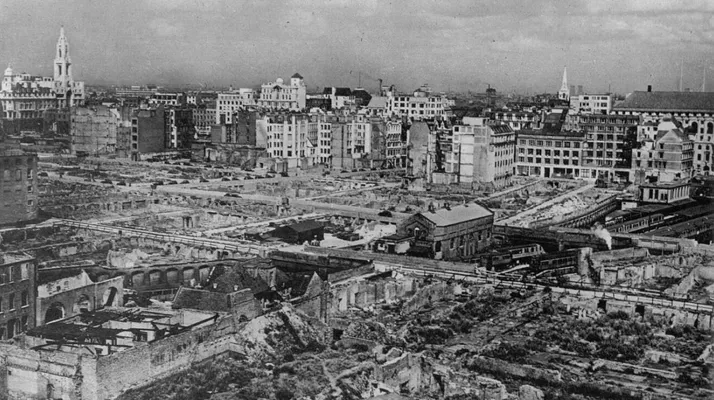
In the decade after the Second World War had come to an end, and indeed beyond, many communities across the United Kingdom were faced with very vivid reminders of the conflict: bomb sites, the country’s ‘war scars.’In this blog, we will examine how people in Britain lived alongside bomb sits in the 1950s, using newspapers taken from The Archive. We will explore how communities adapted to live beside bomb sites, and how they transformed them into gardens and playgrounds.
This week we are delighted to welcome 69,150 brand new pages to The Archive, with the addition of one very special brand new title from London. Meanwhile, we have updated twelve of our existing titles, with updates to our newspapers from Scotland, Wales and England, as well as to one our of special political titles.Meanwhile, this week marks 125 years since writer Oscar Wilde was released from prison, having been sentenced to two years’ hard labour for ‘gross indecency’ in 1895. So
In October 1823, the Public Ledger and Daily Advertiser asserted:The charge and duty of Government are not merely to increase the numbers of men, but to promote and increase their happiness. Industry is the most powerful engine of this happiness, because it is the spring of all their riches. Government, then, should encourage labour, and by due reward, endeavour to avail of, and augment its useful products…The article, entitled ‘Political Economy,’ goes on to recommend how ‘the power of
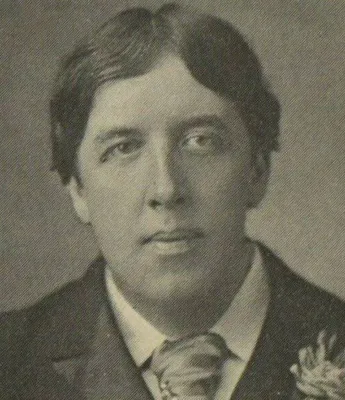
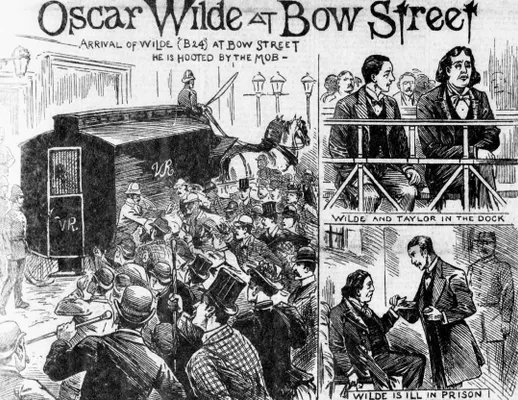
Described at the time in the pages of the Western Mail as ‘one of the most sensational events in the criminal annals of England,’ the arrest and prosecution of Oscar Wilde on charges of ‘gross indecency’ is a tragic chapter in LGBTQ history, and represents the wider persecution faced by the LGBTQ community at the time, as well as throughout the ensuing decades.Oscar Wilde | Illustrated London News | 27 February 1892In this special blog, we will explore how newspapers at the
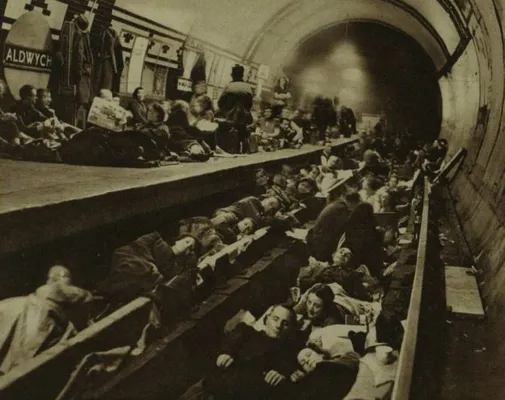
When the Blitz began on 7 September 1940, ‘It was the people of London who took command…Men, women, and children went straight to the safest place they could think of – the Underground stations.’In this special blog, over 80 years after the beginning of the Blitz, we take a look at how London’s main transport system – the Underground –  became a popular place of shelter for those seeking protection from the German bombing campaign, using an assortment of articles and photographs all to be