Skip to content

Search the blog

Tag: british-newspapersTag: lusitaniaTag: comic-newspapers
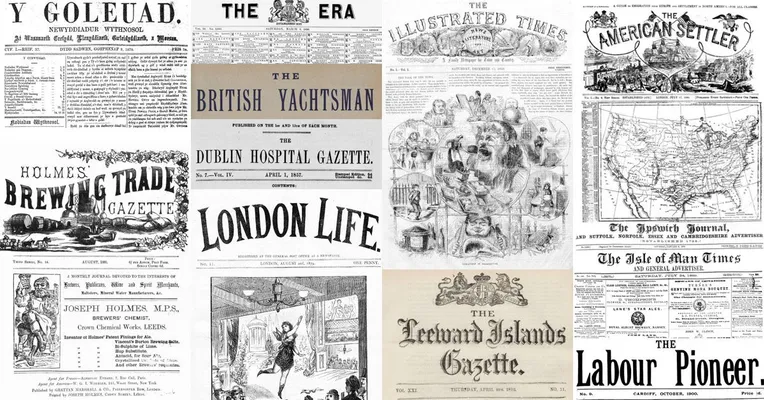
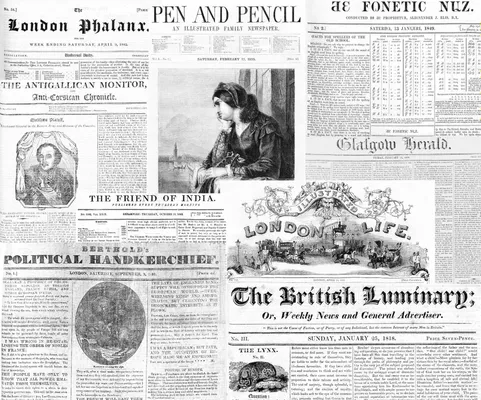
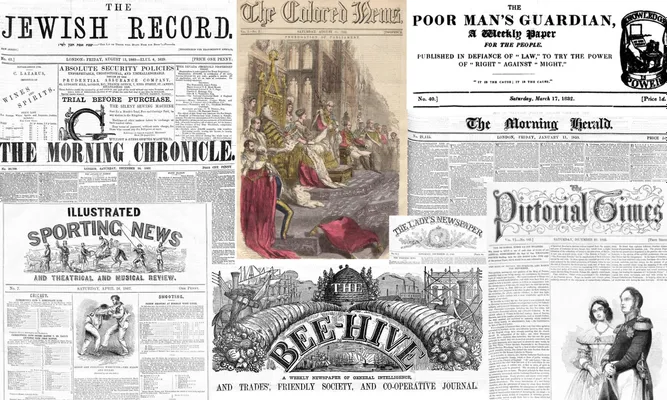
A montage of different newspaper titles with the British Newspaper Archive logo
Fittingly for our brand new platform, this week we are delighted to welcome five brand new titles to The Archive, with a total of 261,496 pages joining us in all. That's not it either, from across the UK and Ireland and even further afield, we've updated 46 of our existing titles. And as we voyage into these new waters, using our brand new shipping title, we explore the launches of some notable liners and merchant vessels from the late 19th and early
This week at The Archive we are marking St Patrick’s Day with the addition of five brand new Irish titles, and updates to 29 of our existing Irish titles, as we delve into a potential Oscar Wilde work, where all is not as it seems. Furthermore, in all, we’ve added 215,303 brand new pages to our collection, as The Archive continues to grow.So read on to discover more about our new and updated titles of the week, and also to read
Since August 2021, the Archive has been working in partnership with the British Library to build a collection of free to view newspaper pages. This collection enables enhanced access to the diverse newspaper holdings of the British Library, with the titles, which have carefully curated by the British Library, spanning four centuries of news and covering not just Britain and Ireland, but the Caribbean, India, and beyond.You can search our free to view pages by creating a free account with
As part of our ongoing partnership with the British Library, we are delighted to announce that one million more pages on the British Newspaper Archive have now been made free to view on our site, meaning that we now have two million pages in total that can be accessed freely as part of our collection.And we’re not stopping here. We’re planning to release a total of five million free to view pages on The Archive over five years, meaning
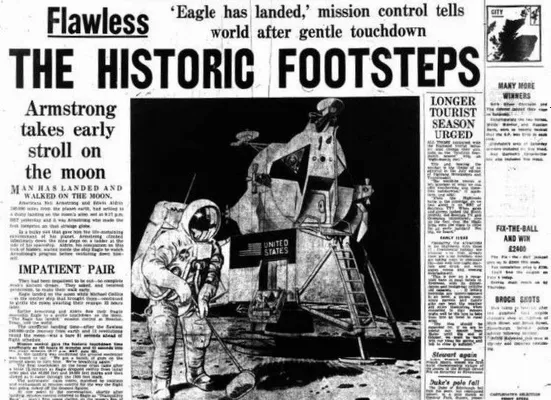
On 20 July 1969, two American astronauts, Neil Armstrong and Buzz Aldrin, landed on the moon, thus becoming the first two humans ever to walk on the lunar surface.These first steps were watched by an estimated audience of 650 million viewers worldwide, as the Apollo 11 mission became a veritable global media sensation.But how was the moon landing reported on by the British media? As part of space and the stars month here at The Archive, we have collated ten front pages
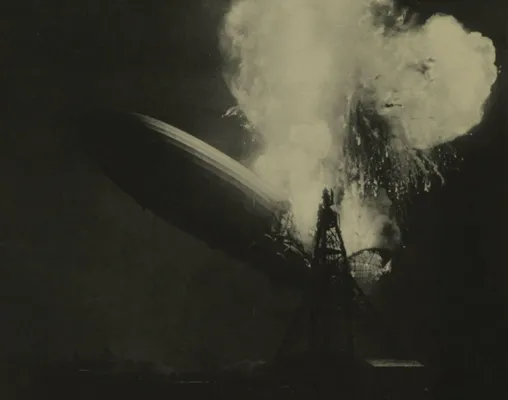
Disaster has befallen the giant German airship, Hindenburg. She was blown to pieces in a mysterious explosion when about to moor at Lakehurst, New Jersey, on the first anniversary of her maiden flight to America. A third of her reported total of 97 aboard have died. Latest death toll of the disaster is 35.So reported the Lincolnshire Echo on 7 May 1937, a day after the German airship LZ 129 Hindenburg caught fire as it attempted to land in New Jersey. News of the
In partnership with the British Library, the British Newspaper Archive features 1 million free to view newspaper pages as part of its collection. A great way to get started with your research, and to begin to explore historic newspapers and their stories, all you need to do is register a free account with us to access the free to view pages.Register now to explore FREE pagesOnce you’ve registered, you can explore 150 different newspaper titles, which span the years 1720 to 1880.
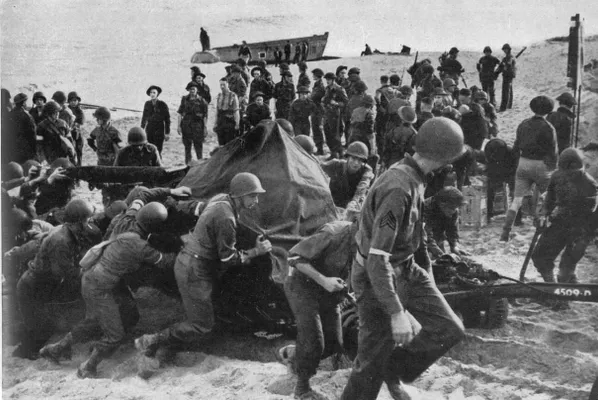
American troops
In honour of Remembrance Day, during the month of November, The British Newspaper Archive will be focusing our attention on military in the newspapers.  Coming up this month we will feature blogs about our special military titles, researching military history, women and war, and wartime rationing and fashion, as well as a guest blog about a remarkable Great War discovery from The Archive.  To begin our military month, we are delving into the newspaper headlines through the years for the
This week The British Newspaper Archive is thrilled to announce the release of a brand new title, The Atlas or, in its full form, The Atlas and General Newspaper and Journal of Literature.  The size of the paper caused a sensation when it first came out.  The London based newspapers was printed on 40cm sheets, double the size of average papers, making it the largest newspaper.  Its size was reflected in the price of 10d, which would be close to £5
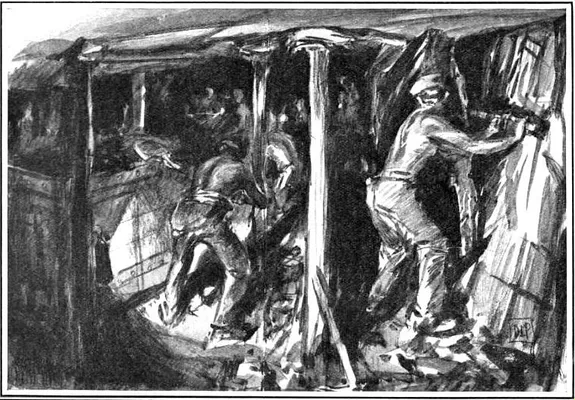
Derbyshire Miners Coal-getting at the Bolsover Face. Drawn by D Macpherson
In the month of August, we have looked at occupations and employment through the newspapers.  To finish our theme this month, we are taking a closer look at coal miners, specifically in the 19th century.  An initial search for miners reveals explosions, accidents, and strikes in the vast amount of mines operating across Great Britain.  We will look at these topics in closer detail.The first coal mine was sunk in Scotland, under the Firth of Forth in 1575.  As the