Skip to content

Search the blog

Tag: 1920sTag: suffragettesTag: lgbtq-history
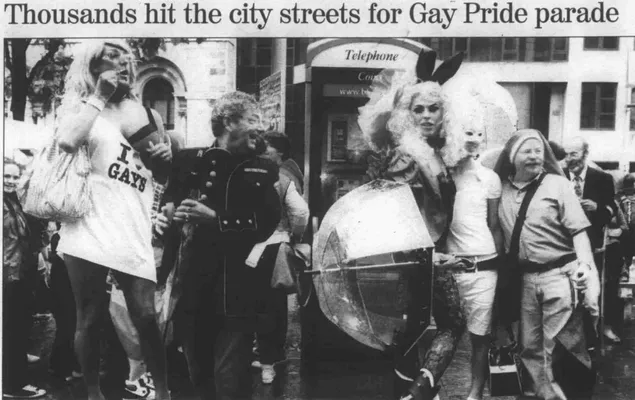
Back in June 2022, we wrote a blog covering the formative, contentious years of the Pride movement in the United Kingdom. Looking through our newspapers on The Archive, we were able to piece together a historical trajectory from 1972-1992, demonstrating how Gay Pride rallies and marches drove both cultural and political expansion in the fight for LGBTQ+ rights. Tracing the narrative of Pride’s inception, we saw how members of Gay Pride protests, marches, and riots were met with widespread hostility and intolerance.
This week at The Archive we are marking St Patrick’s Day with the addition of five brand new Irish titles, and updates to 29 of our existing Irish titles, as we delve into a potential Oscar Wilde work, where all is not as it seems. Furthermore, in all, we’ve added 215,303 brand new pages to our collection, as The Archive continues to grow.So read on to discover more about our new and updated titles of the week, and also to read
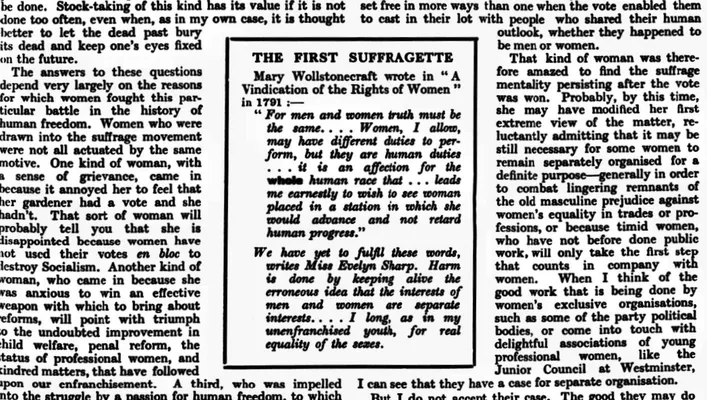
Eighteenth century writer, philosopher and early feminist Mary Wollstonecraft faced censure in her lifetime, not just for her radical beliefs, but also for her rejection of societal norms. Long after her death, however, attitudes began to shift, as she gained recognition as a trailblazing fighter for women’s equality and became an inspirational figure in the women’s suffrage movement.Following on from our blog on the life of Mary Wollstonecraft, in this second and final blog we shall examine the writer’s
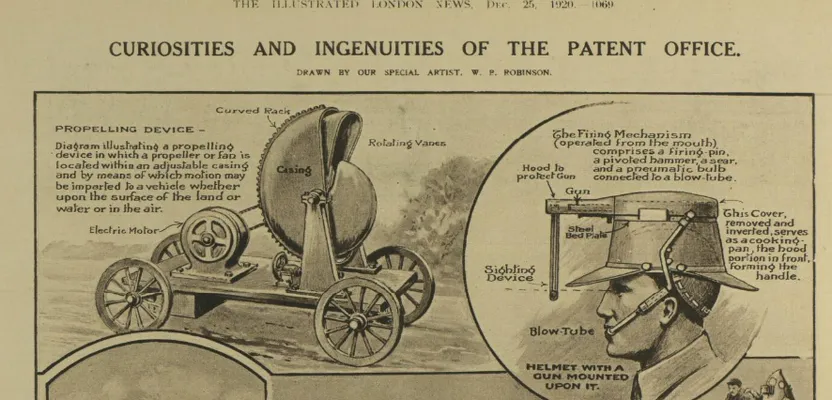
In December 1920 the world’s first illustrated weekly news magazine the Illustrated London News delved into the ‘curiosities and ingenuities‘ of the Patent Office, featuring some of Britain’s most unusual rejected patents.Illustrated by the publication’s own artist W.B. Robinson, the Illustrated London News presented a series of the bizarre designs that had been submitted to the Patent Office, but had since ‘lain dormant.’We at The Archive were keen to delve into our collection’s cabinet of curiosities, and these rejected
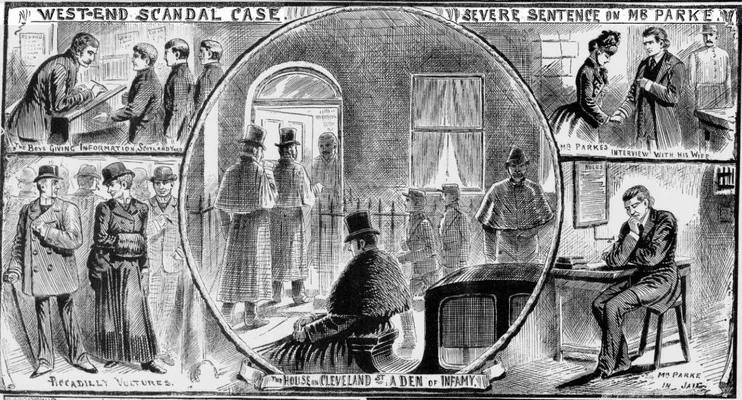
1889 was the year of the Cleveland Street scandal, in which a male brothel was raided in Cleveland Street, in London’s West End. At the time, sexual acts between men were illegal in Britain, and those who visited the house of assignation on Cleveland Street faced prosecution. However, due to the high social standing of many of the clientele of 19 Cleveland Street, only a few men faced prison time, as the British government were accused of covering up the scandal in
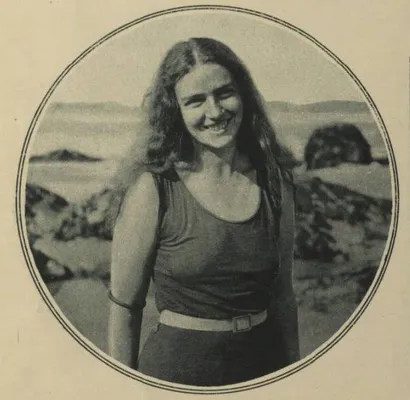
Mercedes Gleitze (1900-1981) was the first British woman to swim the English Channel, and the first person to swim the Straits of Gibraltar. In an amazing career that spanned the 1920s and 1930s, Mercedes captured the imagination of the British public and became a household name.Born to German parents in Brighton, Mercedes was one of three sisters. Skilled in languages, she moved to London where she worked as a secretary and stenographer. Whilst living in London she began swimming in
At The Archive we are delighted to welcome guest blogs from our users, which highlight a wealth of different research interests. This month, we are excited to feature a blog on researching queer history by Staffordshire researcher Rebecca Morris-Quinn.My name is Rebecca, I am a queer woman living in Stoke-on-Trent, Staffordshire. I’ve been interested in genealogy and history for many years, since I found out that I share a birthday with a great-great aunt, Olive (albeit over 100 years ago).
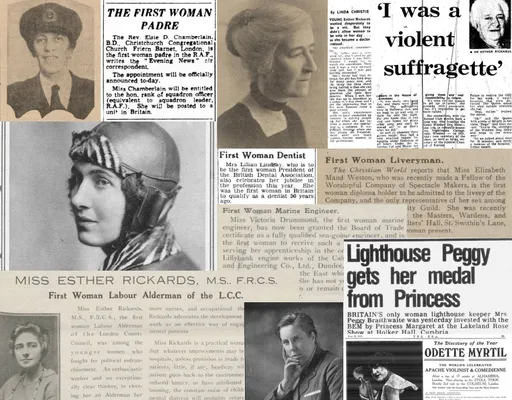
This March at The Archive we are celebrating inspiring women from history, who broke boundaries across different fields, whether they be medical, sporting, political and much more besides. We will be highlighting those inspiring women who broke the mould, and we will be showcasing the achievements of some lesser known women along the way, who deserve recognition for their trailblazing lives and careers.And in this special blog, we will be looking at ten inspiring women from history who you
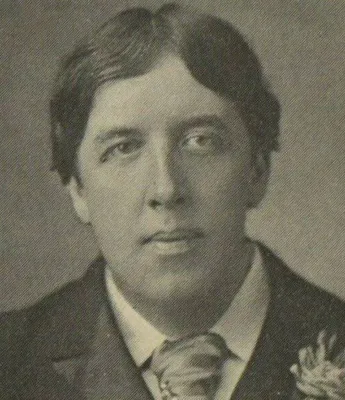
On 1 December 1900 the Sunderland Daily Echo and Shipping Gazette reported on ‘The Death of Mr Oscar Wilde:’The Paris correspondent of the Dublin Evening Mail telegraphs that Mr Oscar Wilde died yesterday at three o’clock in the Latin Quartier. He had been suffering for some time. Two days ago he became unconscious. Six weeks ago he underwent an operation, which appeared to have been successful, but a complication which followed proved fatal.The death of the poet, playwright and novelist
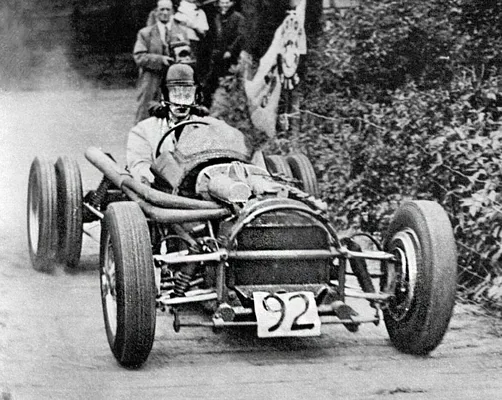
In March 1954 news broke that former Second World War fighter pilot and racing driver Roberta Cowell (1918-2011) had become the first known British transgender woman to undergo gender affirmation surgery, an important part of British LGBTQ+ history.Roberta Cowell, or Betty as she was known to her friends, soon became the ‘most talked of woman in England,’ making headlines across national and regional newspapers. And the way that Roberta used print media to tell her own story is a story in