Skip to content

Search the blog

Tag: ww1Tag: advanced-searchTag: blitzTag: colindale
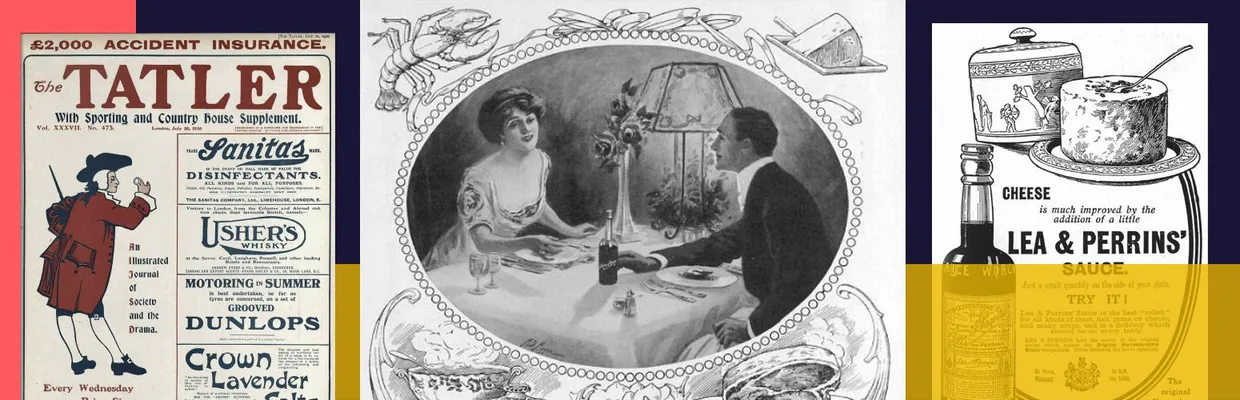
Image showing a montage of newspaper and magazine images
An exciting feature of the new British Newspaper Archive will be the advanced search capabilities that are coming to the site.Searching historic newspapers has always been a balancing actSearching historic newspapers has always been a bit of a tightrope walk. Search too narrowly and you miss the articles you need. Cast the net too wide and you’re wading through pages of irrelevant results. Throw in inconsistent spelling, occasionally damaged print, and the inevitable quirks of Optical Character Recognition
This week at The Archive we are delighted to welcome a brand new title from the sunny south coast, the Bournemouth Times and Directory, as we take a moment to remember the devastating Bournemouth Blitz. In all, over the last seven days, we’ve added 366,686 brand new pages to our collection, whilst we’ve updated 25 of our existing titles from across England, Scotland and Northern Ireland.So, from Buckingham to Burnley, from Dingwall to Driffield, from Mid Sussex to Mid Ulster, read
Here at The Archive, we love to learn of the discoveries you have made through our newspaper pages, and how you have used them, whether they have influenced novels, or provided information for dissertations. We were incredibly grateful, therefore, when crime writer and athletics historian Peter Lovesey contacted us with his account of sixty years of researching newspapers. From accessing historical newspapers in their original form, to scrolling through microfilm reels, and finally to searching newspapers digitally on the British
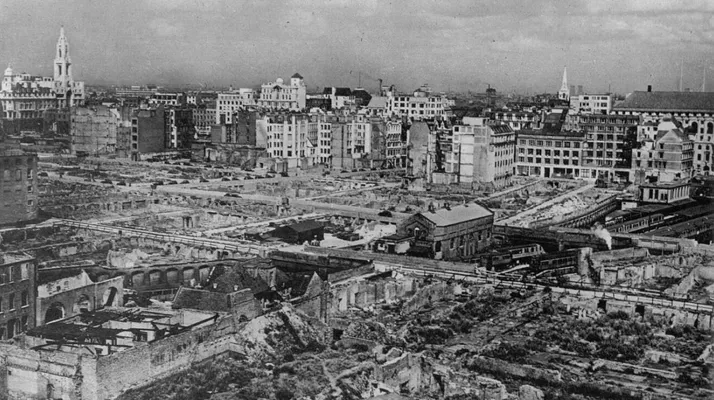
In the decade after the Second World War had come to an end, and indeed beyond, many communities across the United Kingdom were faced with very vivid reminders of the conflict: bomb sites, the country’s ‘war scars.’In this blog, we will examine how people in Britain lived alongside bomb sits in the 1950s, using newspapers taken from The Archive. We will explore how communities adapted to live beside bomb sites, and how they transformed them into gardens and playgrounds.
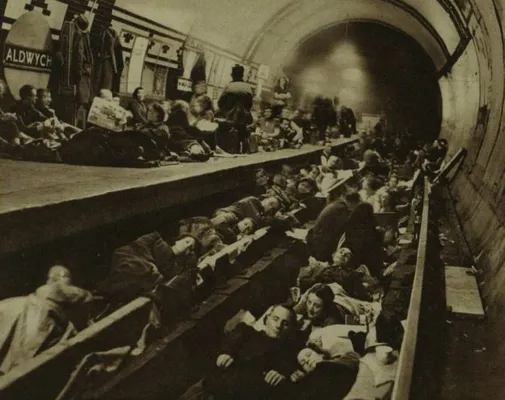
When the Blitz began on 7 September 1940, ‘It was the people of London who took command…Men, women, and children went straight to the safest place they could think of – the Underground stations.’In this special blog, over 80 years after the beginning of the Blitz, we take a look at how London’s main transport system – the Underground –  became a popular place of shelter for those seeking protection from the German bombing campaign, using an assortment of articles and photographs all to be
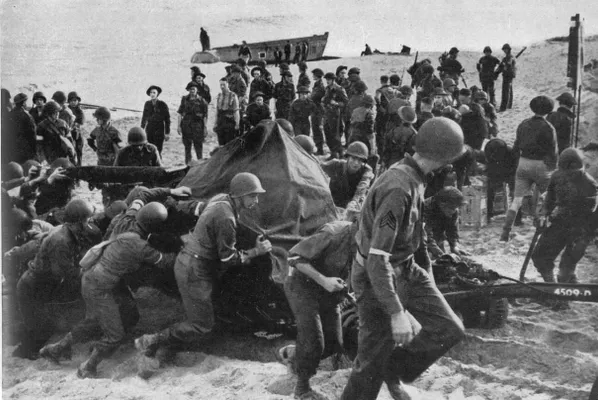
American troops
In honour of Remembrance Day, during the month of November, The British Newspaper Archive will be focusing our attention on military in the newspapers.  Coming up this month we will feature blogs about our special military titles, researching military history, women and war, and wartime rationing and fashion, as well as a guest blog about a remarkable Great War discovery from The Archive.  To begin our military month, we are delving into the newspaper headlines through the years for the
With summer well underway and a new month dawning, we take a look at the month of July with the help of The British Newspaper Archive. What events and holidays of significance took place in July? How have our newspapers covered such happenings? Join us as we explore the history and newspaper coverage of Canada Day, the Battle of the Somme, and Independence Day.Canada DayThe national holiday celebrates the anniversary of the enactment of the Constitution Act, which
During our first ever webinar, we have over 600 questions from more than 3,500 registered viewers. It was incredible to get so much feedback and interaction from our viewers.  Here we will share a sample of the questions from our webinar event.Didn’t get a chance to see the webinar?  Watch the event now.(The discount offer is no longer valid)QuestionsSometimes I try to find a name in the newspaper archive and it says there are no matches. Why and
“I won’t be embarrassed by what I discover, bring it on! Let’s have an adventure.” – Warwick DavisIn last night’s episode of Who Do You Think You Are? we joined Warwick Davis, best known for his acting career, as he uncovered a few family secrets including bigamy and multiple marriages on his mother’s side of the family, as well as tragedy and another successful performer on his father’s side.Searching for a Local PubWarwick wanted to find out about
Suzie Grogan used The British Newspaper Archive extensively while researching her book, Shell Shocked Britain: The First World War’s legacy for Britain’s mental health. She got in touch to show us the heart-breaking story she found about her own ancestors and some of the terrible accounts about life during World War One.**************My book is the product of two years of intensive research into the trauma of the Great War and its aftermath. But it was a chance find during