
Skip to content

Search the blog

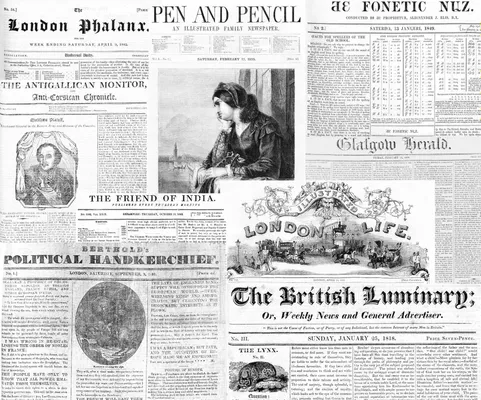
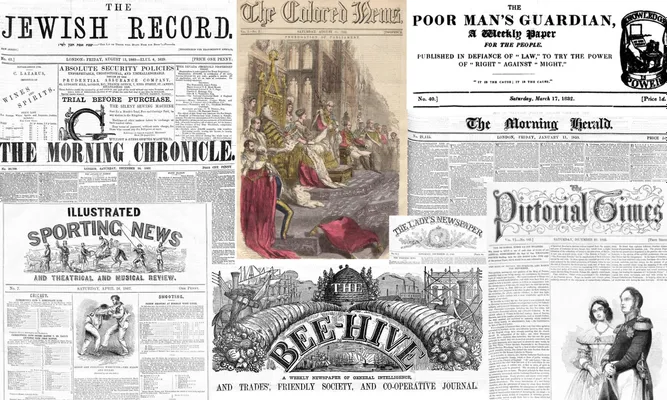
Tag: victorian-newspapersTag: blitzTag: radical-press
We’re delighted as we march on with The Salvation Army to welcome another of the worldwide Christian church and registered charity’s titles to our ranks, namely the Young Soldier. The longest running continuously published children’s periodical in the world, alongside this fascinating publication we’ve also added five other new titles, and updated 22 of our existing titles from across the UK and Ireland. In all, we’ve added 207,356 brand new pages to The Archive over the last seven days.And this week,
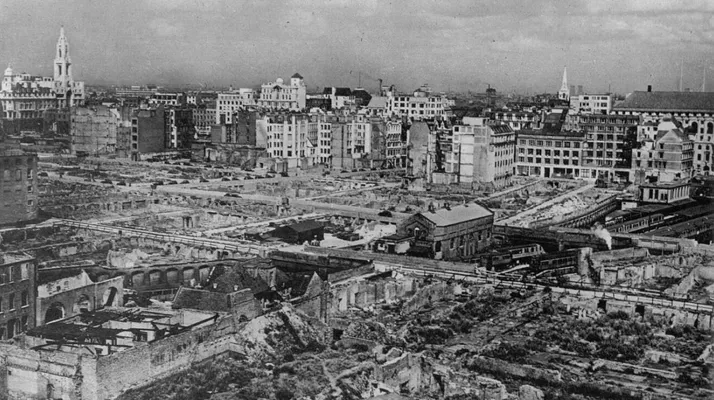
This week at The Archive we are delighted to welcome a brand new title from the sunny south coast, the Bournemouth Times and Directory, as we take a moment to remember the devastating Bournemouth Blitz. In all, over the last seven days, we’ve added 366,686 brand new pages to our collection, whilst we’ve updated 25 of our existing titles from across England, Scotland and Northern Ireland.So, from Buckingham to Burnley, from Dingwall to Driffield, from Mid Sussex to Mid Ulster, read
This week at The Archive we are delighted to welcome brand new specialist horse-focussed title the Trotting World and Horse Review to our collection, alongside three other brand new titles from Leicestershire, London and Lincolnshire. In all, we’ve added 240,324 brand new pages to The Archive, with updates to 32 of our existing titles from across England and Wales.With new pages added to titles from Greenford to Grimsby, from Liverpool to Loughborough, from Newquay to Nottingham, we have a plethora of
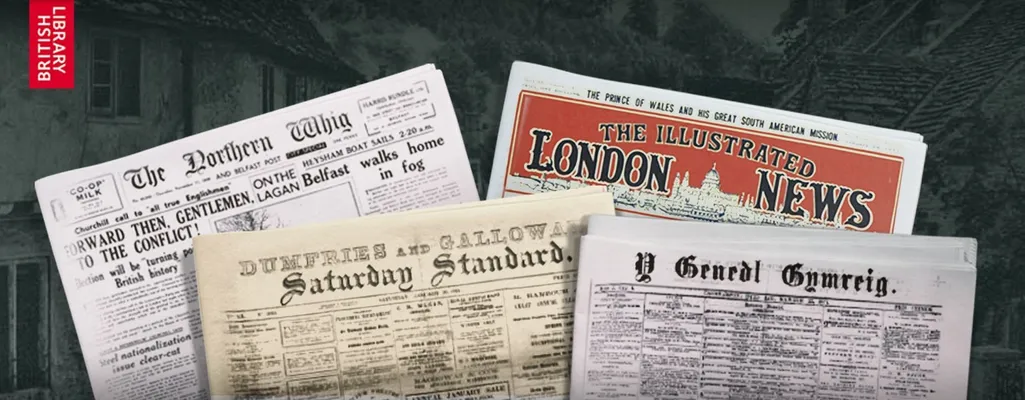
As part of our ongoing partnership with the British Library, we are delighted to announce that one million more pages on the British Newspaper Archive have now been made free to view on our site, meaning that we now have two million pages in total that can be accessed freely as part of our collection.And we’re not stopping here. We’re planning to release a total of five million free to view pages on The Archive over five years, meaning
In the decade after the Second World War had come to an end, and indeed beyond, many communities across the United Kingdom were faced with very vivid reminders of the conflict: bomb sites, the country’s ‘war scars.’In this blog, we will examine how people in Britain lived alongside bomb sits in the 1950s, using newspapers taken from The Archive. We will explore how communities adapted to live beside bomb sites, and how they transformed them into gardens and playgrounds.
As we move now into February we have been extremely busy here at The Archive, adding 139,438 brand new pages to our collection, with the addition of two brand new titles over the past seven days. Meanwhile, we have made significant updates to a range of our existing titles, with 26 titles updated in all.So read on to discover more about our two new titles of the week, one of which represented the interests of the various Nonconformist Protestant groups of
Following the extension of our successful partnership with the British Library, we are delighted to announce that millions of pages will be made free to view on the British Newspaper Archive, with one million of these free to view pages made available today.Register now to explore FREE pagesWorking together over the past decade to provide the largest online collection of British newspapers, the British Newspaper Archive now hosts over 48 million pages in total, with a remit that extends
This week at The Archive we have cooked up a baker’s dozen of brand new titles, with thirteen new titles joining us in all, and 51,462 new pages added across the collection, spanning over a century’s worth of headlines.So read on to discover more about our new titles, which hail from Wales and Lancashire, as well as London, with a very special religious title joining us too. Also, read on to find out more about London’s first ever railway, which
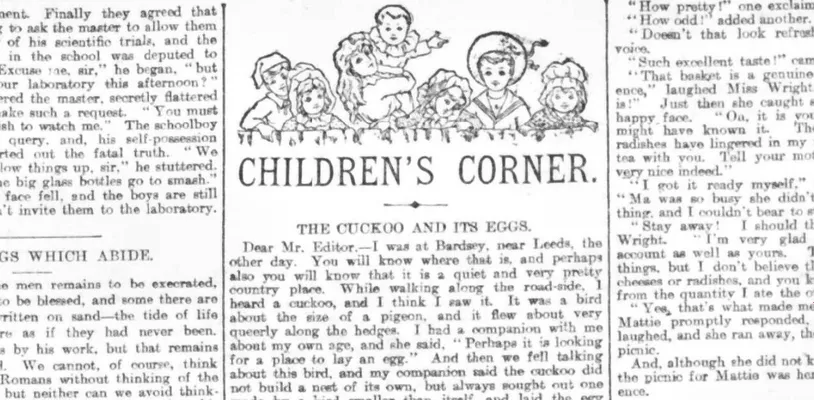
With an increase in literacy rates and a growing emphasis on the importance of family, by the mid Victorian era the concept of the children’s corner in newspapers was born.Leeds Mercury | 18 June 1898Often placed amongst the densely packed columns of the daily or weekly local and national newspapers, the children’s corner represented a new development for Victorian editors of the day, and a new market to which they could appeal.And in this special blog, as we explore the
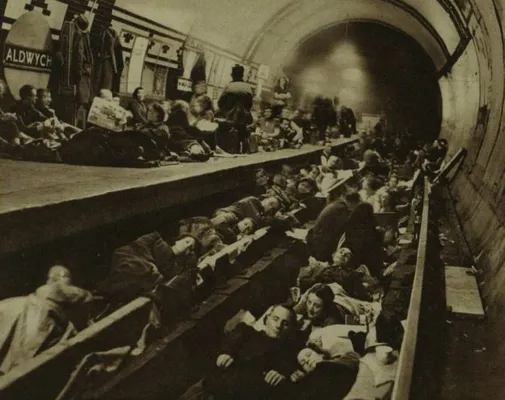
When the Blitz began on 7 September 1940, ‘It was the people of London who took command…Men, women, and children went straight to the safest place they could think of – the Underground stations.’In this special blog, over 80 years after the beginning of the Blitz, we take a look at how London’s main transport system – the Underground –  became a popular place of shelter for those seeking protection from the German bombing campaign, using an assortment of articles and photographs all to be