
Skip to content

Search the blog

Tag: ve-dayTag: child-labour
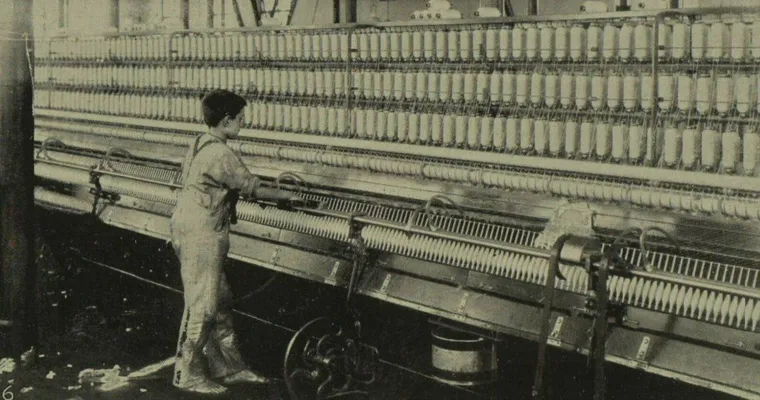
Here at The Archive we are delighted to welcome 204,443 brand new pages this week, as we mark 125 years since the passing of the Mines (Prohibition of Child Labour Underground) Act 1900, which banned children under the age of thirteen from working underground in mines. This act, following the raising of the school leaving age to twelve in 1899, represented an important milestone in the eradication of child labour.Meanwhile, we’ve added eight brand new titles this week, which span the length and
This week at The Archive we’re excited to welcome five brand new titles to our collection, and we’re especially delighted to welcome one of the longest running Free Church newspapers to our holdings, namely the Baptist Times. Meanwhile, we’ve added 125,635 brand new pages to The Archive in all over the past seven days, with updates to eleven of our existing titles, including to the world’s oldest English language general daily newspaper still in circulation, the Belfast News-Letter.So read on
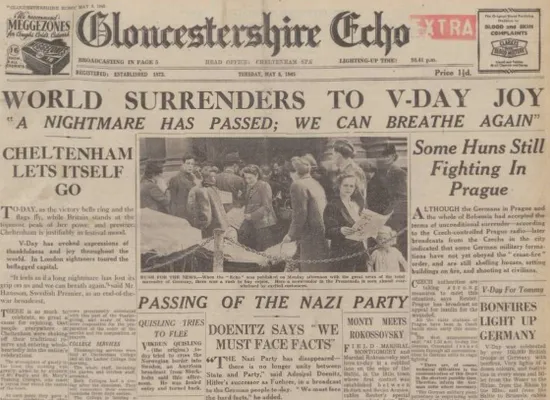
This week at The Archive we are marking the 80th anniversary of VE Day by examining the striking front pages of our newspapers. We’re also continuing to add new pages to our collection, with 125,548 brand new pages joining us over the last seven days, which includes the addition of five brand new newspaper titles and the updating of eighteen of our existing titles from across the United Kingdom and the Republic of Ireland.So read on to see the headlines
This month marks the 80th anniversary of VE Day – the day that peace in Europe was finally declared. After nearly six years of conflict – how did the newspapers of the time report the momentous news? How did the people of Britain react?Gloucestershire Echo | 8 May 1945Using the front pages from the 8 May 1945, VE Day itself, we take a step back in time to discover just how the joyous news spread, and how it was reacted to.Register now and explore
In October 1823, the Public Ledger and Daily Advertiser asserted:The charge and duty of Government are not merely to increase the numbers of men, but to promote and increase their happiness. Industry is the most powerful engine of this happiness, because it is the spring of all their riches. Government, then, should encourage labour, and by due reward, endeavour to avail of, and augment its useful products…The article, entitled ‘Political Economy,’ goes on to recommend how ‘the power of
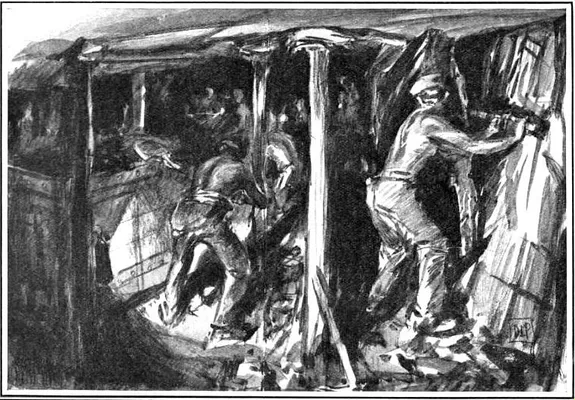
Derbyshire Miners Coal-getting at the Bolsover Face. Drawn by D Macpherson
In the month of August, we have looked at occupations and employment through the newspapers.  To finish our theme this month, we are taking a closer look at coal miners, specifically in the 19th century.  An initial search for miners reveals explosions, accidents, and strikes in the vast amount of mines operating across Great Britain.  We will look at these topics in closer detail.The first coal mine was sunk in Scotland, under the Firth of Forth in 1575.  As the