
Skip to content

Search the blog

Tag: sputnikTag: immigrationTag: music
We’re delighted this week to bring you an astonishing amount of new pages, over half a million in all, as we trace everything from music history through the pages of Sound Wave to workers’ history through Common Good. Here are the figures for you: we’ve added 526,032 brand new pages in all, alongside seven brand new titles, and we’ve updated 28 of our existing titles.From Fife to Folkestone, from Llangollen to Liverpool, from Roscommon to Ripley, through our new pages this
This week at The Archive, we have added another 190,692 new pages to our total count. We welcome three new titles that take us both underground into the mining industry, and across the water to 19th century Antigua. Additionally, we have updated nineteen of our pre-existing titles, including one final year to complete the 1956-1985 run of our 100 millionth title, Dundee Courier, as well as more to special interest title, Bicycling News.So continue reading to find out more about our fascinating
This week at The Archive we have reached a landmark 78 million pages, as we explore 1995‘s Battle of Britpop, played out between bands Blur and Oasis. We’ve added one brand new title this week, Scottish newspaper the Ellon Times & East Gordon Advertiser, with 441,915 pages added in all over the last seven days. Meanwhile, we’ve updated 26 of our existing titles, from across England, Northern Ireland and Scotland.Before we move on to take a look at the Battle of Britpop, a
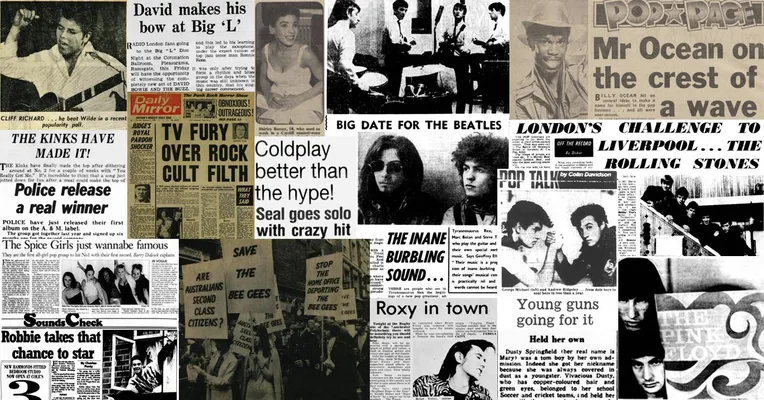
From the 1950s onwards the United Kingdom has produced many extraordinary music icons in the arenas of pop, rock and more. The rise of these British music icons, both bands and solo artists, is chronicled throughout our newspaper Archive.And so, in this special blog, we’ve delved into our Archive to bring you early reviews of Britain’s biggest bestselling music artists. From Shirley Bassey to Duran Duran, from Kate Bush to the Rolling Stones, we’ve picked 42 music icons to highlight,
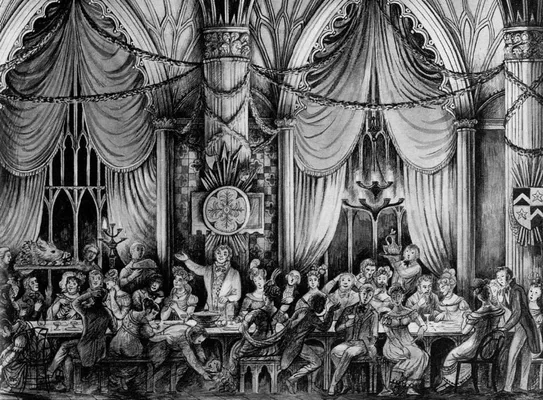
As Christmas is once more upon us, and the world slowly starts to go back to normal after several years of lockdowns, Christmas parties are again back in vogue. It got us wondering here at The Archive how the Christmas party has changed and developed over time. Naturally, we turned to our newspapers to discover more, learning how the key components of food, drink and music have always been part of historic Christmas celebrations.So in this special blog, we
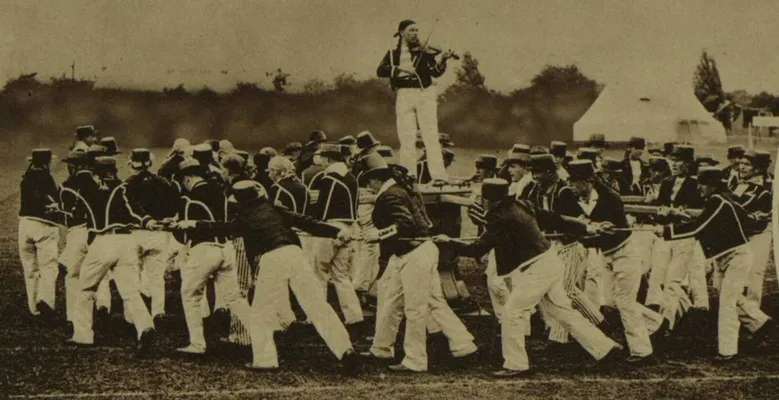
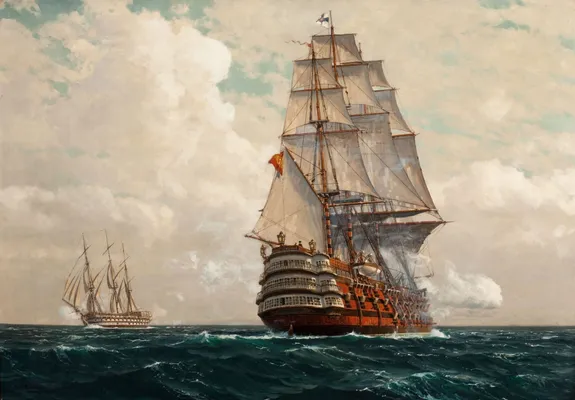
‘Sea shanties are having a great vogue right now,’ reports the Leeds Mercury in January 1927. The writer may well have been describing the sea shanty trend of the present day, as the haunting harmonies of traditional sea shanties once again have captured the popular imagination.And one hundred years ago, during the 1920s, sea shanties were also incredibly popular. You could listen to them on the radio, or on your gramophone, and they were even performed by MPs.Sailors turn
Old newspapers regularly featured passenger lists, news from abroad, foreign destination guides and other travel-related musings, making the British Newspaper Archive the perfect research companion for anyone interested in how people moved around the world in days gone by.Register Now and View 3 FREE PagesWhether you’re a genealogist having trouble pinpointing your family’s voyage to another country or a student doing a thesis on historical migration patterns, the Archive may hold a key piece of information for your research.
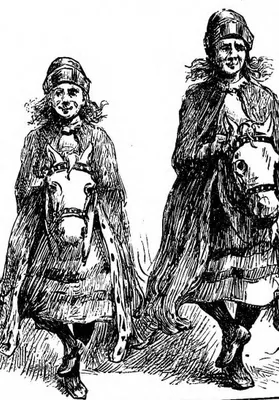
The Clog Dance
This week’s episode of Who Do You Think You Are? took us down under and all over Australia. Craig Revel Horwood was able to learn how his ancestors on both sides of his family came to be in Australia and what activities occupied their days, from mining for gold to clog dancing.Convicts in the familyCraig’s family history journey began with his sister’s retelling of their great-great grandfather Moses Horwood being convicted of theft and transported to Australia.While
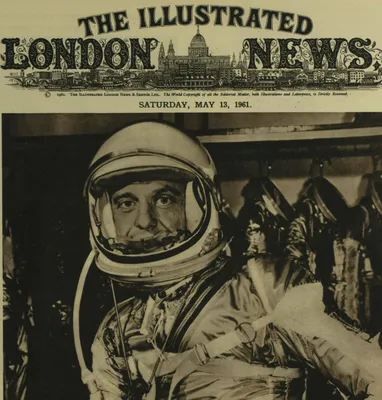
Space RaceThe Space Race between the Soviet Union and the United States experienced a significant ratcheting up at the end of the 1950s with the Sputnik Crisis, which saw the successful launching and orbit of the satellite Sputnik 1 by the Soviet Union in 1957. This development was a key factor in the creation of NASA the following year by the United States as well as the investment of federal funds into national security and research and development.An important milestone