
Skip to content

Search the blog

Tag: sputnikTag: immigrationTag: blitzTag: dundee-courier
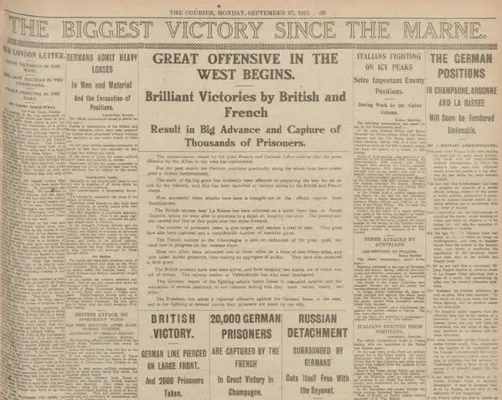
Today is a momentous day in the history of the British Newspaper Archive – we have reached 100 million newspaper pages – all available for you to search at the click of a button. Indeed, to be accurate, we now have over 100 million newspaper pages for you to enjoy, as we tipped over this incredible figure with the addition of 206,718 brand new newspaper pages this week.Our 100 millionth newspaper page comes from none other than the wonderfully historic Dundee Courier. Read on to
This week at The Archive we are delighted to welcome a brand new title from the sunny south coast, the Bournemouth Times and Directory, as we take a moment to remember the devastating Bournemouth Blitz. In all, over the last seven days, we’ve added 366,686 brand new pages to our collection, whilst we’ve updated 25 of our existing titles from across England, Scotland and Northern Ireland.So, from Buckingham to Burnley, from Dingwall to Driffield, from Mid Sussex to Mid Ulster, read
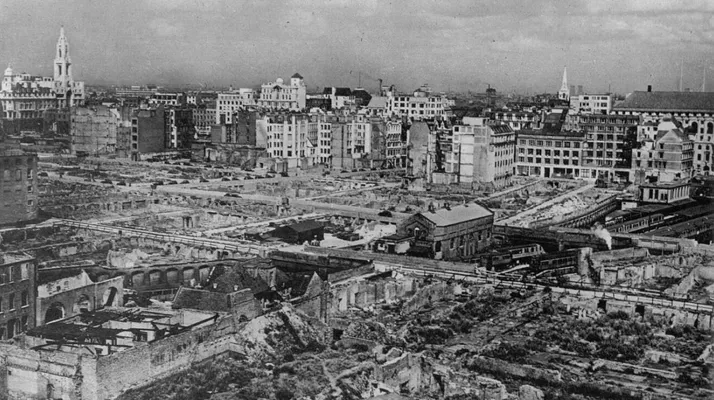
In the decade after the Second World War had come to an end, and indeed beyond, many communities across the United Kingdom were faced with very vivid reminders of the conflict: bomb sites, the country’s ‘war scars.’In this blog, we will examine how people in Britain lived alongside bomb sits in the 1950s, using newspapers taken from The Archive. We will explore how communities adapted to live beside bomb sites, and how they transformed them into gardens and playgrounds.
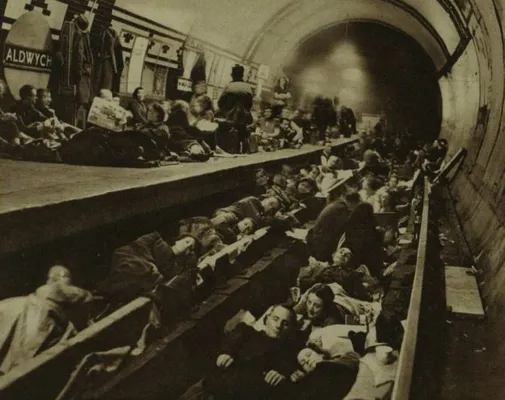
When the Blitz began on 7 September 1940, ‘It was the people of London who took command…Men, women, and children went straight to the safest place they could think of – the Underground stations.’In this special blog, over 80 years after the beginning of the Blitz, we take a look at how London’s main transport system – the Underground –  became a popular place of shelter for those seeking protection from the German bombing campaign, using an assortment of articles and photographs all to be
We are delighted this week to feature a very special blog post from the High School of Dundee, written by Niall Joss, which explores how pupils connected with the First World War through the British Newspaper Archive and a war memorial.How did the British Newspaper Archive and a war memorial inspire primary school children to connect with the First World War?With the centenary of the end of First World War just passed, how can children born in the
American troops
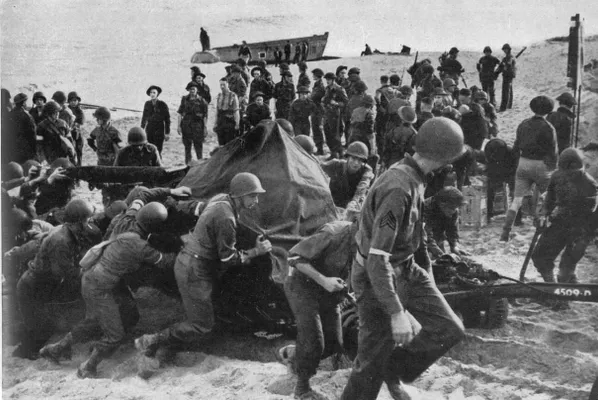
In honour of Remembrance Day, during the month of November, The British Newspaper Archive will be focusing our attention on military in the newspapers.  Coming up this month we will feature blogs about our special military titles, researching military history, women and war, and wartime rationing and fashion, as well as a guest blog about a remarkable Great War discovery from The Archive.  To begin our military month, we are delving into the newspaper headlines through the years for the
Haunted
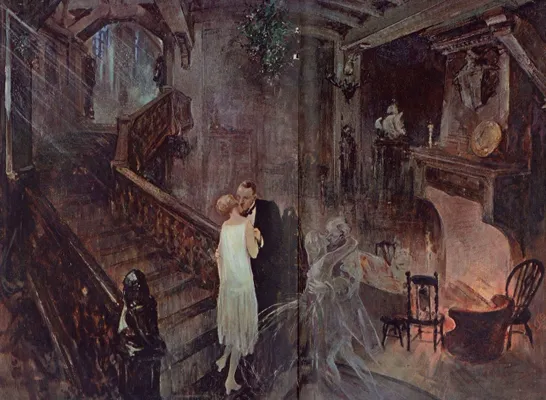
With Halloween approaching, we wanted to see what we could find related to the topic of hauntings in The British Newspaper Archive.Of children and hauntingsOften the origins of a haunting myth are rooted in death and loss. Sometimes the myth grows and morphs to such a point where its origin is indeterminate. Other times, the sad truth of its origin is unexpectedly revealed, as with the ‘grim discovery’ at a ‘haunted house’ in 1921, reported in The Scotsman.This
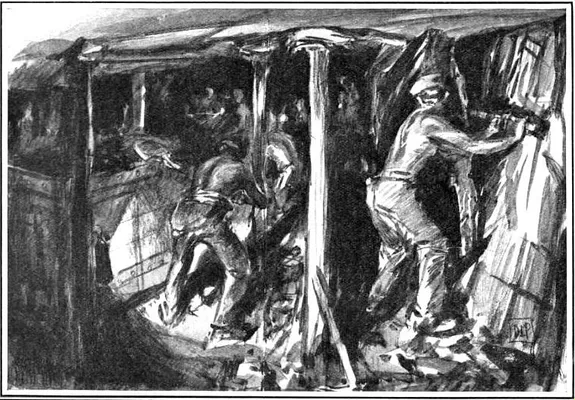
Derbyshire Miners Coal-getting at the Bolsover Face. Drawn by D Macpherson
In the month of August, we have looked at occupations and employment through the newspapers.  To finish our theme this month, we are taking a closer look at coal miners, specifically in the 19th century.  An initial search for miners reveals explosions, accidents, and strikes in the vast amount of mines operating across Great Britain.  We will look at these topics in closer detail.The first coal mine was sunk in Scotland, under the Firth of Forth in 1575.  As the
Old newspapers regularly featured passenger lists, news from abroad, foreign destination guides and other travel-related musings, making the British Newspaper Archive the perfect research companion for anyone interested in how people moved around the world in days gone by.Register Now and View 3 FREE PagesWhether you’re a genealogist having trouble pinpointing your family’s voyage to another country or a student doing a thesis on historical migration patterns, the Archive may hold a key piece of information for your research.
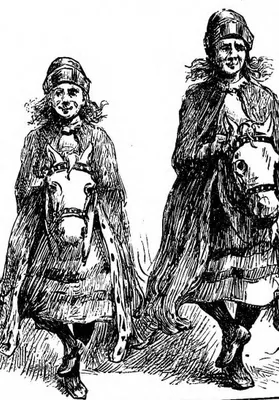
The Clog Dance
This week’s episode of Who Do You Think You Are? took us down under and all over Australia. Craig Revel Horwood was able to learn how his ancestors on both sides of his family came to be in Australia and what activities occupied their days, from mining for gold to clog dancing.Convicts in the familyCraig’s family history journey began with his sister’s retelling of their great-great grandfather Moses Horwood being convicted of theft and transported to Australia.While