Skip to content

Search the blog

Tag: sputnikTag: historyTag: halloweenTag: easter-rising
With one week to go until St Patrick’s day, we at The Archive are turning our focus across the water to Ireland for this week’s titles. We will uncover how Cork Free Press was involved in a printing disgrace following an editorial disagreement, with the paper eventually being brought to an end following an act of suppression by the British authorities. Additionally, newly added pages from the Belfast Telegraph allow us to dive into the passage of the Thirty-fourth Amendment
At The Archive this week we are delighted to announce that we have hit another milestone, as we are now at over 97 million pages all available to search, as we embrace spooky season and find out how to throw a 1950s style Halloween party. That’s not all, we’ve added another 256,448 brand new pages to our collection, with five brand new titles and updates to seven of our existing titles from across the UK.And so, read on to discover more
As it’s the height of spooky season we’re exploring the history of Halloween at The Archive, with the help of the 93,381 brand new pages that we have added to our collection over the last seven days. Meanwhile, we’re delighted to welcome one brand new newspaper title to The Archive, which is the Middlesex & Surrey Gazette, whilst we have made exciting updates to some of our existing titles from across Wales, Scotland and Northern Ireland.So read on to discover more
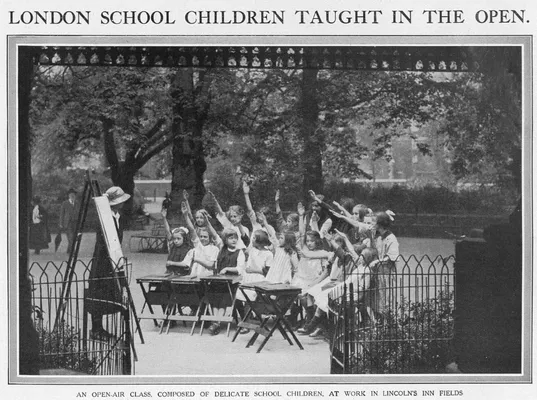
In the early 1900s British authorities took a new approach to education: open air schools. Inspired by methods of teaching in Germany, these open air schools were intended to provide disadvantaged city children with fresh air, alleviating their poor health and preventing the spread of tuberculosis.In this special blog, using newspapers taken from our Archive, we will investigate the open air schools of the 1900s, from their early inception, to how they continued to play a role in education
This week at The Archive we are illuminating Irish history with the addition of three brand new Irish newspapers, from Dublin, Limerick and Kerry. Meanwhile, over the past seven days, we have added a total of 122,848 brand new pages, whilst we have also updated five of our existing titles from the Republic of Ireland and Northern Ireland.So read on to discover more about all of our new and updated titles of the week, as well as to learn about
This week at The Archive we have been busy adding an incredible 167,444 brand new pages to our collection, with nineteen new titles added in all. And this week’s new titles have an especially Scottish theme, with a lucky thirteen new titles added from Scotland alone over the past seven days.Meanwhile, we have added six historic London titles, digitised as part of the British Library’s Heritage Made Digital programme, and updated fifteen of our existing newspaper titles, including pages from
Nowadays, we tend to think of Halloween as a thoroughly modern phenomenon, an American Hallmark holiday. But using newspapers from the Victorian era, accessed through The Archive, we will discover in this blog how Halloween is a thoroughly ancient phenomenon.We will look at the ancient origins of the October festival, and explore its traditions, some of which have lasted through to this day, like bobbing for apples, and others that have fallen by the wayside, for example the day’s
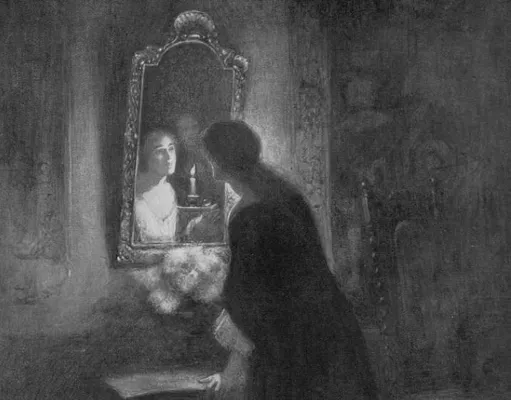
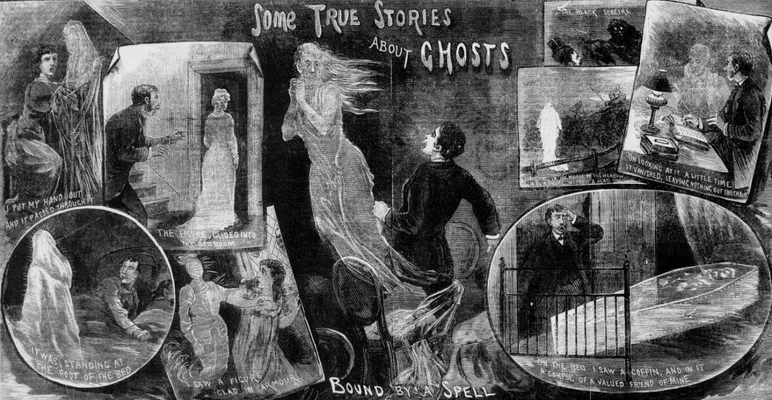
With spooky season now upon us, we thought we’d scour the pages of The Archive to find some of the most spine-chilling ghost stories ever published in our newspapers.So settle in and prepare to be scared by tales of ghostly armies, inexplicable apparitions and portents from the afterlife, all of which have been featured in the pages of the newspapers to be found on The Archive.Want to learn more? Register now and explore The Archive1. An Army of
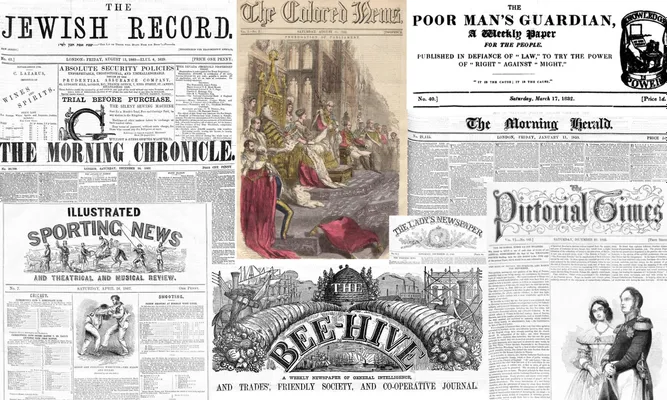
In partnership with the British Library, the British Newspaper Archive features 1 million free to view newspaper pages as part of its collection. A great way to get started with your research, and to begin to explore historic newspapers and their stories, all you need to do is register a free account with us to access the free to view pages.Register now to explore FREE pagesOnce you’ve registered, you can explore 150 different newspaper titles, which span the years 1720 to 1880.
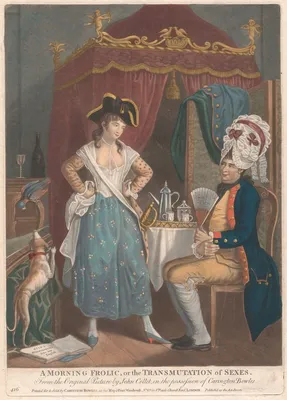
June is Pride Month. At The Archive, we are delving into the newspapers and pulling out the breadth of LGBTQ history available.Register now and explore The Archive18th Century Gay Subculture18th century London was home to a flourishing gay subculture with Molly Houses at the centre of the social scene. ‘Molly’ was a slur used for effeminate, homosexual men and the term was adopted to describe the clubs, taverns, inns, or coffee houses where they met up in