Skip to content

Search the blog

Tag: sputnikTag: historyTag: easter-risingTag: bournemouth
With one week to go until St Patrick’s day, we at The Archive are turning our focus across the water to Ireland for this week’s titles. We will uncover how Cork Free Press was involved in a printing disgrace following an editorial disagreement, with the paper eventually being brought to an end following an act of suppression by the British authorities. Additionally, newly added pages from the Belfast Telegraph allow us to dive into the passage of the Thirty-fourth Amendment
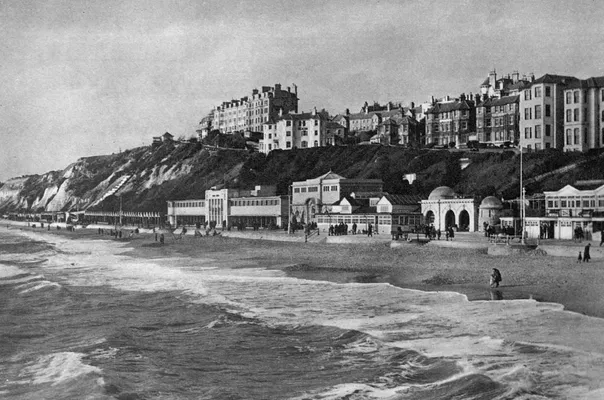
This week at The Archive we are delighted to welcome a brand new title from the sunny south coast, the Bournemouth Times and Directory, as we take a moment to remember the devastating Bournemouth Blitz. In all, over the last seven days, we’ve added 366,686 brand new pages to our collection, whilst we’ve updated 25 of our existing titles from across England, Scotland and Northern Ireland.So, from Buckingham to Burnley, from Dingwall to Driffield, from Mid Sussex to Mid Ulster, read
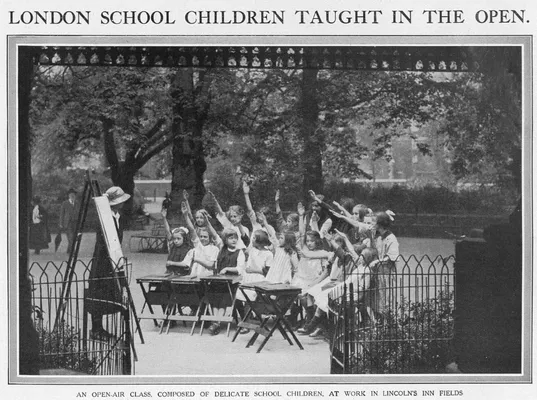
In the early 1900s British authorities took a new approach to education: open air schools. Inspired by methods of teaching in Germany, these open air schools were intended to provide disadvantaged city children with fresh air, alleviating their poor health and preventing the spread of tuberculosis.In this special blog, using newspapers taken from our Archive, we will investigate the open air schools of the 1900s, from their early inception, to how they continued to play a role in education
This week at The Archive we are illuminating Irish history with the addition of three brand new Irish newspapers, from Dublin, Limerick and Kerry. Meanwhile, over the past seven days, we have added a total of 122,848 brand new pages, whilst we have also updated five of our existing titles from the Republic of Ireland and Northern Ireland.So read on to discover more about all of our new and updated titles of the week, as well as to learn about
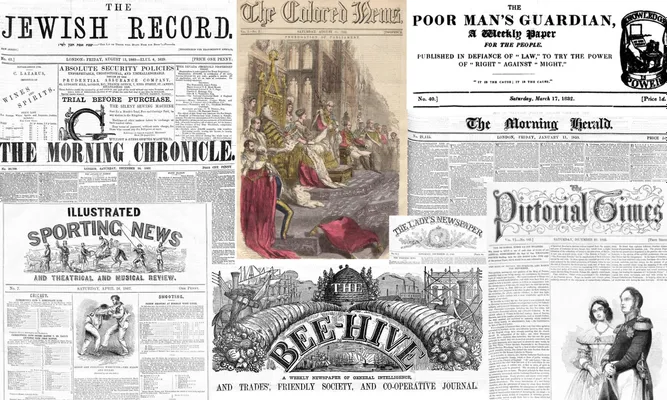
In partnership with the British Library, the British Newspaper Archive features 1 million free to view newspaper pages as part of its collection. A great way to get started with your research, and to begin to explore historic newspapers and their stories, all you need to do is register a free account with us to access the free to view pages.Register now to explore FREE pagesOnce you’ve registered, you can explore 150 different newspaper titles, which span the years 1720 to 1880.
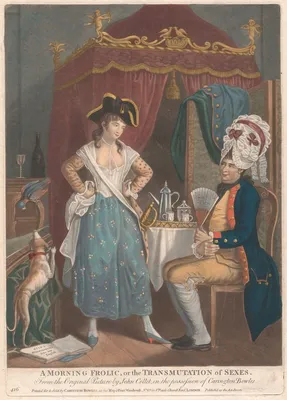
June is Pride Month. At The Archive, we are delving into the newspapers and pulling out the breadth of LGBTQ history available.Register now and explore The Archive18th Century Gay Subculture18th century London was home to a flourishing gay subculture with Molly Houses at the centre of the social scene. ‘Molly’ was a slur used for effeminate, homosexual men and the term was adopted to describe the clubs, taverns, inns, or coffee houses where they met up in
In March 1935 the seaside resort town of Bournemouth was shaken by a sensational murder. Retired architect Francis Mawson Rattenbury, aged 67, was found dead at his home, Villa Madeira, on Manor Road. Accused of his murder were his younger wife Alma Rattenbury, and her lover, 18-year-old gardener George Stoner.This case would end in further tragedy, and in this special blog, using pages from the British Newspaper Archive, we explore how murder came to the genteel town of Bournemouth in the
Britain’s favourite horticultural happening is right around the corner once again. The RHS Chelsea Flower Show begins on 23 May and will be held in the grounds of the Royal Hospital, Chelsea, for the 105th time. To celebrate, we’re showing you exactly how to go about unearthing newspaper stories on the Flower Show, and other long-running events, using our ever-growing Archive.Register now and view 3 pages for FREESearching for an event in the Archive is much like searching for a
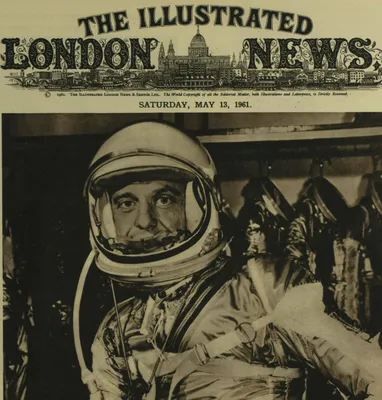
Space RaceThe Space Race between the Soviet Union and the United States experienced a significant ratcheting up at the end of the 1950s with the Sputnik Crisis, which saw the successful launching and orbit of the satellite Sputnik 1 by the Soviet Union in 1957. This development was a key factor in the creation of NASA the following year by the United States as well as the investment of federal funds into national security and research and development.An important milestone
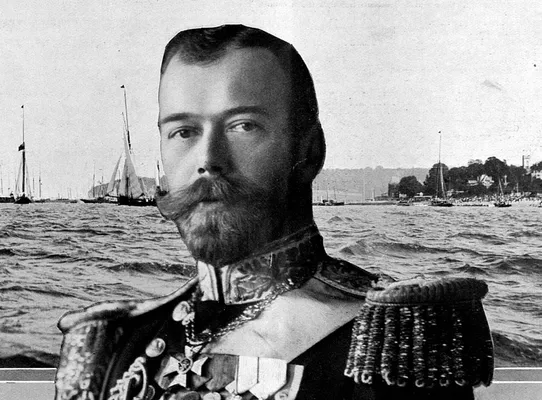
On 15 March 1917, amid the chaos and fury of the Russian Revolution, Tsar Nicholas II, Emperor of all Russia, abdicated from the throne and ended 300 years of Romanov rule.  Russians of all classes were on the streets of Petrograd (formerly known as St Petersburg), and Nicholas’ own military had joined the ranks of protestors.  How did this monarch fall and a dynasty end?  On the anniversary of Tsar Nicholas’ abdication, we will take a look through the British Newspaper Archive at