Skip to content

Search the blog

Tag: sputnikTag: easter-risingTag: colindaleTag: lusitania
A montage of different newspaper titles with the British Newspaper Archive logo
Fittingly for our brand new platform, this week we are delighted to welcome five brand new titles to The Archive, with a total of 261,496 pages joining us in all. That's not it either, from across the UK and Ireland and even further afield, we've updated 46 of our existing titles. And as we voyage into these new waters, using our brand new shipping title, we explore the launches of some notable liners and merchant vessels from the late 19th and early
With one week to go until St Patrick’s day, we at The Archive are turning our focus across the water to Ireland for this week’s titles. We will uncover how Cork Free Press was involved in a printing disgrace following an editorial disagreement, with the paper eventually being brought to an end following an act of suppression by the British authorities. Additionally, newly added pages from the Belfast Telegraph allow us to dive into the passage of the Thirty-fourth Amendment
Here at The Archive, we love to learn of the discoveries you have made through our newspaper pages, and how you have used them, whether they have influenced novels, or provided information for dissertations. We were incredibly grateful, therefore, when crime writer and athletics historian Peter Lovesey contacted us with his account of sixty years of researching newspapers. From accessing historical newspapers in their original form, to scrolling through microfilm reels, and finally to searching newspapers digitally on the British
This week at The Archive we are illuminating Irish history with the addition of three brand new Irish newspapers, from Dublin, Limerick and Kerry. Meanwhile, over the past seven days, we have added a total of 122,848 brand new pages, whilst we have also updated five of our existing titles from the Republic of Ireland and Northern Ireland.So read on to discover more about all of our new and updated titles of the week, as well as to learn about
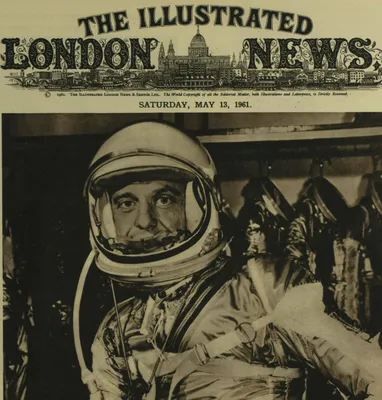
Space RaceThe Space Race between the Soviet Union and the United States experienced a significant ratcheting up at the end of the 1950s with the Sputnik Crisis, which saw the successful launching and orbit of the satellite Sputnik 1 by the Soviet Union in 1957. This development was a key factor in the creation of NASA the following year by the United States as well as the investment of federal funds into national security and research and development.An important milestone
As we welcome a new month, we at the Archive take the opportunity to delve into historical events that have occurred in the month of May over the years.Lewis and ClarkOn 14 May 1804, Lewis and Clark departed St Louis on their expedition west. It was the first American expedition to explore the western half of the United States. The expedition was ordered by President Jefferson following the Louisiana Purchase to, in part, map this newly acquired territory. The journey
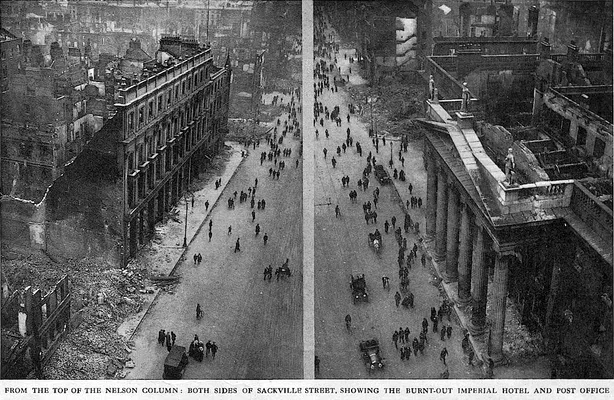
Next month sees the marking of the 100th anniversary of the Easter Rising. Irish nationalists headed a campaign to end British rule in Ireland during a time when the outcome of World War 1 was uncertain. We take a look at how the events of 1916 were documented in the British press at the time.Search the newspapersNews of the Rising started to filter through to the British newspapers on Tuesday, 25 April 1916. A smattering of local papers managed to squeeze in
Recently, several people have asked us when the newspaper library at Colindale will be closing and the print newspapers moving to Boston Spa. In June, the British Library confirmed that the Colindale site in North London will close on Friday 8 November 2013.As many of you will already know, the content on the BNA website comes from the British Library’s amazing newspaper collection at Colindale – which contains over 750 million pages from local, regional and national newspapers, as well as periodicals. But
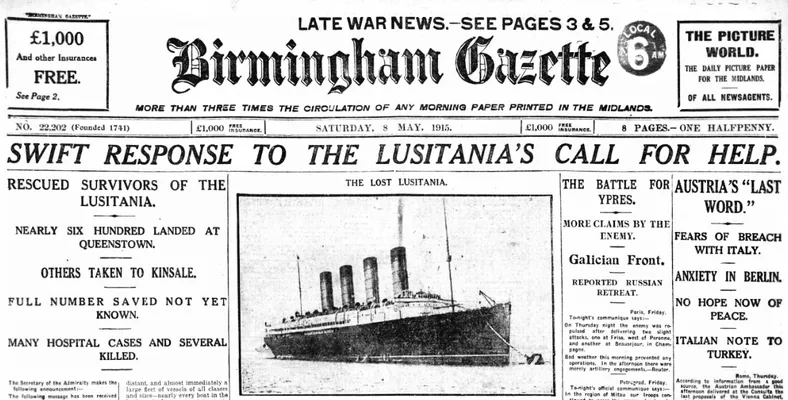
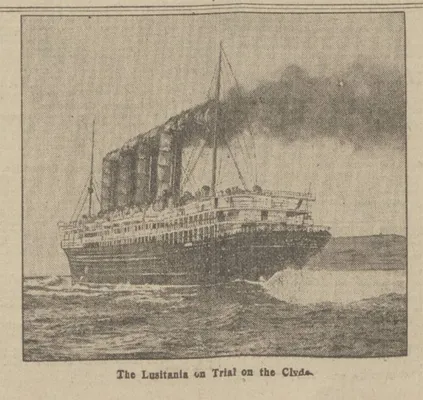
Historical newspaper reports on the sinking of the LusitaniaOn 7 May 1915, the Lusitania was hit by torpedoes fired by the German U-boat U-20, and sank in 20 minutes with the loss of 1,198 lives.To mark the day, here are some newspaper reports about the tragedy.