Skip to content

Search the blog

Tag: regency-eraTag: blitzTag: radio-times
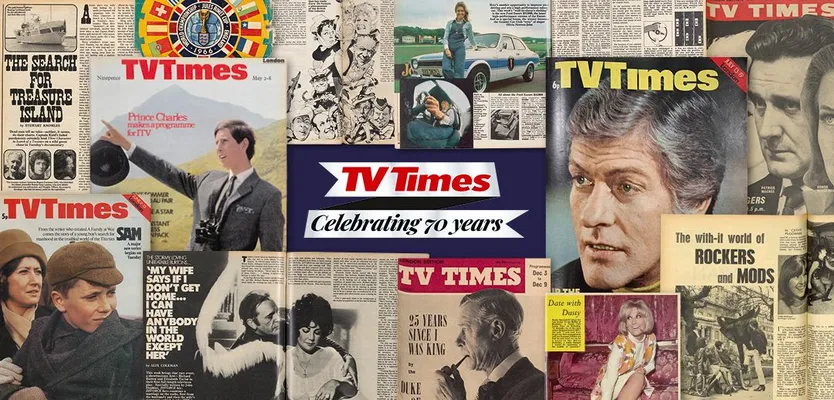
This week at The Archive we are delighted to welcome a legend of the television world to our collection, the TV Times. Made possible thanks to our partnership with publishing powerhouse Future, the TV Times provides a wonderful window into television history, with this release covering the years 1955 to 1980. In all, we’ve added 72,160 brand new pages to our Archive over the last seven days, whilst this week, we shine a very special light onto the TV Times, exploring the history
This week at The Archive we are delighted to welcome a brand new title from the sunny south coast, the Bournemouth Times and Directory, as we take a moment to remember the devastating Bournemouth Blitz. In all, over the last seven days, we’ve added 366,686 brand new pages to our collection, whilst we’ve updated 25 of our existing titles from across England, Scotland and Northern Ireland.So, from Buckingham to Burnley, from Dingwall to Driffield, from Mid Sussex to Mid Ulster, read
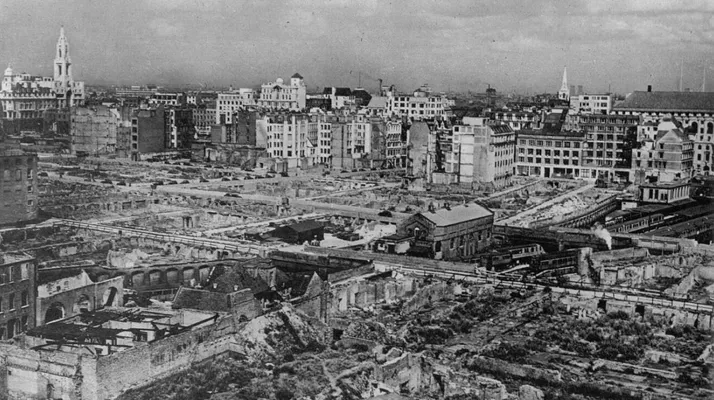
In the decade after the Second World War had come to an end, and indeed beyond, many communities across the United Kingdom were faced with very vivid reminders of the conflict: bomb sites, the country’s ‘war scars.’In this blog, we will examine how people in Britain lived alongside bomb sits in the 1950s, using newspapers taken from The Archive. We will explore how communities adapted to live beside bomb sites, and how they transformed them into gardens and playgrounds.
This week at The Archive we have added nearly 200,000 new pages to our collection, covering England, Scotland and Ireland. To be precise, 193,470 brand new pages have joined us this week, with updates to 21 of our existing titles.We have updates to eleven of our English titles this week, covering the length and breadth of the country, from Devon (Express and Echo) to Newcastle (Newcastle Daily Chronicle), from Staffordshire (Staffordshire Sentinel) to London (Hammersmith & Shepherds Bush Gazette).A particular highlight this
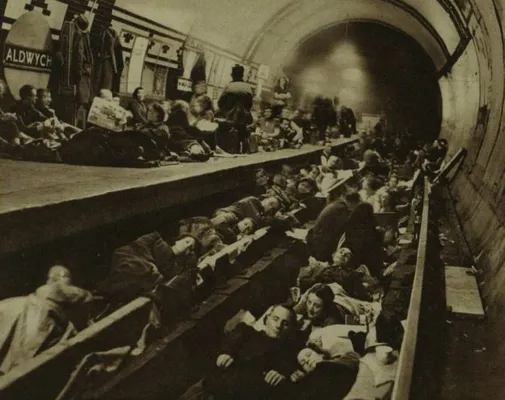
When the Blitz began on 7 September 1940, ‘It was the people of London who took command…Men, women, and children went straight to the safest place they could think of – the Underground stations.’In this special blog, over 80 years after the beginning of the Blitz, we take a look at how London’s main transport system – the Underground –  became a popular place of shelter for those seeking protection from the German bombing campaign, using an assortment of articles and photographs all to be
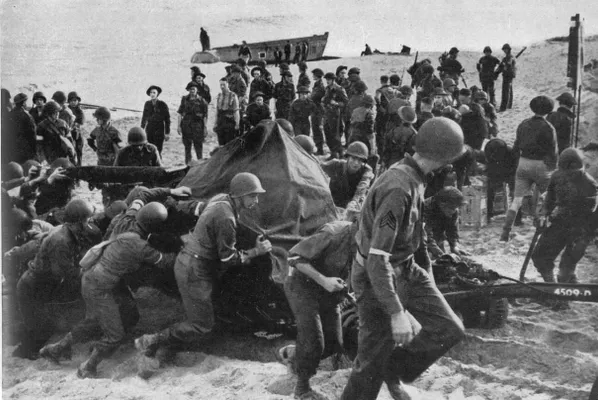
American troops
In honour of Remembrance Day, during the month of November, The British Newspaper Archive will be focusing our attention on military in the newspapers.  Coming up this month we will feature blogs about our special military titles, researching military history, women and war, and wartime rationing and fashion, as well as a guest blog about a remarkable Great War discovery from The Archive.  To begin our military month, we are delving into the newspaper headlines through the years for the
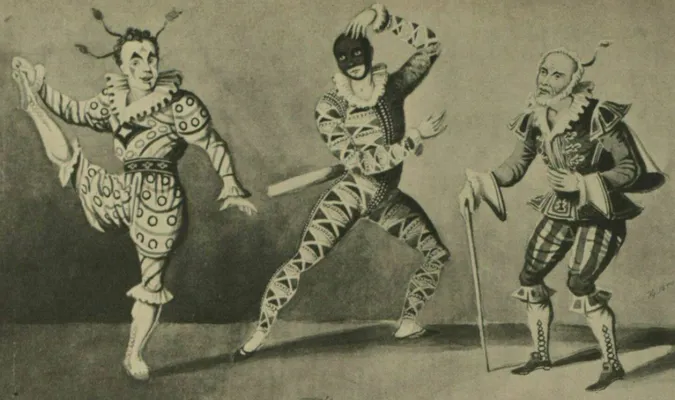
Joseph Grimaldi
Today, we’re highlighting one of many events that have occurred over the years on 31 May.On 31 May 1837, the Clown Laureate of the Regency era, Joseph ‘Joey’ Grimaldi, died.Read the entire obituaryGrimaldi was considered the best clown of the nineteenth century. His work was influential in the role and appearance of clowns — he expanded the clown’s role in pantomimes and the harlequinade. He worked on several famous stages, including Drury Lane, Sadler’s Wells, and Covent Garden. Over the years,