Skip to content

Search the blog

Tag: recipesTag: nineteenth-century-newspapers
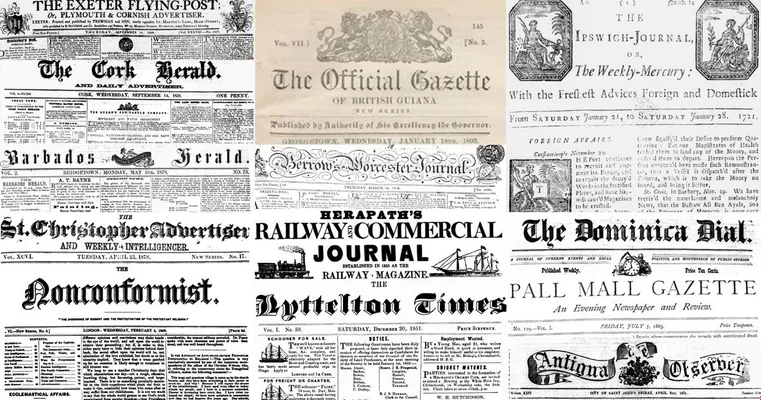
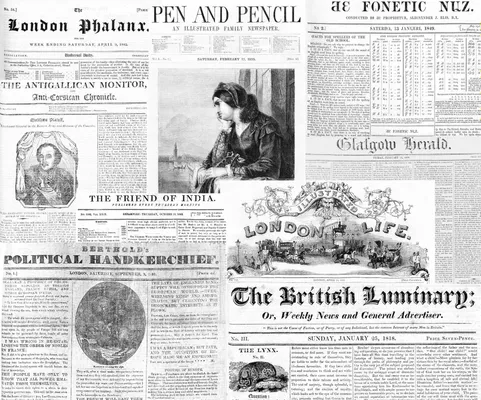
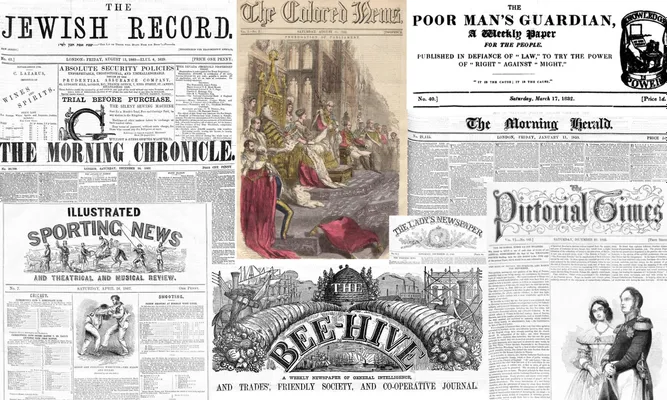
This week at The Archive, we’re rewinding the clocks and stepping into the heart of the Industrial Revolution with our five brand new titles. From the rise and fall of Chartism, to the inception of the modern Co-operative Movement, this week’s pages present a tale told primarily from the worker’s perspective.We’ve added 340,466 brand new pages in total this week, and with updates to a noble twenty-one of our pre-existing titles, there’s plenty to explore. One of these updates pertains
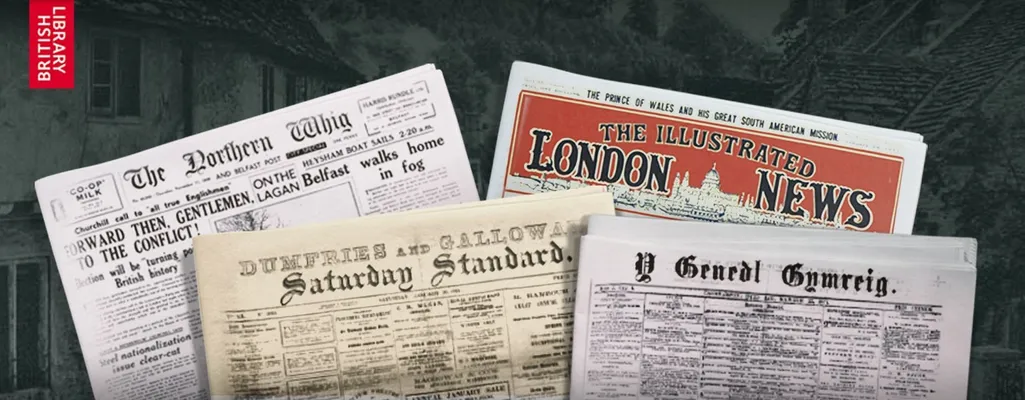
Today marks the release of over one million new free to view pages on the British Newspaper Archive. Thanks to our ongoing partnership with the British Library, we have now made over four million newspaper pages freely accessible since 2021.Our collection of over four million free to view newspaper pages represents a significant step in making historical resources available to more and more people, an effort to which the British Newspaper Archive and the British Library are firmly committed.As
As part of our ongoing partnership with the British Library, we are delighted to announce that one million more pages on the British Newspaper Archive have now been made free to view on our site, meaning that we now have two million pages in total that can be accessed freely as part of our collection.And we’re not stopping here. We’re planning to release a total of five million free to view pages on The Archive over five years, meaning
This week The Archive has added 179,184 pages, including 13 brand new titles and additions to 26 existing titles.  Amongst the additions are thousands of pages that are now available to read for free.  You will find newspapers focused on the mining industry, shipping, potteries and more. Continue reading to explore more of our latest released.Register now and explore the ArchiveOur first new title of the week is the world famous Liverpool Journal of Commerce. This daily newspaper, which was established
Following the extension of our successful partnership with the British Library, we are delighted to announce that millions of pages will be made free to view on the British Newspaper Archive, with one million of these free to view pages made available today.Register now to explore FREE pagesWorking together over the past decade to provide the largest online collection of British newspapers, the British Newspaper Archive now hosts over 48 million pages in total, with a remit that extends
Register today!It is that time of the year.  The trees have been decorated, the lights strung up around the windows, nativity scenes assembled, and stockings hung (by the chimney with care).  It also means that it is time to start planning your Christmas dinner.  For many of us, that means making travel arrangements, but for the hosts of these pivotal dinners, it means creating an efficient plan, ordering the turkey, picking the best vegetables, and food preparation.  To help
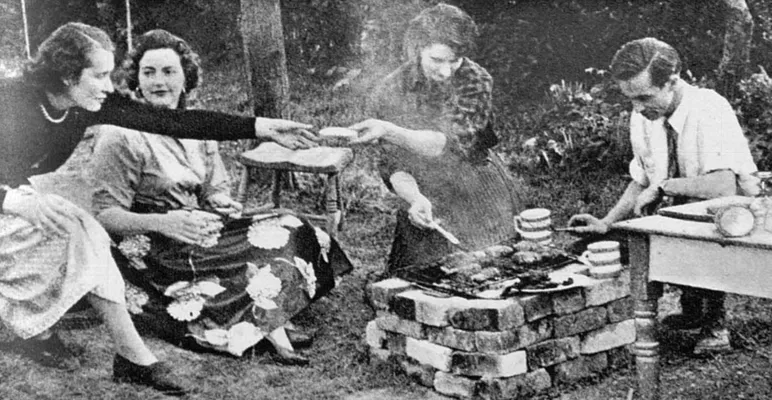
It is that time of year.  The sun is shining and we have been to the DIY store at least three times to buy new patio furniture or get new flowers.  The gardens are set and now we need to get the barbeque prepped and have friends over to enjoy the sun.  This month, in Cookery Corner, explore the British Newspaper Archive for some delicious recipes to have for your barbeque.Barbecue PartiesWe can see from the newspapers, outside
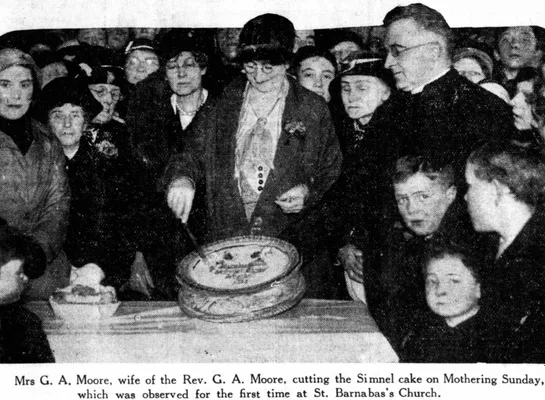
Whilst Mothering Sunday is now commonly combined and celebrated with the secular holiday of Mother’s Day in the United Kingdom and Ireland, its origin is religious in nature and separate from that of the American Mother’s Day.Starting in the 1700s, individuals would attend a special service on Laetare Sunday (the fourth Sunday of Lent) at their mother church (usually the church where an individual was baptised or their local parish church/closest cathedral). This activity was soon coined as going
You can search more than 390,000 newspaper pages from 1914-1918 at The British Newspaper Archive, with more being added all the time. Juliet Greenwood got in touch to explain how she used the collection to research World War One recipes for her novel, We That Are Left.**************When I first began writing a novel set during the First World War, I knew I wanted to focus on the experience of women and civilians.For Elin, the heroine of We That Are Left,