Skip to content

Search the blog

Tag: recipesTag: murderTag: scotlandTag: pat
This week at The Archive we have added 211,776 new pages to our holdings. With a mighty 53 updated titles, and 9 brand new titles added, we take you from the complex underworld of women’s clothing design in London, to the threatening notices posted on gates and chapel doors in Hexham. Additionally, continue on to discover the swan scandal in Linlithgow that shook the town, and contributed to the wider conversation of human-related pollution in lochs across Scotland.Register now and explore The
This week at The Archive we are marking St Patrick’s Day with the addition of five brand new Irish titles, and updates to 29 of our existing Irish titles, as we delve into a potential Oscar Wilde work, where all is not as it seems. Furthermore, in all, we’ve added 215,303 brand new pages to our collection, as The Archive continues to grow.So read on to discover more about our new and updated titles of the week, and also to read
This week at The Archive we’re delving into the history of prohibition across Scotland and its impact on local distilleries. As well as exploring a time when parts of Scotland went dry for a bit longer than just the month of January, we’ve added 74,458 brand new pages to The Archive, as well as updating twelve titles from across England, Scotland and the Isle of Man.So read on to discover which of our titles we have updated this week, and
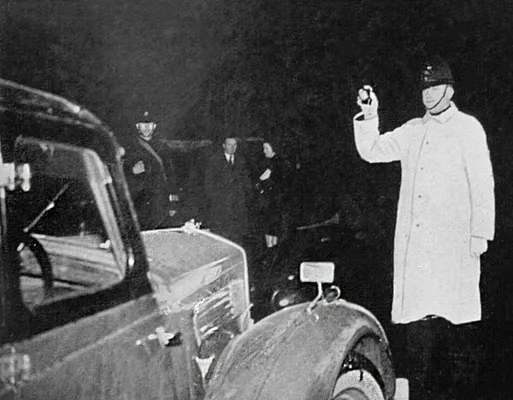
A walk along Piccadilly in the black-out is one of the many queer experiences of this war. The once brilliant centre of London’s night life is now as dark as any forest, and indeed, like a forest, the darkness is full of rustlings and whisperings, of half-seen shapes, and of a sinister feeling of eager, but invisible, life.So began a Daily Herald article on blackout crime in London during the Second World War. With blackouts imposed across the United
This week has been another record-breaking week here at The Archive, as we have now reached another milestone of over 57 million pages all now available to search as part of our collection, with 633,752 brand new pages joining us in all over the past seven days. Meanwhile, we’ve added three brand new newspaper titles to the site this week, two of which illuminate the religious climate of the mid to late nineteenth century, whilst another shines a light on local news
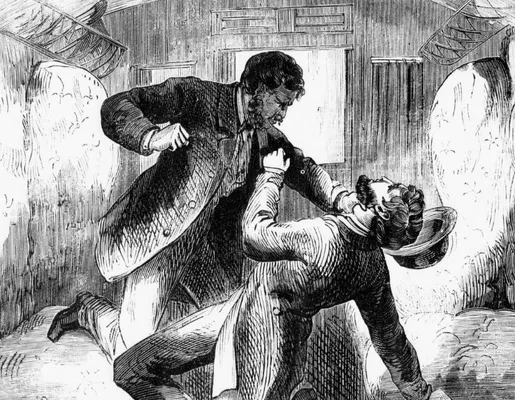
Long before Agatha Christie envisioned murder on the Orient Express, or before she wondered what might have taken place on the 4.50 from Paddington, murder, mystery and mayhem were already well established on the railways of Britain and beyond.The first victim of murder on British railways was 70-year-old Thomas Briggs. In this special blog, we will take a look at his story, as well as nine others sourced from the pages of our newspaper Archive, which tell the strange, the
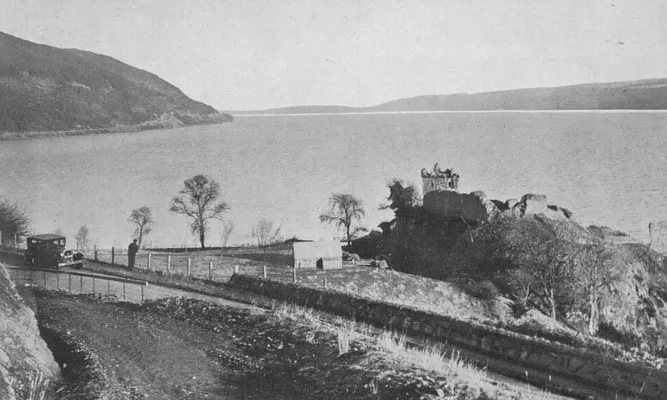
In early May 1933 reports that some kind of monster had been spotted in Loch Ness, in the Scottish Highlands, near Inverness, reached the press. By the end of the year, national weekly publication The Sphere wrote:When the Loch Ness monster first came into the news many believed that the stories published in the Press were nothing more than mere sensationalism. To-day this theory does not hold good. People, whose judgement can be relied on, have seen the ‘monster,’ and
This week at The Archive has been another busy one, as we have added a grand total of 140,146 brand new pages to our collection. Furthermore, we are delighted to welcome five brand new titles to The Archive this week – all with a Scottish flavour!So read on to discover more about the new titles we have added this week, from Glasgow, Inverness and Kirriemuir respectively, and to find out which of our ten titles we have added new pages to.
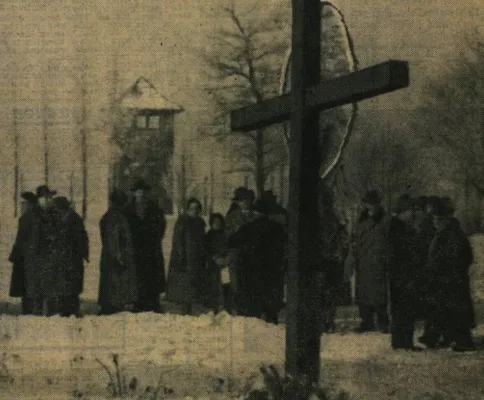
Scottish missionary Jane Mathison Haining (6 June 1897 to 17 July 1944) was one of the only, if not the only, Scot to die during the course of the Holocaust, as she refused to leave her post in Budapest upon the outbreak of war and the subsequent invasion of Hungary by the Wehrmacht.In this special blog, we will tell the story of Jane Haining, the quiet daughter of a farmer from Dumfriesshire, who was subsequently honoured as Righteous Among the Nations for risking
With the next census fast approaching in England and Wales, we thought we’d delve into the history of the census, and the changing attitudes towards it from its inception in 1801 and throughout the nineteenth century.From initial fears and suspicions, to feelings of pride and honour, our newspapers chart the evolving attitudes to the modern British census, and how it was depicted in popular culture, in poetry, illustrations and even on the stage.So read on to discover more about