Skip to content

Search the blog

Tag: recipesTag: advanced-searchTag: blitzTag: bournemouth
Image showing a montage of newspaper and magazine images
An exciting feature of the new British Newspaper Archive will be the advanced search capabilities that are coming to the site.Searching historic newspapers has always been a balancing actSearching historic newspapers has always been a bit of a tightrope walk. Search too narrowly and you miss the articles you need. Cast the net too wide and you’re wading through pages of irrelevant results. Throw in inconsistent spelling, occasionally damaged print, and the inevitable quirks of Optical Character Recognition
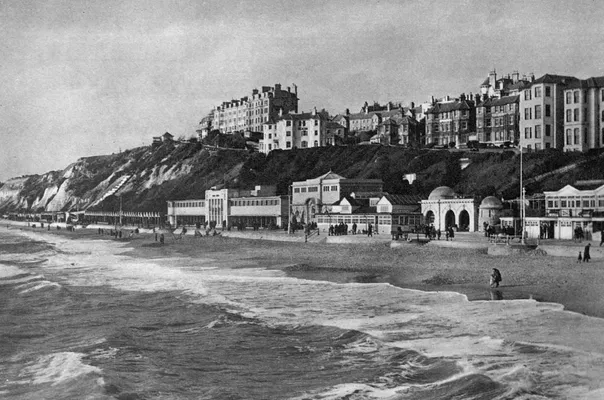
This week at The Archive we are delighted to welcome a brand new title from the sunny south coast, the Bournemouth Times and Directory, as we take a moment to remember the devastating Bournemouth Blitz. In all, over the last seven days, we’ve added 366,686 brand new pages to our collection, whilst we’ve updated 25 of our existing titles from across England, Scotland and Northern Ireland.So, from Buckingham to Burnley, from Dingwall to Driffield, from Mid Sussex to Mid Ulster, read
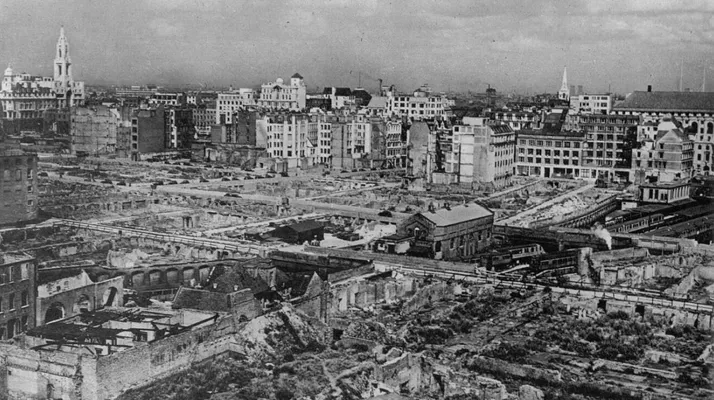
In the decade after the Second World War had come to an end, and indeed beyond, many communities across the United Kingdom were faced with very vivid reminders of the conflict: bomb sites, the country’s ‘war scars.’In this blog, we will examine how people in Britain lived alongside bomb sits in the 1950s, using newspapers taken from The Archive. We will explore how communities adapted to live beside bomb sites, and how they transformed them into gardens and playgrounds.
In March 1935 the seaside resort town of Bournemouth was shaken by a sensational murder. Retired architect Francis Mawson Rattenbury, aged 67, was found dead at his home, Villa Madeira, on Manor Road. Accused of his murder were his younger wife Alma Rattenbury, and her lover, 18-year-old gardener George Stoner.This case would end in further tragedy, and in this special blog, using pages from the British Newspaper Archive, we explore how murder came to the genteel town of Bournemouth in the
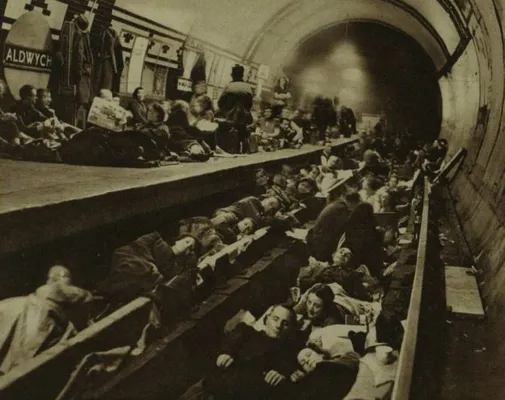
When the Blitz began on 7 September 1940, ‘It was the people of London who took command…Men, women, and children went straight to the safest place they could think of – the Underground stations.’In this special blog, over 80 years after the beginning of the Blitz, we take a look at how London’s main transport system – the Underground –  became a popular place of shelter for those seeking protection from the German bombing campaign, using an assortment of articles and photographs all to be
Register today!It is that time of the year.  The trees have been decorated, the lights strung up around the windows, nativity scenes assembled, and stockings hung (by the chimney with care).  It also means that it is time to start planning your Christmas dinner.  For many of us, that means making travel arrangements, but for the hosts of these pivotal dinners, it means creating an efficient plan, ordering the turkey, picking the best vegetables, and food preparation.  To help
American troops
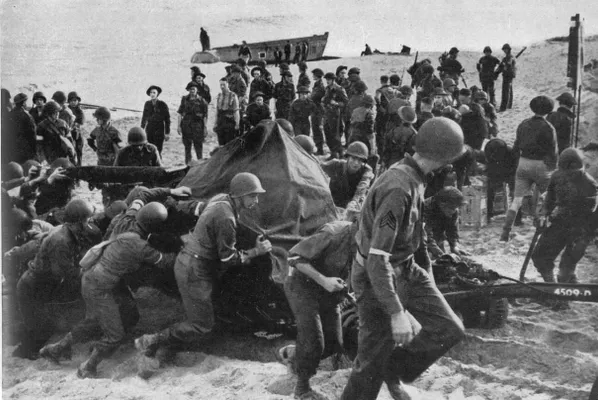
In honour of Remembrance Day, during the month of November, The British Newspaper Archive will be focusing our attention on military in the newspapers.  Coming up this month we will feature blogs about our special military titles, researching military history, women and war, and wartime rationing and fashion, as well as a guest blog about a remarkable Great War discovery from The Archive.  To begin our military month, we are delving into the newspaper headlines through the years for the
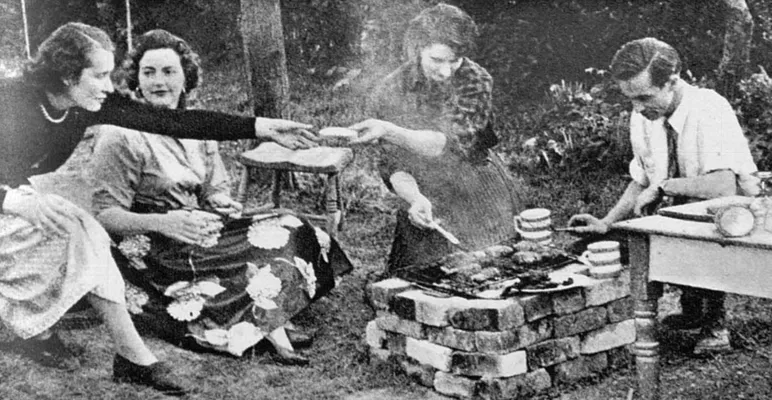
It is that time of year.  The sun is shining and we have been to the DIY store at least three times to buy new patio furniture or get new flowers.  The gardens are set and now we need to get the barbeque prepped and have friends over to enjoy the sun.  This month, in Cookery Corner, explore the British Newspaper Archive for some delicious recipes to have for your barbeque.Barbecue PartiesWe can see from the newspapers, outside
During our first ever webinar, we have over 600 questions from more than 3,500 registered viewers. It was incredible to get so much feedback and interaction from our viewers.  Here we will share a sample of the questions from our webinar event.Didn’t get a chance to see the webinar?  Watch the event now.(The discount offer is no longer valid)QuestionsSometimes I try to find a name in the newspaper archive and it says there are no matches. Why and
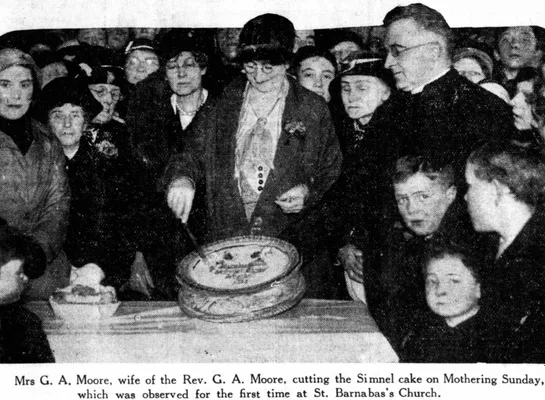
Whilst Mothering Sunday is now commonly combined and celebrated with the secular holiday of Mother’s Day in the United Kingdom and Ireland, its origin is religious in nature and separate from that of the American Mother’s Day.Starting in the 1700s, individuals would attend a special service on Laetare Sunday (the fourth Sunday of Lent) at their mother church (usually the church where an individual was baptised or their local parish church/closest cathedral). This activity was soon coined as going