Skip to content

Search the blog

Tag: otdTag: blitzTag: london-history
Wow, what a week it’s been, as we’ve reached over 100 million pages, and now, this week, we’re going to take you on a walk through 1850s London. It won’t quite top that 100 million pages feeling, but we’ve added another 259,715 brand new pages to The Archive from across the UK and Ireland, as we continue to add more historical newspapers to our collection.In all, this week, we’ve added four brand new titles from England and Ireland, as well as updating 22
This week at The Archive we’re delighted to welcome 202,948 brand new pages to our collection, as we mark 135 years since the opening of the new Battersea Bridge, which was designed by Sir Joseph Bazalgette. Meanwhile, we’ve added four brand new titles and updated nine of our existing ones, from across the British Isles and Ireland.So read on to discover more about all of our new and updated titles of the week, as well as to learn more about the
This week at The Archive we are delighted to welcome a brand new title from the sunny south coast, the Bournemouth Times and Directory, as we take a moment to remember the devastating Bournemouth Blitz. In all, over the last seven days, we’ve added 366,686 brand new pages to our collection, whilst we’ve updated 25 of our existing titles from across England, Scotland and Northern Ireland.So, from Buckingham to Burnley, from Dingwall to Driffield, from Mid Sussex to Mid Ulster, read
This week at The Archive we are delighted to welcome one splendid brand new title to our collection – Toby – the ‘East London Watch-Dog‘ – which provides us with a fascinating insight into attitudes to the police in Whitechapel at the time of Jack the Ripper. That’s not all, over the last seven days we’ve added 89,020 brand new newspaper pages, whilst we’ve made important updates to our newspaper titles from across England, Scotland and Northern Ireland.So read on to discover more
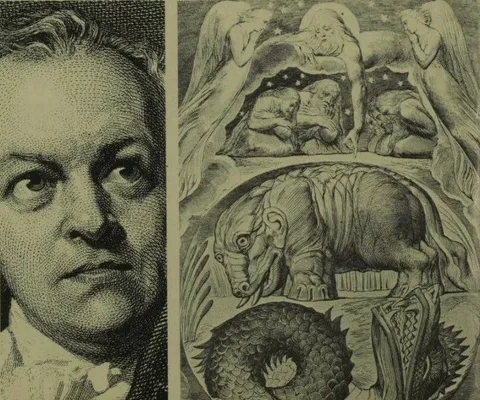
The work of poet, mystic and painter William Blake was largely unrecognised in his lifetime. The son of a dissenting hosier, Blake was born in London’s Soho in 1757, and was apprenticed to an engraver at a young age. Hostile to organised religion, he created an array of paintings and poetry, often inspired by his visions, before he passed away in 1827.In this special blog, we will take a look at the evolving attitudes to the art of William Blake. We
This week at The Archive we’re delving into occupation history with the addition of two special employment related titles, the Licensed Victuallers’ Guardian and the Situation and London Advertiser. We’ve also added three brand new Scottish titles to our collection over the past seven days, alongside new publications from Cheshire and Northamptonshire.So read on to learn how aging licensed victuallers were chosen to be admitted to the Licensed Victuallers’ Asylum at the Old Kent Road, a building which consisted
This week at The Archive we are building up our collection with the addition of 97,401 brand new pages and two brand new titles, one of which provides a fascinating look at the architecture of the Victorian era. Meanwhile, we have updated twelve of our existing titles from across England and Wales, with new pages joining our important regional newspapers from the likes of Leicester, Stoke-on-Trent, and Nottingham.So read on to discover more about all of our new and updated
Over the past seven days here at The Archive we have been busy adding 131,994 brand new pages to our collection, as we continue to augment our newspaper holdings from across Britain, Ireland, and beyond. This week we’re delighted to welcome one brand new title from London, the Lewisham Borough News, as well as updates to twelve of our existing titles.So read on to discover more about all of our new and updated titles of the week, and as the
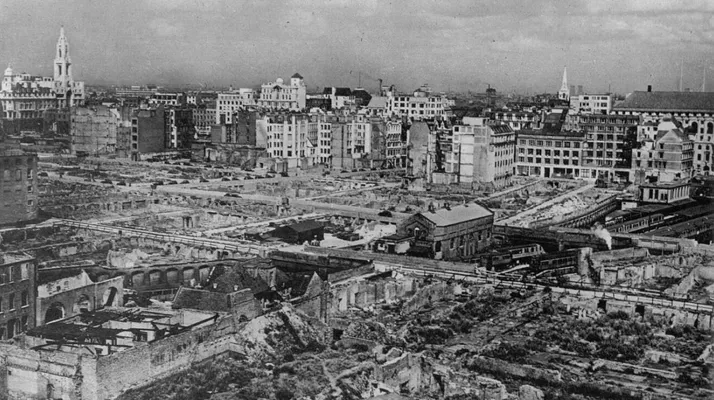
In the decade after the Second World War had come to an end, and indeed beyond, many communities across the United Kingdom were faced with very vivid reminders of the conflict: bomb sites, the country’s ‘war scars.’In this blog, we will examine how people in Britain lived alongside bomb sits in the 1950s, using newspapers taken from The Archive. We will explore how communities adapted to live beside bomb sites, and how they transformed them into gardens and playgrounds.
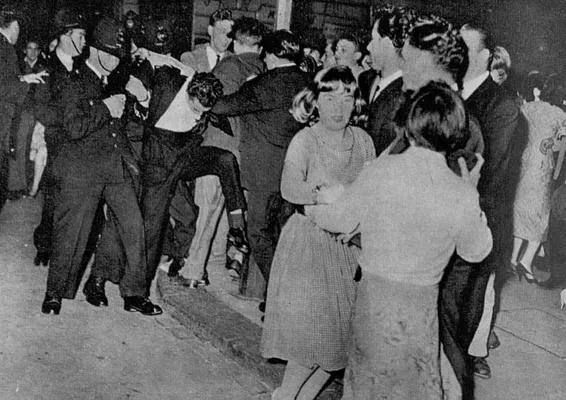
In late August and early September 1958, the London area of Notting Hill was the scene of racially motivated riots, in which white, working-class, ‘Teddy Boys,’ and others, displayed hostility and violence to the Black community in the area.These riots took place ten years after HMT Empire Windrush arrived in Tilbury Docks, carrying 492 Caribbean migrants. Since that moment in history, more and more migrants arrived in Britain from the Caribbean, and they would come to be known as the ‘Windrush