Skip to content

Search the blog

Tag: ocrTag: homosexualityTag: radio-timesTag: colindale
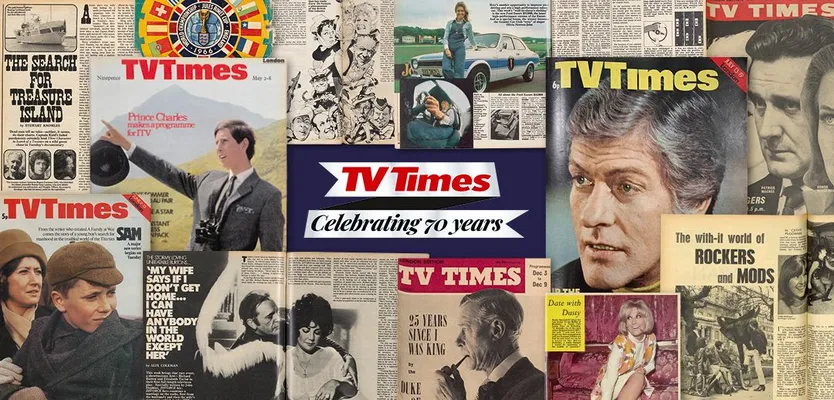
This week at The Archive we are delighted to welcome a legend of the television world to our collection, the TV Times. Made possible thanks to our partnership with publishing powerhouse Future, the TV Times provides a wonderful window into television history, with this release covering the years 1955 to 1980. In all, we’ve added 72,160 brand new pages to our Archive over the last seven days, whilst this week, we shine a very special light onto the TV Times, exploring the history
Here at The Archive, we love to learn of the discoveries you have made through our newspaper pages, and how you have used them, whether they have influenced novels, or provided information for dissertations. We were incredibly grateful, therefore, when crime writer and athletics historian Peter Lovesey contacted us with his account of sixty years of researching newspapers. From accessing historical newspapers in their original form, to scrolling through microfilm reels, and finally to searching newspapers digitally on the British
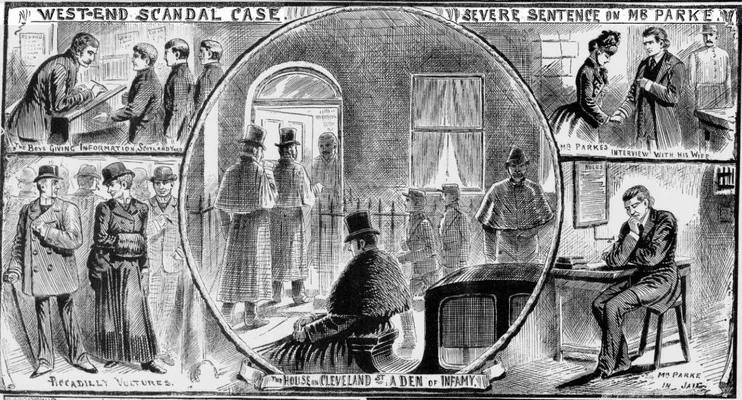
1889 was the year of the Cleveland Street scandal, in which a male brothel was raided in Cleveland Street, in London’s West End. At the time, sexual acts between men were illegal in Britain, and those who visited the house of assignation on Cleveland Street faced prosecution. However, due to the high social standing of many of the clientele of 19 Cleveland Street, only a few men faced prison time, as the British government were accused of covering up the scandal in
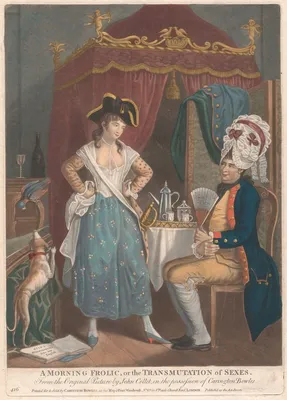
June is Pride Month. At The Archive, we are delving into the newspapers and pulling out the breadth of LGBTQ history available.Register now and explore The Archive18th Century Gay Subculture18th century London was home to a flourishing gay subculture with Molly Houses at the centre of the social scene. ‘Molly’ was a slur used for effeminate, homosexual men and the term was adopted to describe the clubs, taverns, inns, or coffee houses where they met up in
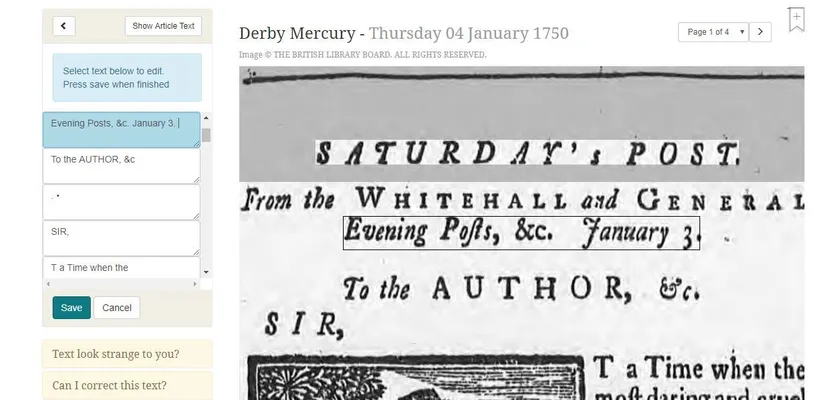
One of the features of The British Newspaper Archive is the OCR editing tool.  This allows every user to contribute to the improvement of The Archive.  OCR stands for Optical Character Recognition– the process we use to transform millions of digitised images into searchable text.   The computer takes an image of the page and then turns each line into text.  However, as many of us have encountered, the text is not always correct and needs improvement.  As a group, we
Recently, several people have asked us when the newspaper library at Colindale will be closing and the print newspapers moving to Boston Spa. In June, the British Library confirmed that the Colindale site in North London will close on Friday 8 November 2013.As many of you will already know, the content on the BNA website comes from the British Library’s amazing newspaper collection at Colindale – which contains over 750 million pages from local, regional and national newspapers, as well as periodicals. But