
Skip to content

Search the blog

Tag: ocrTag: historyTag: child-labourTag: colindale
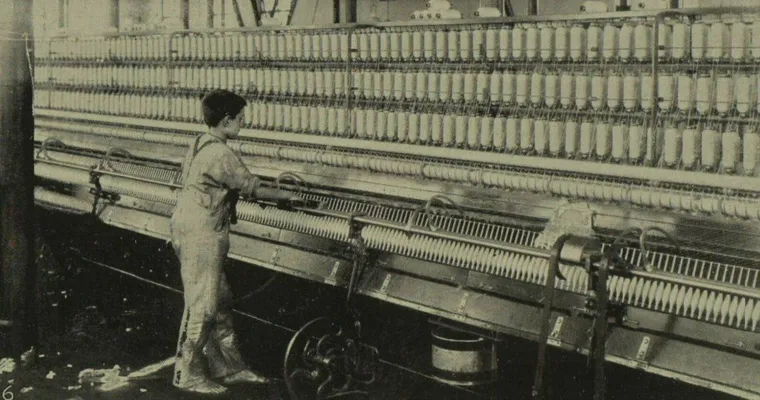
Here at The Archive we are delighted to welcome 204,443 brand new pages this week, as we mark 125 years since the passing of the Mines (Prohibition of Child Labour Underground) Act 1900, which banned children under the age of thirteen from working underground in mines. This act, following the raising of the school leaving age to twelve in 1899, represented an important milestone in the eradication of child labour.Meanwhile, we’ve added eight brand new titles this week, which span the length and
Here at The Archive, we love to learn of the discoveries you have made through our newspaper pages, and how you have used them, whether they have influenced novels, or provided information for dissertations. We were incredibly grateful, therefore, when crime writer and athletics historian Peter Lovesey contacted us with his account of sixty years of researching newspapers. From accessing historical newspapers in their original form, to scrolling through microfilm reels, and finally to searching newspapers digitally on the British
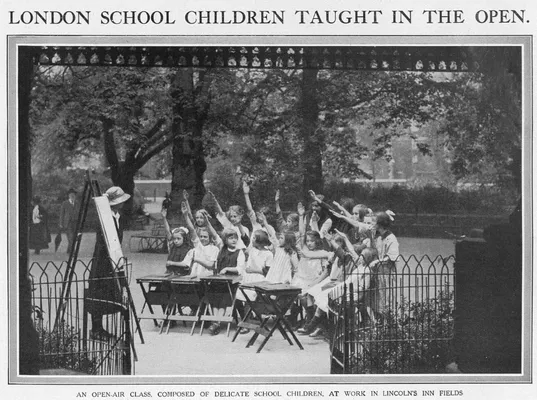
In the early 1900s British authorities took a new approach to education: open air schools. Inspired by methods of teaching in Germany, these open air schools were intended to provide disadvantaged city children with fresh air, alleviating their poor health and preventing the spread of tuberculosis.In this special blog, using newspapers taken from our Archive, we will investigate the open air schools of the 1900s, from their early inception, to how they continued to play a role in education
In partnership with the British Library, the British Newspaper Archive features 1 million free to view newspaper pages as part of its collection. A great way to get started with your research, and to begin to explore historic newspapers and their stories, all you need to do is register a free account with us to access the free to view pages.Register now to explore FREE pagesOnce you’ve registered, you can explore 150 different newspaper titles, which span the years 1720 to 1880.
In October 1823, the Public Ledger and Daily Advertiser asserted:The charge and duty of Government are not merely to increase the numbers of men, but to promote and increase their happiness. Industry is the most powerful engine of this happiness, because it is the spring of all their riches. Government, then, should encourage labour, and by due reward, endeavour to avail of, and augment its useful products…The article, entitled ‘Political Economy,’ goes on to recommend how ‘the power of
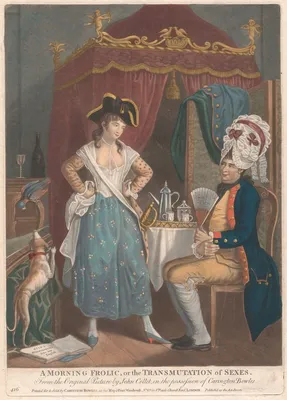
June is Pride Month. At The Archive, we are delving into the newspapers and pulling out the breadth of LGBTQ history available.Register now and explore The Archive18th Century Gay Subculture18th century London was home to a flourishing gay subculture with Molly Houses at the centre of the social scene. ‘Molly’ was a slur used for effeminate, homosexual men and the term was adopted to describe the clubs, taverns, inns, or coffee houses where they met up in
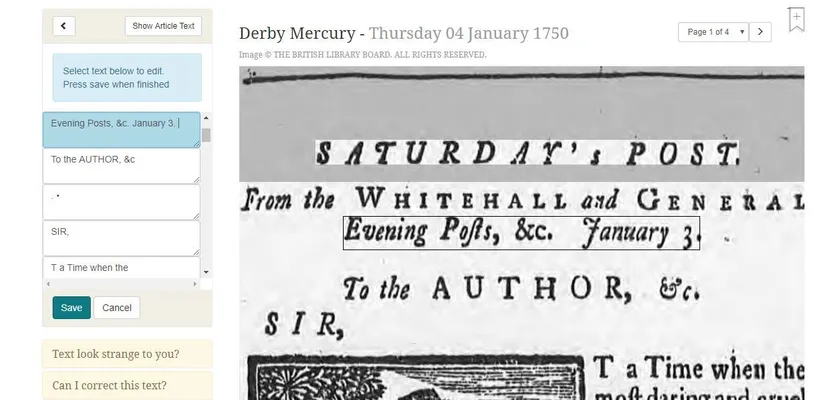
One of the features of The British Newspaper Archive is the OCR editing tool.  This allows every user to contribute to the improvement of The Archive.  OCR stands for Optical Character Recognition– the process we use to transform millions of digitised images into searchable text.   The computer takes an image of the page and then turns each line into text.  However, as many of us have encountered, the text is not always correct and needs improvement.  As a group, we
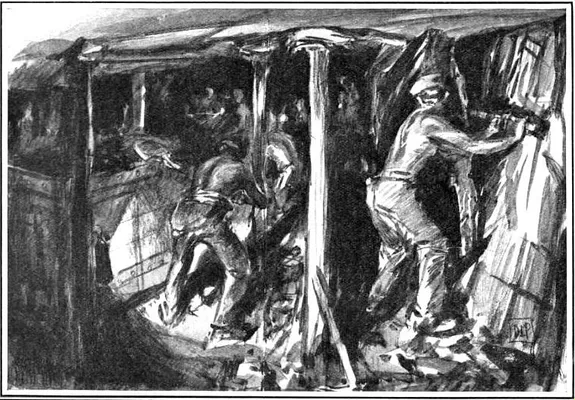
Derbyshire Miners Coal-getting at the Bolsover Face. Drawn by D Macpherson
In the month of August, we have looked at occupations and employment through the newspapers.  To finish our theme this month, we are taking a closer look at coal miners, specifically in the 19th century.  An initial search for miners reveals explosions, accidents, and strikes in the vast amount of mines operating across Great Britain.  We will look at these topics in closer detail.The first coal mine was sunk in Scotland, under the Firth of Forth in 1575.  As the
Britain’s favourite horticultural happening is right around the corner once again. The RHS Chelsea Flower Show begins on 23 May and will be held in the grounds of the Royal Hospital, Chelsea, for the 105th time. To celebrate, we’re showing you exactly how to go about unearthing newspaper stories on the Flower Show, and other long-running events, using our ever-growing Archive.Register now and view 3 pages for FREESearching for an event in the Archive is much like searching for a
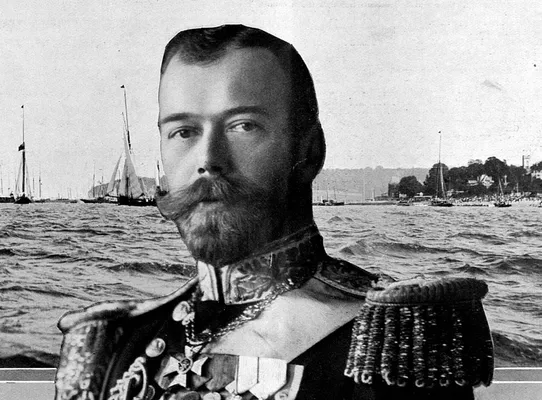
On 15 March 1917, amid the chaos and fury of the Russian Revolution, Tsar Nicholas II, Emperor of all Russia, abdicated from the throne and ended 300 years of Romanov rule.  Russians of all classes were on the streets of Petrograd (formerly known as St Petersburg), and Nicholas’ own military had joined the ranks of protestors.  How did this monarch fall and a dynasty end?  On the anniversary of Tsar Nicholas’ abdication, we will take a look through the British Newspaper Archive at