
Skip to content

Search the blog

Tag: local-historyTag: child-labour
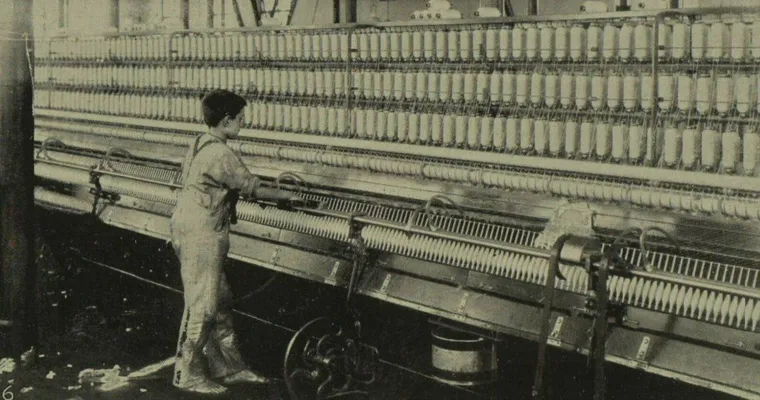
Here at The Archive we are delighted to welcome 204,443 brand new pages this week, as we mark 125 years since the passing of the Mines (Prohibition of Child Labour Underground) Act 1900, which banned children under the age of thirteen from working underground in mines. This act, following the raising of the school leaving age to twelve in 1899, represented an important milestone in the eradication of child labour.Meanwhile, we’ve added eight brand new titles this week, which span the length and
This week at The Archive, we’ve added an impressive 222,484 brand new pages, updating 48 existing titles and introducing 2 brand new ones! Dive in to explore our latest additions and pick up more tips and tricks on how to make the most of your research with The Archive.Register now and explore the ArchiveThis week, we’re excited to introduce the Garstang Courier to our growing collection of digitised historic newspapers. Covering the rich heritage of Garstang, a historic market town in
This week at The Archive we are celebrating reaching 82 million newspaper pages, as we welcome one brand new title to our collection, the Whitley Bay Guardian. Meanwhile, we have added 318,607 brand new pages in total, whilst from Bicester to Boston, from Hartlepool to Hastings, from Spilsby to Sunderland, we’ve updated seventeen of our existing titles from across England.So read on to discover more about all of our new and updated titles of the week, and also to learn about
This week at The Archive has been another incredibly busy one as we have added 106,443 brand new pages to our collection, with one brand new newspaper from Lancashire, the Fleetwood Weekly News, joining us. Meanwhile, from Londonderry to Lanarkshire, from Maidstone to the Mearns, from West Sussex to Worcestershire, we’ve updated twelve of our existing titles from across England, Scotland and Northern Ireland.So read on to discover more about our new title of the week, which serves the town
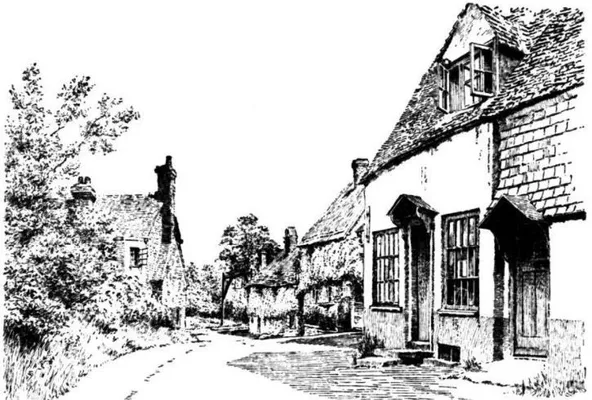
So far this November we’ve been celebrating all things local history, and earlier this month we brought you a guide on how to discover more about the history of your street. But now we turn from urban to rural, as we take a look at how to uncover the history of those places where there might only be one street, the hamlets and the villages of the United Kingdom.This blog, therefore, will show you how to uncover local history
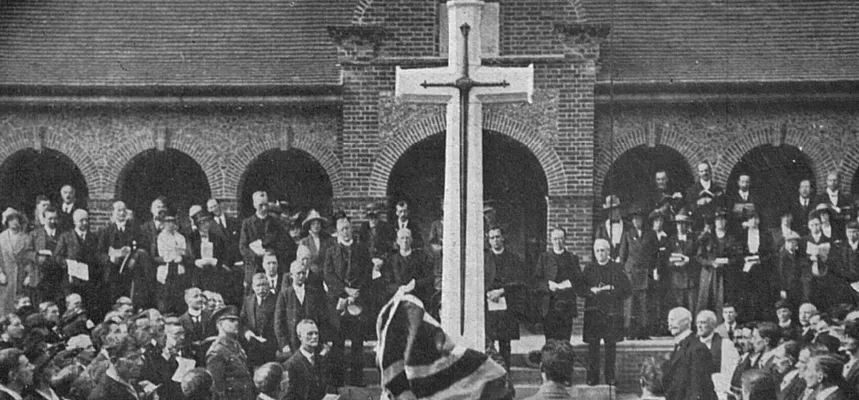
By November 1920, some ‘three millions of money‘ had been spent on ‘memorials of various kinds and designs…in the United Kingdom,’ as reported the Milngavie and Bearsden Herald. In today’s money, that’s roughly £87,000,000 – the equivalent of £2 donated by every person in Britain.The strength of the nation’s desire to remember their war dead is manifested in these memorials, as the population struggled to come to terms with the great losses suffered during the First World War, in which 744,000 men lost their
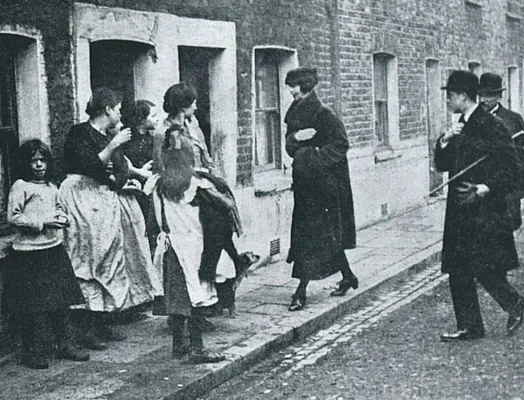
The British Newspaper Archive is a fantastic resource for local history, and in particular, it can be very useful in researching the history of your street.In this special blog, we will give you all the hints and tips you will need to start your own research into your road, whilst also examining the story of one of London’s lesser known historic streets, which was once a pathway of pilgrims before becoming one of the city’s most notorious slums.So
In October 1823, the Public Ledger and Daily Advertiser asserted:The charge and duty of Government are not merely to increase the numbers of men, but to promote and increase their happiness. Industry is the most powerful engine of this happiness, because it is the spring of all their riches. Government, then, should encourage labour, and by due reward, endeavour to avail of, and augment its useful products…The article, entitled ‘Political Economy,’ goes on to recommend how ‘the power of
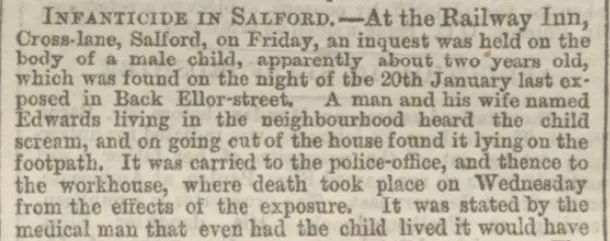
As part of our history of law and crime month on The Archive, we are delighted to featured a very special guest post by author and former probation officer Martin Baggoley, who has written extensively on the history of crime and punishment.In this guest post, Martin describes how he used The Archive to research the tragic topic of infanticide in Victorian Salford, a desperately sad chapter in Britain’s crime history. So read on to discover the methods that Martin
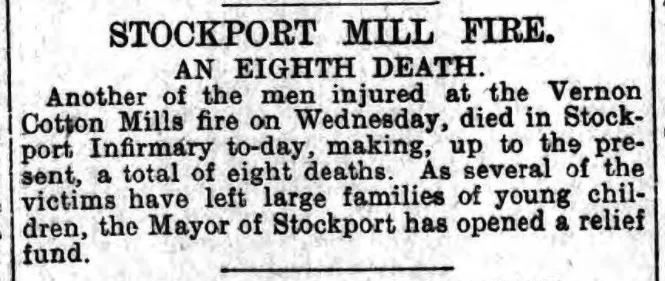
We are always delighted here at The Archive to hear how our users have used our collection for their own research. Here, retired broadcast journalist David Edwards Hulme describes how he used The Archive to research his book FIRE! the cotton mill disaster that echoed down the generations.I’m a retired broadcast journalist, and early on in my career I worked for several newspapers. Each one had its own newspaper cuttings section in the editorial library – actual paper cuttings that