
Skip to content

Search the blog

Tag: liverpool-echoTag: child-labour
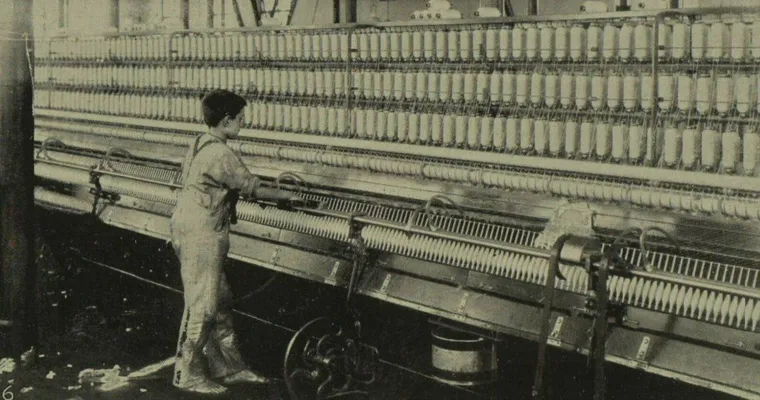
Here at The Archive we are delighted to welcome 204,443 brand new pages this week, as we mark 125 years since the passing of the Mines (Prohibition of Child Labour Underground) Act 1900, which banned children under the age of thirteen from working underground in mines. This act, following the raising of the school leaving age to twelve in 1899, represented an important milestone in the eradication of child labour.Meanwhile, we’ve added eight brand new titles this week, which span the length and
In October 1823, the Public Ledger and Daily Advertiser asserted:The charge and duty of Government are not merely to increase the numbers of men, but to promote and increase their happiness. Industry is the most powerful engine of this happiness, because it is the spring of all their riches. Government, then, should encourage labour, and by due reward, endeavour to avail of, and augment its useful products…The article, entitled ‘Political Economy,’ goes on to recommend how ‘the power of
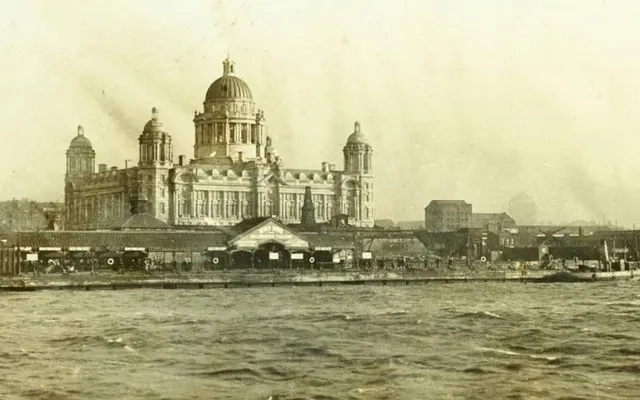
The British Newspaper Archive holds over 70,000 pages from Liverpool newspapers (and counting), making it an unrivalled resource when it comes to tracing the history of the city and its surrounding areas.Register to View Liverpool NewspapersOur clever search tools allow you to focus your search by looking at papers from Liverpool only and offer the ability to narrow by date, recent additions and more.To focus in on Liverpool titles only, while searching, use the place filter to select
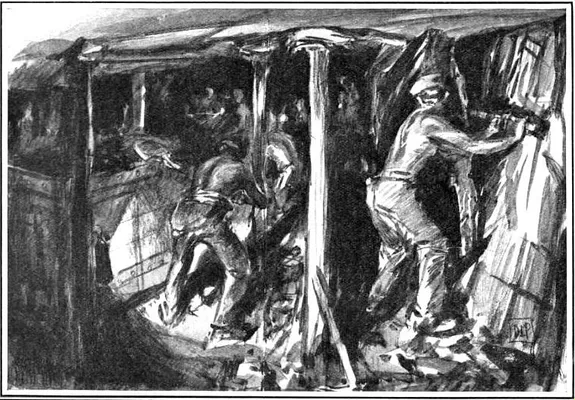
Derbyshire Miners Coal-getting at the Bolsover Face. Drawn by D Macpherson
In the month of August, we have looked at occupations and employment through the newspapers.  To finish our theme this month, we are taking a closer look at coal miners, specifically in the 19th century.  An initial search for miners reveals explosions, accidents, and strikes in the vast amount of mines operating across Great Britain.  We will look at these topics in closer detail.The first coal mine was sunk in Scotland, under the Firth of Forth in 1575.  As the
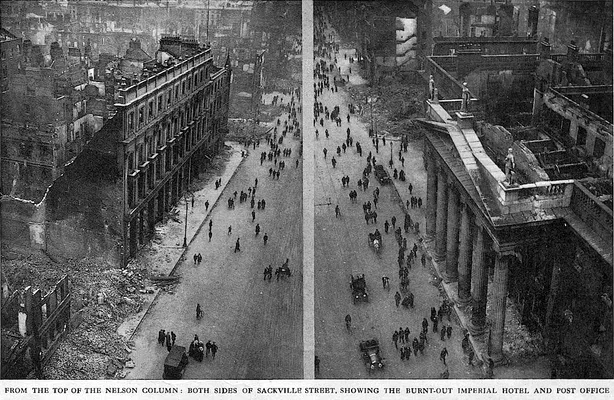
Next month sees the marking of the 100th anniversary of the Easter Rising. Irish nationalists headed a campaign to end British rule in Ireland during a time when the outcome of World War 1 was uncertain. We take a look at how the events of 1916 were documented in the British press at the time.Search the newspapersNews of the Rising started to filter through to the British newspapers on Tuesday, 25 April 1916. A smattering of local papers managed to squeeze in
You can search more than 390,000 newspaper pages from 1914-1918 at The British Newspaper Archive, with more being added all the time. Juliet Greenwood got in touch to explain how she used the collection to research World War One recipes for her novel, We That Are Left.**************When I first began writing a novel set during the First World War, I knew I wanted to focus on the experience of women and civilians.For Elin, the heroine of We That Are Left,
On 29 June 1914, Khioniya Guseva attempted to assassinate Grigori Rasputin in the monk’s home village of Pokrovskoe Selo in western Siberia.You’ll find a number of newspaper reports about the attack in The British Newspaper Archive.Read reports about RasputinGuseva’s attempt to murder Rasputin Although the facts of the attack are unclear, it’s said that Guseva stabbed Rasputin either as he left church or while he was reading a telegram outside the post office.Althought Guseva’s attempt to murder Rasputin