
Skip to content

Search the blog

Tag: lancashireTag: black-historyTag: liverpool
With the addition of brand new title the Transport Worker, alongside three other brand new newspapers, this week at The Archive we are looking back at the 1911 Liverpool general transport strike. Meanwhile, we are excited to celebrate reaching a landmark 98 million pages, as we get ever closer to that 100 million pages milestone.That’s not all, in total we’ve added 203,148 brand new pages to our collection, with updates to eight of our existing titles. So read on to discover more about
Here at The Archive, we love to learn of the discoveries you have made through our newspaper pages, and how you have used them, whether they have influenced novels, or provided information for dissertations. We were incredibly grateful, therefore, when crime writer and athletics historian Peter Lovesey contacted us with his account of sixty years of researching newspapers. From accessing historical newspapers in their original form, to scrolling through microfilm reels, and finally to searching newspapers digitally on the British
We’ve added 153,774 pages to 10 regional titles to The Archive this week. We have added seventy-five years worth of material from between 1911 and 2003. Our additions focus on augmenting existing titles including the West Lancashire Evening Gazette which we first added in September of this year, and the Sussex Express which we first added to in 2013.The Sussex Express which first joined The Archive in 2013 has undergone many title changes. In 1857 it was The Sussex Agricultural Express, but as it masthead showed
This week at The Archive, we’ve added an impressive 222,484 brand new pages, updating 48 existing titles and introducing 2 brand new ones! Dive in to explore our latest additions and pick up more tips and tricks on how to make the most of your research with The Archive.Register now and explore the ArchiveThis week, we’re excited to introduce the Garstang Courier to our growing collection of digitised historic newspapers. Covering the rich heritage of Garstang, a historic market town in
This week at The Archive we’re marking 108 years since daylight saving time was introduced in the United Kingdom, as we welcome 358,368 brand new pages to our collection. We’re delighted to introduce one brand new newspaper to our holdings too this week, which is the Newton and Earlestown Guardian, alongside updates to 30 of our existing titles.From Coleraine to Cumbernauld, from Fife to Fleetwood, from Leven to Louth, we’ve added new pages to titles from across England, Scotland and Northern Ireland.
This week we are visiting the seaside town of Morecambe with the addition of brand new title the Morecambe Visitor. Meanwhile, in all, we’ve added 102,467 brand new pages over the last seven days, with updates to 24 of our existing newspaper titles from Banbury to Batley, from Chorley to Crawley, from Market Harborough to Motherwell.So read on to discover more about this week’s new title the Morecambe Visitor, and also to learn more about one of the town of Morecambe’s
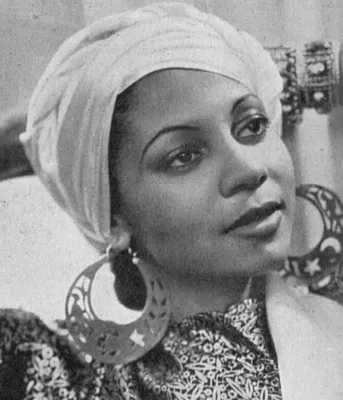
In the late 1930s a newcomer made her way onto British cinema screens: Princess Kouka. From Sudan, Princess Kouka, born Tahia Ibrahim Belal, had been spotted by film producer Walter Futter, who was determined for her to appear in his next film.Using newspapers from the time, we uncover the legacy of this largely forgotten film star, who travelled to Britain and impressed audiences across the country.‘A Notable Newcomer’On 18 December 1936 London’s Daily News reported on the impending arrival
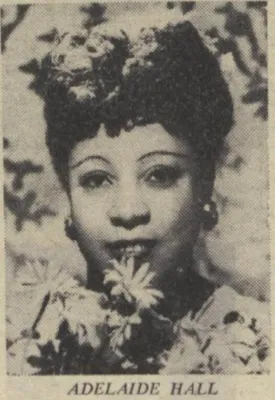
American-born jazz age superstar Adelaide Hall (1901-1993) was a Black music legend, who from 1938 onwards made Britain her home. She went on to have a long and successful career in the UK.In this very special blog, as part of Black History Month on The Archive, we will celebrate this jazz age queen who came to Britain and entertained thousands of people via her stage and radio performances, using newspapers taken from our Archive.A Star Is BornTo go back
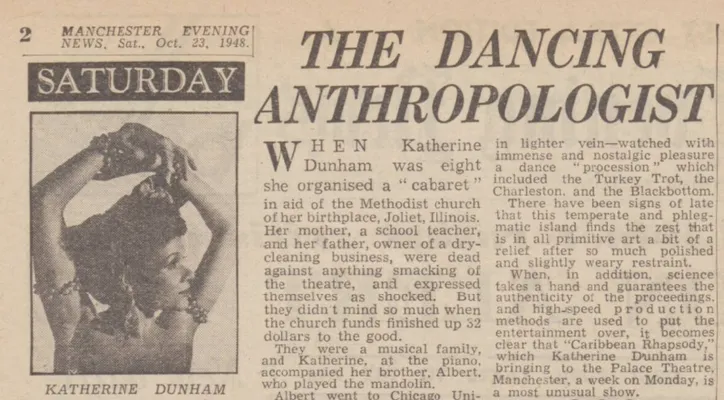
Born in 1909 in Chicago, ‘dancing anthropologist’ Katherine Dunham was known as the ‘matriarch and queen mother of Black dance.’ Her father was a descendant of enslaved West Africans and Madagascans, whilst her mother hailed from Canada.A multitalented artist, academic and activist, for many years Katherine Dunham ran the Katherine Dunham Dance Company, the only self-supporting African-American dance troupe in the mid-twentieth century. It was during this time that Dunham toured the United Kingdom, and in this special blog, we
This September at The Archive we are going back to school with the addition of brand new title the Schoolmaster and Edinburgh Weekly Magazine, alongside three other brand new titles from London, Liverpool, and Kent. Meanwhile, we’ve added 302,872 brand new pages so far this month, with 26 of our existing titles updated too, from England, Wales, Scotland and Ireland.So from Bayswater to Bury, from Carmarthen to Croydon, from Donegal to Dumfries, read on to discover more about our new and