
Skip to content

Search the blog

Tag: jane-austenTag: child-labour
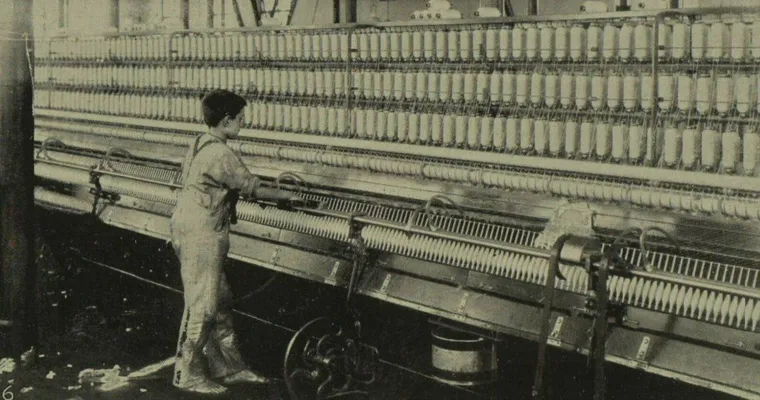
Here at The Archive we are delighted to welcome 204,443 brand new pages this week, as we mark 125 years since the passing of the Mines (Prohibition of Child Labour Underground) Act 1900, which banned children under the age of thirteen from working underground in mines. This act, following the raising of the school leaving age to twelve in 1899, represented an important milestone in the eradication of child labour.Meanwhile, we’ve added eight brand new titles this week, which span the length and
In October 1823, the Public Ledger and Daily Advertiser asserted:The charge and duty of Government are not merely to increase the numbers of men, but to promote and increase their happiness. Industry is the most powerful engine of this happiness, because it is the spring of all their riches. Government, then, should encourage labour, and by due reward, endeavour to avail of, and augment its useful products…The article, entitled ‘Political Economy,’ goes on to recommend how ‘the power of
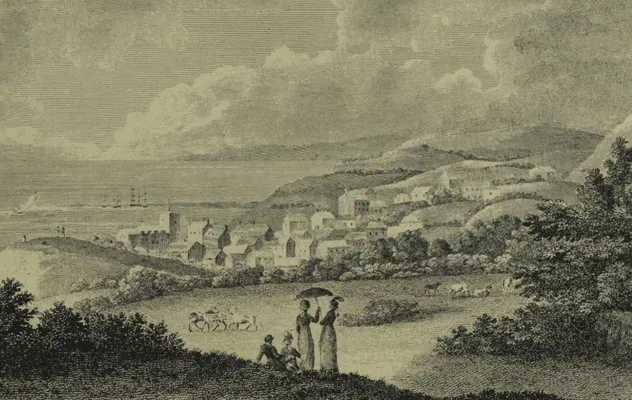
‘Disliking urban surroundings,’ Jane Austen ‘relied on the English countryside for her own happiness and for the background of her novels,’ so writes Wendy Hope in a 1975 Illustrated London News article. In this special blog, using pages taken from the British Newspaper Archive, we will explore the locations where celebrated novelist Jane Austen lived, wrote, and visited, and how they informed her novels.Want to learn more? Register now and explore The ArchiveIllustrated London News | 1 December 1975Bath – ‘A Determined
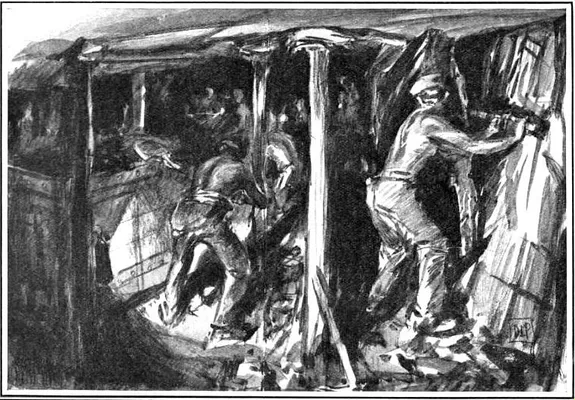
Derbyshire Miners Coal-getting at the Bolsover Face. Drawn by D Macpherson
In the month of August, we have looked at occupations and employment through the newspapers.  To finish our theme this month, we are taking a closer look at coal miners, specifically in the 19th century.  An initial search for miners reveals explosions, accidents, and strikes in the vast amount of mines operating across Great Britain.  We will look at these topics in closer detail.The first coal mine was sunk in Scotland, under the Firth of Forth in 1575.  As the
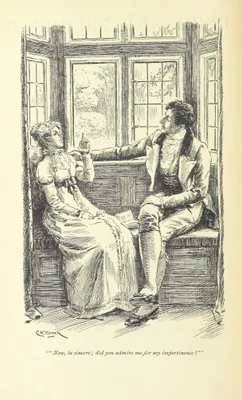
Elizabeth Bennet and Mr Darcy
This day marks the 200th anniversary of Jane Austen’s death. During the last two centuries, Jane Austen has become a household name. Austen and her modest-sized collection of works has enjoyed a vibrant presence in both academia and western culture, from quotes on magnets and clothing to movie adaptations and sequels to her novels. Austen’s name is equally as at home in highbrow literary essays and criticism as it is in contemporary periodicals meant for mass consumption, such as the
While researching A Visitor’s Guide to Jane Austen’s England, author Sue Wilkes discovered an amazing romance which could have appeared in an Austen novel. We love hearing about what you’re finding in the newspapers. Tell us about your own discoveries in the comments section below. ************** Heiress Augusta Nicholson, a most intrepid young lady, showed great ingenuity when she fell in love with handsome John Giles, a penniless comedian.Miss Nicholson was a ward of chancery and would inherit £14,000 when she