Skip to content

Search the blog

Tag: immigrationTag: search-tips
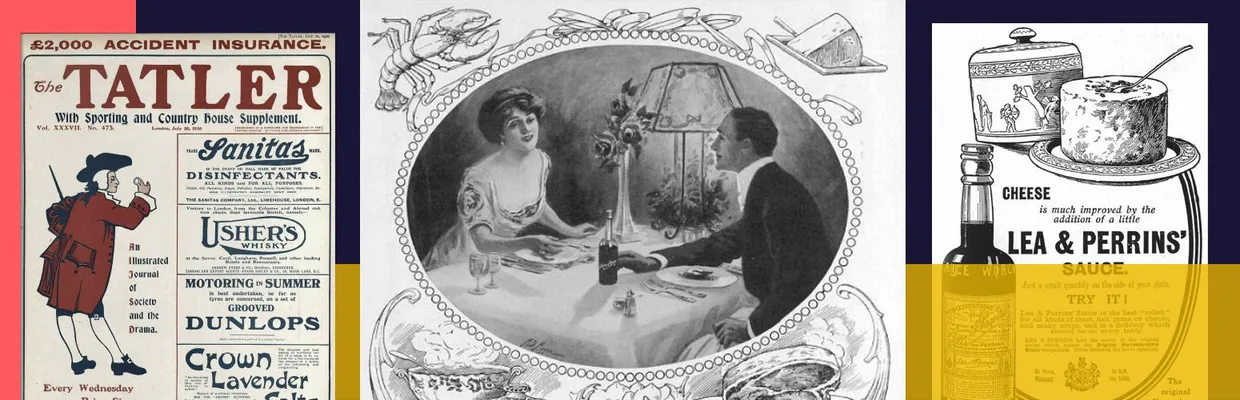
Image showing a montage of newspaper and magazine images
An exciting feature of the new British Newspaper Archive will be the advanced search capabilities that are coming to the site.Searching historic newspapers has always been a balancing actSearching historic newspapers has always been a bit of a tightrope walk. Search too narrowly and you miss the articles you need. Cast the net too wide and you’re wading through pages of irrelevant results. Throw in inconsistent spelling, occasionally damaged print, and the inevitable quirks of Optical Character Recognition
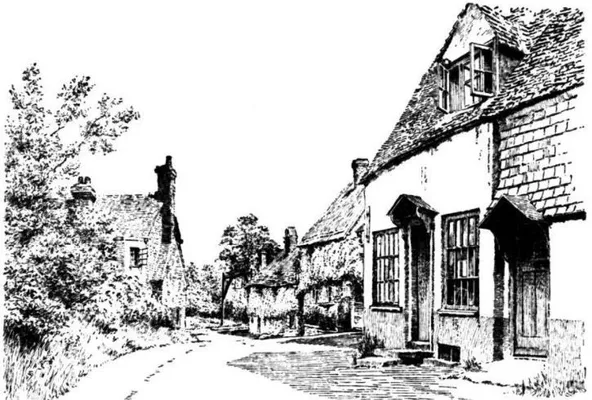
So far this November we’ve been celebrating all things local history, and earlier this month we brought you a guide on how to discover more about the history of your street. But now we turn from urban to rural, as we take a look at how to uncover the history of those places where there might only be one street, the hamlets and the villages of the United Kingdom.This blog, therefore, will show you how to uncover local history
Hopefully, you were able to join us live for our local history webinar, presented by Michala Hulme. However, if you weren’t able to catch it live or want a refresher, watch it on our YouTube channel here!In reviewing the lively and engaging Q&A that took place during the webinar, we’ve pulled out a few questions that we wanted to highlight and expand upon.Search tip 1Can The British Newspaper Archive distinguish between buildings, ships, towns, and surnames? Every time
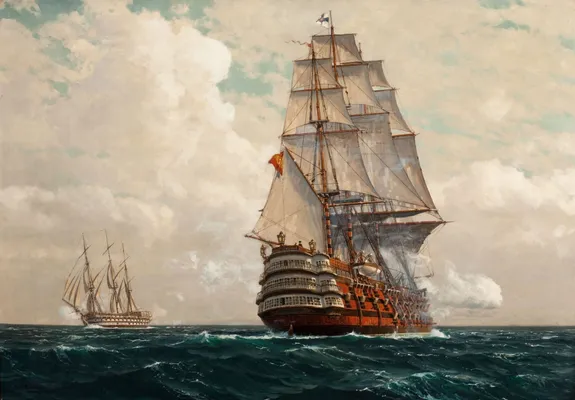
Old newspapers regularly featured passenger lists, news from abroad, foreign destination guides and other travel-related musings, making the British Newspaper Archive the perfect research companion for anyone interested in how people moved around the world in days gone by.Register Now and View 3 FREE PagesWhether you’re a genealogist having trouble pinpointing your family’s voyage to another country or a student doing a thesis on historical migration patterns, the Archive may hold a key piece of information for your research.
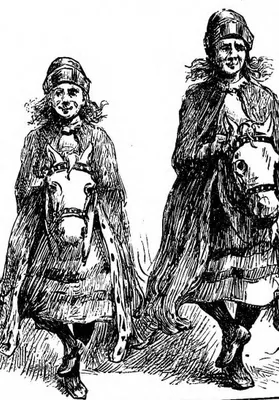
The Clog Dance
This week’s episode of Who Do You Think You Are? took us down under and all over Australia. Craig Revel Horwood was able to learn how his ancestors on both sides of his family came to be in Australia and what activities occupied their days, from mining for gold to clog dancing.Convicts in the familyCraig’s family history journey began with his sister’s retelling of their great-great grandfather Moses Horwood being convicted of theft and transported to Australia.While
During our first ever webinar, we have over 600 questions from more than 3,500 registered viewers. It was incredible to get so much feedback and interaction from our viewers.  Here we will share a sample of the questions from our webinar event.Didn’t get a chance to see the webinar?  Watch the event now.(The discount offer is no longer valid)QuestionsSometimes I try to find a name in the newspaper archive and it says there are no matches. Why and
“I won’t be embarrassed by what I discover, bring it on! Let’s have an adventure.” – Warwick DavisIn last night’s episode of Who Do You Think You Are? we joined Warwick Davis, best known for his acting career, as he uncovered a few family secrets including bigamy and multiple marriages on his mother’s side of the family, as well as tragedy and another successful performer on his father’s side.Searching for a Local PubWarwick wanted to find out about
We followed Amanda Holden’s journey of genealogy in last night’s episode of Who Do You Think You Are?. She kick-started her research by searching for one of her ancestors on The British Newspaper Archive.Amanda’s mum, Judy, who had been working on their family tree, had been having difficulties finding out the last name of Collin’s wife, Radgoude, Amanda’s 5th great-grandmother. But, thanks to Amanda’s discovery on The British Newspaper Archive, she now had a new trail of clues to
Newspaper articles can provide incredible detail about peoples’ lives, whether you’re looking for your ancestors or researching a particular character from history.Search for a person’s name –>Searching newspaper articles for an ancestor or person from historyEnter the name of the person you’re looking for in the search bar at the top of the homepage. Put a double quote mark on each side of the name and click the ‘search’ button.The quote marks will make your search results more
This step-by-step guide will show you how to search newspapers from a specific date range (such as World War One) at The British Newspaper Archive.Watch this short video tutorial or follow the steps below:Search the newspapersHow to search newspapers from World War OneThe easiest way to limit your search to a particular date range is to use the advanced search. You can get to this by clicking the ‘advanced search’ button on the homepage. Type the