
Skip to content

Search the blog

Tag: immigrationTag: child-labour
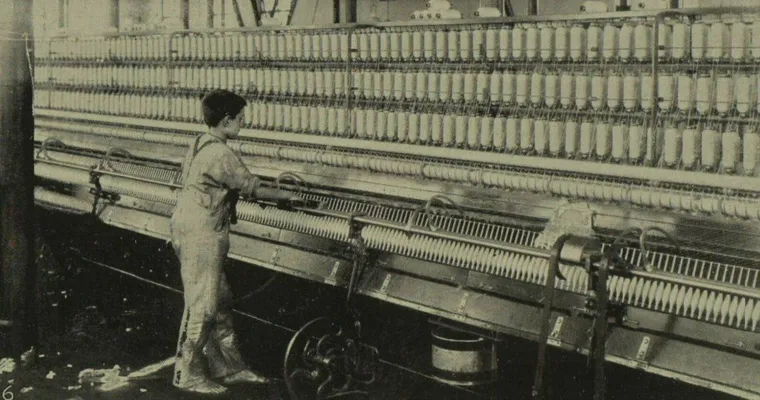
Here at The Archive we are delighted to welcome 204,443 brand new pages this week, as we mark 125 years since the passing of the Mines (Prohibition of Child Labour Underground) Act 1900, which banned children under the age of thirteen from working underground in mines. This act, following the raising of the school leaving age to twelve in 1899, represented an important milestone in the eradication of child labour.Meanwhile, we’ve added eight brand new titles this week, which span the length and
In October 1823, the Public Ledger and Daily Advertiser asserted:The charge and duty of Government are not merely to increase the numbers of men, but to promote and increase their happiness. Industry is the most powerful engine of this happiness, because it is the spring of all their riches. Government, then, should encourage labour, and by due reward, endeavour to avail of, and augment its useful products…The article, entitled ‘Political Economy,’ goes on to recommend how ‘the power of
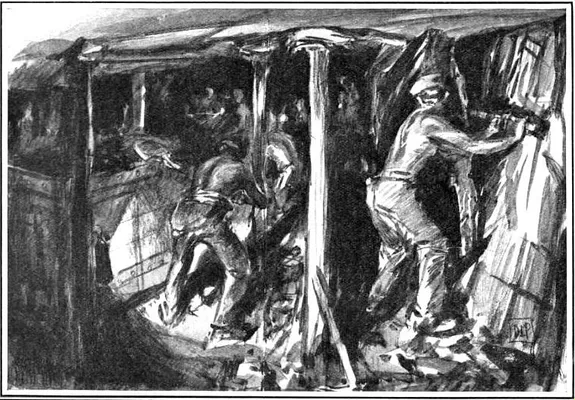
Derbyshire Miners Coal-getting at the Bolsover Face. Drawn by D Macpherson
In the month of August, we have looked at occupations and employment through the newspapers.  To finish our theme this month, we are taking a closer look at coal miners, specifically in the 19th century.  An initial search for miners reveals explosions, accidents, and strikes in the vast amount of mines operating across Great Britain.  We will look at these topics in closer detail.The first coal mine was sunk in Scotland, under the Firth of Forth in 1575.  As the
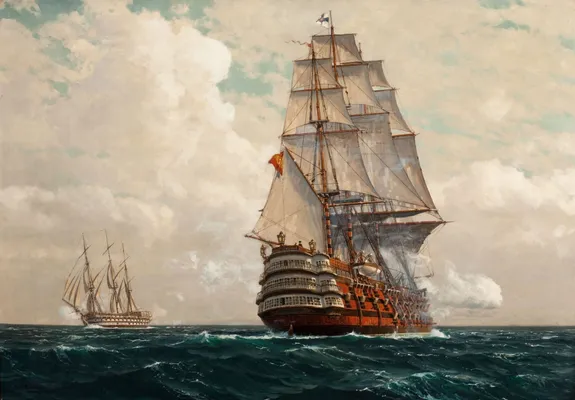
Old newspapers regularly featured passenger lists, news from abroad, foreign destination guides and other travel-related musings, making the British Newspaper Archive the perfect research companion for anyone interested in how people moved around the world in days gone by.Register Now and View 3 FREE PagesWhether you’re a genealogist having trouble pinpointing your family’s voyage to another country or a student doing a thesis on historical migration patterns, the Archive may hold a key piece of information for your research.
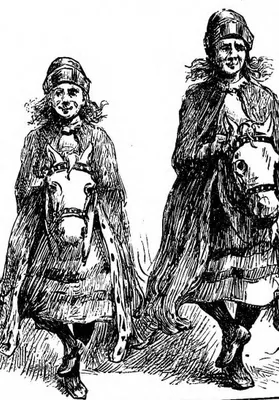
The Clog Dance
This week’s episode of Who Do You Think You Are? took us down under and all over Australia. Craig Revel Horwood was able to learn how his ancestors on both sides of his family came to be in Australia and what activities occupied their days, from mining for gold to clog dancing.Convicts in the familyCraig’s family history journey began with his sister’s retelling of their great-great grandfather Moses Horwood being convicted of theft and transported to Australia.While