Skip to content

Search the blog

Tag: horoscopesTag: bournemouthTag: easter-risingTag: blitz
With one week to go until St Patrick’s day, we at The Archive are turning our focus across the water to Ireland for this week’s titles. We will uncover how Cork Free Press was involved in a printing disgrace following an editorial disagreement, with the paper eventually being brought to an end following an act of suppression by the British authorities. Additionally, newly added pages from the Belfast Telegraph allow us to dive into the passage of the Thirty-fourth Amendment
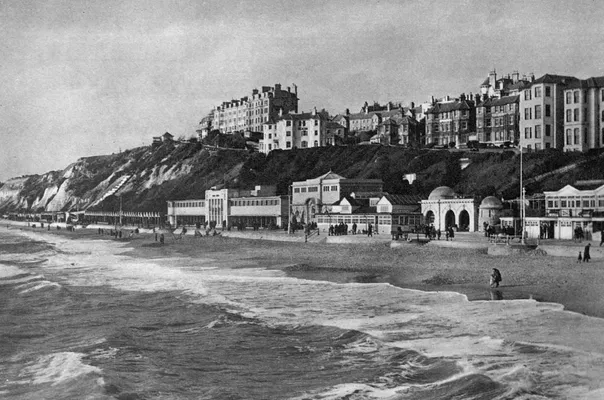
This week at The Archive we are delighted to welcome a brand new title from the sunny south coast, the Bournemouth Times and Directory, as we take a moment to remember the devastating Bournemouth Blitz. In all, over the last seven days, we’ve added 366,686 brand new pages to our collection, whilst we’ve updated 25 of our existing titles from across England, Scotland and Northern Ireland.So, from Buckingham to Burnley, from Dingwall to Driffield, from Mid Sussex to Mid Ulster, read
This week at The Archive we are illuminating Irish history with the addition of three brand new Irish newspapers, from Dublin, Limerick and Kerry. Meanwhile, over the past seven days, we have added a total of 122,848 brand new pages, whilst we have also updated five of our existing titles from the Republic of Ireland and Northern Ireland.So read on to discover more about all of our new and updated titles of the week, as well as to learn about
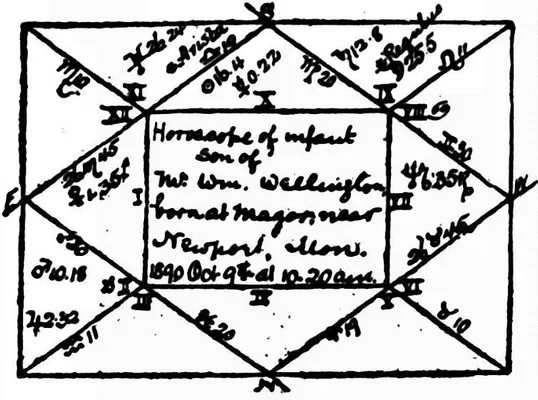
In this very special blog, Jessie O’Hara, from our sister site Findmypast, takes a fascinating look at astrology through the pages of our newspapers. Featuring articles all the way from the eighteenth century to the twentieth century, she traces the development of attitudes towards astrology across three centuries, from scepticism to horoscopes being a mainstay of mainstream media.Register with us today and see what stories you can discoverBeliever or non-believer, agnostic or sceptic, there is no denying that
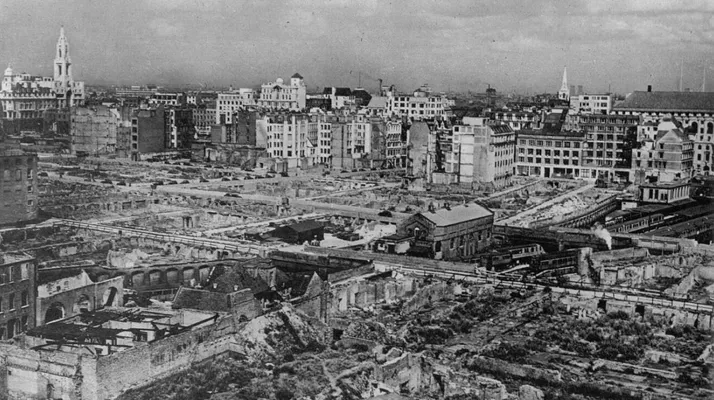
In the decade after the Second World War had come to an end, and indeed beyond, many communities across the United Kingdom were faced with very vivid reminders of the conflict: bomb sites, the country’s ‘war scars.’In this blog, we will examine how people in Britain lived alongside bomb sits in the 1950s, using newspapers taken from The Archive. We will explore how communities adapted to live beside bomb sites, and how they transformed them into gardens and playgrounds.
In March 1935 the seaside resort town of Bournemouth was shaken by a sensational murder. Retired architect Francis Mawson Rattenbury, aged 67, was found dead at his home, Villa Madeira, on Manor Road. Accused of his murder were his younger wife Alma Rattenbury, and her lover, 18-year-old gardener George Stoner.This case would end in further tragedy, and in this special blog, using pages from the British Newspaper Archive, we explore how murder came to the genteel town of Bournemouth in the
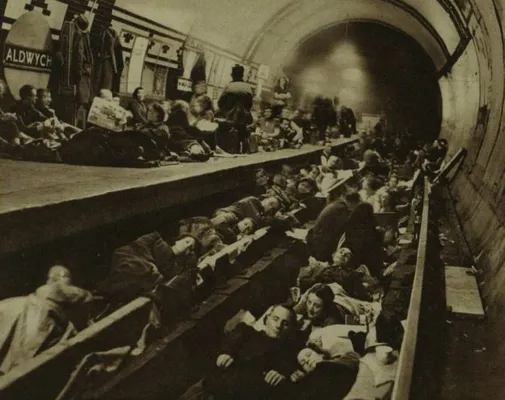
When the Blitz began on 7 September 1940, ‘It was the people of London who took command…Men, women, and children went straight to the safest place they could think of – the Underground stations.’In this special blog, over 80 years after the beginning of the Blitz, we take a look at how London’s main transport system – the Underground –  became a popular place of shelter for those seeking protection from the German bombing campaign, using an assortment of articles and photographs all to be
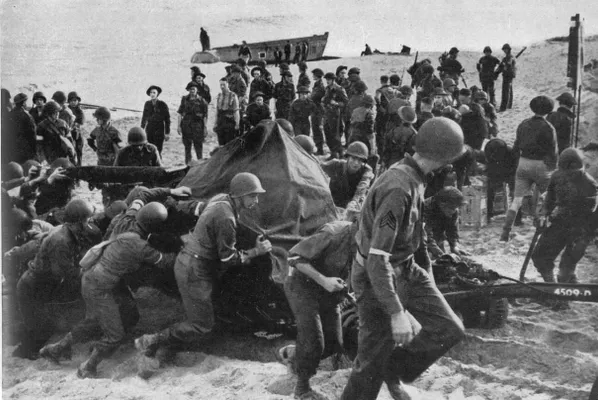
American troops
In honour of Remembrance Day, during the month of November, The British Newspaper Archive will be focusing our attention on military in the newspapers.  Coming up this month we will feature blogs about our special military titles, researching military history, women and war, and wartime rationing and fashion, as well as a guest blog about a remarkable Great War discovery from The Archive.  To begin our military month, we are delving into the newspaper headlines through the years for the
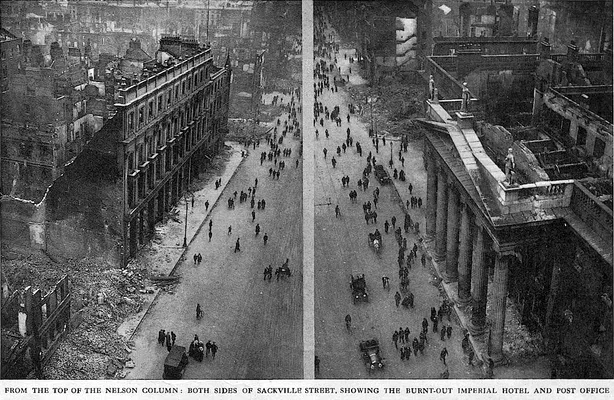
Next month sees the marking of the 100th anniversary of the Easter Rising. Irish nationalists headed a campaign to end British rule in Ireland during a time when the outcome of World War 1 was uncertain. We take a look at how the events of 1916 were documented in the British press at the time.Search the newspapersNews of the Rising started to filter through to the British newspapers on Tuesday, 25 April 1916. A smattering of local papers managed to squeeze in