
Skip to content

Search the blog

Tag: ghostsTag: ocrTag: winston-churchill
With the addition of brand new title the Transport Worker, alongside three other brand new newspapers, this week at The Archive we are looking back at the 1911 Liverpool general transport strike. Meanwhile, we are excited to celebrate reaching a landmark 98 million pages, as we get ever closer to that 100 million pages milestone.That’s not all, in total we’ve added 203,148 brand new pages to our collection, with updates to eight of our existing titles. So read on to discover more about
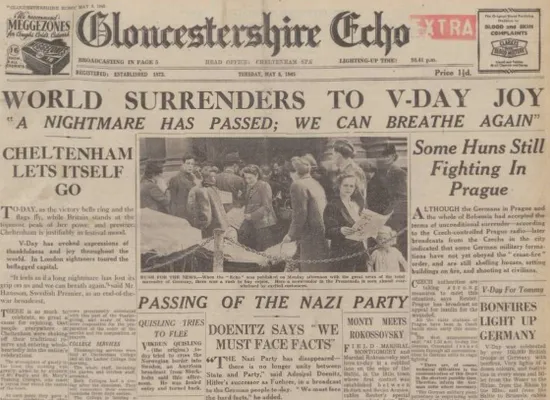
This month marks the 80th anniversary of VE Day – the day that peace in Europe was finally declared. After nearly six years of conflict – how did the newspapers of the time report the momentous news? How did the people of Britain react?Gloucestershire Echo | 8 May 1945Using the front pages from the 8 May 1945, VE Day itself, we take a step back in time to discover just how the joyous news spread, and how it was reacted to.Register now and explore
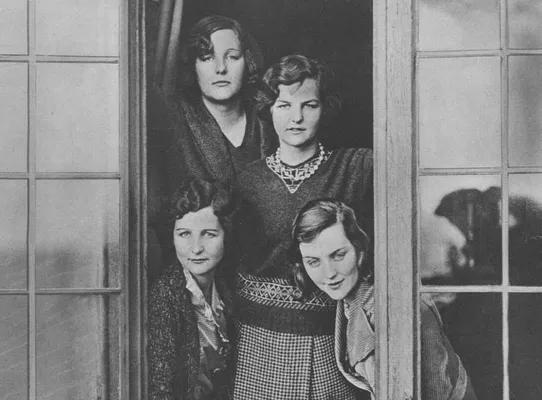
The aristocratic Mitford sisters – Nancy, Pamela, Diana, Unity, Jessica and Deborah – hit the headlines throughout their lifetimes, with tales of scandal and intrigue filling the pages of the press from the 1920s and beyond.Born to David Freeman-Mitford, 2nd Baron Redesdale, and his wife Sydney, alongside brother Thomas, the Mitford sisters often shocked society, whether it be through their political views, or their private lives.In this special blog, we shall unravel the remarkable stories of the six Mitford sisters,
This week at The Archive we are delighted to welcome 675,584 brand new pages to our collection, as we introduce 6 brand new titles, including our first ever newspaper from the country of Malta. Meanwhile, we have updated an astounding 96 of our existing titles, from Acton to Ayrshire, from Billericay to Bridgend, from Gwent to Galloway, from Plymouth to Pontypridd, we have added new pages to titles from across England, Wales and Scotland.So read on to discover more about our new
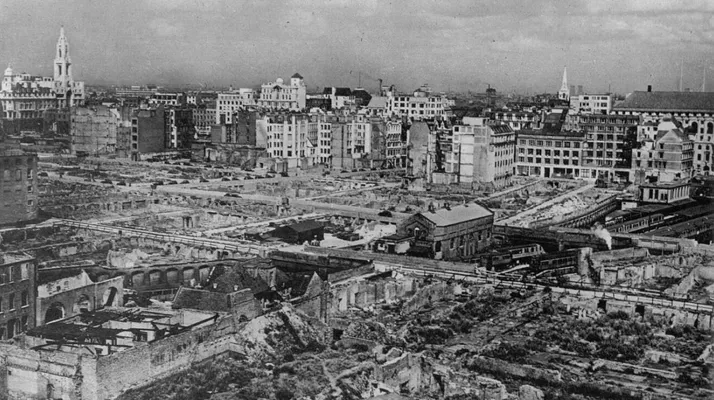
In the decade after the Second World War had come to an end, and indeed beyond, many communities across the United Kingdom were faced with very vivid reminders of the conflict: bomb sites, the country’s ‘war scars.’In this blog, we will examine how people in Britain lived alongside bomb sits in the 1950s, using newspapers taken from The Archive. We will explore how communities adapted to live beside bomb sites, and how they transformed them into gardens and playgrounds.
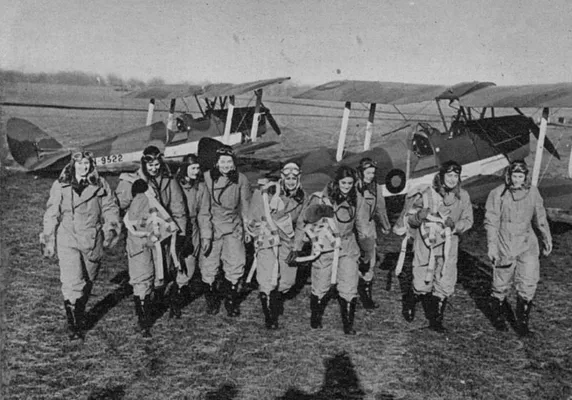
Women last week made history in the youngest Service, for the first delivery flights of aeroplanes from factory to storage depot, ‘somewhere in Great Britain,’ were carried out by the Women’s Transport Section of the Air Transport Auxiliary. There are nine members of this body.So reported The Sketch on 17 January 1940. Four months into the Second World War, and women were making history, and in particular, the nine women who belonged to the Air Transport Auxiliary. These women, along with
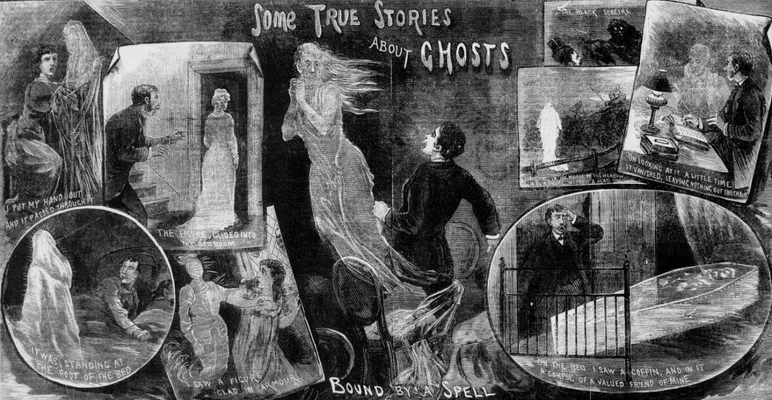
With spooky season now upon us, we thought we’d scour the pages of The Archive to find some of the most spine-chilling ghost stories ever published in our newspapers.So settle in and prepare to be scared by tales of ghostly armies, inexplicable apparitions and portents from the afterlife, all of which have been featured in the pages of the newspapers to be found on The Archive.Want to learn more? Register now and explore The Archive1. An Army of
This week we have added 48,988 pages to The Archive, with new pages covering both England and Scotland. We’re delighted to have updated four of our Scottish titles, with additions spanning the years between 1879 to 1981. We’ve also updated the Newcastle Journal, the Manchester Evening News, the Lichfield Mercury, the Wells Journal, and finally the Reading Evening Post.One of our Scottish titles to be updated this week is the Aberdeen Evening Express, to which we have added the years 1939-1945 and 1980-1981.Eighty
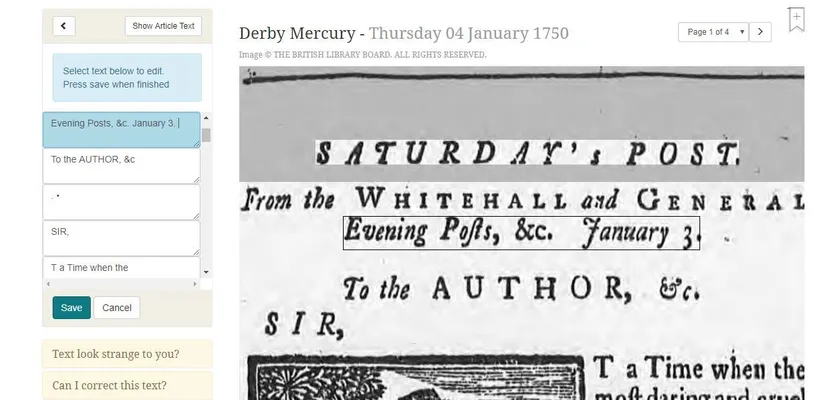
One of the features of The British Newspaper Archive is the OCR editing tool.  This allows every user to contribute to the improvement of The Archive.  OCR stands for Optical Character Recognition– the process we use to transform millions of digitised images into searchable text.   The computer takes an image of the page and then turns each line into text.  However, as many of us have encountered, the text is not always correct and needs improvement.  As a group, we
Haunted
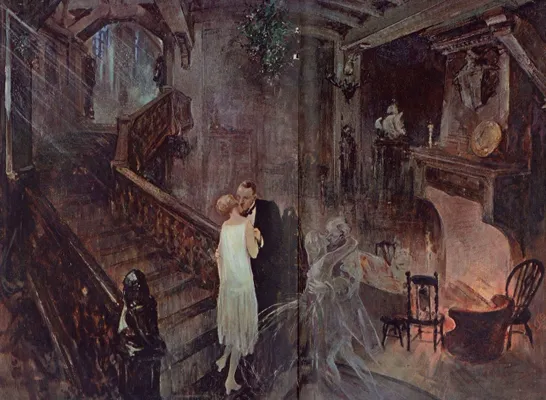
With Halloween approaching, we wanted to see what we could find related to the topic of hauntings in The British Newspaper Archive.Of children and hauntingsOften the origins of a haunting myth are rooted in death and loss. Sometimes the myth grows and morphs to such a point where its origin is indeterminate. Other times, the sad truth of its origin is unexpectedly revealed, as with the ‘grim discovery’ at a ‘haunted house’ in 1921, reported in The Scotsman.This