Skip to content

Search the blog

Tag: genealogyTag: blitzTag: pat
This week at The Archive we are marking St Patrick’s Day with the addition of five brand new Irish titles, and updates to 29 of our existing Irish titles, as we delve into a potential Oscar Wilde work, where all is not as it seems. Furthermore, in all, we’ve added 215,303 brand new pages to our collection, as The Archive continues to grow.So read on to discover more about our new and updated titles of the week, and also to read
This week at The Archive we are delighted to welcome a brand new title from the sunny south coast, the Bournemouth Times and Directory, as we take a moment to remember the devastating Bournemouth Blitz. In all, over the last seven days, we’ve added 366,686 brand new pages to our collection, whilst we’ve updated 25 of our existing titles from across England, Scotland and Northern Ireland.So, from Buckingham to Burnley, from Dingwall to Driffield, from Mid Sussex to Mid Ulster, read
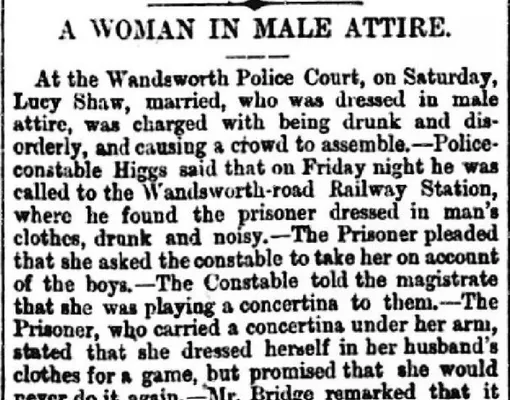
At The Archive we are delighted to welcome guest blogs from our users, which highlight a wealth of different research interests. This month, we are excited to feature a blog on researching queer history by Staffordshire researcher Rebecca Morris-Quinn.My name is Rebecca, I am a queer woman living in Stoke-on-Trent, Staffordshire. I’ve been interested in genealogy and history for many years, since I found out that I share a birthday with a great-great aunt, Olive (albeit over 100 years ago).
Our newspaper Archive contains many thousands of obituaries and death notices, which can help you unlock fascinating information and stories about your family history. In this special blog, we present your guide to obituaries on The Archive: how to search them, where to find them, and how to make the most of them for your family history research. But first, what is an obituary?Register now and explore the ArchiveWhat Is An Obituary?An obituary, according to the Cambridge
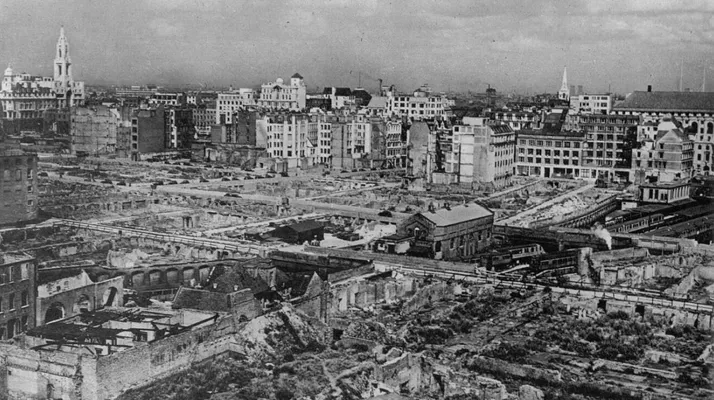
In the decade after the Second World War had come to an end, and indeed beyond, many communities across the United Kingdom were faced with very vivid reminders of the conflict: bomb sites, the country’s ‘war scars.’In this blog, we will examine how people in Britain lived alongside bomb sits in the 1950s, using newspapers taken from The Archive. We will explore how communities adapted to live beside bomb sites, and how they transformed them into gardens and playgrounds.
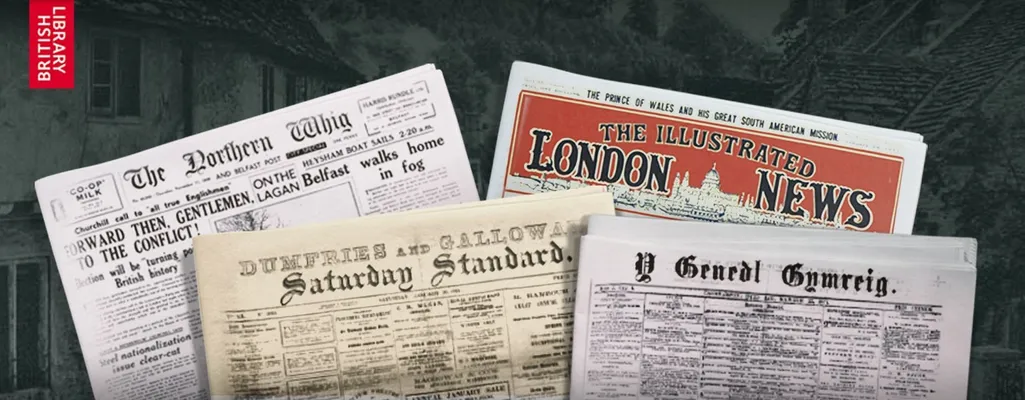
The British Newspaper Archive, in partnership with the British Library, has been bringing history to life for over a decade through the pages of its extensive collection. We are now delighted to announce that the British Library will be extending this long-term partnership, and together we will continue to digitise more and more historic newspaper titles from across the United Kingdom and beyond.First launched in 2011, the British Newspaper Archive, working with the British Library, has so far digitised over 42
This week we have added 103,570 new pages to The Archive, with an impressive 6 brand new titles joining our collection. In addition to these new titles, we have updates to 9 of our existing publications. In all, our new pages this week cover 120 years of history, and span the towns, cities and countryside of England, Scotland and Wales.This week sees a brand new addition to our Leicestershire newspapers. The Ashby-de-la-Zouch Gazette covers the area around the market town, and was a
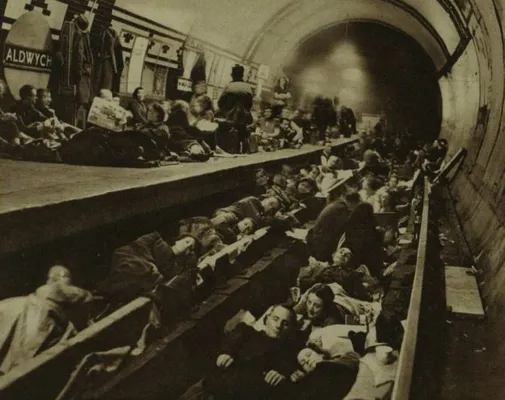
When the Blitz began on 7 September 1940, ‘It was the people of London who took command…Men, women, and children went straight to the safest place they could think of – the Underground stations.’In this special blog, over 80 years after the beginning of the Blitz, we take a look at how London’s main transport system – the Underground –  became a popular place of shelter for those seeking protection from the German bombing campaign, using an assortment of articles and photographs all to be
Scotland
Using newspapers for your Scottish genealogy researchDo you find yourself daunted at the prospect of researching your Scottish ancestors? Keep the heid! There exists a fantastic array of records that can get you further along in your family history research. The main problem, however, is access. Much of what exists has not been ditigised, and for those that have been, many are not indexed. It is overwhelming figuring out where to search and what records, if they were created,
Anyone starting to research their Irish heritage has heard the story: ‘all of their records were destroyed in 1922’.  The destruction of the Four Courts on 30 June 1922, which housed the public records office, was a huge loss… but! with digitisation, Irish family history is getting easier by the day.  Sites like our sister site Findmypast are opening up new avenues of research by digitising a wide variety of sources, and many of their Irish collections are free!Newspapers are particularly