Skip to content

Search the blog

Tag: evening-despatchTag: blitzTag: child-labour
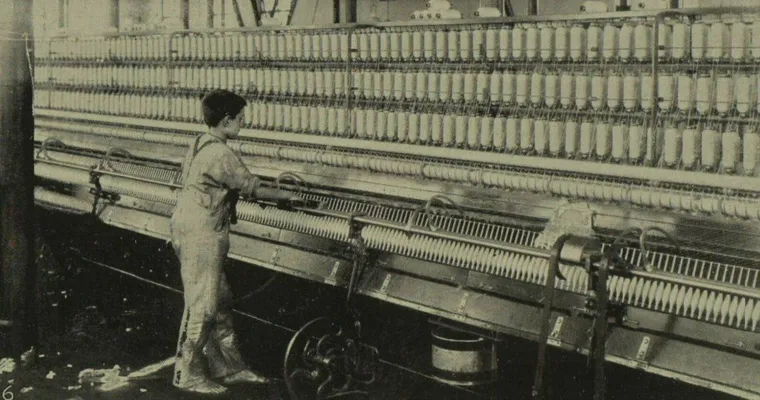
Here at The Archive we are delighted to welcome 204,443 brand new pages this week, as we mark 125 years since the passing of the Mines (Prohibition of Child Labour Underground) Act 1900, which banned children under the age of thirteen from working underground in mines. This act, following the raising of the school leaving age to twelve in 1899, represented an important milestone in the eradication of child labour.Meanwhile, we’ve added eight brand new titles this week, which span the length and
This week at The Archive we are delighted to welcome a brand new title from the sunny south coast, the Bournemouth Times and Directory, as we take a moment to remember the devastating Bournemouth Blitz. In all, over the last seven days, we’ve added 366,686 brand new pages to our collection, whilst we’ve updated 25 of our existing titles from across England, Scotland and Northern Ireland.So, from Buckingham to Burnley, from Dingwall to Driffield, from Mid Sussex to Mid Ulster, read
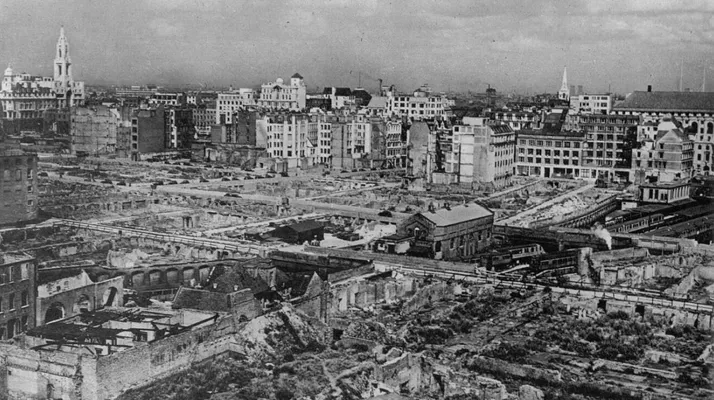
In the decade after the Second World War had come to an end, and indeed beyond, many communities across the United Kingdom were faced with very vivid reminders of the conflict: bomb sites, the country’s ‘war scars.’In this blog, we will examine how people in Britain lived alongside bomb sits in the 1950s, using newspapers taken from The Archive. We will explore how communities adapted to live beside bomb sites, and how they transformed them into gardens and playgrounds.
In October 1823, the Public Ledger and Daily Advertiser asserted:The charge and duty of Government are not merely to increase the numbers of men, but to promote and increase their happiness. Industry is the most powerful engine of this happiness, because it is the spring of all their riches. Government, then, should encourage labour, and by due reward, endeavour to avail of, and augment its useful products…The article, entitled ‘Political Economy,’ goes on to recommend how ‘the power of
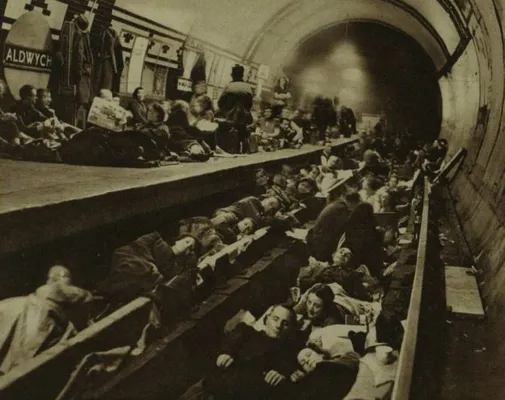
When the Blitz began on 7 September 1940, ‘It was the people of London who took command…Men, women, and children went straight to the safest place they could think of – the Underground stations.’In this special blog, over 80 years after the beginning of the Blitz, we take a look at how London’s main transport system – the Underground –  became a popular place of shelter for those seeking protection from the German bombing campaign, using an assortment of articles and photographs all to be
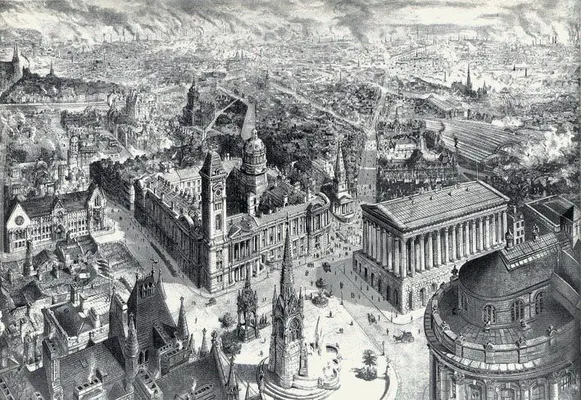
The British Newspaper Archive is an unrivalled resource when it comes to tracing local history. Where else would you find millions of forgotten stories from your street, town or city all documented and ready to be discovered? Take Birmingham for example. The Archive contains over 50,000 pages and and a varied range of titles from the UK’s ‘Second City’ and this guide will show you how to make the most of them.Register now and view Birmingham newspapers for FREEYou
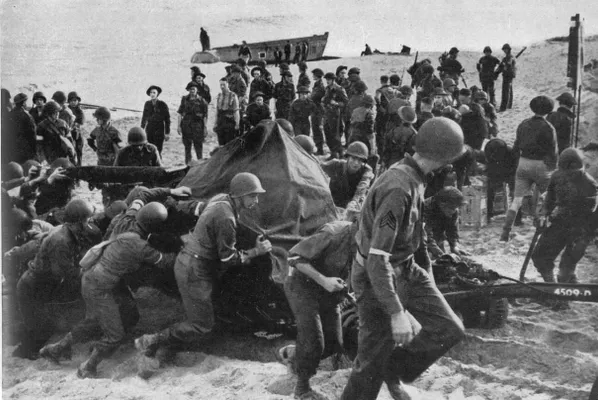
American troops
In honour of Remembrance Day, during the month of November, The British Newspaper Archive will be focusing our attention on military in the newspapers.  Coming up this month we will feature blogs about our special military titles, researching military history, women and war, and wartime rationing and fashion, as well as a guest blog about a remarkable Great War discovery from The Archive.  To begin our military month, we are delving into the newspaper headlines through the years for the
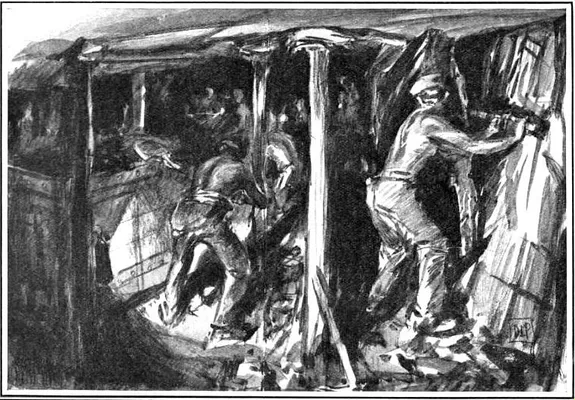
Derbyshire Miners Coal-getting at the Bolsover Face. Drawn by D Macpherson
In the month of August, we have looked at occupations and employment through the newspapers.  To finish our theme this month, we are taking a closer look at coal miners, specifically in the 19th century.  An initial search for miners reveals explosions, accidents, and strikes in the vast amount of mines operating across Great Britain.  We will look at these topics in closer detail.The first coal mine was sunk in Scotland, under the Firth of Forth in 1575.  As the
Following an ultimatum to withdraw German troops from Belgium, Britain declared war on Germany on 4 August 1914. Monday 4 August 2014 will mark the 100th anniversary of the start of Britain’s involvement in World War One.Front pages from the start of World War OneThe news that Britain had joined World War One featured prominently in many of the newspapers printed the following day.Search newspapers from World War OneHere’s a selection of the newspaper headlines announcing Britain’s involvement in WW1.
WW1 editions of the Evening Despatch now onlineThe Evening Despatch was published in Birmingham throughout World War One. Over 4,000 pages from newspapers published in 1915, 1917 and 1918 have just been made available to search online.Search the Evening Despatch  Newspaper pages added every weekThousands of extra pages are added to The British Newspaper Archive each week. We’ll be adding more from the Evening Despatch soon, so be sure to check the recent additions regularly.See what’s been added in the