Skip to content

Search the blog

Tag: criminal-trialTag: poetry
This week at The Archive we are marking St Patrick’s Day with the addition of five brand new Irish titles, and updates to 29 of our existing Irish titles, as we delve into a potential Oscar Wilde work, where all is not as it seems. Furthermore, in all, we’ve added 215,303 brand new pages to our collection, as The Archive continues to grow.So read on to discover more about our new and updated titles of the week, and also to read
This week at The Archive we’re delighted to welcome one brand new newspaper title to our collection, namely Yorkshire’s Hebden Bridge Times, alongside a total of 245,806 brand new pages. Meanwhile, from Derbyshire to Dunstable, from Eastbourne to Earlestown, from Thame to Todmorden, we have updated 15 of our existing titles from across England and Scotland.So read on to learn more about all of our new and updated titles of the week, as well as to discover more about poet laureate
We’ve reached the extraordinary landmark of 72 million pages all now available to search on The Archive, as we welcome new title the Carrick Times and East Antrim Times to our collection, and celebrate the town of Carrickfergus’s links with poet and playwright Louis MacNeice. That’s not all, we’ve added 152,092 brand new pages to The Archive in all over the last seven days, with new pages joining publications from across Northern Ireland, Scotland and Wales.So read on to discover more
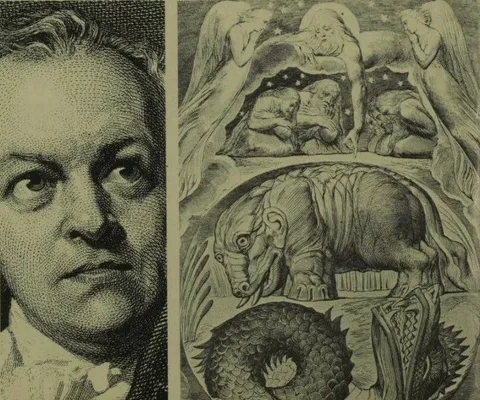
The work of poet, mystic and painter William Blake was largely unrecognised in his lifetime. The son of a dissenting hosier, Blake was born in London’s Soho in 1757, and was apprenticed to an engraver at a young age. Hostile to organised religion, he created an array of paintings and poetry, often inspired by his visions, before he passed away in 1827.In this special blog, we will take a look at the evolving attitudes to the art of William Blake. We
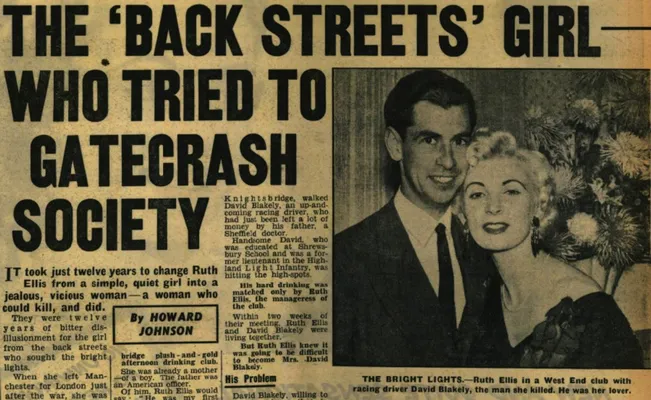
Reading like a tabloid’s dream, or the script of a film noir, the shooting death of racing car driver David Blakely at the hands of his model girlfriend Ruth Ellis revealed the seedy underbelly of 1950s society.From the smoky, dim-lit cocktail bars of West London, to extramarital affairs and illicit weapons, this is the story of a young woman and what drove her to shoot her lover in broad daylight on Easter Sunday, 1955, as told by our newspapers. The
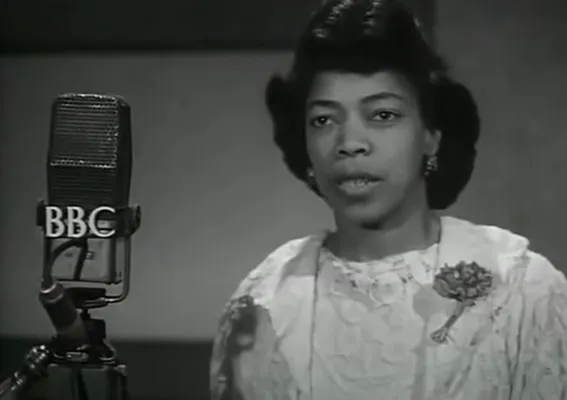
We are taking a deep dive into the work of Una Marson.  Marson was one of Jamaica’s most influential poets, broadcasters, and activists.  She was a feminist pioneer and the first Black woman employed by the BBC.  She was also the first Black woman to have her play performed in the West End and the first Black woman to attend the League of Nations.  One blog post cannot do justice to her incredible career, but we hope to use The
This week at The Archive we are delighted to have added 115 years’ worth of historic headlines, with two brand new titles joining us over the past seven days. In total, we have added 103,686 new pages, with substantial updates to one of our national titles. Read on to discover more about this week’s additions.Register now and explore the ArchiveKicking off our new titles this week is the Runcorn Weekly News. Published in the Cheshire town of Runcorn, this ‘politically
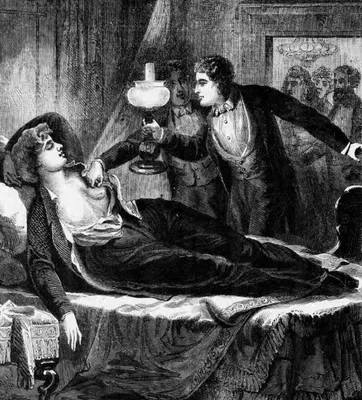
We continue to celebrate Pride Month here at the British Newspaper Archive with this special blog exploring gender identity from the 1700s right up until the 1960s. Using newspapers taken from three different centuries, this blog will show how gender identity has always been fluid, and how members of the LGBTQ community have faced both persecution and prosecution for expressing their identity through how they dressed and presented themselves.‘Extraordinary Discovery – A Woman Dressed in Man’s Clothes’ | Illustrated Police News | 2
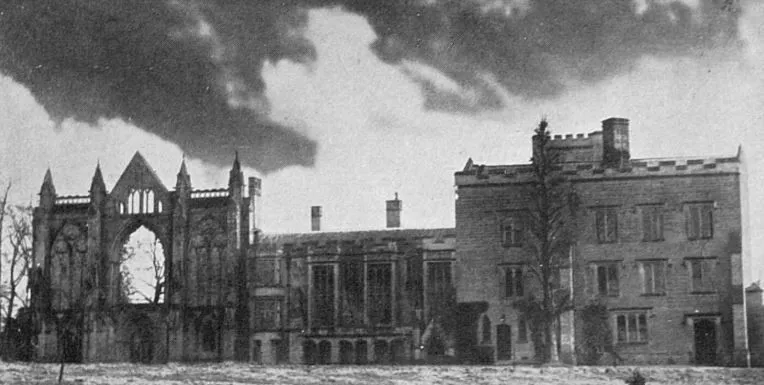
THROUGH thy battlements, Newstead, the hollow winds whistle;Thou, the hall of my fathers, art gone to decay;In thy once smiling garden the hemlock and thistleHave choked up the rose which late bloomed in the way.So wrote the poet Lord Byron, inspired by his ancestral home of Newstead Abbey. Using pages from the British Newspaper Archive, this blog will explore Byron’s affinity with the ancient building, and how Newstead Abbey beat the odds to survive until the
This week we have added 70,450 new pages to The Archive, with two new and very important titles joining us from home and abroad.We have added an extensive run of pages to the Westminster Gazette, which was seen by some as ‘the most powerful paper in Britain.’ Established in 1893 by E.T. Cook, the Westminster Gazette was a liberal newspaper, which found its audience in London’s gentlemen’s clubs and was consequently known as a ‘clubland paper.’ Despite this audience being small,