Skip to content

Search the blog

Tag: criminal-trialTag: easter-rising
With one week to go until St Patrick’s day, we at The Archive are turning our focus across the water to Ireland for this week’s titles. We will uncover how Cork Free Press was involved in a printing disgrace following an editorial disagreement, with the paper eventually being brought to an end following an act of suppression by the British authorities. Additionally, newly added pages from the Belfast Telegraph allow us to dive into the passage of the Thirty-fourth Amendment
This week at The Archive we are illuminating Irish history with the addition of three brand new Irish newspapers, from Dublin, Limerick and Kerry. Meanwhile, over the past seven days, we have added a total of 122,848 brand new pages, whilst we have also updated five of our existing titles from the Republic of Ireland and Northern Ireland.So read on to discover more about all of our new and updated titles of the week, as well as to learn about
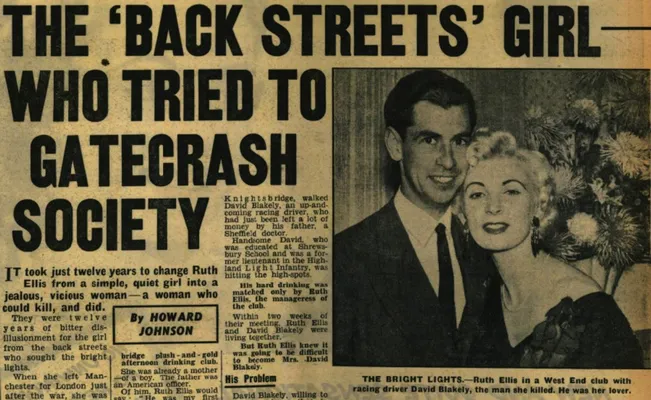
Reading like a tabloid’s dream, or the script of a film noir, the shooting death of racing car driver David Blakely at the hands of his model girlfriend Ruth Ellis revealed the seedy underbelly of 1950s society.From the smoky, dim-lit cocktail bars of West London, to extramarital affairs and illicit weapons, this is the story of a young woman and what drove her to shoot her lover in broad daylight on Easter Sunday, 1955, as told by our newspapers. The
This week at The Archive we are delighted to have added 115 years’ worth of historic headlines, with two brand new titles joining us over the past seven days. In total, we have added 103,686 new pages, with substantial updates to one of our national titles. Read on to discover more about this week’s additions.Register now and explore the ArchiveKicking off our new titles this week is the Runcorn Weekly News. Published in the Cheshire town of Runcorn, this ‘politically
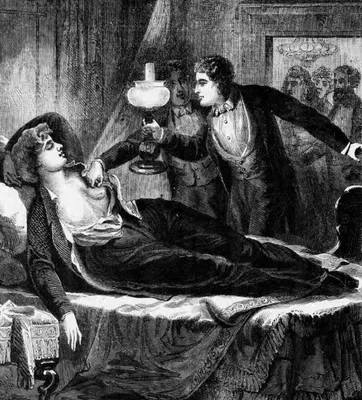
We continue to celebrate Pride Month here at the British Newspaper Archive with this special blog exploring gender identity from the 1700s right up until the 1960s. Using newspapers taken from three different centuries, this blog will show how gender identity has always been fluid, and how members of the LGBTQ community have faced both persecution and prosecution for expressing their identity through how they dressed and presented themselves.‘Extraordinary Discovery – A Woman Dressed in Man’s Clothes’ | Illustrated Police News | 2
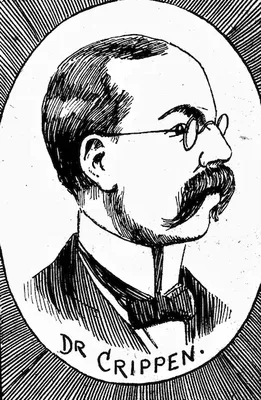
Dr Crippen
On 31 July 1910, Hawley Harvey Crippen, better known as Dr Crippen, and Ethel Le Neve, his typist-turned-lover, were arrested on board the Montrose while trying to flee west to Canada. On top of being a sensational case and arrest, it was the first example of an arrest aided by wireless telegraphy.A cross-Atlantic chase of a fleeing couple is an apt ending to our July theme of travel and migration. When you ask yourself why your ancestor or the subject of
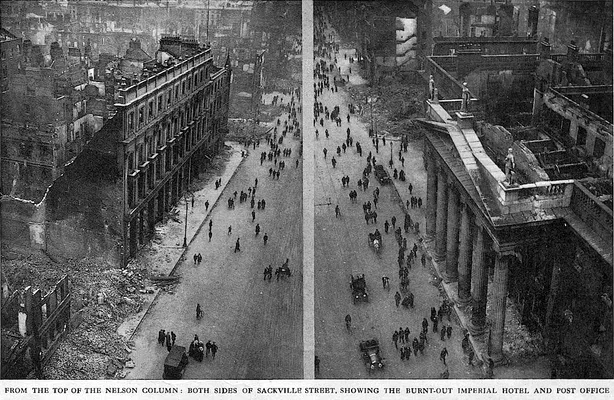
Next month sees the marking of the 100th anniversary of the Easter Rising. Irish nationalists headed a campaign to end British rule in Ireland during a time when the outcome of World War 1 was uncertain. We take a look at how the events of 1916 were documented in the British press at the time.Search the newspapersNews of the Rising started to filter through to the British newspapers on Tuesday, 25 April 1916. A smattering of local papers managed to squeeze in
Charles Dickens
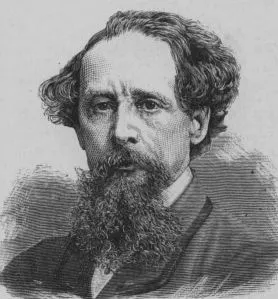
The lovely people at history magazine Bygone Kent got in touch to share the shocking stories they’ve uncovered about Charles Dickens’ life in Higham, Kent.We’d love to hear about your own discoveries – email [email protected] to tell us about them.A ‘diabolical attempt’ to overturn the carriage of Charles Dickens while it drove through his home village has been discovered by local historian and journalist Andrew Rootes, editor of Bygone Kent. The incident was uncovered in The British Newspaper Archive
The first person to be arrested and charged for driving under the influence of alcohol was George Smith, a London cabdriver.Charged with drunk driving on 10 September 1897This article from the Morning Post reported that at about 00:45 on Friday 10 September 1897, Smith’s vehicle ‘swerved from one side of the road to the other, and ran across the footway into 165 New Bond Street’.George Smith admitted that he’d had ‘two or three glasses of beer’ and apologised, stating that ‘it is the