
Skip to content

Search the blog

Tag: colindaleTag: sputnikTag: child-labour
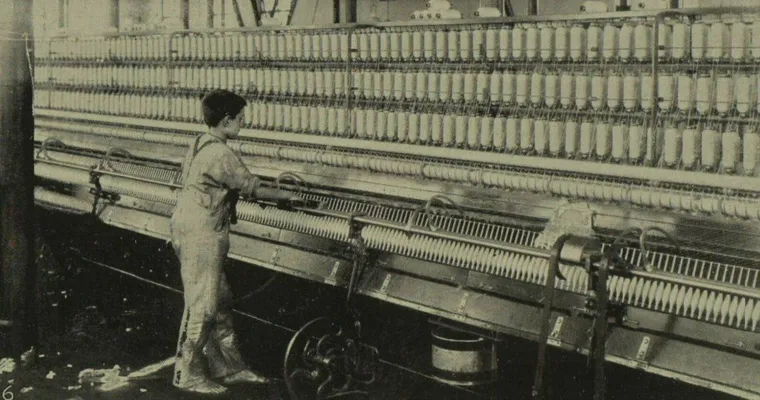
Here at The Archive we are delighted to welcome 204,443 brand new pages this week, as we mark 125 years since the passing of the Mines (Prohibition of Child Labour Underground) Act 1900, which banned children under the age of thirteen from working underground in mines. This act, following the raising of the school leaving age to twelve in 1899, represented an important milestone in the eradication of child labour.Meanwhile, we’ve added eight brand new titles this week, which span the length and
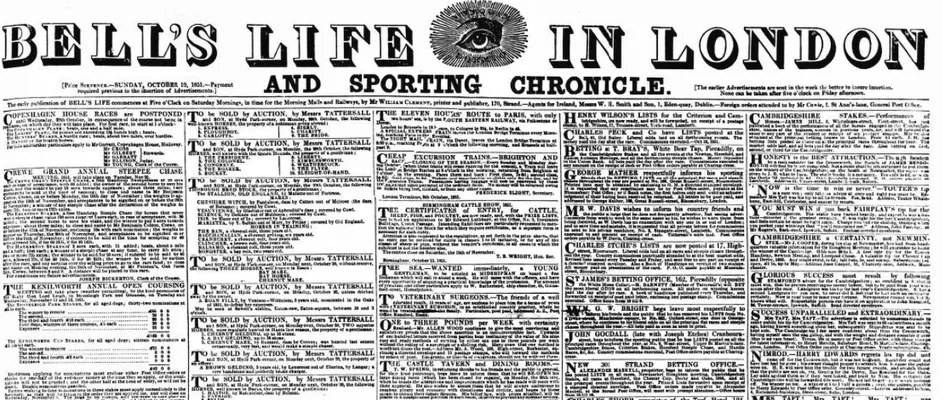
Here at The Archive, we love to learn of the discoveries you have made through our newspaper pages, and how you have used them, whether they have influenced novels, or provided information for dissertations. We were incredibly grateful, therefore, when crime writer and athletics historian Peter Lovesey contacted us with his account of sixty years of researching newspapers. From accessing historical newspapers in their original form, to scrolling through microfilm reels, and finally to searching newspapers digitally on the British
In October 1823, the Public Ledger and Daily Advertiser asserted:The charge and duty of Government are not merely to increase the numbers of men, but to promote and increase their happiness. Industry is the most powerful engine of this happiness, because it is the spring of all their riches. Government, then, should encourage labour, and by due reward, endeavour to avail of, and augment its useful products…The article, entitled ‘Political Economy,’ goes on to recommend how ‘the power of
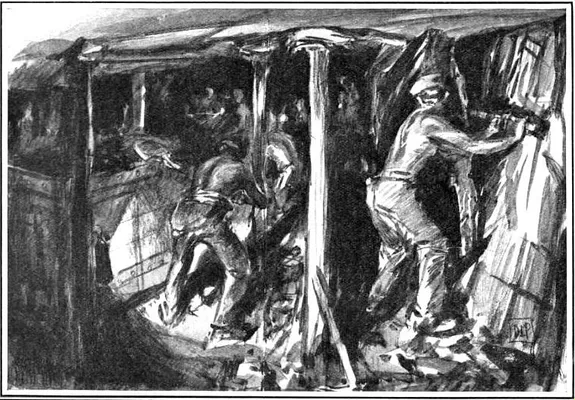
Derbyshire Miners Coal-getting at the Bolsover Face. Drawn by D Macpherson
In the month of August, we have looked at occupations and employment through the newspapers.  To finish our theme this month, we are taking a closer look at coal miners, specifically in the 19th century.  An initial search for miners reveals explosions, accidents, and strikes in the vast amount of mines operating across Great Britain.  We will look at these topics in closer detail.The first coal mine was sunk in Scotland, under the Firth of Forth in 1575.  As the
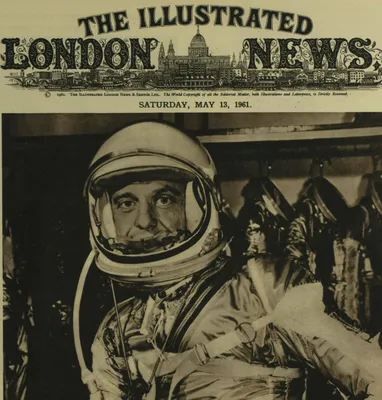
Space RaceThe Space Race between the Soviet Union and the United States experienced a significant ratcheting up at the end of the 1950s with the Sputnik Crisis, which saw the successful launching and orbit of the satellite Sputnik 1 by the Soviet Union in 1957. This development was a key factor in the creation of NASA the following year by the United States as well as the investment of federal funds into national security and research and development.An important milestone
Recently, several people have asked us when the newspaper library at Colindale will be closing and the print newspapers moving to Boston Spa. In June, the British Library confirmed that the Colindale site in North London will close on Friday 8 November 2013.As many of you will already know, the content on the BNA website comes from the British Library’s amazing newspaper collection at Colindale – which contains over 750 million pages from local, regional and national newspapers, as well as periodicals. But