Skip to content

Search the blog

Tag: british-newspapersTag: blitzTag: lusitania
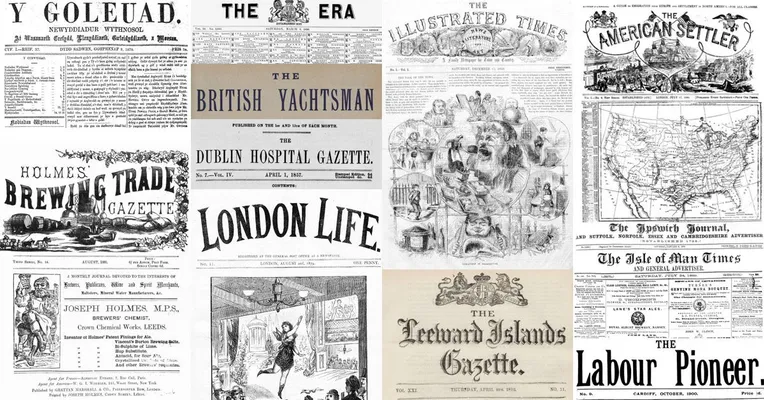
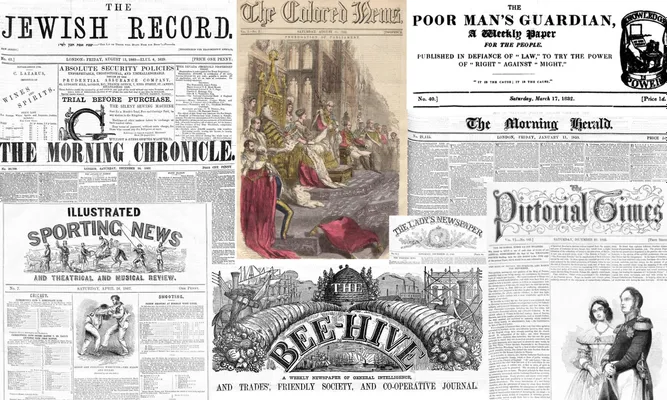
A montage of different newspaper titles with the British Newspaper Archive logo
Fittingly for our brand new platform, this week we are delighted to welcome five brand new titles to The Archive, with a total of 261,496 pages joining us in all. That's not it either, from across the UK and Ireland and even further afield, we've updated 46 of our existing titles. And as we voyage into these new waters, using our brand new shipping title, we explore the launches of some notable liners and merchant vessels from the late 19th and early
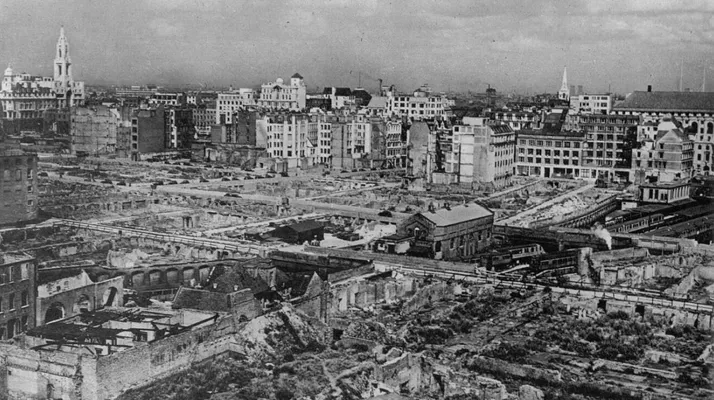
This week at The Archive we are delighted to welcome a brand new title from the sunny south coast, the Bournemouth Times and Directory, as we take a moment to remember the devastating Bournemouth Blitz. In all, over the last seven days, we’ve added 366,686 brand new pages to our collection, whilst we’ve updated 25 of our existing titles from across England, Scotland and Northern Ireland.So, from Buckingham to Burnley, from Dingwall to Driffield, from Mid Sussex to Mid Ulster, read
Since August 2021, the Archive has been working in partnership with the British Library to build a collection of free to view newspaper pages. This collection enables enhanced access to the diverse newspaper holdings of the British Library, with the titles, which have carefully curated by the British Library, spanning four centuries of news and covering not just Britain and Ireland, but the Caribbean, India, and beyond.You can search our free to view pages by creating a free account with
As part of our ongoing partnership with the British Library, we are delighted to announce that one million more pages on the British Newspaper Archive have now been made free to view on our site, meaning that we now have two million pages in total that can be accessed freely as part of our collection.And we’re not stopping here. We’re planning to release a total of five million free to view pages on The Archive over five years, meaning
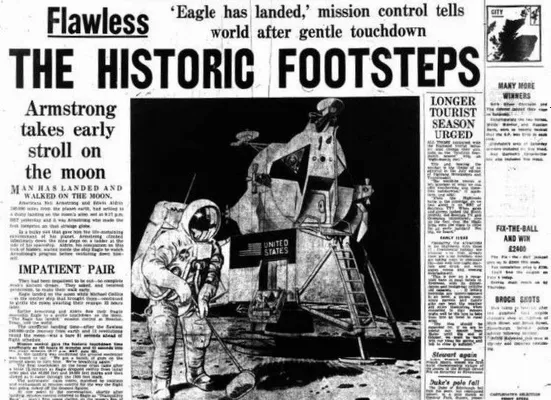
On 20 July 1969, two American astronauts, Neil Armstrong and Buzz Aldrin, landed on the moon, thus becoming the first two humans ever to walk on the lunar surface.These first steps were watched by an estimated audience of 650 million viewers worldwide, as the Apollo 11 mission became a veritable global media sensation.But how was the moon landing reported on by the British media? As part of space and the stars month here at The Archive, we have collated ten front pages
In the decade after the Second World War had come to an end, and indeed beyond, many communities across the United Kingdom were faced with very vivid reminders of the conflict: bomb sites, the country’s ‘war scars.’In this blog, we will examine how people in Britain lived alongside bomb sits in the 1950s, using newspapers taken from The Archive. We will explore how communities adapted to live beside bomb sites, and how they transformed them into gardens and playgrounds.
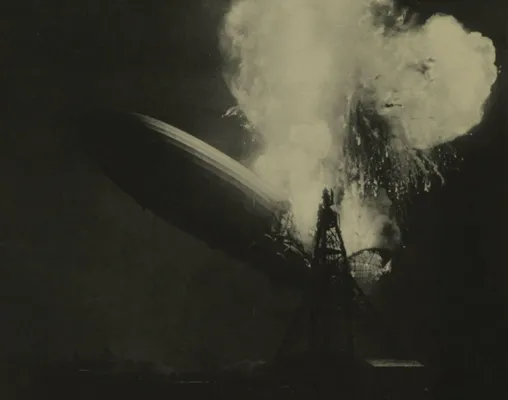
Disaster has befallen the giant German airship, Hindenburg. She was blown to pieces in a mysterious explosion when about to moor at Lakehurst, New Jersey, on the first anniversary of her maiden flight to America. A third of her reported total of 97 aboard have died. Latest death toll of the disaster is 35.So reported the Lincolnshire Echo on 7 May 1937, a day after the German airship LZ 129 Hindenburg caught fire as it attempted to land in New Jersey. News of the
In partnership with the British Library, the British Newspaper Archive features 1 million free to view newspaper pages as part of its collection. A great way to get started with your research, and to begin to explore historic newspapers and their stories, all you need to do is register a free account with us to access the free to view pages.Register now to explore FREE pagesOnce you’ve registered, you can explore 150 different newspaper titles, which span the years 1720 to 1880.
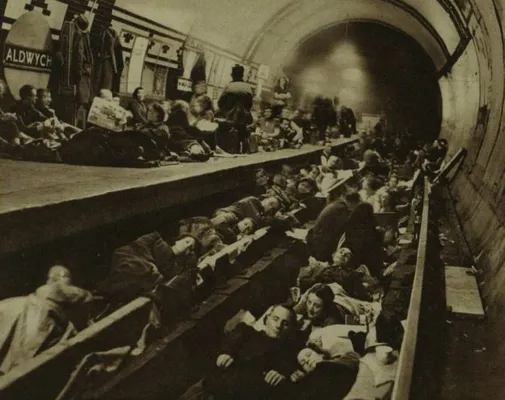
When the Blitz began on 7 September 1940, ‘It was the people of London who took command…Men, women, and children went straight to the safest place they could think of – the Underground stations.’In this special blog, over 80 years after the beginning of the Blitz, we take a look at how London’s main transport system – the Underground –  became a popular place of shelter for those seeking protection from the German bombing campaign, using an assortment of articles and photographs all to be
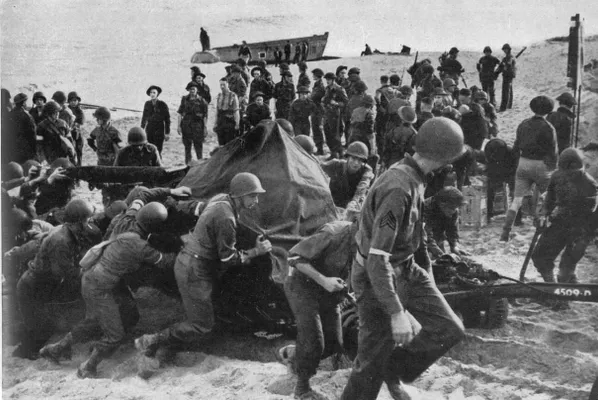
American troops
In honour of Remembrance Day, during the month of November, The British Newspaper Archive will be focusing our attention on military in the newspapers.  Coming up this month we will feature blogs about our special military titles, researching military history, women and war, and wartime rationing and fashion, as well as a guest blog about a remarkable Great War discovery from The Archive.  To begin our military month, we are delving into the newspaper headlines through the years for the