Skip to content

Search the blog

Tag: british-newspapersTag: 1930sTag: blitz
This week we are marking of the ninetieth anniversary of the release of the Alfred Hitchcock film The 39 Steps, which came out on 6 June 1935. Meanwhile, we are celebrating the addition of eight brand new newspaper titles, the updating of twelve of our existing titles, as we have added 150,950 brand new pages to The Archive in all over the last seven days.So read on to discover more about the release of The 39 Steps and to learn more about our new
This week at The Archive we are delighted to welcome a brand new title from the sunny south coast, the Bournemouth Times and Directory, as we take a moment to remember the devastating Bournemouth Blitz. In all, over the last seven days, we’ve added 366,686 brand new pages to our collection, whilst we’ve updated 25 of our existing titles from across England, Scotland and Northern Ireland.So, from Buckingham to Burnley, from Dingwall to Driffield, from Mid Sussex to Mid Ulster, read
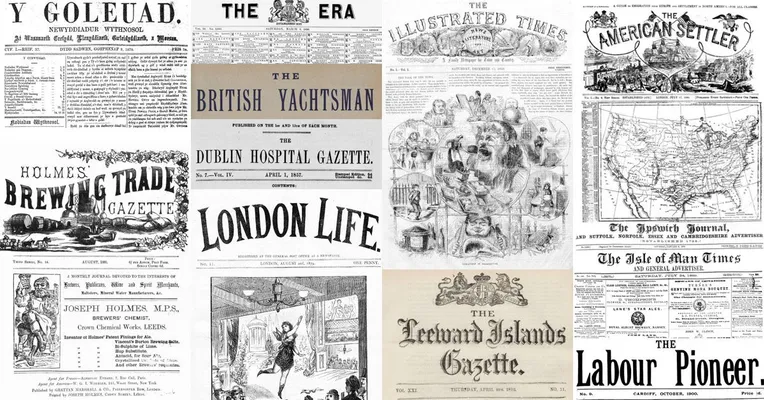
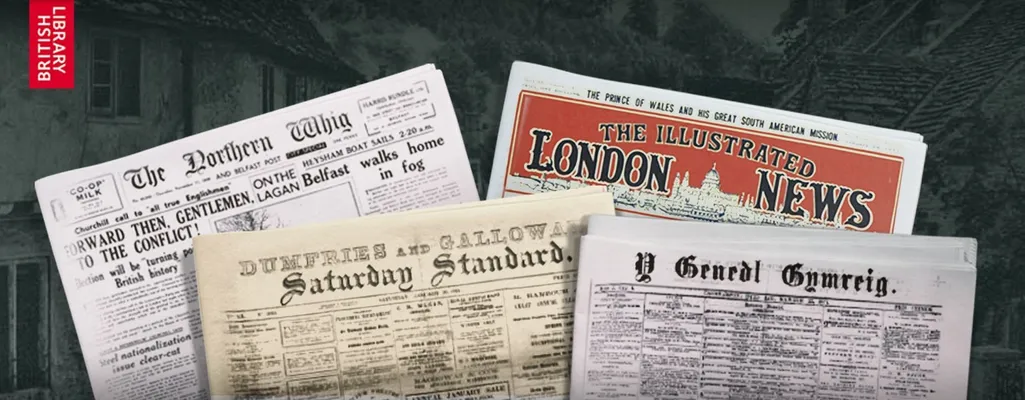
Since August 2021, the Archive has been working in partnership with the British Library to build a collection of free to view newspaper pages. This collection enables enhanced access to the diverse newspaper holdings of the British Library, with the titles, which have carefully curated by the British Library, spanning four centuries of news and covering not just Britain and Ireland, but the Caribbean, India, and beyond.You can search our free to view pages by creating a free account with
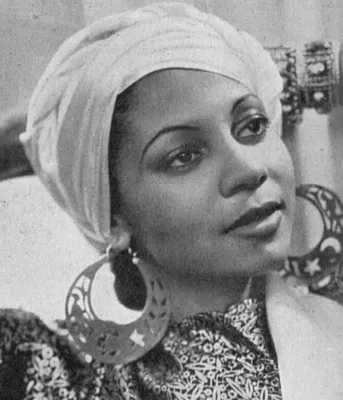
In the late 1930s a newcomer made her way onto British cinema screens: Princess Kouka. From Sudan, Princess Kouka, born Tahia Ibrahim Belal, had been spotted by film producer Walter Futter, who was determined for her to appear in his next film.Using newspapers from the time, we uncover the legacy of this largely forgotten film star, who travelled to Britain and impressed audiences across the country.‘A Notable Newcomer’On 18 December 1936 London’s Daily News reported on the impending arrival
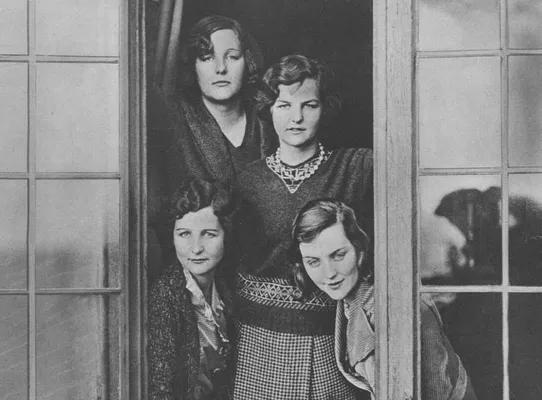
The aristocratic Mitford sisters – Nancy, Pamela, Diana, Unity, Jessica and Deborah – hit the headlines throughout their lifetimes, with tales of scandal and intrigue filling the pages of the press from the 1920s and beyond.Born to David Freeman-Mitford, 2nd Baron Redesdale, and his wife Sydney, alongside brother Thomas, the Mitford sisters often shocked society, whether it be through their political views, or their private lives.In this special blog, we shall unravel the remarkable stories of the six Mitford sisters,
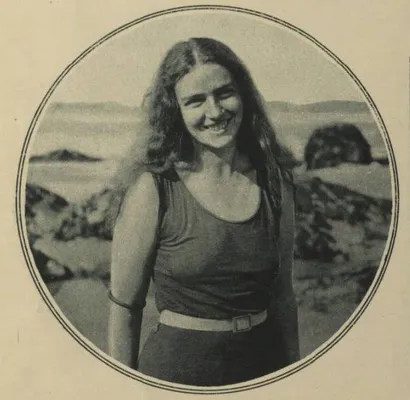
Mercedes Gleitze (1900-1981) was the first British woman to swim the English Channel, and the first person to swim the Straits of Gibraltar. In an amazing career that spanned the 1920s and 1930s, Mercedes captured the imagination of the British public and became a household name.Born to German parents in Brighton, Mercedes was one of three sisters. Skilled in languages, she moved to London where she worked as a secretary and stenographer. Whilst living in London she began swimming in
This week at The Archive we have added an amazing 322,444 brand new pages, with eight brand new titles joining us in all, from Scotland, England and the Caribbean. Meanwhile, we’ve made one million more newspapers free to view as part of our collection, which you can find out more about here.We’ve also made extensive updates to 23 our existing titles, so read on to find out more about all of our new and updated titles of the week, as well
As part of our ongoing partnership with the British Library, we are delighted to announce that one million more pages on the British Newspaper Archive have now been made free to view on our site, meaning that we now have two million pages in total that can be accessed freely as part of our collection.And we’re not stopping here. We’re planning to release a total of five million free to view pages on The Archive over five years, meaning
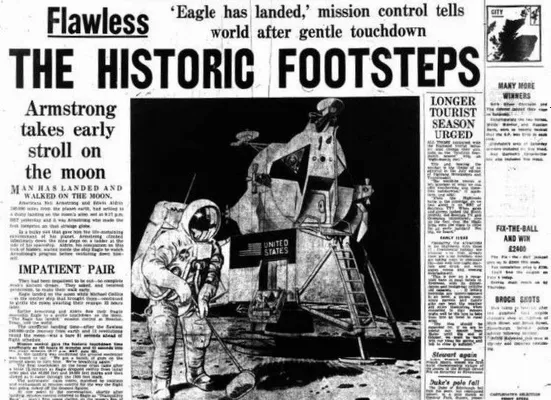
On 20 July 1969, two American astronauts, Neil Armstrong and Buzz Aldrin, landed on the moon, thus becoming the first two humans ever to walk on the lunar surface.These first steps were watched by an estimated audience of 650 million viewers worldwide, as the Apollo 11 mission became a veritable global media sensation.But how was the moon landing reported on by the British media? As part of space and the stars month here at The Archive, we have collated ten front pages
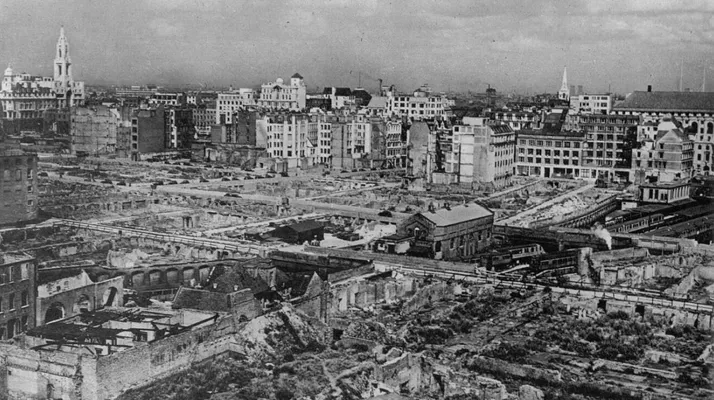
In the decade after the Second World War had come to an end, and indeed beyond, many communities across the United Kingdom were faced with very vivid reminders of the conflict: bomb sites, the country’s ‘war scars.’In this blog, we will examine how people in Britain lived alongside bomb sits in the 1950s, using newspapers taken from The Archive. We will explore how communities adapted to live beside bomb sites, and how they transformed them into gardens and playgrounds.