Skip to content

Search the blog

Tag: blitzTag: historyTag: victorian-newspapersTag: pat
A montage of different newspaper titles with the British Newspaper Archive logo
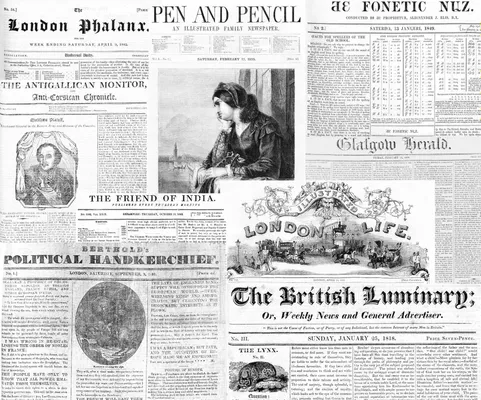
As we settle into the new chapter of the British Newspaper Archive, we bring you six standout new titles this week. With 262,076 pages added in total, we will take you on a journey from important resort society in Bournemouth to the Victorian Temperance movement in London. On top of our new titles, we have made updates to forty-three of our pre-existing titles. So keep reading to discover more about our exciting new and updated titles, as you familiarise yourself with
This week at The Archive we are marking St Patrick’s Day with the addition of five brand new Irish titles, and updates to 29 of our existing Irish titles, as we delve into a potential Oscar Wilde work, where all is not as it seems. Furthermore, in all, we’ve added 215,303 brand new pages to our collection, as The Archive continues to grow.So read on to discover more about our new and updated titles of the week, and also to read
This week at The Archive we are delighted to welcome a brand new title from the sunny south coast, the Bournemouth Times and Directory, as we take a moment to remember the devastating Bournemouth Blitz. In all, over the last seven days, we’ve added 366,686 brand new pages to our collection, whilst we’ve updated 25 of our existing titles from across England, Scotland and Northern Ireland.So, from Buckingham to Burnley, from Dingwall to Driffield, from Mid Sussex to Mid Ulster, read
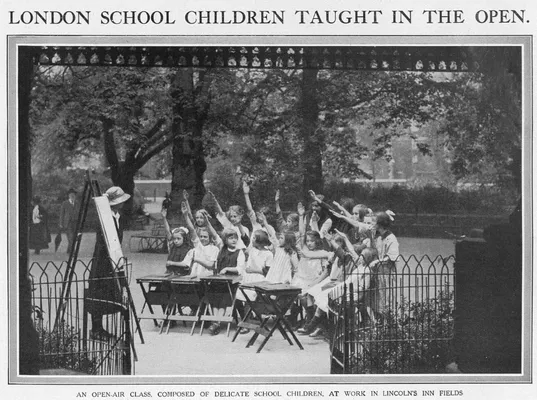
In the early 1900s British authorities took a new approach to education: open air schools. Inspired by methods of teaching in Germany, these open air schools were intended to provide disadvantaged city children with fresh air, alleviating their poor health and preventing the spread of tuberculosis.In this special blog, using newspapers taken from our Archive, we will investigate the open air schools of the 1900s, from their early inception, to how they continued to play a role in education
As part of our ongoing partnership with the British Library, we are delighted to announce that one million more pages on the British Newspaper Archive have now been made free to view on our site, meaning that we now have two million pages in total that can be accessed freely as part of our collection.And we’re not stopping here. We’re planning to release a total of five million free to view pages on The Archive over five years, meaning
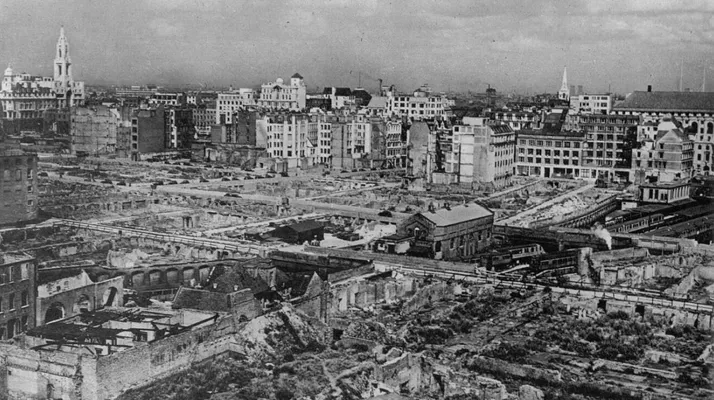
In the decade after the Second World War had come to an end, and indeed beyond, many communities across the United Kingdom were faced with very vivid reminders of the conflict: bomb sites, the country’s ‘war scars.’In this blog, we will examine how people in Britain lived alongside bomb sits in the 1950s, using newspapers taken from The Archive. We will explore how communities adapted to live beside bomb sites, and how they transformed them into gardens and playgrounds.
As we move now into February we have been extremely busy here at The Archive, adding 139,438 brand new pages to our collection, with the addition of two brand new titles over the past seven days. Meanwhile, we have made significant updates to a range of our existing titles, with 26 titles updated in all.So read on to discover more about our two new titles of the week, one of which represented the interests of the various Nonconformist Protestant groups of
In partnership with the British Library, the British Newspaper Archive features 1 million free to view newspaper pages as part of its collection. A great way to get started with your research, and to begin to explore historic newspapers and their stories, all you need to do is register a free account with us to access the free to view pages.Register now to explore FREE pagesOnce you’ve registered, you can explore 150 different newspaper titles, which span the years 1720 to 1880.
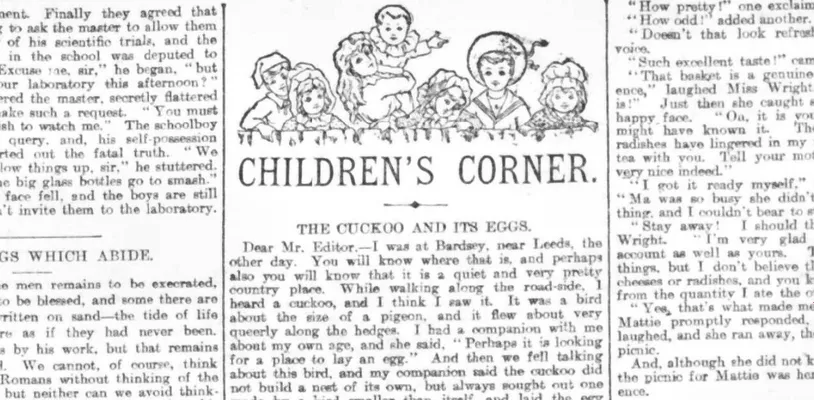
With an increase in literacy rates and a growing emphasis on the importance of family, by the mid Victorian era the concept of the children’s corner in newspapers was born.Leeds Mercury | 18 June 1898Often placed amongst the densely packed columns of the daily or weekly local and national newspapers, the children’s corner represented a new development for Victorian editors of the day, and a new market to which they could appeal.And in this special blog, as we explore the
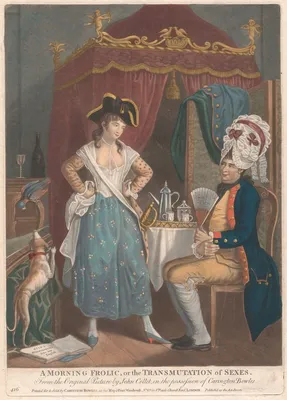
June is Pride Month. At The Archive, we are delving into the newspapers and pulling out the breadth of LGBTQ history available.Register now and explore The Archive18th Century Gay Subculture18th century London was home to a flourishing gay subculture with Molly Houses at the centre of the social scene. ‘Molly’ was a slur used for effeminate, homosexual men and the term was adopted to describe the clubs, taverns, inns, or coffee houses where they met up in