Skip to content

Search the blog

Tag: blitzTag: historyTag: scotlandTag: radical-press
We’re delighted as we march on with The Salvation Army to welcome another of the worldwide Christian church and registered charity’s titles to our ranks, namely the Young Soldier. The longest running continuously published children’s periodical in the world, alongside this fascinating publication we’ve also added five other new titles, and updated 22 of our existing titles from across the UK and Ireland. In all, we’ve added 207,356 brand new pages to The Archive over the last seven days.And this week,
This week at The Archive we have added 211,776 new pages to our holdings. With a mighty 53 updated titles, and 9 brand new titles added, we take you from the complex underworld of women’s clothing design in London, to the threatening notices posted on gates and chapel doors in Hexham. Additionally, continue on to discover the swan scandal in Linlithgow that shook the town, and contributed to the wider conversation of human-related pollution in lochs across Scotland.Register now and explore The
This week at The Archive we’re delving into the history of prohibition across Scotland and its impact on local distilleries. As well as exploring a time when parts of Scotland went dry for a bit longer than just the month of January, we’ve added 74,458 brand new pages to The Archive, as well as updating twelve titles from across England, Scotland and the Isle of Man.So read on to discover which of our titles we have updated this week, and
This week at The Archive we are delighted to welcome a brand new title from the sunny south coast, the Bournemouth Times and Directory, as we take a moment to remember the devastating Bournemouth Blitz. In all, over the last seven days, we’ve added 366,686 brand new pages to our collection, whilst we’ve updated 25 of our existing titles from across England, Scotland and Northern Ireland.So, from Buckingham to Burnley, from Dingwall to Driffield, from Mid Sussex to Mid Ulster, read
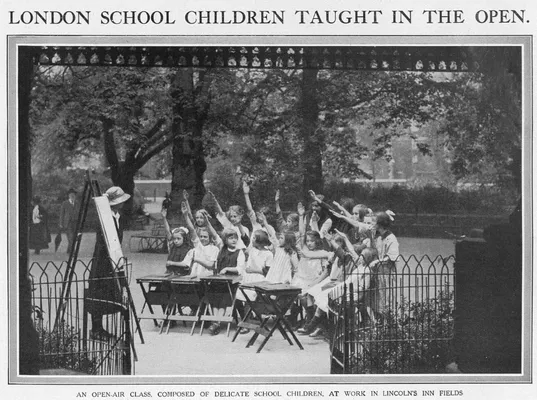
In the early 1900s British authorities took a new approach to education: open air schools. Inspired by methods of teaching in Germany, these open air schools were intended to provide disadvantaged city children with fresh air, alleviating their poor health and preventing the spread of tuberculosis.In this special blog, using newspapers taken from our Archive, we will investigate the open air schools of the 1900s, from their early inception, to how they continued to play a role in education
This week at The Archive we are delighted to welcome brand new specialist horse-focussed title the Trotting World and Horse Review to our collection, alongside three other brand new titles from Leicestershire, London and Lincolnshire. In all, we’ve added 240,324 brand new pages to The Archive, with updates to 32 of our existing titles from across England and Wales.With new pages added to titles from Greenford to Grimsby, from Liverpool to Loughborough, from Newquay to Nottingham, we have a plethora of
This week has been another record-breaking week here at The Archive, as we have now reached another milestone of over 57 million pages all now available to search as part of our collection, with 633,752 brand new pages joining us in all over the past seven days. Meanwhile, we’ve added three brand new newspaper titles to the site this week, two of which illuminate the religious climate of the mid to late nineteenth century, whilst another shines a light on local news
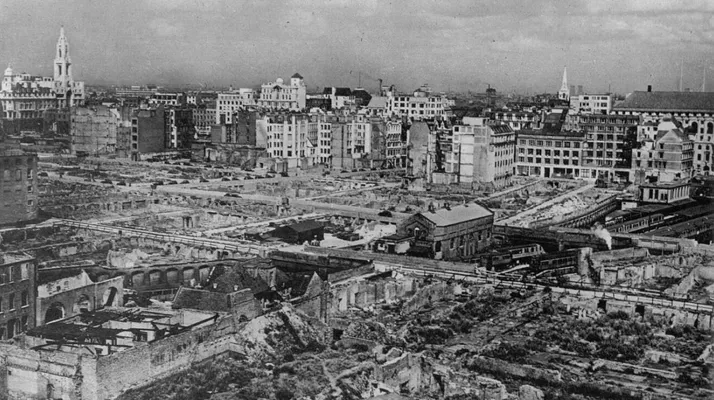
In the decade after the Second World War had come to an end, and indeed beyond, many communities across the United Kingdom were faced with very vivid reminders of the conflict: bomb sites, the country’s ‘war scars.’In this blog, we will examine how people in Britain lived alongside bomb sits in the 1950s, using newspapers taken from The Archive. We will explore how communities adapted to live beside bomb sites, and how they transformed them into gardens and playgrounds.
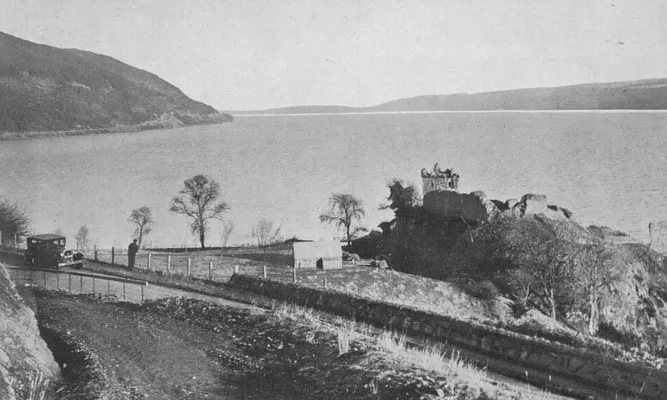
In early May 1933 reports that some kind of monster had been spotted in Loch Ness, in the Scottish Highlands, near Inverness, reached the press. By the end of the year, national weekly publication The Sphere wrote:When the Loch Ness monster first came into the news many believed that the stories published in the Press were nothing more than mere sensationalism. To-day this theory does not hold good. People, whose judgement can be relied on, have seen the ‘monster,’ and
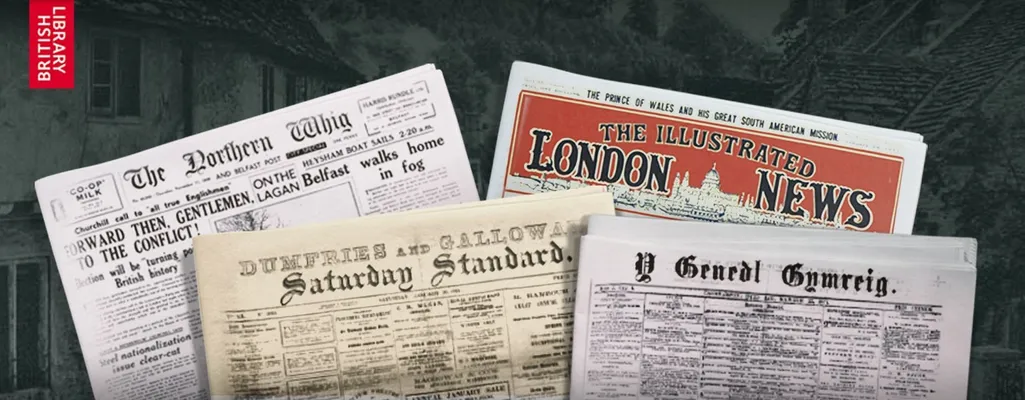
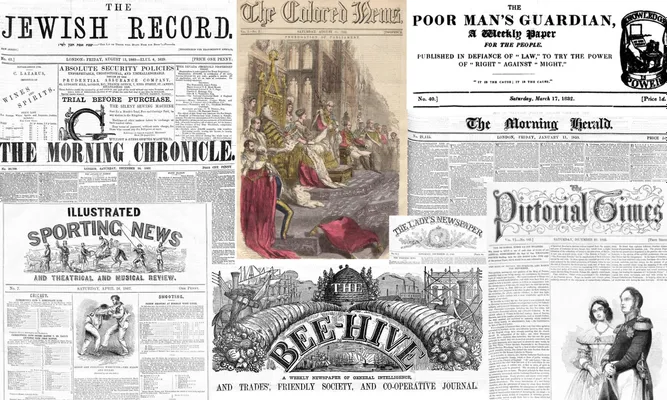
In partnership with the British Library, the British Newspaper Archive features 1 million free to view newspaper pages as part of its collection. A great way to get started with your research, and to begin to explore historic newspapers and their stories, all you need to do is register a free account with us to access the free to view pages.Register now to explore FREE pagesOnce you’ve registered, you can explore 150 different newspaper titles, which span the years 1720 to 1880.