Skip to content

Search the blog

Tag: birminghamTag: murderTag: poetry
This week at The Archive we are marking St Patrick’s Day with the addition of five brand new Irish titles, and updates to 29 of our existing Irish titles, as we delve into a potential Oscar Wilde work, where all is not as it seems. Furthermore, in all, we’ve added 215,303 brand new pages to our collection, as The Archive continues to grow.So read on to discover more about our new and updated titles of the week, and also to read
This week at The Archive we’re delighted to welcome one brand new newspaper title to our collection, namely Yorkshire’s Hebden Bridge Times, alongside a total of 245,806 brand new pages. Meanwhile, from Derbyshire to Dunstable, from Eastbourne to Earlestown, from Thame to Todmorden, we have updated 15 of our existing titles from across England and Scotland.So read on to learn more about all of our new and updated titles of the week, as well as to discover more about poet laureate
We’ve reached the extraordinary landmark of 72 million pages all now available to search on The Archive, as we welcome new title the Carrick Times and East Antrim Times to our collection, and celebrate the town of Carrickfergus’s links with poet and playwright Louis MacNeice. That’s not all, we’ve added 152,092 brand new pages to The Archive in all over the last seven days, with new pages joining publications from across Northern Ireland, Scotland and Wales.So read on to discover more
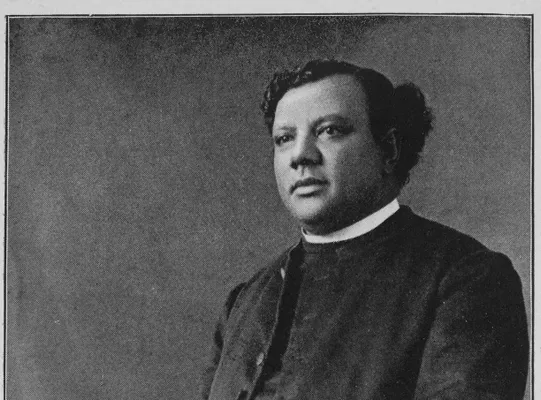
At the British Newspaper Archive we are always delighted to hear how The Archive has been used to inform a range of different research interests. In this very special guest blog, Sidonia Serafini of Georgia College & State University and Barbara McCaskill of the University of Georgia take a look at the work of the Reverend Peter Thomas Stanford, Birmingham’s first Black minister, as reported in the British press, through the newspapers to be found in our collection.In March 1883, Reverend
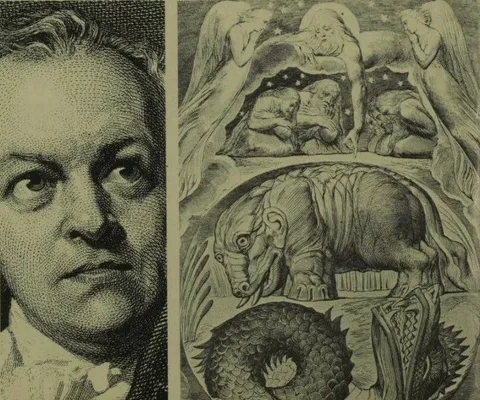
The work of poet, mystic and painter William Blake was largely unrecognised in his lifetime. The son of a dissenting hosier, Blake was born in London’s Soho in 1757, and was apprenticed to an engraver at a young age. Hostile to organised religion, he created an array of paintings and poetry, often inspired by his visions, before he passed away in 1827.In this special blog, we will take a look at the evolving attitudes to the art of William Blake. We
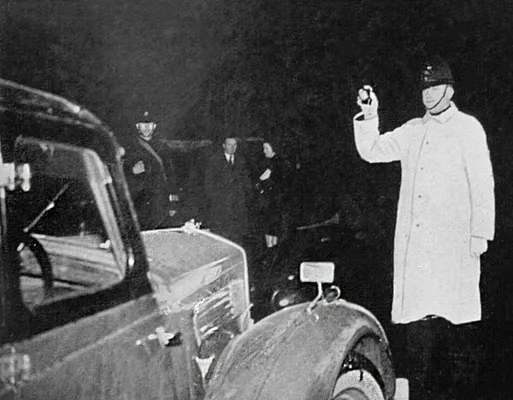
A walk along Piccadilly in the black-out is one of the many queer experiences of this war. The once brilliant centre of London’s night life is now as dark as any forest, and indeed, like a forest, the darkness is full of rustlings and whisperings, of half-seen shapes, and of a sinister feeling of eager, but invisible, life.So began a Daily Herald article on blackout crime in London during the Second World War. With blackouts imposed across the United
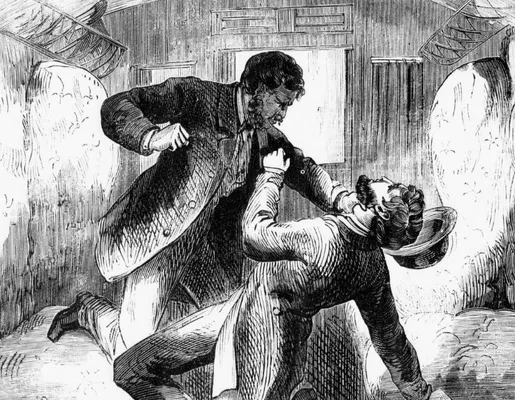
Long before Agatha Christie envisioned murder on the Orient Express, or before she wondered what might have taken place on the 4.50 from Paddington, murder, mystery and mayhem were already well established on the railways of Britain and beyond.The first victim of murder on British railways was 70-year-old Thomas Briggs. In this special blog, we will take a look at his story, as well as nine others sourced from the pages of our newspaper Archive, which tell the strange, the
From South Shields to Saint Lucia, from Carmarthen to Canada, we’ve added 155,351 brand new pages to The Archive this week, spanning over 180 years of headlines. Furthermore, we’ve updated eighteen of our existing titles, with updates covering our regional titles from England, Scotland and Wales, as well as some of our international titles from Canada and the Caribbean.So read on to discover more about our updated titles of the week, as well as to learn about the bombing of a
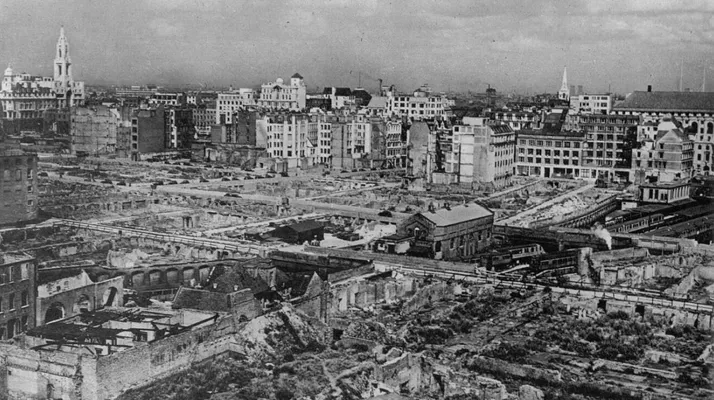
In the decade after the Second World War had come to an end, and indeed beyond, many communities across the United Kingdom were faced with very vivid reminders of the conflict: bomb sites, the country’s ‘war scars.’In this blog, we will examine how people in Britain lived alongside bomb sits in the 1950s, using newspapers taken from The Archive. We will explore how communities adapted to live beside bomb sites, and how they transformed them into gardens and playgrounds.
This week at The Archive is a very special one, as today on the 29 November 2021 we celebrate our tenth birthday! It is ten years since we launched the British Newspaper Archive, and to celebrate this decade of digitising newspapers, we have added ten brand new titles to our collection, as well as updating ten of our existing titles, numbering 114,064 brand new pages in all.So read on to find out more about all of our new ten titles, which hail