Skip to content

Search the blog

Tag: birminghamTag: horoscopesTag: comic-newspapersTag: blitz
This week at The Archive we are marking St Patrick’s Day with the addition of five brand new Irish titles, and updates to 29 of our existing Irish titles, as we delve into a potential Oscar Wilde work, where all is not as it seems. Furthermore, in all, we’ve added 215,303 brand new pages to our collection, as The Archive continues to grow.So read on to discover more about our new and updated titles of the week, and also to read
This week at The Archive we are delighted to welcome a brand new title from the sunny south coast, the Bournemouth Times and Directory, as we take a moment to remember the devastating Bournemouth Blitz. In all, over the last seven days, we’ve added 366,686 brand new pages to our collection, whilst we’ve updated 25 of our existing titles from across England, Scotland and Northern Ireland.So, from Buckingham to Burnley, from Dingwall to Driffield, from Mid Sussex to Mid Ulster, read
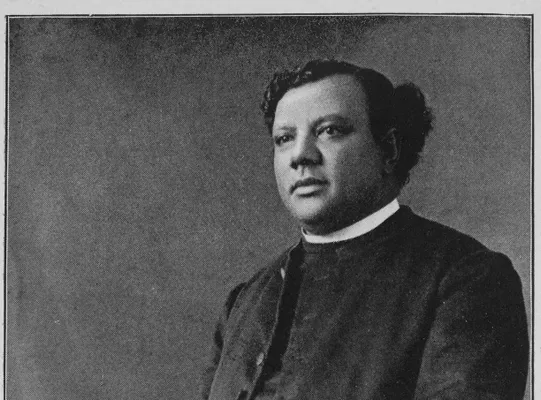
At the British Newspaper Archive we are always delighted to hear how The Archive has been used to inform a range of different research interests. In this very special guest blog, Sidonia Serafini of Georgia College & State University and Barbara McCaskill of the University of Georgia take a look at the work of the Reverend Peter Thomas Stanford, Birmingham’s first Black minister, as reported in the British press, through the newspapers to be found in our collection.In March 1883, Reverend
From South Shields to Saint Lucia, from Carmarthen to Canada, we’ve added 155,351 brand new pages to The Archive this week, spanning over 180 years of headlines. Furthermore, we’ve updated eighteen of our existing titles, with updates covering our regional titles from England, Scotland and Wales, as well as some of our international titles from Canada and the Caribbean.So read on to discover more about our updated titles of the week, as well as to learn about the bombing of a
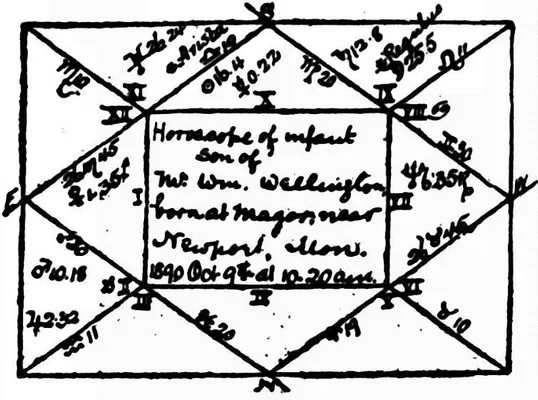
In this very special blog, Jessie O’Hara, from our sister site Findmypast, takes a fascinating look at astrology through the pages of our newspapers. Featuring articles all the way from the eighteenth century to the twentieth century, she traces the development of attitudes towards astrology across three centuries, from scepticism to horoscopes being a mainstay of mainstream media.Register with us today and see what stories you can discoverBeliever or non-believer, agnostic or sceptic, there is no denying that
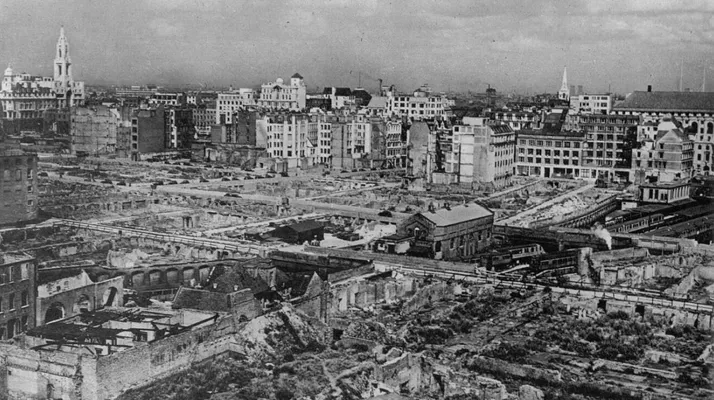
In the decade after the Second World War had come to an end, and indeed beyond, many communities across the United Kingdom were faced with very vivid reminders of the conflict: bomb sites, the country’s ‘war scars.’In this blog, we will examine how people in Britain lived alongside bomb sits in the 1950s, using newspapers taken from The Archive. We will explore how communities adapted to live beside bomb sites, and how they transformed them into gardens and playgrounds.
This week at The Archive is a very special one, as today on the 29 November 2021 we celebrate our tenth birthday! It is ten years since we launched the British Newspaper Archive, and to celebrate this decade of digitising newspapers, we have added ten brand new titles to our collection, as well as updating ten of our existing titles, numbering 114,064 brand new pages in all.So read on to find out more about all of our new ten titles, which hail
This week at The Archive we have added a century’s worth of news, spanning the headlines from 1864 to 1964. We have added 90,176 new newspaper pages in all, with six brand new titles joining us from England and Wales over the past seven days.So read on to discover more about our new titles, from Hastings to Harborne, from Neath to Stockton, as well as to find out which of our existing titles we have updated during the past week. Using our
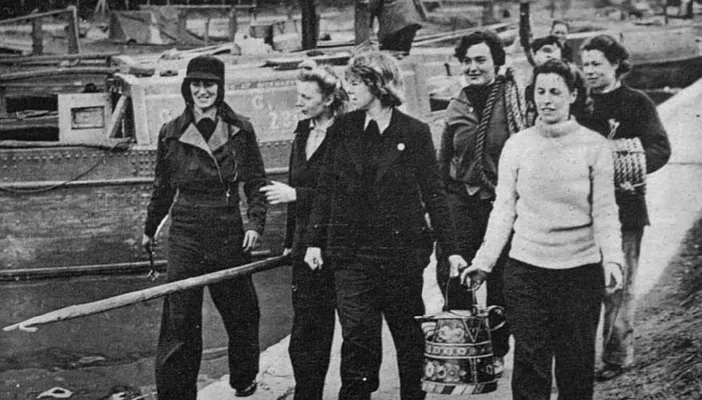
Nicknamed the ‘Idle Women,’ although they were about as far from idle as anybody could possibly be, the women canal workers of the Second World War performed vital war work which is all but forgotten today, some seventy years later.Some of the ‘Idle women’ arriving at a canal dock | The Sphere | 15 April 1944The curious name of ‘Idle Women’ came from the badges that these pioneering women wore, with the initials ‘IW,’ which stood for ‘Inland Waterways’. This moniker, given
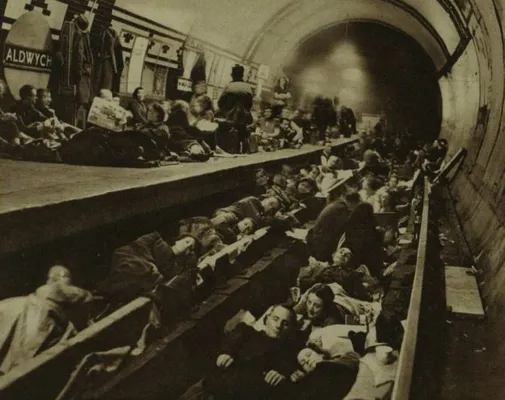
When the Blitz began on 7 September 1940, ‘It was the people of London who took command…Men, women, and children went straight to the safest place they could think of – the Underground stations.’In this special blog, over 80 years after the beginning of the Blitz, we take a look at how London’s main transport system – the Underground –  became a popular place of shelter for those seeking protection from the German bombing campaign, using an assortment of articles and photographs all to be